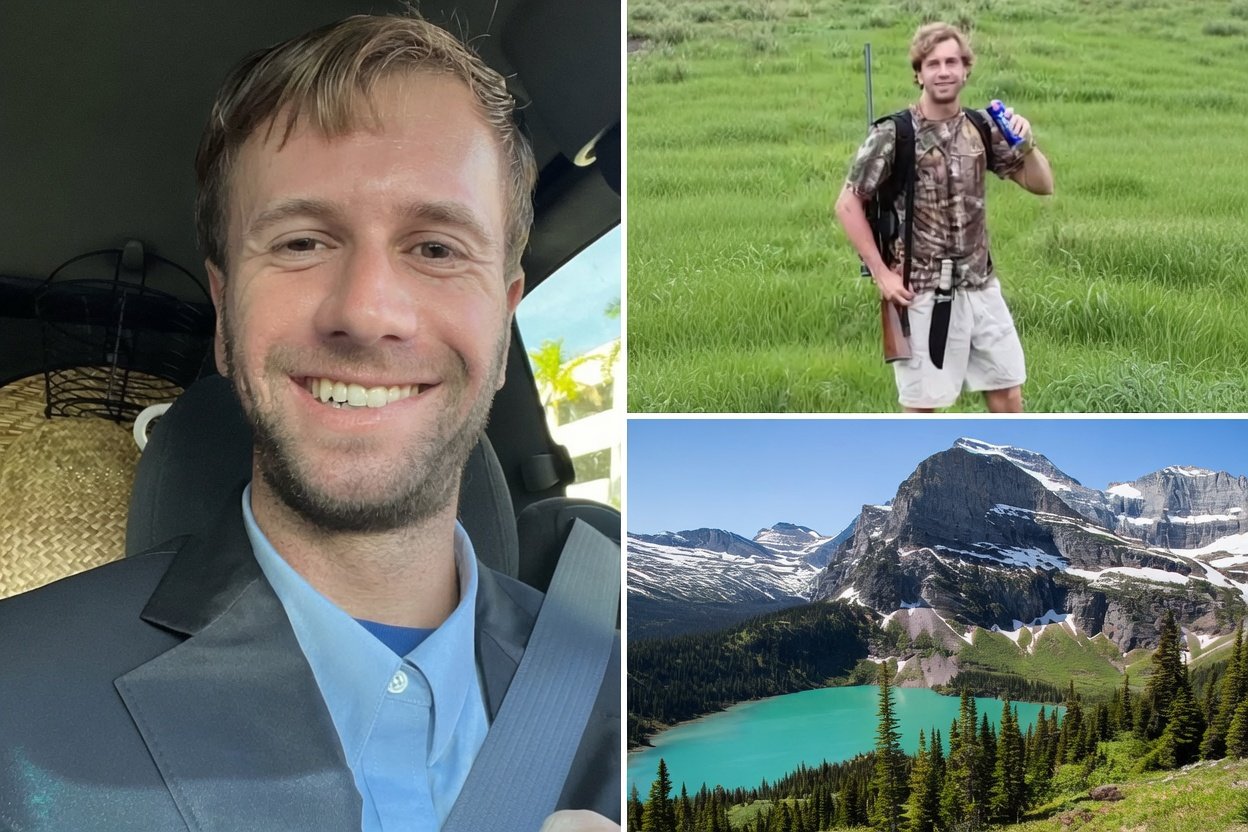
In the remote wilderness of Montana’s Glacier National Park, a 33-year-old Catholic deacon from Florida met a tragic end during what investigators later described as a sudden and intense defensive attack by a grizzly bear. Anthony Pollio, an experienced outdoorsman and active member of his local church community in Davie, Florida, was hiking alone on the Mount Brown Lookout Trail on the evening of May 3, 2026, when the fatal encounter occurred. A comprehensive interagency investigation released in mid-to-late July has now provided the most complete picture yet of the events leading to his death, confirming it as Glacier’s first fatal bear attack in nearly three decades.
Pollio had been on a multi-day road trip across the western United States when he arrived at the park that Sunday afternoon. After parting ways with a traveling companion farther south in Montana, he entered Glacier through the west entrance around 4:45 p.m. and made his way toward the Mount Brown trailhead near Lake McDonald Lodge. According to text messages he sent to friends and family throughout the day, he planned to hike up to the lookout tower, enjoy the sunset, and then descend in the dark before finding a place to camp. His last known communication came at 8:20 p.m., when he texted his girlfriend that he had already climbed more than 2,000 feet over roughly three miles and still had significant elevation left to gain. Investigators later determined he had likely reached near the summit and was already heading back down the trail when the attack took place, most probably between 9:15 and 10 p.m. after nightfall.
Conditions on the trail that night played a critical role. Winter storms had left numerous downed and burned trees across the path, creating obstacles and limiting visibility. Combined with the darkness, these factors meant neither Pollio nor the bear likely saw each other until they were extremely close. The adult male grizzly, later identified through DNA from hair and scat samples as a longtime park resident at least 15 years old with no previous history of conflict with humans, reacted defensively. Evidence at the scene—including claw marks on a burned tree, a displaced rock, and the location of Pollio’s fully emptied can of bear spray—indicated the animal launched its attack near a switchback roughly 2.3 miles from the trailhead.
Pollio managed to discharge his entire can of bear spray during the initial assault, though investigators could not determine whether the deterrent made effective contact with the bear. As the attack continued, he either fell or was driven downslope, tumbling approximately 93 feet. Blood evidence and disturbed vegetation showed the intensity of the struggle as he descended. At some point the bear briefly broke off the attack, allowing Pollio to climb about 18 feet back uphill. The animal then re-engaged and delivered the fatal crushing bites to his head. The entire encounter appears to have been brief and intense rather than a prolonged predatory event. There was no evidence of the bear feeding on or caching the body afterward; the animal simply left the area.
Search efforts began the following day after Pollio’s father, Arthur, contacted park officials when he could not reach his son. Rangers and multiple search-and-rescue teams, including aircraft equipped with infrared cameras, scoured the area. His remains were finally located on May 6 by a ground team that spotted the discarded bear spray canister just off the trail. The subsequent investigation involved specialists from the Interagency Grizzly Bear Committee, Glacier National Park, Montana Fish, Wildlife and Parks, and other agencies. DNA analysis confirmed the bear was a known local male (identified in monitoring databases as #138239) whose parents had also been documented years earlier with no history of aggression toward people. Because the attack was classified as defensive rather than predatory, wildlife managers did not attempt to locate or remove the animal.

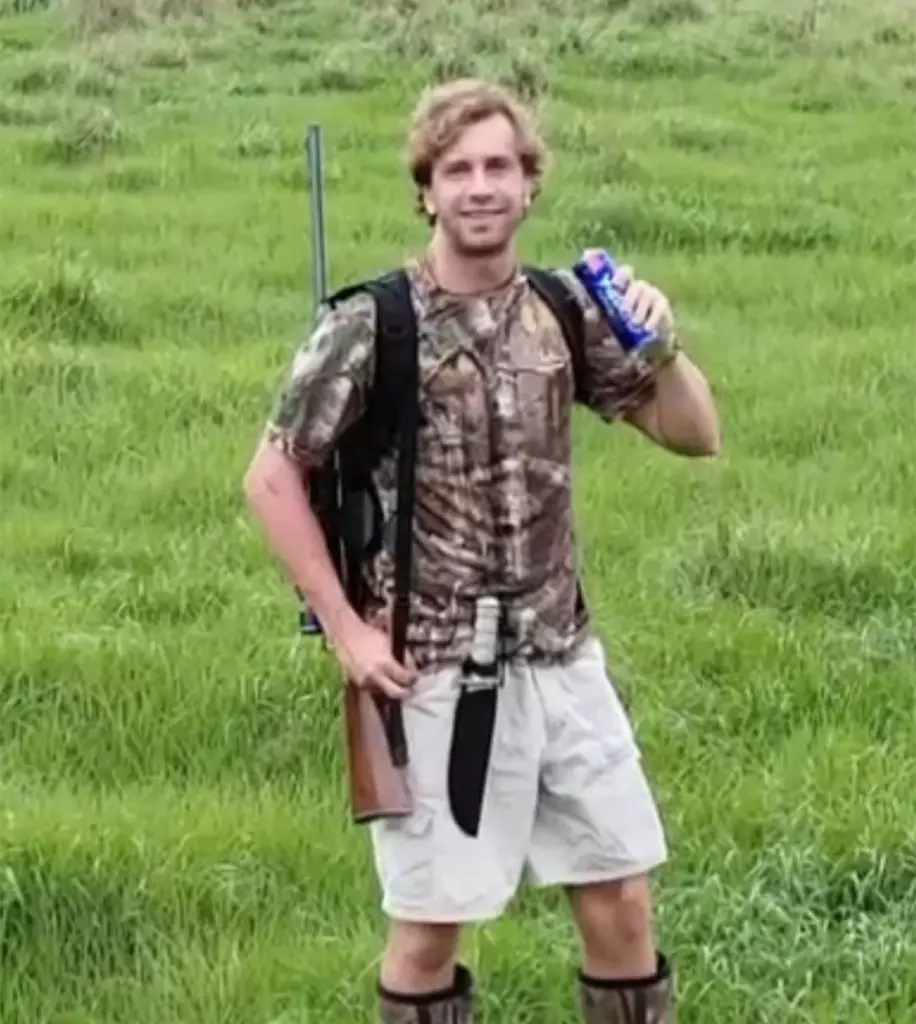
Those who knew Pollio remembered him as an avid hiker and hunter who had already explored many of America’s iconic landscapes, including the Grand Canyon, Yellowstone, Grand Teton, and Mount Rushmore. Outside of the outdoors, he was described as a “motorhead” who enjoyed cars and as a dedicated deacon who preached at his Catholic church in South Florida. His father later shared a final voicemail Anthony left before the hike, in which the younger man sounded out of breath while recounting his day and ended with the simple words “Love you.” Arthur reflected that his son had packed more life experiences into 33 years than many people manage in a lifetime.
In the months since the tragedy, the official report has prompted renewed emphasis on standard bear-country safety practices. Investigators recommended that visitors stay highly alert in areas of limited visibility, make noise by talking or singing, travel in groups whenever possible, always carry accessible bear spray, and avoid hiking at night, dawn, or dusk when bears are most active. The Mount Brown area itself had seen relatively few concerning grizzly sightings in the preceding year.
Pollio’s death remains a rare and sobering reminder of the risks that exist even for experienced outdoors enthusiasts in one of America’s most spectacular national parks. The full interagency findings continue to serve as both a factual record of the incident and a cautionary guide for future visitors.
Sources: https://montanafreepress.org/2026/07/24/glaciers-first-fatal-bear-attack-in-almost-30-years-came-after-surprise-encounter/