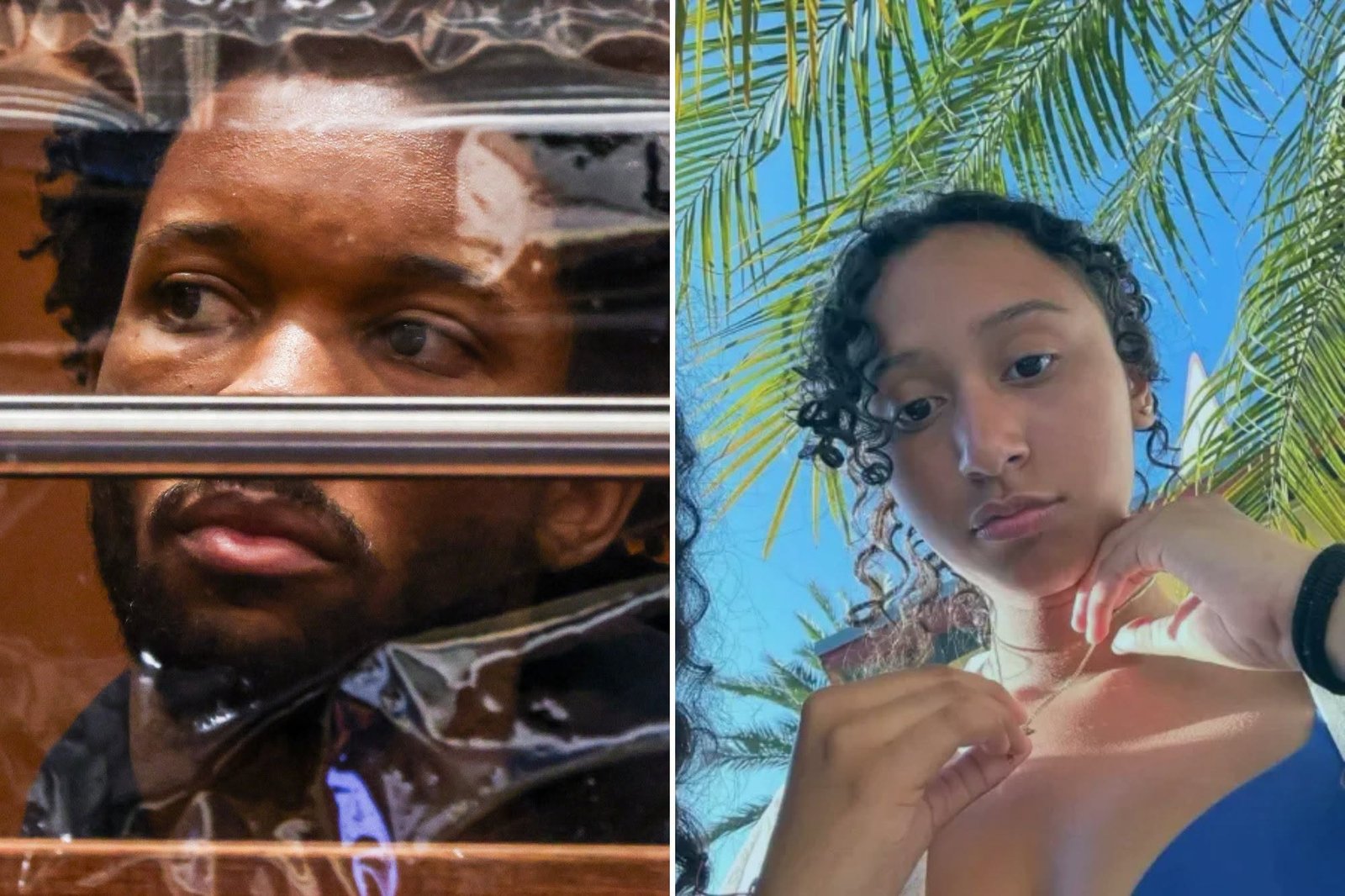
Singer D4vd has entered another major phase of his criminal case after his high-profile private defense team was allowed to withdraw and a Los Angeles County public defender took over his representation.
The development came during a Los Angeles court hearing on August 31, when the 21-year-old musician, whose legal name is David Anthony Burke, pleaded not guilty to the charges against him in the death of 14-year-old Celeste Rivas Hernandez.
Burke is accused of killing Celeste, sexually abusing her and unlawfully mutilating her remains. He has denied the allegations through his legal defense and remains presumed innocent unless proven guilty in court.
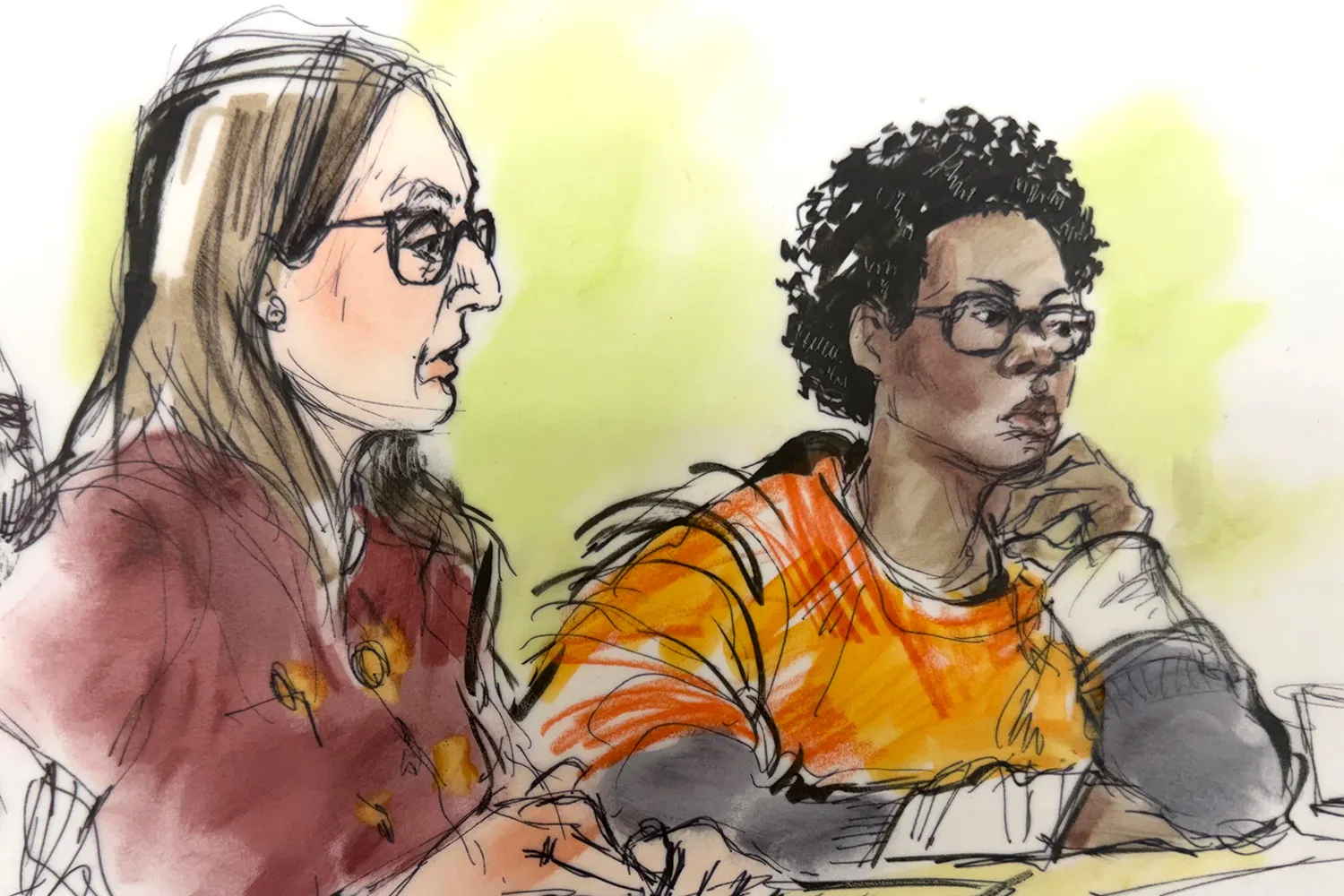
The change in lawyers was significant because Burke had previously been represented by a team of prominent private attorneys, including Blair Berk, Marilyn Bednarski and Regina Peter.
That team is now out of the case.
The court approved their withdrawal after determining that Burke qualified for court-appointed representation. Deputy Public Defender Walid Kandeel has taken over the defense. The former attorneys said in a statement that they continue to support Burke and his defense, but they did not publicly explain the circumstances behind their departure beyond the court’s determination regarding his eligibility for appointed counsel.
The switch has immediately created another point of controversy.
An attorney representing Celeste’s family is now questioning whether Burke should qualify for a publicly funded lawyer at all.
Questions over Burke’s finances
The dispute centers on Burke’s financial circumstances.
According to testimony reported in connection with the case, Burke earned at least $10 million between 2023 and 2025. His music career also generated substantial attention through streaming platforms, touring and commercial activity.
Yet the court determined that he qualified for appointed counsel.
That decision has prompted Patrick Steinfeld, an attorney representing Celeste’s family, to challenge the idea that Burke lacks the financial resources to pay for his own defense.
Steinfeld has alleged that Burke has assets connected to companies he controls and has raised questions about property and money that may have been transferred or otherwise placed outside his direct ownership.
Those claims have not been established as findings of the court. They are part of an emerging dispute over Burke’s financial eligibility for a public defender.
The issue is particularly striking because Burke became a major music success at a relatively young age.
His stage name, D4vd, became widely known through viral songs and streaming success, and his career had been growing rapidly before the criminal investigation dramatically changed the trajectory of his public life.
Now, instead of a celebrity defense team, his case is being handled by the Los Angeles County Public Defender’s Office.
The murder case itself has already advanced toward trial
The change in representation does not mean the underlying criminal case has been dismissed or reset.
A Los Angeles Superior Court judge already ruled in July that prosecutors had presented enough evidence for Burke to stand trial.
That decision followed a five-day preliminary hearing in which prosecutors presented testimony and evidence concerning Celeste’s death.
Judge Charlaine Olmedo found probable cause for the case to proceed on charges including first-degree murder, continuous lewd or lascivious acts involving a child under 14 and unlawful mutilation of human remains.
A probable-cause finding is not a determination that Burke is guilty.
It means the judge found sufficient evidence at that stage for the criminal case to continue toward trial.
Burke subsequently entered a new not-guilty plea at the August 31 arraignment.
He remains in custody without bail as the case moves forward. His next status conference is scheduled for October 19.
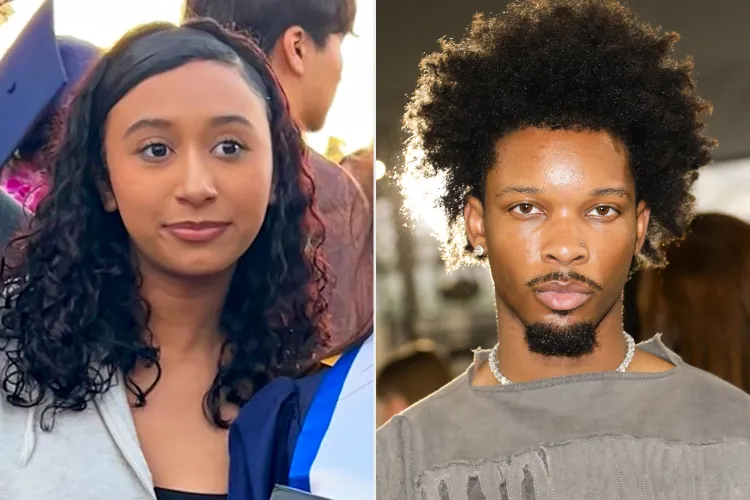
What prosecutors allege happened to Celeste
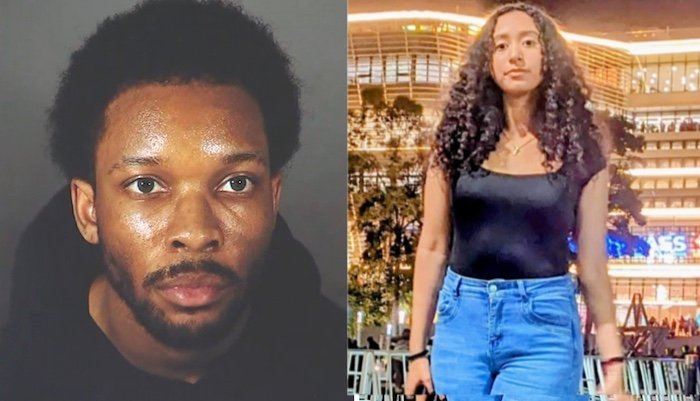
The charges stem from the death of Celeste Rivas Hernandez, whose remains were discovered in September 2025 inside the front trunk of a Tesla registered to Burke.
Prosecutors allege that Burke killed Celeste in April 2025.
Their theory is that the killing occurred after Celeste threatened to expose their alleged sexual relationship, which prosecutors say could have damaged Burke’s emerging music career.
Authorities have alleged that the relationship began when Celeste was much younger. According to prosecutors, Burke first made contact with her online when she was 11, and the relationship later became sexual when she was 13.
Prosecutors further allege that Burke stabbed Celeste and subsequently attempted to conceal what had happened.
During earlier proceedings, prosecutors presented evidence concerning the alleged disposal and mutilation of her remains, as well as purchases they say were connected to efforts to conceal the crime.
Those allegations are central to the prosecution’s case, but they remain allegations that will have to be tested at trial.
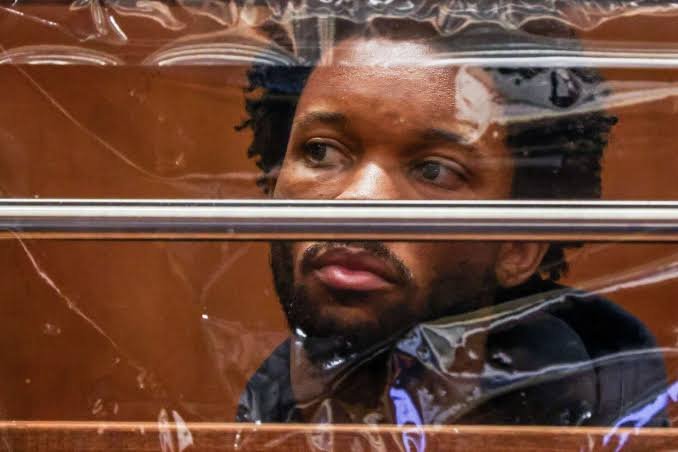
Evidence presented during the preliminary hearing
The preliminary hearing gave the public a much closer look at the evidence prosecutors say connects Burke to Celeste’s death.
According to reports from the proceeding, a medical examiner testified that Celeste suffered two penetrating injuries. However, the extensive decomposition of her remains prevented investigators from identifying the specific weapon that caused those injuries.
Prosecutors also presented evidence involving Burke’s garage, including biological material that investigators said matched Celeste’s DNA.
Other evidence discussed in court included an inflatable pool with cuts that prosecutors said were consistent with their theory of how Celeste’s remains were handled.
Investigators have also alleged that Burke purchased tools and other items under a different name after Celeste’s death. Prosecutors say those purchases included equipment they believe was connected to the alleged dismemberment and disposal of the body.
The defense, however, is entitled to challenge the prosecution’s interpretation of that evidence.
The preliminary hearing was not a trial, and the judge’s decision to send the case forward did not resolve whether Burke committed the crimes.
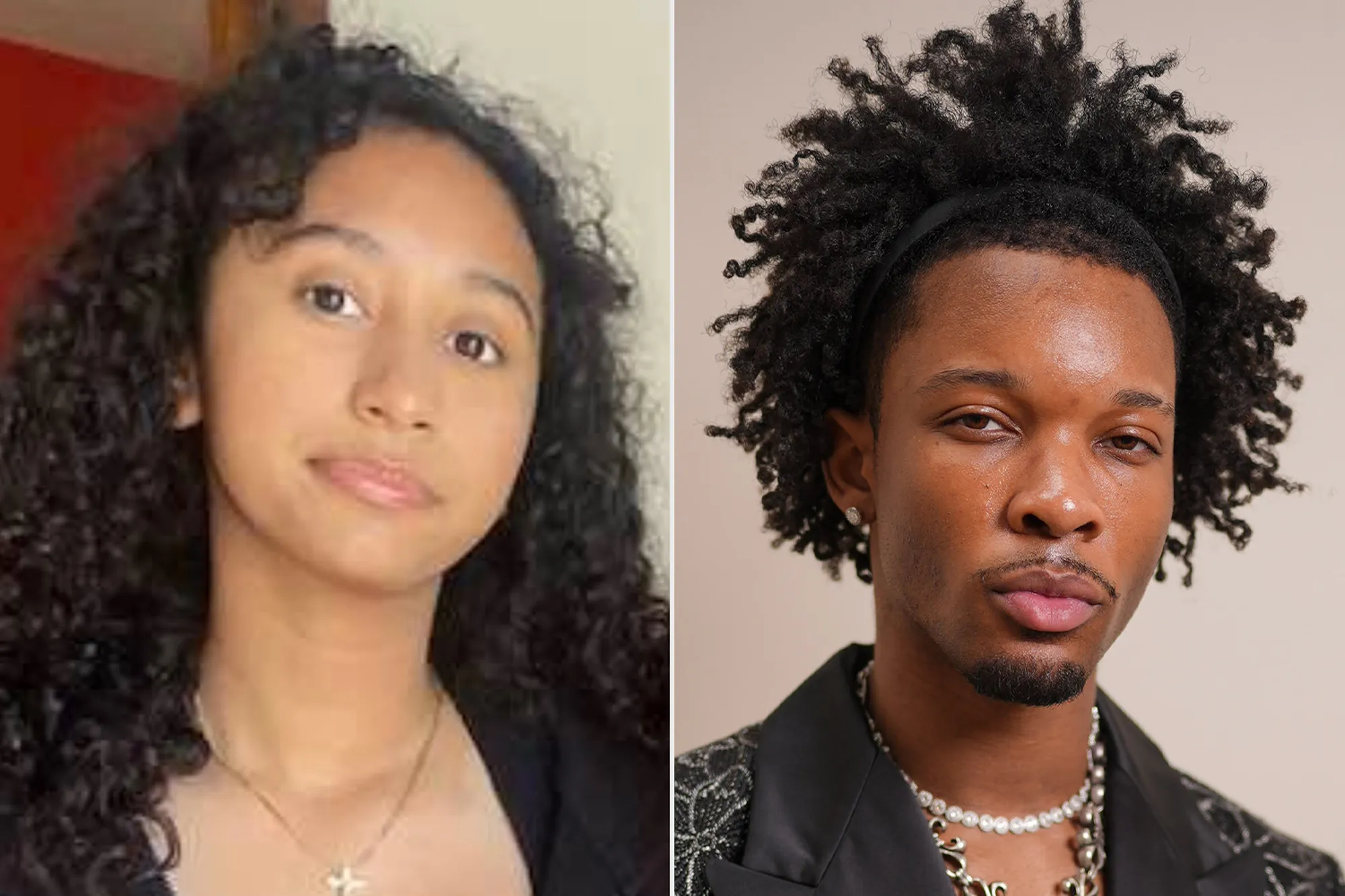
A case that has followed Burke’s career from its breakthrough
The allegations against Burke emerged after he had already built a significant following in the music industry.
His rise was fueled by streaming platforms and social media, with songs such as “Romantic Homicide” helping establish him as a young artist with an expanding audience.
The discovery of Celeste’s remains in his Tesla in September 2025 changed that trajectory dramatically.
Investigators initially treated the discovery as a homicide investigation. Burke was later identified as a suspect and eventually arrested and charged.
The case has since developed into one of the most closely watched criminal proceedings involving a young music celebrity.
But the focus is now moving away from the initial shock surrounding the investigation and toward the evidence prosecutors must prove in court.
The public defender controversy adds another layer
The latest development over Burke’s legal representation could become significant for a different reason.
Public defenders are appointed for defendants who meet the applicable financial eligibility requirements.
The court’s decision indicates that Burke was determined to qualify for such representation.
But the attorney for Celeste’s family is now challenging that premise, pointing to Burke’s reported earnings and business interests.
That dispute does not determine whether Burke is guilty of the criminal charges.
It also does not establish that Burke improperly concealed assets.
At this point, those issues are allegations and questions being raised about his financial circumstances rather than established findings.
The former defense team has also not publicly said that financial misconduct was the reason it left the case.
In fact, Burke’s former attorneys said only that the judge granted their withdrawal after determining he qualified for appointed counsel.
That leaves one important question still unresolved: exactly why the transition from one of the most prominent private defense teams available to a public defender became necessary at this stage of the case.
What happens next
For now, the criminal case continues.
Burke has pleaded not guilty.
The judge has already found sufficient evidence for the case to proceed to trial.
He remains in custody without bail, while the Los Angeles County Public Defender’s Office prepares to handle the next stage of his defense.
The next major court date is expected to be the October 19 status conference, when the court will address the progression of the case and the path toward trial.
Prosecutors still have the burden of proving every charge beyond a reasonable doubt.
For Burke, the change in legal representation marks a dramatic shift from the beginning of the case, when he was represented by a team of high-profile private attorneys.
For Celeste’s family, meanwhile, the latest development is another step in a case that began with the discovery of a teenage girl’s remains and has since raised questions about an alleged secret relationship, the circumstances of her death, the handling of her body and now the finances surrounding the defendant’s legal defense.
The case is not over.
The judge’s probable-cause ruling means it is moving closer to a trial, but no verdict has been reached.
And as Burke’s new public defender takes over, the next phase will be about what evidence can ultimately be admitted, how prosecutors prove their allegations and how the defense responds.
Until then, the most recent development is not a conviction or a final ruling.
It is a change in who will stand beside D4vd in court as one of the most serious cases of his life moves forward.