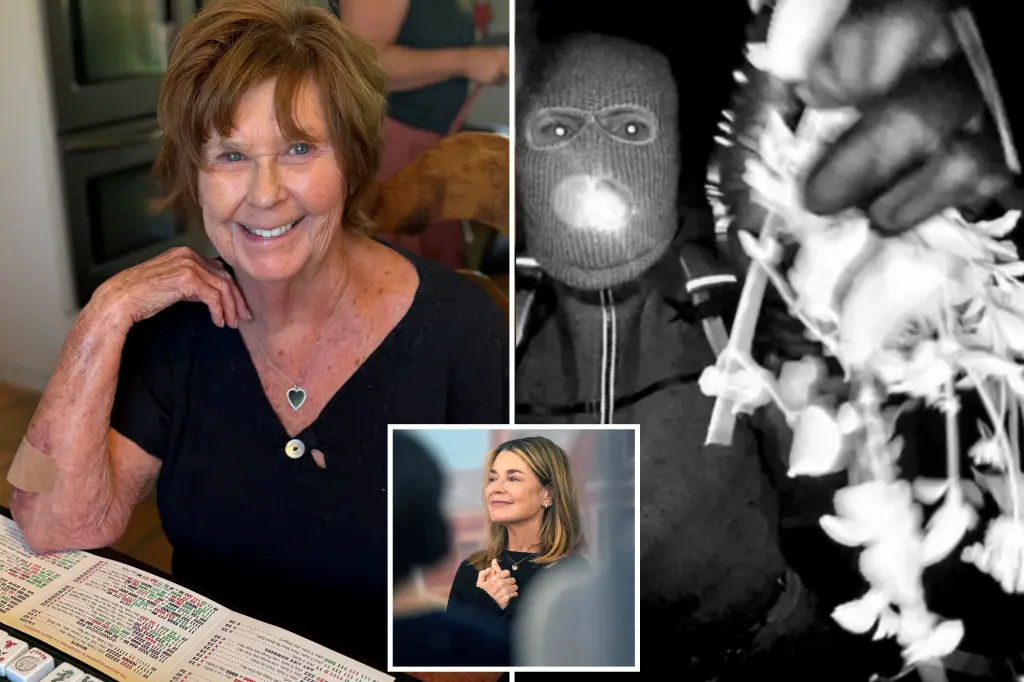
Six months after Nancy Guthrie vanished from her home in Tucson, Arizona, the investigation into the 84-year-old grandmother remains active but unresolved, with authorities still working through an enormous amount of forensic, digital and surveillance evidence in an effort to determine exactly what happened to her and identify the person or people responsible.
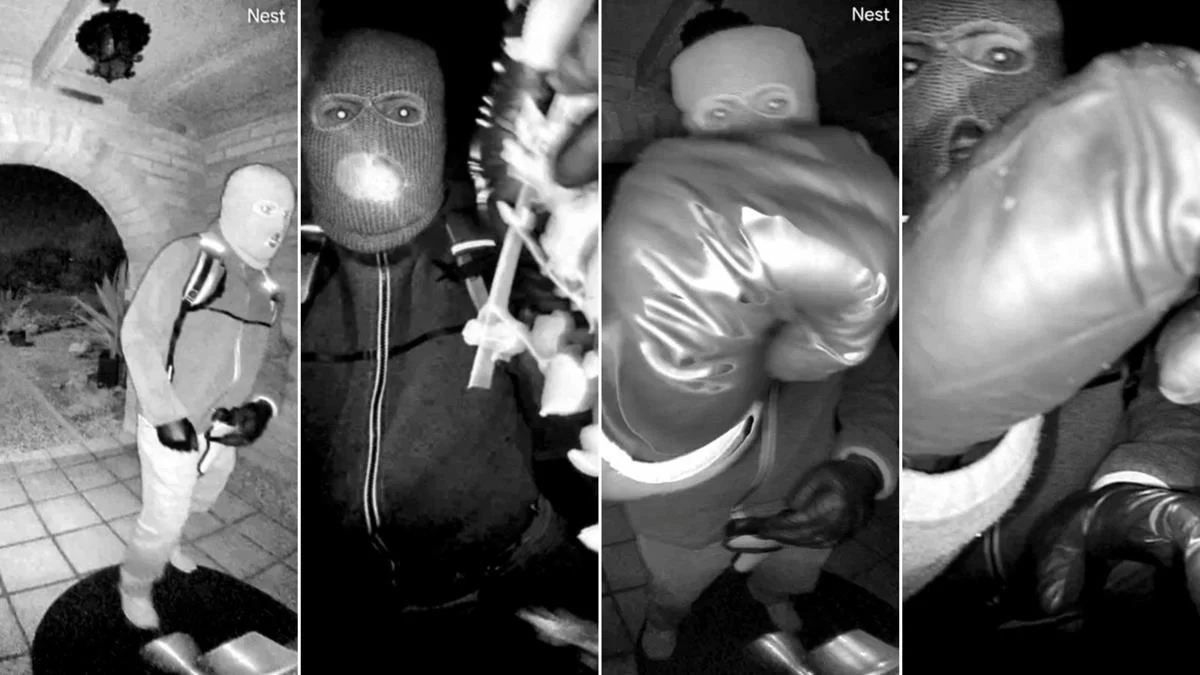
Guthrie, the mother of “Today” show co-host Savannah Guthrie, was last known to be at her home in Tucson’s Catalina Foothills on the night of January 31, 2026. Investigators believe she was abducted during the early morning hours of February 1. Surveillance footage captured an apparent masked individual near the residence, including video showing a person tampering with Guthrie’s doorbell camera. The FBI has described the individual as a man of average build, approximately 5 feet 9 inches to 5 feet 10 inches tall. Despite extensive investigative work, no suspect has been publicly identified or arrested.

As the six-month anniversary approached, Pima County Sheriff Chris Nanos acknowledged that investigators had not reached the breakthrough the family and public had been hoping for. At the same time, he stressed that the investigation had not stalled or been abandoned. A joint task force involving the Pima County Sheriff’s Department and the FBI remains involved, with investigators continuing to analyze DNA, digital information and video evidence gathered during the case.
The sheriff described the forensic work as complex and time-consuming, a reflection of the enormous amount of information investigators must process before they can determine whether a particular piece of evidence is meaningful. Rather than rushing to make an arrest based on incomplete information, authorities say they want to establish a case that can withstand scrutiny and avoid accusing the wrong person.
One of the clearest examples of how difficult the forensic process has become involves a hair recovered inside Guthrie’s home. Investigators initially hoped the hair might contain DNA capable of identifying an unknown person who had been inside the residence. The sample was sent for testing, including additional analysis through a California laboratory in cooperation with the FBI.

The result was disappointing. Investigators were unable to obtain a usable DNA profile from the hair, meaning it did not lead them to a suspect. Sheriff Nanos confirmed that the hair evidence had produced no results and that the finding had been verified in early June, although authorities did not publicly disclose the information until late July.
The hair was not the only forensic evidence under examination. Blood and other DNA material recovered at the scene have also been subjected to testing. Authorities have said that this evidence has not yet produced an identification of a suspect. The continuing analysis demonstrates why the investigation has taken so long: forensic material must be collected, processed, compared and interpreted before investigators can determine whether it can establish a connection to another person.
The surveillance evidence is another major component of the investigation. Footage obtained from the area around Guthrie’s home has helped investigators reconstruct the early-morning events surrounding her disappearance. The apparent intruder was seen wearing dark clothing and a mask and appeared to interfere with the doorbell camera. The footage has been repeatedly reviewed as investigators attempt to determine the person’s movements and identify characteristics that could eventually lead to an identification.
The investigation has also involved the review of digital evidence. Authorities have not publicly disclosed every category of digital material being examined, but officials have confirmed that digital evidence has been under analysis alongside DNA and video material. Investigators must determine which pieces of information are relevant, establish timelines and compare electronic records with physical evidence and witness accounts.
That process can be particularly demanding in a case involving a large amount of digital information. Investigators may need to examine communications, devices, surveillance systems and other electronic records while attempting to establish precisely when events occurred and who may have been present.
The disappearance also produced a series of ransom communications that have become a significant part of the investigation.
Two ransom notes were publicly released after authorities had withheld them for months. Investigators said they hoped the public might recognize the writer’s distinctive language, grammar or phrasing. The first communication reportedly demanded millions of dollars in Bitcoin in exchange for Guthrie’s return. The second message, sent several days later, claimed that Nancy had died and suggested that her death had not been intentional. Investigators have not publicly verified every claim contained in those communications, and the notes themselves do not establish what ultimately happened to Guthrie.

The decision to release the notes represented a change in investigative strategy. Instead of keeping the communications confidential, authorities are now asking members of the public to examine them for potentially recognizable patterns. Someone who knows the person responsible may recognize a particular expression, unusual spelling, sentence structure or way of communicating that investigators themselves would not necessarily identify.
The release appears to have generated additional attention and at least some increase in tips. Authorities have encouraged anyone with information to come forward, even if the information seems insignificant. In investigations of this nature, a seemingly minor observation can become important when combined with evidence already collected by detectives.
For the Guthrie family, however, the passage of six months has been devastating.
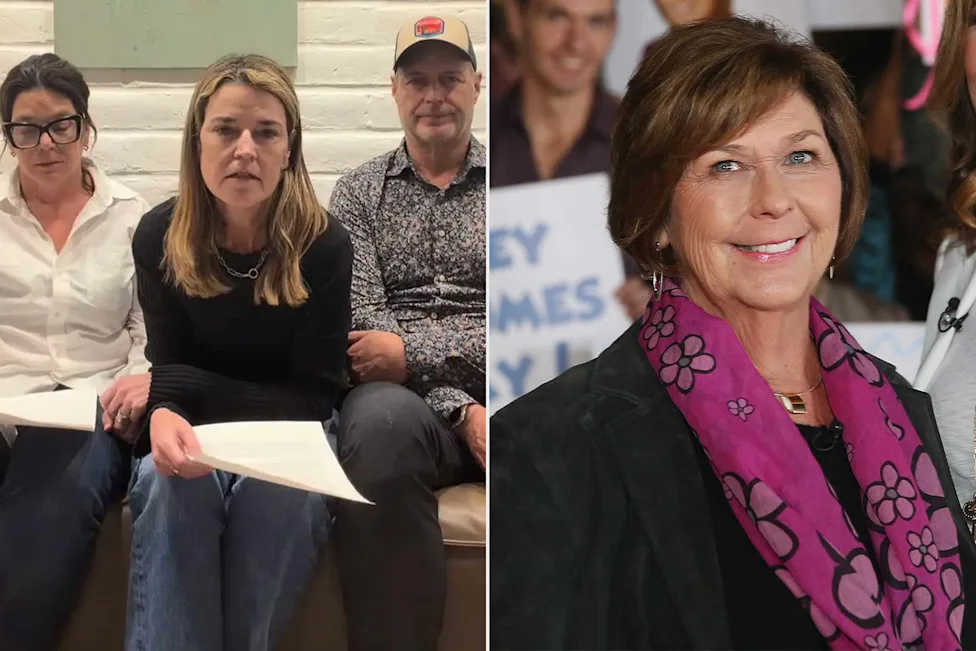
Savannah Guthrie has repeatedly spoken publicly about the disappearance of her mother and has continued asking anyone who knows what happened to Nancy to come forward. The family has also offered a substantial financial reward for information leading to Nancy’s recovery. The reward offered by the family is in addition to the federal reward announced by the FBI, bringing the potential total to more than $1 million.

Savannah has emphasized that the family remains desperate for information and continues to hope that Nancy can be found. Her public appeals have also been directed toward whoever may have taken her mother, urging that person to provide information about Nancy’s whereabouts.
The case has become increasingly complicated by questions about the early stages of the investigation. Recent reporting has raised concerns about how some evidence was initially handled and about the timing of certain investigative steps. Among the reported issues are questions surrounding the early treatment of blood evidence at the residence and delays involving certain investigative resources. These reports have generated criticism, although authorities have disputed or pushed back against aspects of the criticism.
The FBI’s role has also received scrutiny. Local and federal authorities have worked together on the case, but reports have described disagreements and tensions over how the investigation was initially handled and when federal resources became fully involved. The FBI has maintained that it provided assistance requested by local authorities, while other reports have raised questions about whether additional federal resources should have been deployed earlier.
Those disputes have added another layer of complexity to an investigation already facing enormous pressure. The disappearance of an elderly woman from her own home, the surveillance footage of an apparent intruder, the discovery of blood connected to Guthrie and the subsequent ransom communications have all contributed to the national attention surrounding the case.
Yet despite those clues, investigators still do not have the answer they need most.
They do not know where Nancy Guthrie is.
They also have not publicly established exactly what happened inside the home during the period surrounding her disappearance or where she was taken afterward. The ransom messages contain claims about her fate, but authorities have not recovered Nancy’s remains and have not publicly confirmed the claim that she died.
That distinction is crucial. Investigators may believe certain communications are significant without accepting every statement contained in them as fact. Likewise, a piece of forensic evidence can be important to a case even when it ultimately fails to identify a suspect. The inconclusive hair sample is an example: investigators considered it potentially useful, tested it and ultimately learned that it could not provide the DNA profile they needed.

Forensic investigations often progress through precisely this process of elimination. Some evidence confirms what investigators already know. Some evidence rules out possible explanations. Some evidence produces nothing. And occasionally, a seemingly insignificant piece of information becomes the key that connects an otherwise incomplete case.
The challenge is especially difficult when investigators are dealing with evidence that is months old.
Digital information can be deleted or overwritten. Surveillance systems may retain only limited periods of footage. Physical evidence can deteriorate. Weather can alter outdoor environments. Witness memories can change over time. Investigators therefore have to preserve what remains while attempting to reconstruct events that happened months earlier.
At the same time, authorities must be careful not to allow public pressure to push the investigation toward an unsupported conclusion.
The desire for an arrest is understandable, particularly for a family that has spent months waiting for answers. But identifying the wrong person would potentially damage the investigation and could make it more difficult to determine what actually happened. That is why Sheriff Nanos has emphasized the importance of careful analysis rather than rushing to announce a suspect simply because investigators face intense public pressure.
There is also the possibility that the person responsible has already left the Tucson area. Investigators have not publicly identified a suspect, and authorities continue to ask the public to provide information that could help establish who was near Guthrie’s home at the relevant time.
The absence of an arrest does not necessarily mean investigators have stopped making progress. In a case involving large amounts of forensic and digital material, months can pass while evidence is being processed. At the same time, the lack of a public breakthrough means the family remains without the certainty it desperately wants.
The public release of the ransom notes therefore represents one of the most visible attempts to generate a new lead. Authorities are essentially asking the community to become another investigative resource. A person who recognizes the writing could potentially provide a name. A person who recognizes a phrase could help investigators identify a social connection. Even someone who remembers an unusual conversation or behavior around the time of Guthrie’s disappearance could provide information that becomes important when combined with existing evidence.
The investigation is now moving beyond the six-month mark, but officials continue to insist that the case remains active.
That message is particularly important for the Guthrie family. Six months without an answer can make a case feel increasingly distant to the public, but for the family, every day represents another day without knowing where Nancy is.
The circumstances surrounding her disappearance remain extraordinary. An 84-year-old woman disappeared from her own home in the middle of the night. Surveillance footage captured an apparent masked individual near the residence. Blood evidence was recovered and confirmed to belong to Nancy, yet forensic testing has not produced an identified suspect. A hair sample that investigators hoped could provide a DNA lead proved inconclusive. Digital and video evidence continues to be analyzed. And ransom communications have introduced additional claims without resolving the mystery.
Taken together, those facts explain why investigators describe the case as both complex and time-intensive.
The next breakthrough could come from forensic testing, digital evidence, surveillance analysis, a new witness or information generated by the public release of the ransom letters. It could also come from someone who has remained silent for months and finally decides to speak.
For now, authorities are continuing to follow those possibilities.
Nancy Guthrie remains missing. No suspect has been publicly arrested or charged in connection with her disappearance. The investigation remains a joint effort involving the Pima County Sheriff’s Department and the FBI, and officials continue to encourage anyone with information to contact investigators.
Six months after Nancy vanished, the case has not reached the conclusion her family has been waiting for. But investigators say the evidence is still being examined, the leads are still being pursued and the search for answers has not ended.
For Savannah Guthrie and the rest of Nancy’s family, that commitment is more than an investigative statement. It is the hope that somewhere within the mountains of DNA results, digital records, surveillance footage, witness accounts and other evidence, there is still a piece of information capable of revealing what happened to Nancy Guthrie and finally bringing an end to the uncertainty that has consumed her family for more than half a year.
How clever they must be!
Who was the last person(s) that interacted with this lady? It is more than evident these persons are after her house and money.
You are probably right, R. Arsuaga! Such a sad storyline 😢 with one clusterf*ck after another…
My gut tells me that whoever took Nancy Guthrie from her home knew her, and I still don’t trust some family members… Stay tuned!