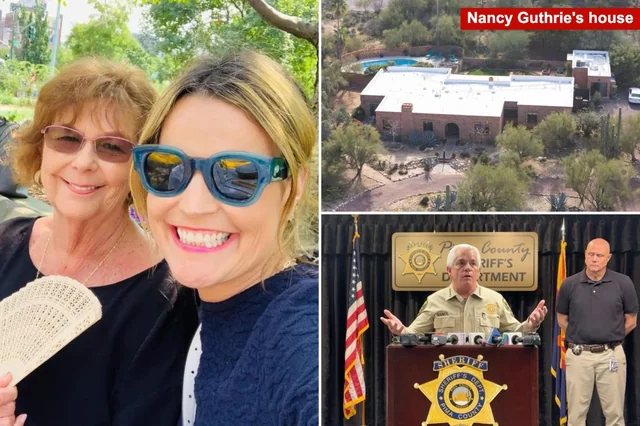
Six months after Nancy Guthrie vanished from her home in Arizona, investigators have released two ransom notes that offer radically different accounts of what happened to the 84-year-old grandmother. The letters have introduced new details into a case that has remained unsolved for months, while also raising difficult questions about whether the messages were written by the people responsible for Guthrie’s disappearance or were intended to mislead investigators.
Guthrie, the mother of NBC “Today” co-host Savannah Guthrie, was last known to be at her home in the Catalina Foothills area of Tucson on the night of January 31, 2026. She was reported missing the following day after family members became concerned when she failed to appear for a planned church livestream. Investigators quickly determined that the circumstances were not consistent with an ordinary missing-person case and began treating the residence as a crime scene.

Authorities have said they believe Guthrie was taken from her home against her will. Evidence recovered at the residence, together with surveillance footage showing a masked individual near the property, led investigators to pursue the case as a suspected abduction. Guthrie was an elderly woman with limited mobility and relied on daily medication, making her disappearance particularly concerning to investigators and her family.
The first ransom communication was sent to KOLD-TV in Tucson on February 2, only days after Guthrie disappeared. The writer claimed to have Guthrie and demanded millions of dollars in cryptocurrency in exchange for her release. The message reportedly began by telling Savannah Guthrie that her mother was in the sender’s possession and described a proposed ransom exchange.
The demand initially called for $4 million in Bitcoin and warned that the amount would increase if the family failed to comply. According to investigators, the ransom would eventually rise to $6 million. The writer threatened that Nancy’s life depended on the family following the instructions and claimed that she could be returned to a safe location in Tucson if the ransom was paid.
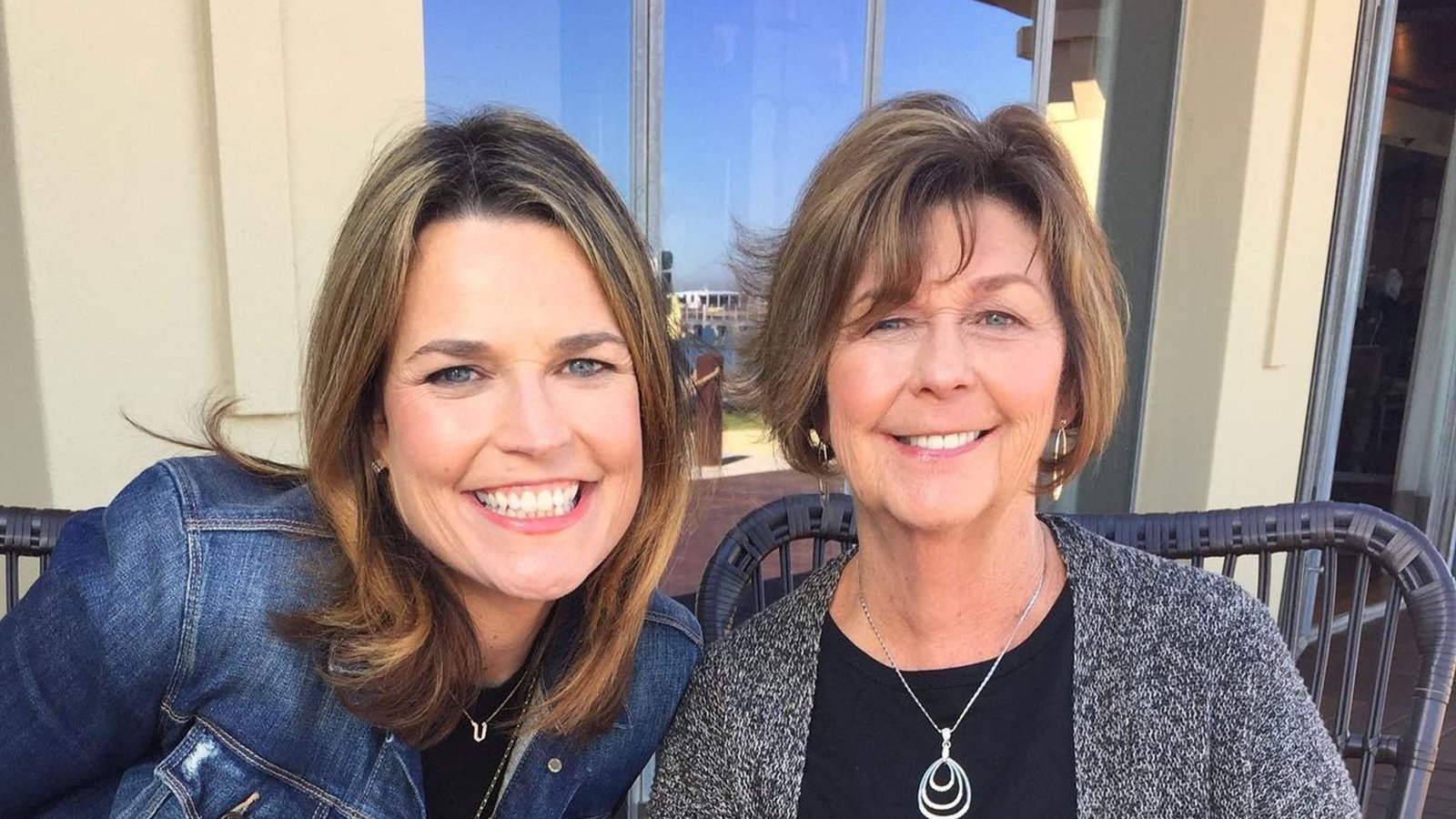
What made the first letter particularly significant was that it contained information about Nancy’s home that investigators believed was not widely known. The communication referred to her white Apple Watch and mentioned the condition of a floodlight on the back porch. Those details caused investigators to take the message seriously because they appeared to connect the writer to information associated with Guthrie and her residence.
The second note, sent several days later on February 6, was dramatically different in tone. Instead of demanding money for Nancy’s safe return, the writer claimed that she had died shortly after being abducted.
According to the message, the writer said that the people involved had not understood the seriousness of Nancy’s physical condition and claimed that her death had not been intentional. The letter attributed her death to a possible heart-related problem and said that her body had been left “in nature.”
That claim has never been independently confirmed.
Nancy Guthrie has not been found, and authorities have not publicly established that she is dead. No remains or burial location connected to the second letter have been publicly identified. Investigators therefore continue to treat the statement in the letter as information that must be investigated rather than as an established fact.
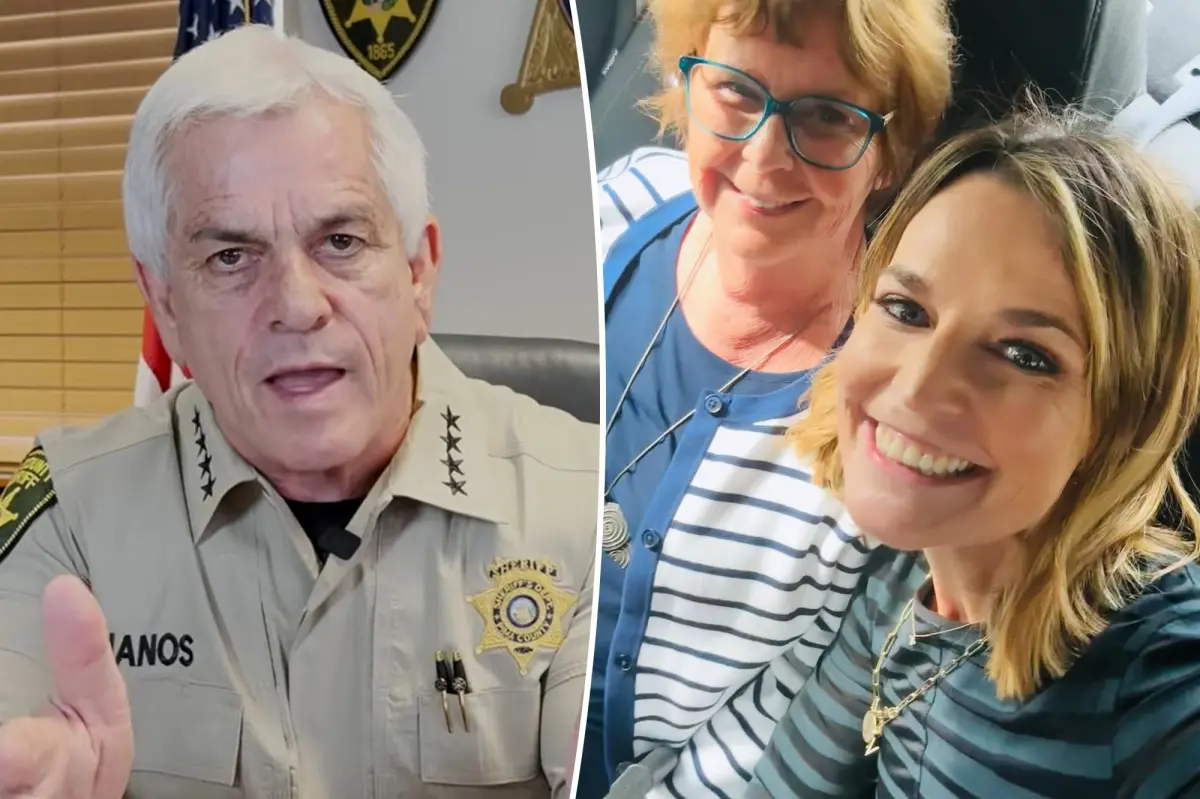
The two letters have become particularly important because investigators believe their wording could potentially help identify whoever wrote them. Rather than releasing the documents simply to provide an update to the public, the Pima County Sheriff’s Department said it hoped someone might recognize the writer’s distinctive language, phrasing or writing habits.
Investigators are looking beyond the basic content of the letters. Linguistic characteristics can sometimes provide clues about a person’s background or identity, including unusual word choices, sentence construction, spelling habits and repeated expressions. Someone who has known the writer for years could potentially recognize those characteristics even if the handwriting itself is unfamiliar.
That is one reason authorities decided to release the communications after keeping them out of public view for months.
The sheriff’s department has said investigators have seen a slight increase in tips since the letters were made public. Officials have indicated that the new information is being followed up rather than simply collected and ignored. Whether any of those tips will ultimately lead to a breakthrough remains unknown, but investigators are hoping that someone who recognizes the writing will come forward.
The release of the letters also comes with a significant complication: not every communication connected to the case has been considered genuine.
Reuters previously reported that the FBI determined three other messages connected to the investigation were bogus. That distinction is important because investigators have received multiple communications from people claiming to have knowledge of Nancy’s disappearance. Authorities have therefore had to determine which messages might contain legitimate information and which were attempts to deceive investigators, exploit the family’s suffering or attract attention.

The two February ransom notes are being treated differently from those messages. Investigators familiar with the case have said the two letters are believed to be connected to one another, and sources have indicated that they may have been written by the person or people responsible for taking Guthrie. Both notes were sent using the same IP address, according to CBS News.
Even so, the public release of the letters does not prove who wrote them.
The possibility that the notes could be deceptive has also attracted attention from forensic experts. Some specialists have noted that criminals may deliberately provide contradictory information to confuse investigators, create a false trail or manipulate a victim’s family. A person who was not directly involved in the disappearance could also potentially attempt to exploit a major investigation by pretending to possess inside information.
That means investigators must examine not only what the letters say but also whether the claims can be independently verified.
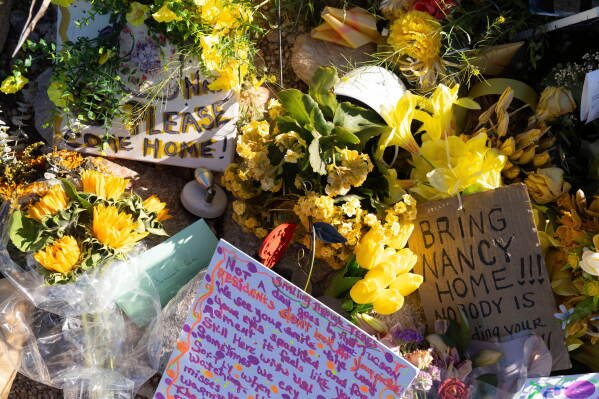
For Nancy’s family, the emotional impact of the second letter is especially difficult. For months, they have lived without knowing whether she is alive. A message claiming that she died might appear to provide an answer, but without physical evidence it does not provide the certainty that a grieving family needs.
Savannah Guthrie has repeatedly appealed to whoever may have information about her mother’s disappearance to come forward. On the six-month anniversary of Nancy’s disappearance, she again urged people who know something to speak with investigators, emphasizing that there is still an opportunity for someone involved to provide information that could bring the family closer to the truth.
The Guthrie family has also offered a reward of up to $1 million for information leading to Nancy’s recovery. Combined with the FBI’s reward, the total potential reward has reached approximately $1.2 million.
The reward is another indication of how much importance investigators and the family place on obtaining information from the public. In a case with few publicly known answers, a witness who remembers a vehicle, a conversation, a suspicious behavior or a particular phrase could potentially provide investigators with a critical lead.
The circumstances surrounding the original disappearance remain central to the investigation.
Surveillance footage recovered by investigators showed a masked person near Guthrie’s residence during the early morning hours after she was last seen. The individual appeared to interfere with the home’s doorbell camera. Investigators later recovered footage from the system that showed the person wearing dark clothing and apparently carrying an object believed to be a weapon.
Authorities have also said forensic evidence recovered from the home connected blood found at the residence to Nancy Guthrie. Her personal belongings remained behind, and investigators have repeatedly stated that they do not believe she voluntarily left the house.
Those findings led authorities to move quickly from a missing-person search to a criminal investigation.
The FBI became involved, and investigators conducted searches, reviewed surveillance footage, examined digital information and followed numerous tips. Despite the extensive effort, Nancy has not been located.
The investigation has also faced criticism over the handling of the case during its early stages. Recent reporting has raised questions about the experience of some local investigators and the relationship between the Pima County Sheriff’s Department and federal authorities. Those reports have contributed to renewed scrutiny of the investigation and increased public pressure for answers.
Sheriff Chris Nanos has maintained that the case remains active and that investigators have not stopped looking for Nancy or for the person responsible for her disappearance.
The sheriff has also explained that releasing the ransom notes was a deliberate investigative decision. Authorities believe that somebody in the community may recognize the language used by the writer. Even a seemingly insignificant observation could potentially become useful if it can be independently verified.
The case has attracted enormous national attention largely because of Savannah Guthrie’s public profile, but investigators have emphasized that Nancy’s disappearance is being treated as a serious criminal case independent of her daughter’s celebrity status.
For the Guthrie family, the most important unanswered question is still where Nancy is.
The first ransom letter claimed that she was alive and demanded millions of dollars for her return. The second claimed that she died shortly after being taken and that her body was left somewhere in nature. Those two accounts cannot both describe Nancy’s condition at the same point in time, and neither has been independently verified.
That contradiction could ultimately prove important.
If the letters were written by the person responsible for Nancy’s disappearance, the changing story could reveal something about the writer’s intentions, emotional state or understanding of the investigation. If the second letter was deliberately fabricated, investigators may eventually be able to determine why someone wanted the family to believe Nancy was dead.
Either way, the wording could contain clues.
Forensic psychologists and investigators have emphasized that criminals sometimes reveal more than they intend through the way they communicate. The vocabulary they choose, the details they emphasize, the threats they make and even the way they attempt to reassure a victim’s family can provide investigators with information about their mindset.
But experts also caution that such analysis must be combined with hard evidence.
A linguistic clue is not the same as DNA. A suspicious phrase is not the same as a confirmed identification. And a statement in a ransom letter cannot establish Nancy Guthrie’s fate without corroborating evidence.
That distinction is especially important in a case that has generated intense speculation online.
Social media users have proposed theories about possible suspects, motives and locations, but authorities have not publicly charged anyone in connection with Nancy’s disappearance. Speculation should not be treated as fact, particularly when the investigation remains active and individuals may be falsely accused.
As of August 17, Nancy Guthrie remains missing. No public arrest has been announced in connection with her disappearance, and authorities have not publicly confirmed the claim that she died after being abducted.
What investigators do have is an expanding collection of evidence: surveillance footage, forensic findings, digital information, witness accounts, public tips and now the two ransom letters that have been placed before the public.
The latest development is therefore less about the letters providing an immediate answer and more about opening another avenue for investigators.
Someone may recognize the writing.
Someone may recognize the language.
Someone may remember hearing a particular phrase.
Someone may know why the writer referred to an Apple Watch or the home’s floodlight.
And someone may know what happened to Nancy Guthrie after she disappeared from her home.
Six months into the investigation, those possibilities remain open.
The public release of the ransom letters cannot guarantee a breakthrough. The messages could ultimately prove to be misleading, incomplete or even deliberately deceptive. But investigators believe there is enough potentially distinctive information in them to justify asking the public for help.
For Savannah Guthrie and the rest of Nancy’s family, however, the goal is much simpler than solving a linguistic puzzle or determining whether a ransom demand was genuine.
They want their mother back.
Until Nancy is found and the circumstances of her disappearance are established through evidence, the case remains unresolved. The ransom letters have added disturbing claims and new questions, but they have not yet provided the definitive answer that the Guthrie family has been waiting for since January.
The investigation continues, and authorities are now hoping that somewhere in those words is the clue that finally leads them to the person who knows what happened to Nancy Guthrie.
I have followed this case since the beginning, and keep hoping it can still be solved.
No closure without a body, and that is extremely difficult for those who know and love her.