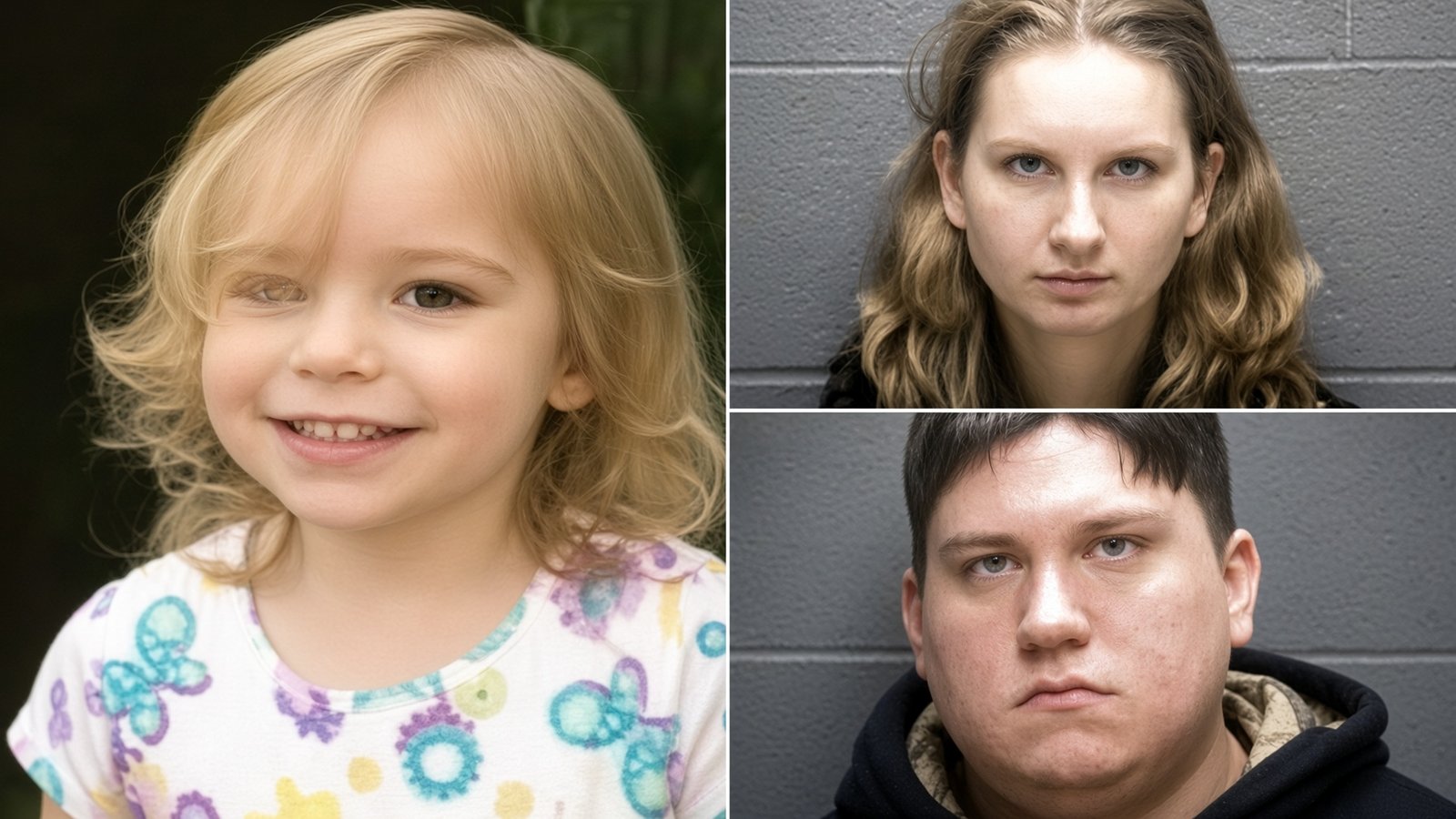
For weeks, investigators in Texas had a heartbreaking mystery on their hands.
A young child had been found in Galveston Bay, but no one knew her name.
There was no identification to immediately tell police who she was or where she had come from. The little girl became known publicly as “Baby Grace,” a name that would remain connected to one of Texas’ most closely followed child investigations.
What followed was a nationwide effort to identify her — and eventually, a connection made by a grandmother who recognized something familiar in a forensic reconstruction.
The child was later identified as Riley Ann Sawyers, a two-year-old girl from Ohio.
Her story would ultimately lead investigators back to her mother and stepfather, and both would eventually receive life sentences for capital murder.
A little girl far from home
Riley Ann was born on March 11, 2005, in Mentor, Ohio.
Her parents were Robert Sawyers and Kimberly Dawn Trenor. During Riley’s early years, the family lived with Robert’s mother, Sheryl Sawyers, who played an important role in caring for the child.
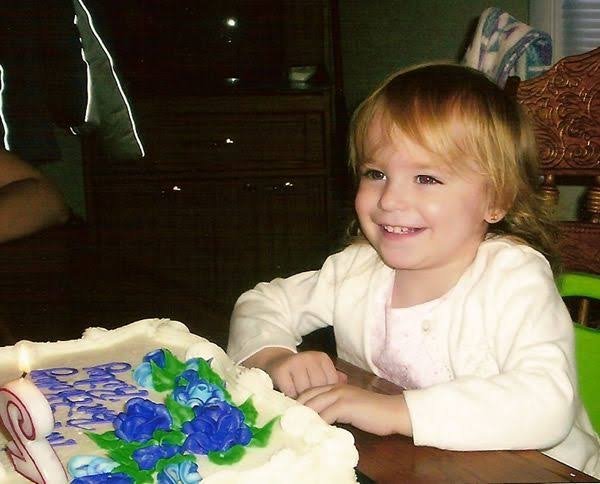
Riley’s parents eventually separated.
In 2006, Trenor and Riley moved away from the family home. The following year, they relocated to Spring, Texas.
Trenor later married Royce Clyde Zeigler Jr. on June 1, 2007.
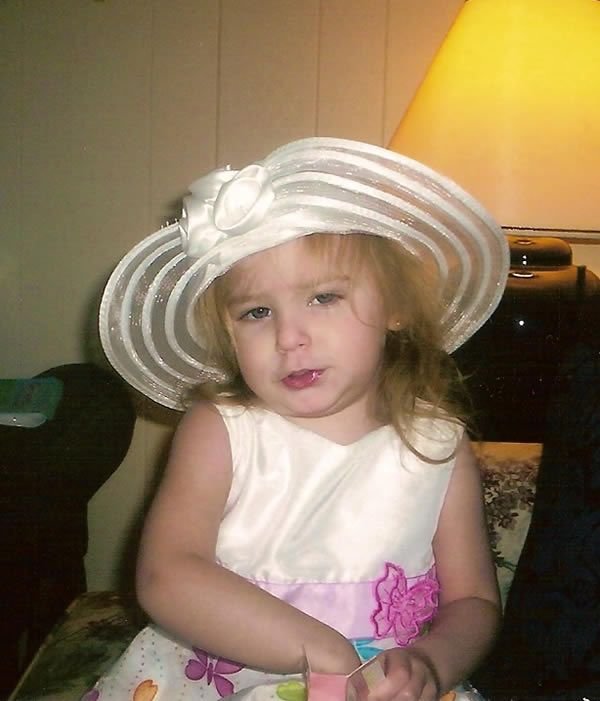
Riley was only two years old.
At the time, no one outside the family could have known that her name would soon become the subject of a nationwide search.
The discovery in Galveston Bay
On October 29, 2007, a fisherman made a discovery in Galveston Bay that immediately drew the attention of investigators.
A plastic container had been found in the water.
Inside were the remains of a young child.
Authorities were able to determine that the child had suffered severe injuries, but identifying her proved much more difficult.
Investigators did not have a name.
They did not have a confirmed family.
And they did not know where she had come from.
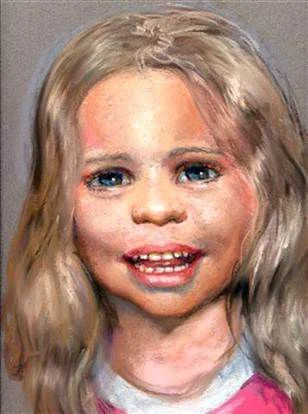
Because of the condition of the remains, investigators turned to forensic artist Lois Gibson, who created a facial reconstruction intended to show what the child may have looked like while alive.
The image was released publicly in hopes that someone would recognize her.
The unidentified child was given the name “Baby Grace.”
The investigation was no longer limited to Galveston County. Authorities and members of the public across the country were now looking for information that could finally give the child her identity.
A grandmother recognizes something familiar
The breakthrough came when Riley’s paternal grandmother, Sheryl Sawyers, saw the forensic reconstruction online.
Something about the image made her think of her granddaughter.
Sheryl knew that Riley had been living with her mother in the Houston area, and she had not seen the little girl for several months.
She contacted authorities and told them she believed “Baby Grace” could be Riley.
Investigators then worked to determine whether the connection was correct.
DNA testing ultimately confirmed the identity on November 30, 2007.
The little girl who had been known only as “Baby Grace” finally had her name back.
She was Riley Ann Sawyers.
That identification changed the investigation.
Instead of searching for the family of an unidentified child, authorities could now begin reconstructing Riley’s final months and determining what had happened after she left Ohio.
The investigation moves closer to home
Once Riley was identified, investigators focused on her mother and stepfather.
According to court records and evidence later presented during the trials, investigators learned more about the family’s circumstances in Texas.
Authorities also obtained statements that described the treatment Riley had allegedly received before her disappearance.
The case eventually centered on Kimberly Dawn Trenor and Royce Clyde Zeigler Jr.
Trenor later gave investigators a videotaped statement and signed affidavit describing what she said happened to Riley on July 24, 2007.
According to the evidence summarized in court records, the couple had subjected the child to physical punishment that escalated far beyond ordinary discipline.
Trenor maintained that what happened had not been intended to result in Riley’s death, describing it as discipline that had gone too far.
Investigators, however, built a case around the circumstances surrounding Riley’s injuries and the subsequent efforts to conceal what had happened.
The effort to hide Riley
After Riley suffered the injuries that ultimately ended her young life, investigators said the adults responsible did not immediately contact authorities.
Instead, evidence presented in the case showed that a plastic storage container was purchased and Riley was placed inside.
The container remained hidden for a period of time before being transported to Galveston Bay.
Investigators later connected those actions to the evidence-tampering charges filed against the couple.
The case therefore involved not only what happened inside the home, but also the subsequent attempt to keep authorities from discovering Riley’s identity and circumstances.
That effort ultimately failed.
The discovery in Galveston Bay, the forensic reconstruction, a grandmother’s recognition and DNA testing brought investigators back to the people closest to Riley.
The trials
Both Trenor and Zeigler were eventually arrested and prosecuted in Texas.
Their cases proceeded separately.
Trenor’s trial took place in early 2009.
On February 2, 2009, a jury found her guilty of capital murder.
The jury deliberated for approximately 90 minutes before reaching its verdict.
She was sentenced to life in prison without the possibility of parole.
Zeigler faced his own capital murder trial later that year.
On November 6, 2009, a jury found him guilty.
Because prosecutors did not seek the death penalty, he received an automatic sentence of life imprisonment without the possibility of parole.
He was also convicted in connection with evidence tampering.
The convictions brought a legal conclusion to the case, although Riley’s story had already left a lasting impression on the community.
A name returned to a little girl
For several weeks, the public knew Riley only as “Baby Grace.”
The name was created because investigators had no way of immediately telling the world who she was.
But her grandmother’s decision to contact police changed that.
DNA provided the final confirmation.
Riley was no longer an unidentified child in a Texas investigation.
She was Riley Ann Sawyers, a two-year-old girl from Mentor, Ohio, with a family who had been searching for answers.
Her remains were eventually returned to Ohio, and she was laid to rest at Mentor Municipal Cemetery.
In March 2008, the Hitchcock City Commission in Texas also named a small area “Riley’s Island” in her memory.
Why the Baby Grace case remains remembered
The Riley Ann Sawyers case became widely known because of the unusual path investigators had to follow before they could even learn the child’s name.
The investigation did not begin with a missing-person report identifying Riley.
It began with an unidentified child.
A fisherman made the initial discovery.
A forensic artist helped create an image.
The public was asked to look.
And eventually, a grandmother recognized her granddaughter.
That sequence transformed the investigation.
The case also demonstrated how forensic identification can give a name back to someone who might otherwise remain unidentified, while showing the importance of family members who are willing to come forward when something feels familiar.
More than anything, Riley’s story is remembered through the identity that was eventually restored to her.
For a time, she was simply known as “Baby Grace.”
Today, she is remembered by her real name:
Riley Ann Sawyers.
Her story began with a question that investigators could not answer — Who is this child?
It was ultimately a grandmother who helped provide the first crucial answer.
And once Riley’s name was known, investigators were able to uncover the circumstances surrounding her final days, bring the adults responsible before a court and secure life sentences for both.
The case remains one of the most remembered child investigations in Texas, not simply because of the circumstances surrounding it, but because of the determined effort to make sure an unidentified little girl was eventually given back her name.