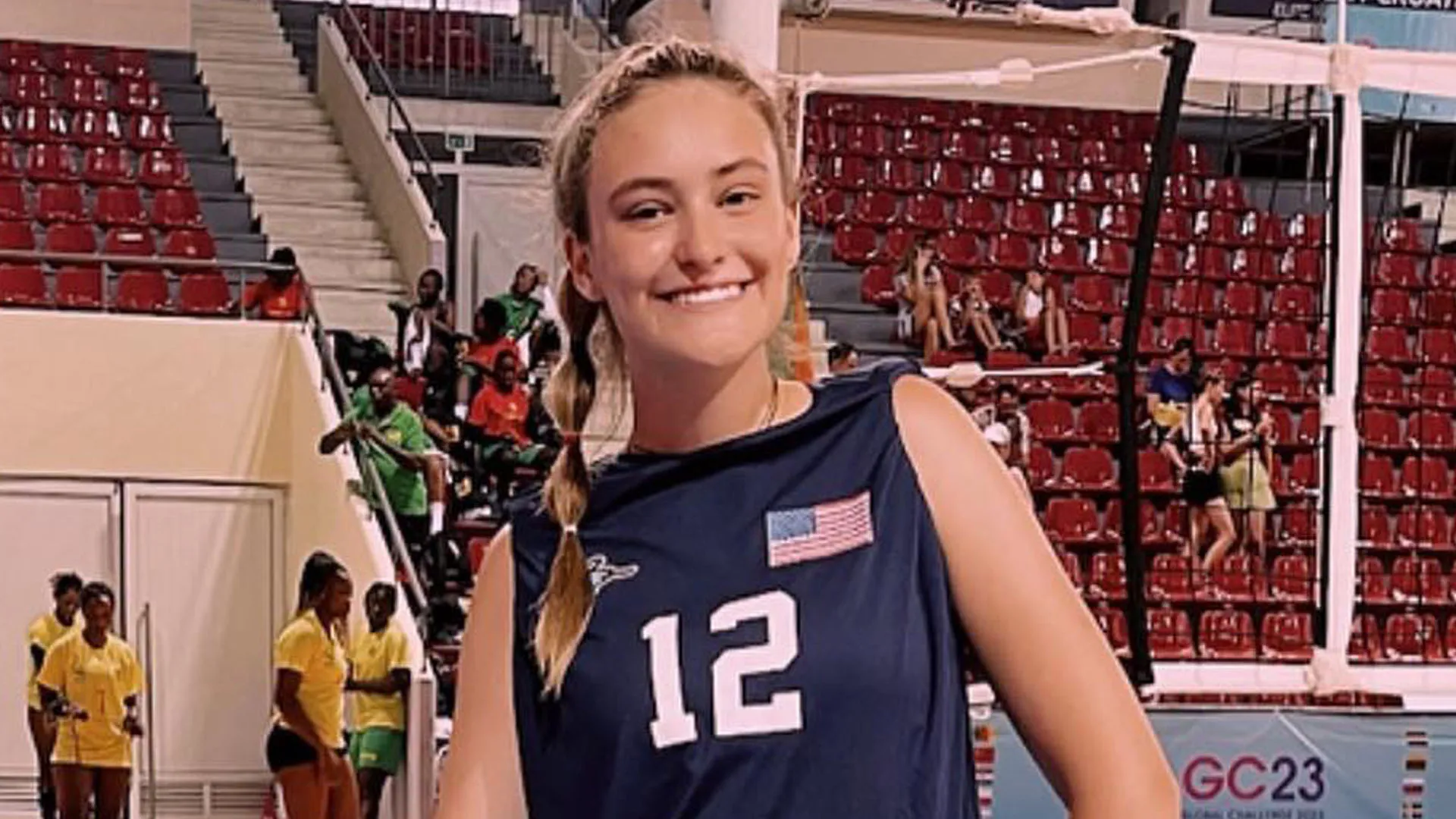
Amanda Mack had just begun what was supposed to be another exciting chapter in her volleyball career.
The 20-year-old had transferred to the College of the Holy Cross in May 2026, joining the Crusaders with plans to continue both her academic and athletic journey. She had already built an impressive résumé at the high school and college levels and was looking forward to putting on the Holy Cross jersey.
Instead, a sudden medical crisis changed those plans within weeks.
Mack was diagnosed with severe aplastic anemia, a rare and serious blood disorder, after becoming critically ill during the summer. Her family announced on September 17 that she had passed away the previous evening, September 16, at 9:16 p.m. She was 20.
The news came only about two months after Mack first told her followers that she was facing a major health challenge.
A sudden change in her health
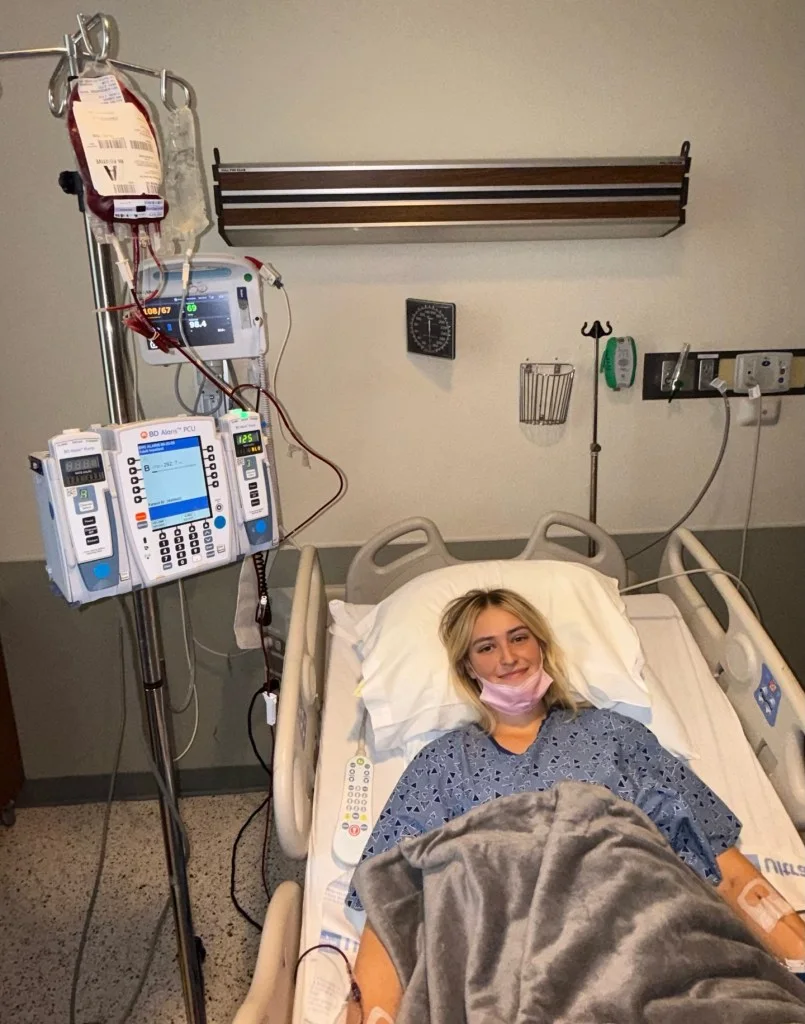
In July, Mack shared an update from the hospital, explaining that she had unexpectedly become very ill.
She said she had awakened one morning with a severe headache and eventually lost consciousness. When she arrived at the hospital, her blood counts were critically low, and doctors determined that she needed blood and platelet transfusions.
At first, doctors were concerned that she might have leukemia.
After two bone marrow biopsies, however, they determined that she had severe aplastic anemia.
Aplastic anemia occurs when the bone marrow does not produce enough new blood cells. Because blood cells are essential for carrying oxygen, fighting infections and controlling bleeding, severe cases can become life-threatening and require intensive treatment.
Mack said her doctors believed a recent virus may have triggered an abnormal immune response that damaged her bone marrow.
She also revealed that she had undergone two emergency surgeries because of complications from the condition.
Despite everything happening around her, Mack continued sharing updates with the people following her journey.
She was still looking toward recovery
In August, Mack remained focused on the possibility of getting better.

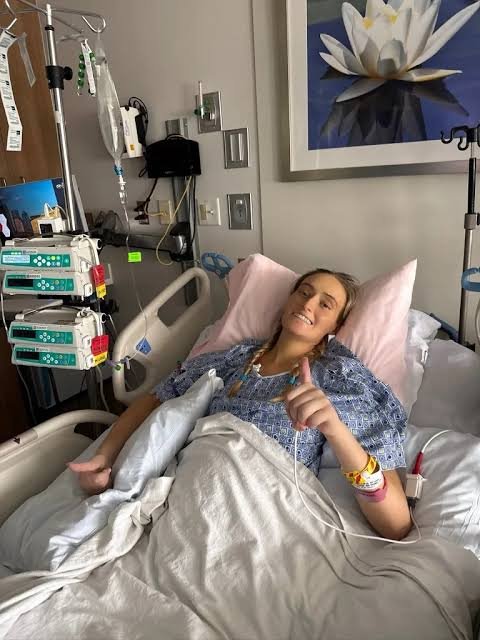
She had been admitted to Tampa General Hospital and was preparing for treatment that included immunosuppressive therapy and a planned bone marrow transplant.
On August 14, she posted an encouraging update after completing her immunosuppressive therapy.
Mack said she had experienced only minimal adverse reactions and was hoping to return home soon so she could begin physical therapy and continue her recovery.
She remained optimistic about the future and spoke about returning to the life she had been building before becoming ill.
That optimism became one of the defining parts of the story her family and friends have since shared.
A volleyball career that was still taking shape
Long before her medical diagnosis, Mack had established herself as a highly regarded volleyball player.
She grew up in Bradenton, Florida, and attended IMG Academy, where she continued developing as an athlete.
Her accomplishments included two Under Armour Next MVP selections, two District MVP awards and a nomination for USA Today High School Sports Player of the Year in 2022. She was also selected for the Under Armour Next All-America Game.
Mack began her college career at the University of Cincinnati before transferring to Eastern Kentucky University.
During her season at Eastern Kentucky, she appeared in 29 matches and started 26 of them. She recorded 204 kills, along with 57 digs and 26 total blocks.
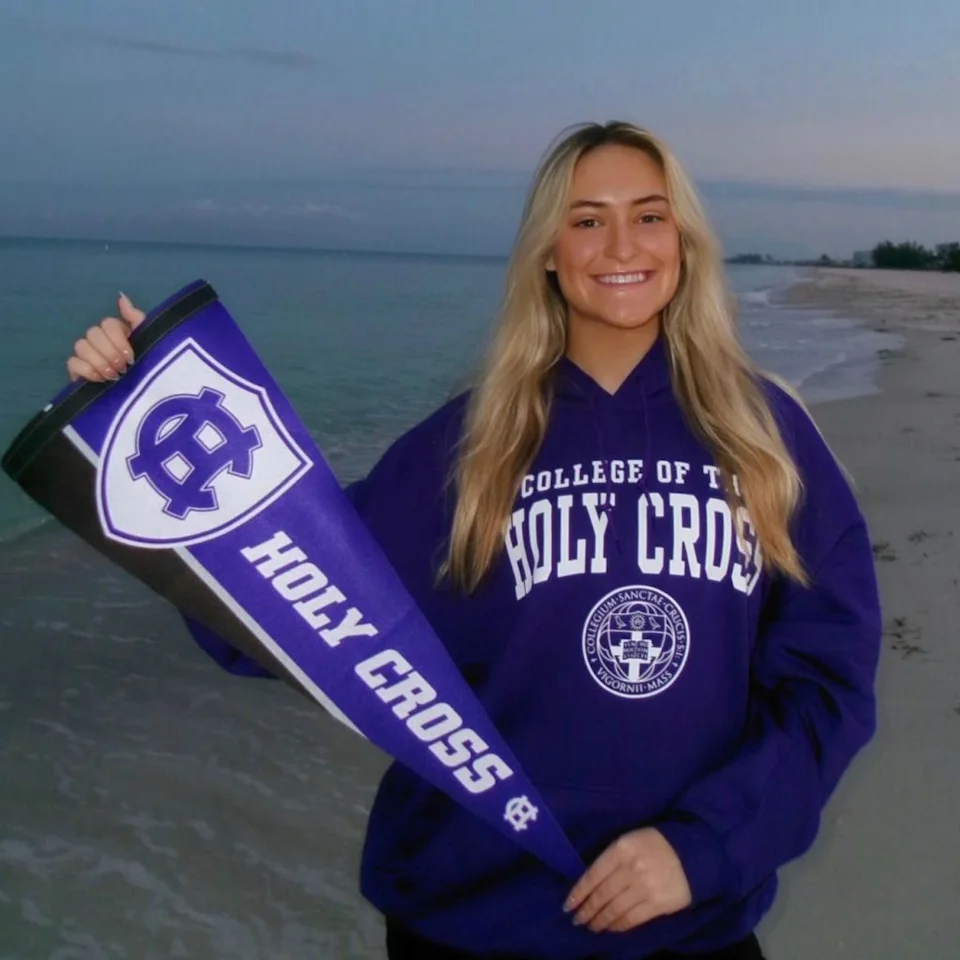
Then came another move.
In May, Mack announced that she would continue her academic and athletic career at Holy Cross.
She was excited about the opportunity and shared the news with her followers, describing the move as a new beginning.
But although she officially enrolled at Holy Cross, her illness prevented her from joining the volleyball team on campus for the start of the season.
Holy Cross remembers a player who never got her chance
Holy Cross Athletics announced Mack’s passing on September 18, describing her as a recruited member of the volleyball program who had enrolled at the college during the summer.
Head coach Matthew Cribbin said Mack had been enthusiastic about joining the program and had worked hard to achieve her goals.
The coach also said she had been looking forward to wearing the Holy Cross jersey and helping create something memorable with the team.
The college said Mack’s illness had been an enormous challenge, but that she continued looking forward to eventually returning to her team.
The volleyball program has since announced plans to honor Mack during its matches.
A moment of silence was scheduled before Holy Cross volleyball matches against American on September 18 and Navy on September 19, as well as before the school’s football game on September 19.
The college also planned a Mass in her honor on September 21.
Tributes from the volleyball community
The response from people who knew Mack has focused heavily on her personality away from the court.
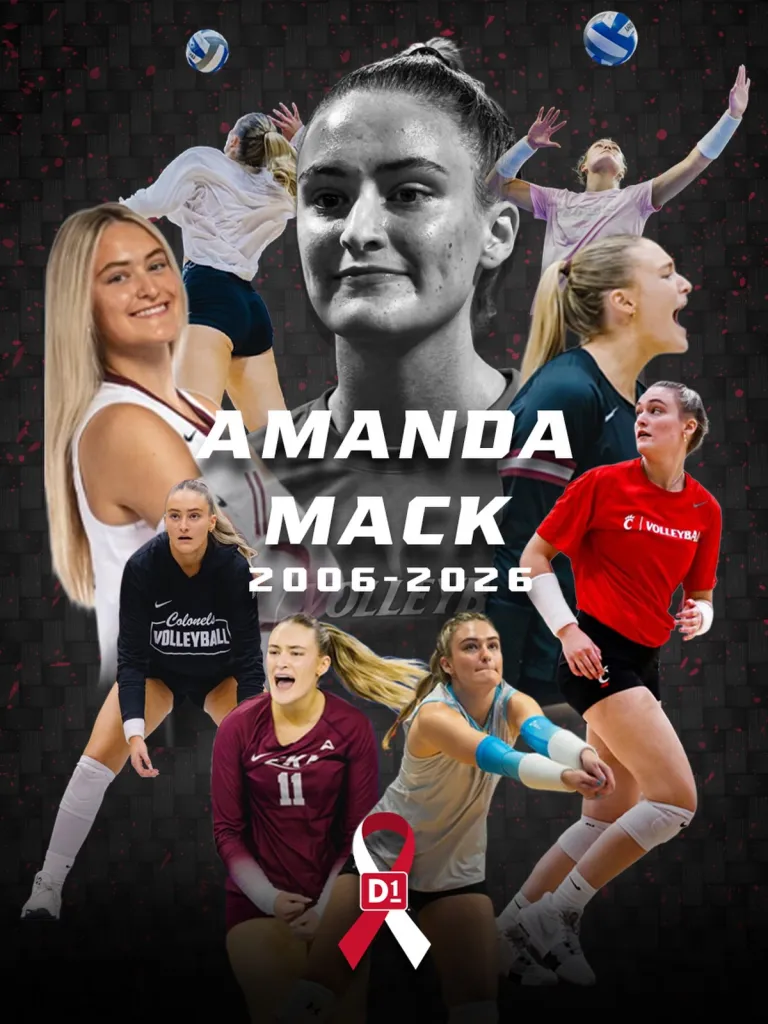
D1 Training Hardin Valley, where Mack had trained for years, described her as someone who brought positive energy into the gym and left an impression on the people around her.
Former teammates, coaches and friends have also shared messages remembering her athletic ability, enthusiasm and personality.
Cincinnati volleyball also expressed its condolences to Mack’s family, friends and teammates following the news.
Those tributes offer another perspective on Mack’s story.
For many people in the volleyball community, she was not simply a talented player. She was someone they had watched grow through different stages of the sport, from youth competition to high school volleyball and then into college.
Her move to Holy Cross was supposed to be the next step.
A story that changed in just weeks
What makes Mack’s story particularly striking is how quickly her circumstances changed.
In May, she was celebrating a new college opportunity.
By July, she was explaining a serious medical diagnosis to her followers from a hospital bed.
In August, she was still posting hopeful updates about treatment and a possible return home.
By September, her family was announcing that her journey had come to an end.
Throughout those weeks, Mack continued to communicate openly about her treatment, allowing friends, teammates and supporters to follow her progress.
Her messages also showed how much she wanted to look beyond the illness and return to the things she loved.
What severe aplastic anemia means
Severe aplastic anemia is a rare condition in which the bone marrow does not make enough blood cells. It can cause severe anemia, increased vulnerability to infection and problems with bleeding.
Treatment can involve blood transfusions, medications that suppress the immune system and, for some patients, a stem-cell or bone marrow transplant.
Mack’s own account indicated that doctors believed a recent viral infection may have triggered an immune response affecting her bone marrow. That was her medical team’s explanation as she understood it; the precise cause of aplastic anemia can vary between patients.
Her treatment had included immunosuppressive therapy, and she had been preparing for a transplant.
Despite those efforts, her family announced that she passed away on September 16.
A young athlete remembered beyond the scoreboard
Amanda Mack’s college volleyball career was still in its early stages.
She had already accomplished a great deal before reaching Holy Cross, but she had also been looking toward what could come next.
She had transferred schools, entered a new academic environment and hoped to compete at another level.
She never got the opportunity to play an official match for the Holy Cross volleyball team.
But the program has made clear that her place within the team did not depend on whether she ever stepped onto the court.
Holy Cross said Mack will be remembered as part of its volleyball family, and the team plans to carry her memory throughout the season.
For the people closest to Amanda, her story now extends beyond volleyball statistics and awards.
It is the story of a young woman who faced an unexpected medical crisis, continued to share hopeful updates during treatment and remained focused on the possibility of returning to the life she loved.
Her family, teammates, coaches and friends are now remembering that determination as they navigate her loss.
And at Holy Cross, the jersey she was hoping to wear will instead carry a different meaning — a reminder of a player who arrived with big plans, faced an extraordinary medical challenge and left a lasting impression on the people who had the opportunity to know her.