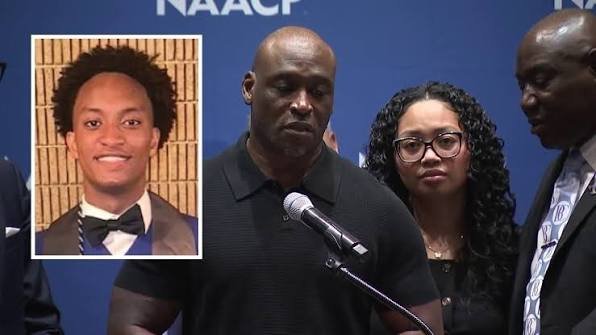
The investigation into what happened to 18-year-old Nolan Wells during a Fourth of July trip to Mississippi’s Horn Island has reached a major legal turning point.
After reviewing months of investigative material, a Jackson County grand jury determined that there was not enough evidence to bring criminal charges against anyone connected to the trip.
The panel also concluded that the circumstances surrounding the discovery of Wells’ body were consistent with drowning, although the official cause and manner remain listed as undetermined by medical examiners.
The findings were released Monday after the grand jury reviewed witness testimony, forensic information, cellphone records, GPS data, photographs, videos and other evidence gathered during the investigation.
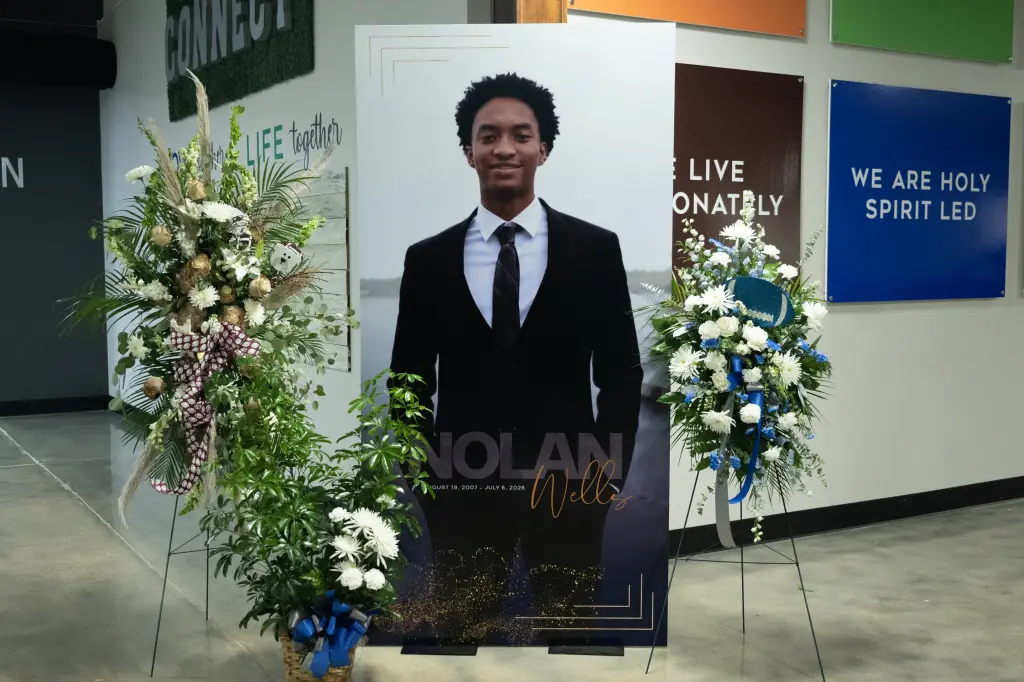
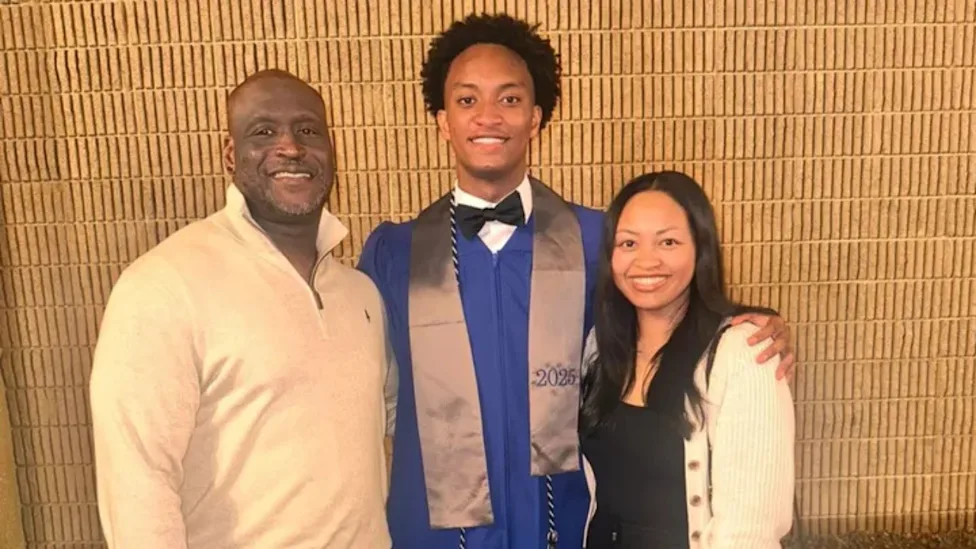
Wells, an 18-year-old Black college student and football player, had traveled to Horn Island with friends during the July Fourth holiday.
The island is located roughly 10 miles off the Mississippi Gulf Coast.
According to investigators, Wells was last seen on July 4. His friends later returned toward the mainland while Wells remained on the island. His body was discovered in the water near Horn Island on July 6.
The circumstances surrounding his disappearance quickly attracted widespread attention, particularly online.
Questions circulated about why Wells remained behind, why his phone eventually returned to the mainland and what happened during the hours before he was located.
Those questions eventually became part of a much larger investigation.
What the grand jury reviewed
The Jackson County grand jury consisted of 23 people and heard testimony from 43 witnesses.
Investigators presented physical evidence, digital records, law-enforcement reports, interviews, videos, images, maps and cellphone information.
The panel also reviewed information from an independent forensic examination arranged by Wells’ family.
According to the grand jury report, the investigation involved 132 subpoenas and an extensive review of evidence connected to the boats that traveled to and from the island.
The three boats identified in the investigation were the Triton, Palm Beach and Tideline.
After reviewing the available evidence, the grand jury concluded that there was no credible evidence showing that people aboard those boats had engaged in criminal conduct connected to what happened to Wells.
The panel ultimately returned a “no true bill,” meaning no indictment was issued.
That does not mean every question surrounding the case has been answered. It means the grand jury did not find sufficient evidence to support criminal charges based on the material presented to it.
The drowning finding
One of the most significant findings concerned the circumstances in which Wells was discovered.
The grand jury said the position, condition, timing of the discovery and location of Wells’ body were consistent with drowning.
At the same time, both the Mississippi State Medical Examiner’s Office and an independent forensic pathologist hired by Wells’ family had listed the cause and manner as undetermined.
The grand jury report described drowning as a conclusion reached through the available evidence and noted that neither forensic expert ruled out accidental drowning.
This distinction is important.
The latest findings do not amount to a medical determination that every detail surrounding Wells’ final moments is known.
Instead, the grand jury concluded that the evidence available to investigators was consistent with drowning and did not establish a criminal act.
What about the injuries?
Another part of the investigation involved bruising discovered on Wells’ body.
The grand jury found bruising on the back of his head, as well as suspected bruising involving his shoulder and buttocks.
However, the panel determined that the injury to the back of his head was not fatal and found no evidence of a fatal injury or an underlying organic disease.
The report also said investigators could not establish exactly how the bruising occurred.
One witness provided investigators with an important account.
The witness said they saw Wells slip awkwardly from the side of a boat around 3:30 p.m. on July 4.
However, the witness could not say with certainty whether Wells struck his head during the fall.
According to the testimony, Wells continued socializing afterward and did not appear to be injured.
The grand jury said it could not determine whether that fall caused the bruising later observed on his body.
What investigators learned about the people with Wells
The investigation also addressed one of the biggest questions surrounding the case: what happened after Wells remained on the island?
According to the grand jury report, Wells chose to stay behind after the boat he arrived on left.
The panel found that remaining on Horn Island while other people returned to the mainland was not unusual, particularly during holidays and busy days.
Investigators also found that Wells was not the only person whose phone or personal belongings traveled back to the mainland without them.
That finding was significant because online speculation had focused heavily on the fact that Wells’ phone returned with other people.
The grand jury concluded that this circumstance was not, by itself, evidence of suspicious conduct.
The panel also found no evidence that Wells was involved in a physical altercation or argument on July 4.
Addressing the racial-motivation claims
The case received national attention in part because of questions about whether race played a role in what happened.
Wells was Black, while some of the friends who traveled with him were white.
As the investigation continued, theories spread online suggesting that racial factors may have been involved.
The grand jury found no evidence supporting those claims.
Jackson County District Attorney Angel Myers McIlrath said there was “absolutely no evidence” that Wells’ disappearance or his death were racially motivated.
She also emphasized that the people who traveled with Wells had been subjected to accusations that investigators found unsupported by the evidence.
The grand jury specifically addressed the online narrative surrounding the group and said the allegations against people connected to the boats were not supported by the evidence presented.
The investigation into the boats
The grand jury also reviewed what happened with the boats during the July Fourth trip.
According to the report, the Triton experienced mechanical problems involving its bilge pump and motor and was taking on water.
The Tideline helped tow it a short distance while a passenger manually held the motor trim button.
Investigators also reviewed GPS information and security footage.
The grand jury said those records supported the accounts given by people aboard the boats.
The panel found no evidence that the people involved had engaged in criminal activity connected to Wells’ disappearance.
What about alcohol and toxicology?
The grand jury also examined information about substances.
The report said Wells had purchased alcohol using a fake identification card before the trip.
Investigators found no evidence that an adult over the legal drinking age had supplied alcohol to Wells or his friends on July 4.
The panel also found no evidence that Wells had cocaine in his system or had used cocaine.
However, investigators cautioned that the toxicology results were limited because of decomposition and the difficulty of obtaining reliable substance levels from certain postmortem samples.
Wells’ family continues to seek answers
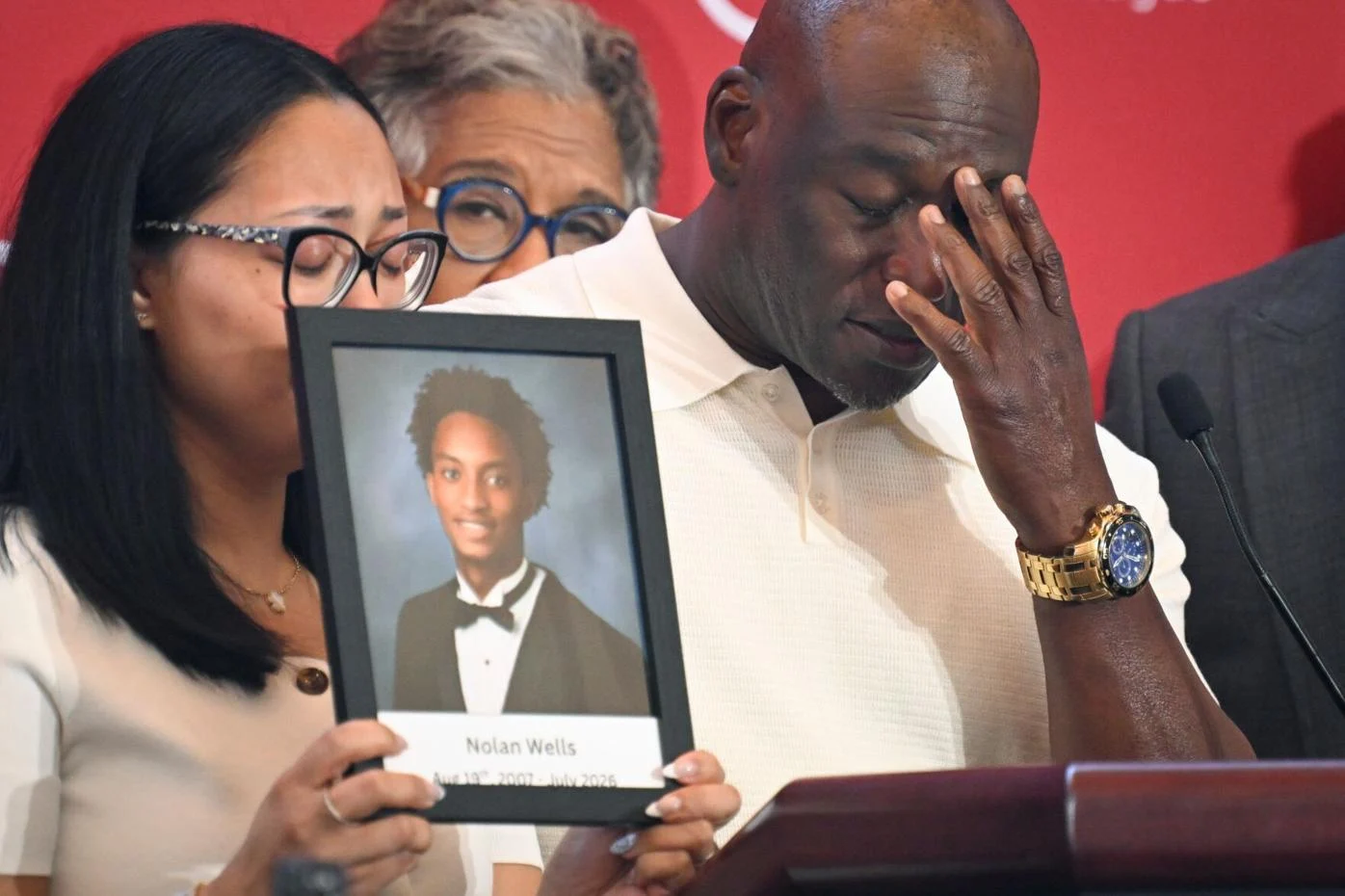
Despite the grand jury’s findings, the case remains emotionally difficult for Wells’ family.
Their legal team has previously questioned aspects of the investigation and sought additional forensic review.
Attorney Ben Crump, who represents the Wells family, criticized the grand jury’s conclusion after it was released and said the family still has unanswered questions.
The family’s independent forensic examination was also considered during the grand jury process.
According to the grand jury report, the independent pathologist was given access to investigative materials and had the opportunity to review the available evidence.
The disagreement between the official findings and the family’s continuing concerns is an important part of the story.
The grand jury has concluded that there is not enough evidence for criminal charges, while the family has indicated that it still wants a fuller understanding of what happened to Nolan.
The case is not necessarily closed forever
Although the grand jury returned a no true bill, Mississippi law does not impose a statute of limitations on homicide cases.
The grand jury report specifically noted that if credible evidence later emerges suggesting that Wells’ death was not accidental, the matter could be presented to a Jackson County grand jury again.
That means the latest decision closes the current criminal charging process, but it does not prevent authorities from examining genuinely new evidence in the future.
For now, however, investigators have not announced criminal charges against anyone connected to the July Fourth trip.
The grand jury’s conclusion is that the available evidence does not establish criminal conduct and that the circumstances surrounding the discovery of Wells’ body are consistent with drowning.
For Nolan’s family, the search for clarity may continue even as the legal investigation reaches this stage.
And for the broader community, the case serves as a reminder of how quickly unanswered questions can spread when a young person’s disappearance receives intense attention online.
The latest official findings provide a clearer picture of what investigators believe the evidence shows — while also acknowledging that some details surrounding Nolan Wells’ final hours cannot be established with absolute certainty.
For now, no one has been indicted in connection with the case, and authorities have not presented evidence establishing that another person caused Wells’ fatal outcome.
The investigation remains documented through the grand jury report, and any future development would depend on credible new evidence emerging.