
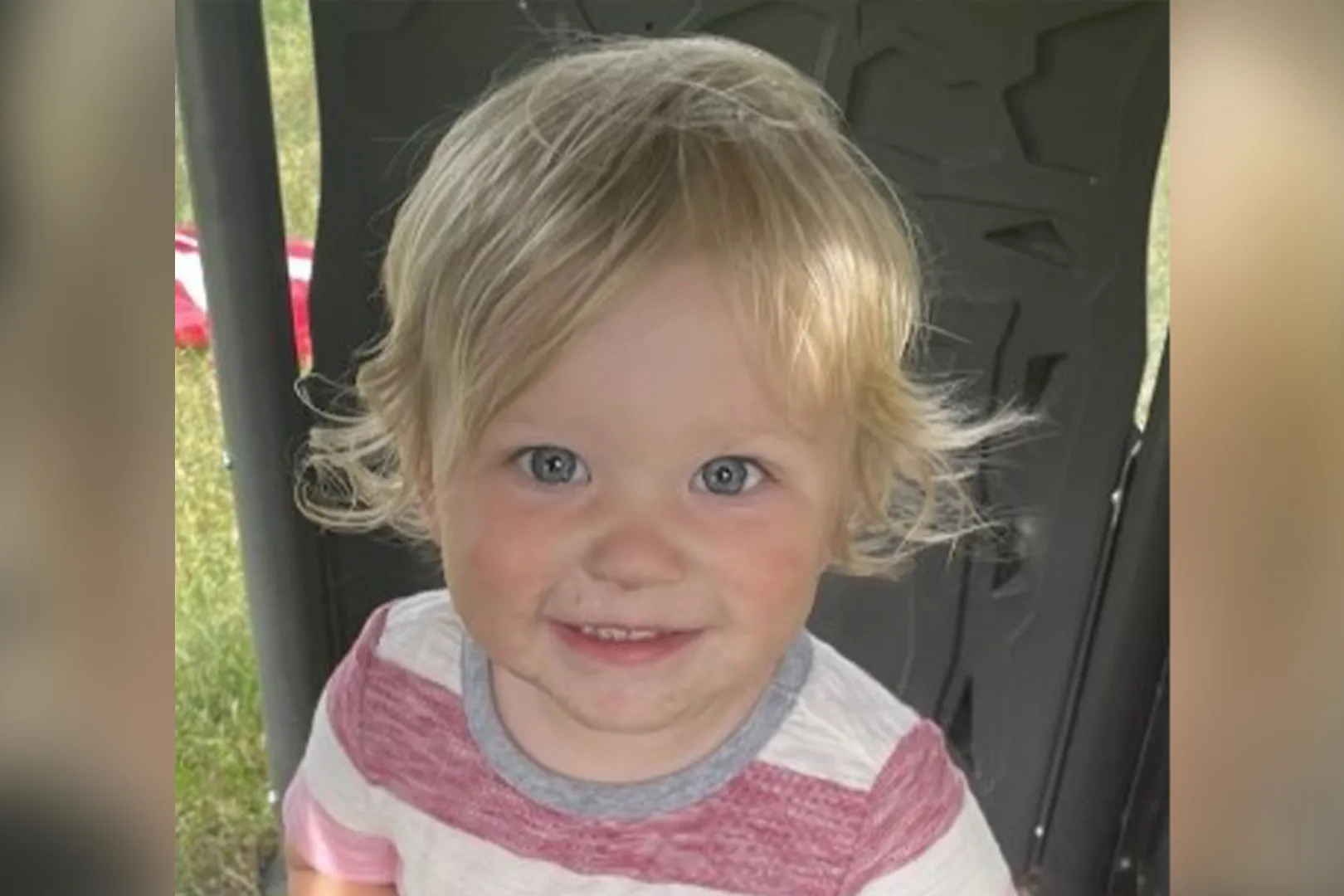
The family of 2-year-old Barrett “Bear” Walsh has shared a first public tribute to the little boy as the criminal case involving his mother, Corie Walsh, moves into a new stage.
Barrett was remembered by his family as a joyful, funny and energetic child who loved music, animals, bedtime stories and spending time with his siblings.
The tribute comes as Corie Walsh, 40, faces three counts of first-degree murder in connection with the September 1 incident at the family’s home in Frankfort, Illinois.
On September 24, Walsh appeared in Will County court and entered not-guilty pleas to the charges. She remains in custody while the case proceeds, with her next court appearance scheduled for October 26.
The latest development has shifted some attention back toward Barrett himself — a toddler whose short life was remembered by his family through an obituary published September 23.
Rather than focusing on the circumstances surrounding the case, the tribute describes the personality of a little boy his family knew affectionately as “Bear.”
According to the obituary, Barrett was “joyful, funny, entertaining” and “rambunctious.” He enjoyed singing and dancing to children’s programs, learning his colors, kicking a soccer ball around with friends and counting along to “5 Little Duckies.”
He also loved animals, bedtime stories and playing “Ready, Set, Go” with family members.
The family described him as someone whose smile could fill a room with happiness and said he would continue to be deeply missed by everyone who knew him.

That personal tribute was released just one day before Corie Walsh returned to court.
A case that began on September 1
The investigation began shortly after 4 p.m. on September 1, when Frankfort police responded to the family’s home following a report involving an unresponsive child.
According to court documents, a teenage neighbor discovered Barrett in the basement and began performing CPR while emergency responders were contacted.
Authorities later determined that Barrett’s injuries were consistent with asphyxia caused by ligature compression of the neck. The full circumstances surrounding the incident are now part of the criminal case against his mother.
Police also found Corie Walsh elsewhere inside the home after she had injured herself.
Her attorney has said that Walsh was experiencing a severe mental health crisis at the time of the incident and has described her condition as a psychotic episode. Her defense has also said she requires significant psychiatric treatment.
Those statements are part of the defense’s position and have not been established as a legal finding.
Why the Lindsay Clancy trial became part of the investigation
Another unusual element of the case emerged when investigators began examining Walsh’s conversations with friends.
According to prosecutors and court documents, Walsh had recently become deeply interested in the highly publicized Lindsay Clancy case in Massachusetts.
Clancy’s trial involved allegations that she harmed her three children in 2023, with her defense arguing that she was experiencing postpartum psychosis. The trial ended in a mistrial after jurors were unable to reach the required unanimous verdict.
Investigators say Walsh had been discussing the Clancy case with friends through a group text message on September 1, only several hours before Barrett was discovered.
According to court documents, some of her messages appeared unusual to friends who knew her.
One message reportedly expressed distress about the Clancy proceedings and asked friends for help.
Prosecutors have pointed to those conversations as part of the timeline they are examining.
However, there is an important distinction.
Authorities have not established that the Clancy case directly caused or motivated what happened to Barrett. Her defense team has rejected suggestions that Walsh should be described as a “copycat,” calling that characterization unfair.
That distinction will likely remain important as the case develops.
What prosecutors are alleging
Prosecutors have presented a broader account of what they say happened inside the Walsh home.
Court documents allege that Walsh made statements to investigators indicating that she believed Barrett was the “devil” and the “anti-Christ.”
Prosecutors have also alleged that Walsh made statements about harming other members of her family.
Her attorneys dispute the characterization of her actions as evidence of her ordinary state of mind, arguing that she was experiencing a serious psychiatric episode.
The competing interpretations are now likely to become an important part of the legal proceedings.
At this point, the allegations remain allegations, and Walsh has pleaded not guilty.
Her family stood beside her in court
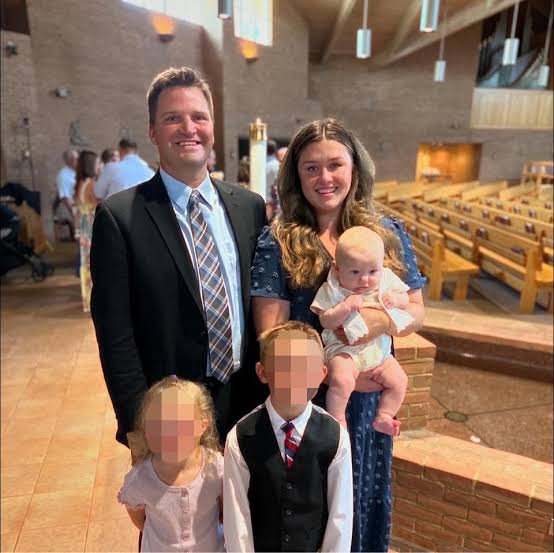
During the September 24 hearing, Walsh’s husband and other relatives were present in support of her.
Her attorney Andrea Lyon told reporters that the family continues to support Walsh and does not believe the allegations represent who she normally is.
The defense has emphasized Walsh’s mental health and has argued that she needs hospital-based treatment.
Prosecutors, meanwhile, have argued that she should remain detained while the case proceeds.
A judge previously ordered that Walsh remain in custody pending trial.
The next major court date is scheduled for October 26.
Barrett’s story is now being remembered separately from the case
As the legal arguments begin to take shape, Barrett’s obituary offers a different perspective on the story.
It does not focus on court documents or accusations.
Instead, it describes a two-year-old who enjoyed simple childhood moments — dancing, playing, learning new things, spending time with animals and being around his brothers and sisters.
Barrett was the third of Corie Walsh’s four children. His obituary identifies him as a cherished younger brother to Grady and Anna and a caring big brother to his infant sibling.
That is the image his family has chosen to preserve as the case continues.

What happens next
Corie Walsh has now formally entered not-guilty pleas, meaning the allegations against her will be tested through the court process.
The prosecution will have to present evidence supporting its first-degree murder charges, while the defense is expected to continue emphasizing Walsh’s mental health and her condition at the time of the incident.
Investigators have also been examining electronic evidence and other information gathered from the home.
Meanwhile, Barrett’s family is facing the difficult process of remembering a young child while a major criminal case involving his mother unfolds.
For now, the court case remains unresolved.
But outside the courtroom, the family’s tribute has given a clearer picture of the little boy at the center of the case.
Barrett “Bear” Walsh was remembered not for the circumstances that brought his family into the national spotlight, but for the things that made him a beloved child — his laughter, his curiosity, his energy and the everyday moments he shared with the people around him.
Those memories are likely to remain at the heart of the family’s story as the legal proceedings continue into the fall.