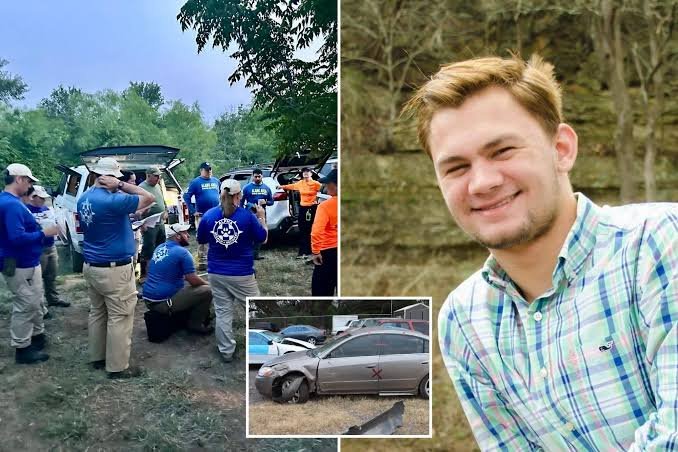
Nearly six years after Texas State University student Jason Landry disappeared while driving home for Christmas, investigators have finally confirmed what happened to the young man who became the center of one of Caldwell County’s longest-running missing-person investigations.
Landry’s remains were discovered earlier this month, and DNA testing has now confirmed the identity.
The development brings a major answer to a case that began on December 13, 2020, when the 21-year-old college student left San Marcos and headed toward his family’s home in Missouri City for Christmas break.
He never made it home.
For years, investigators searched for Landry after his vehicle was discovered abandoned following a crash near Luling.
Now, authorities know where he was found — but many important questions surrounding his final hours remain unanswered.
The night Jason disappeared
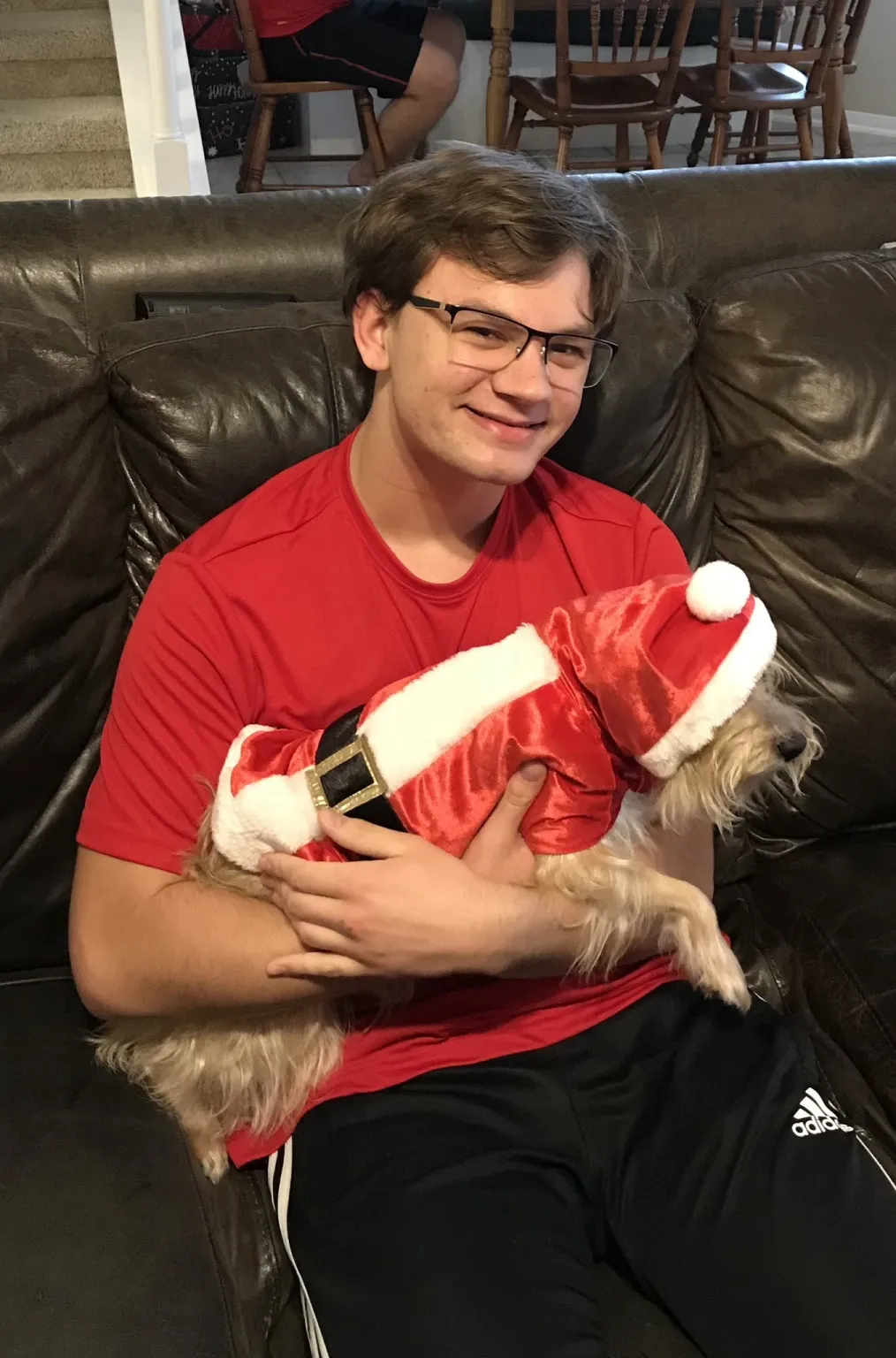
Jason was 21 and studying at Texas State University when he set out on the roughly 165-mile drive toward his family’s home.
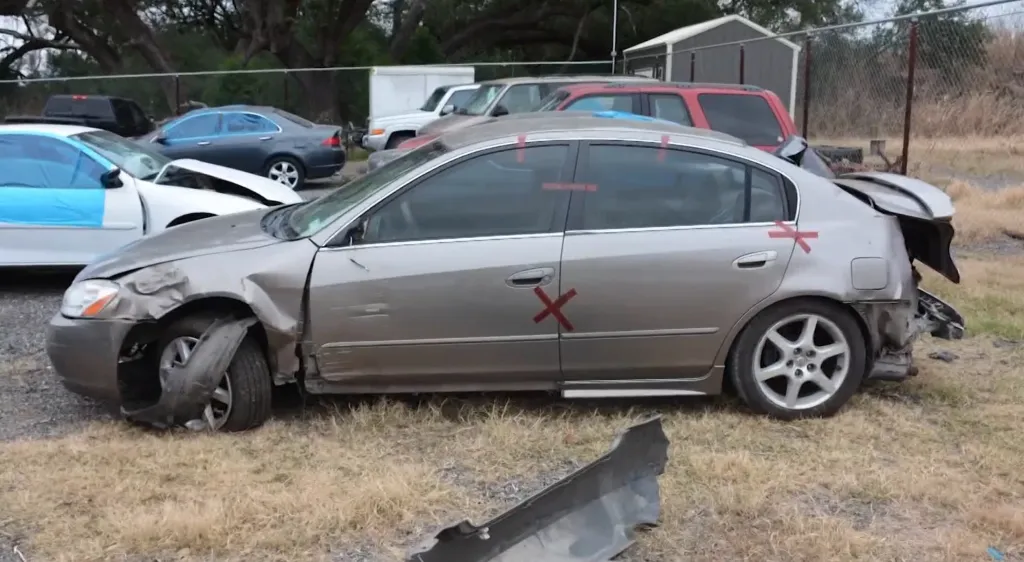
Shortly after midnight, his Nissan Altima was discovered along Salt Flat Road in Caldwell County.
The vehicle had apparently been involved in a single-car crash.
But Jason was nowhere nearby.
Investigators found several of his belongings around the vehicle, including clothing and personal items. His phone and wallet were also found in connection with the vehicle, while additional clothing was scattered around the area.
The circumstances immediately raised questions.
Why had Jason left the vehicle?
Where had he gone after the crash?
And why was there no clear trail leading investigators directly to him?
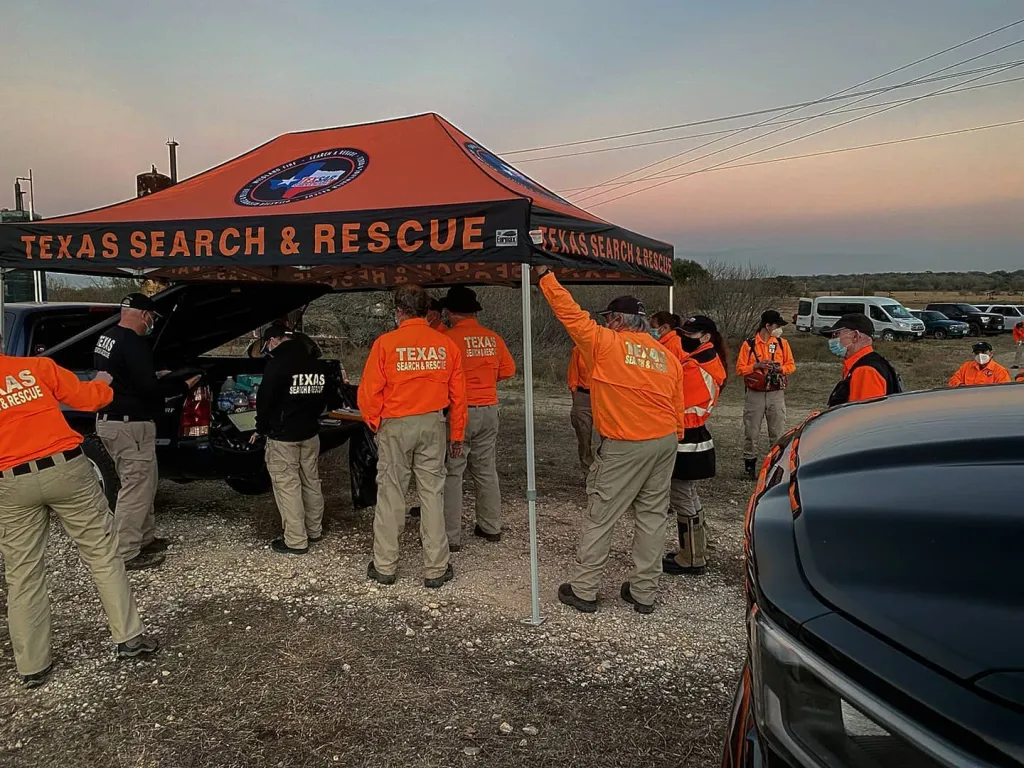
Authorities launched a major search operation.
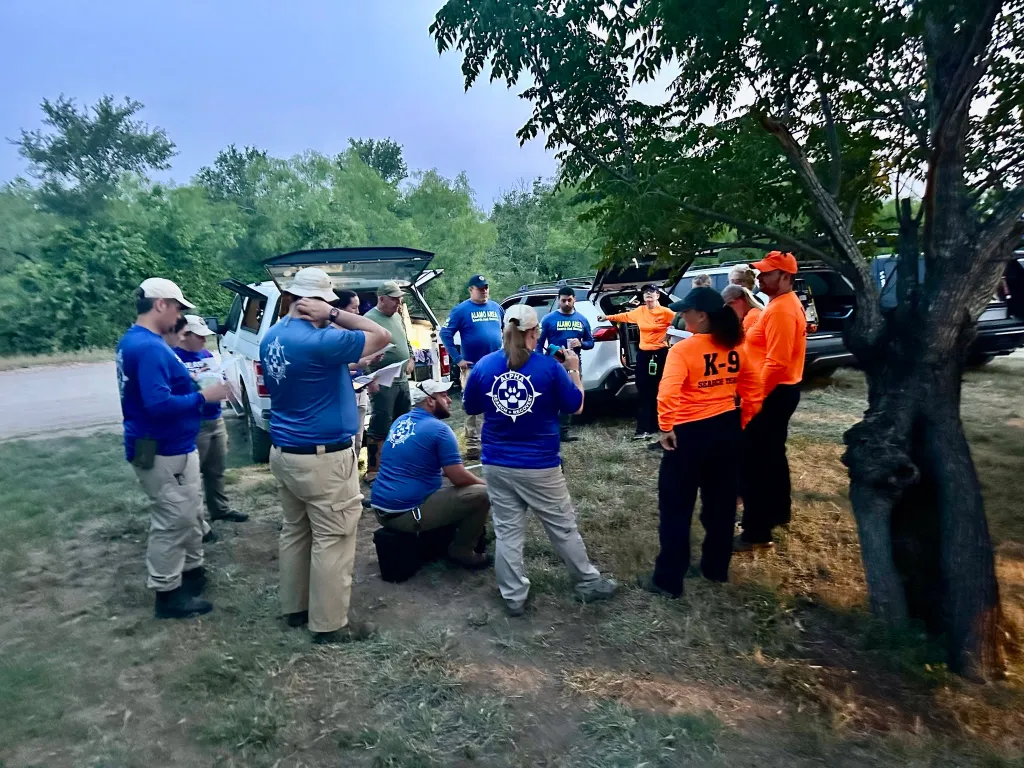
The case eventually involved local law enforcement, state agencies, professional search teams and volunteers. Over the years, investigators used a combination of ground searches, aerial resources, specialized equipment and forensic work while following new leads.
The Texas Attorney General’s Cold Case and Missing Persons Unit became involved in 2022 and continued reviewing the case. Officials said investigators repeatedly revisited evidence and conducted additional searches as new information was examined.
But Jason remained missing.
Six years of searching
The search continued far beyond the first few days.
Family members, friends, volunteers and professional search teams repeatedly returned to the area around Luling.
According to state officials, investigators conducted both ground and aerial searches and worked with multiple agencies, including the Caldwell County Sheriff’s Office, Texas Department of Public Safety and Texas Search and Rescue.
The investigation also included forensic testing, interviews and reviews of potential leads.
At one point, authorities said that all credible leads available at the time had been thoroughly pursued.
Still, there was no definitive answer about Jason’s whereabouts.
His family continued to remember him and hold onto hope for information that could finally explain what happened after his vehicle left the roadway.
Then came September 8, 2026
Almost six years after Jason disappeared, a local resident in Caldwell County made an unexpected discovery.
On September 8, human remains were found east of Salt Flat Road, in an area between Soda Springs and Biggs Road.
The location was connected to the broader area surrounding Jason’s disappearance, but officials said it was outside the established search zone used during previous operations.
At first, authorities did not publicly identify the person.
Investigators sent the remains for forensic examination, while officials asked the public not to speculate while testing was underway.
The discovery immediately raised the possibility that the long-running Landry investigation might finally have a breakthrough.
DNA provides the answer
That answer came through forensic testing.
The Texas Attorney General’s Cold Case Unit announced on September 23 that DNA analysis conducted by the University of North Texas Center for Human Identification had conclusively identified the remains as those of Jason Landry.
The identification finally ended nearly six years of uncertainty surrounding his whereabouts.
For investigators, however, identifying Jason is only one part of the story.
The remains have not provided additional information about the cause or manner of his passing, according to the Attorney General’s Office.
Authorities also said they have found no indication of foul play at this stage.
That means the circumstances surrounding Jason’s final hours remain unresolved.
The biggest questions are still there
The discovery answers the question of where Jason ultimately was found, but it does not yet explain exactly what happened after his vehicle left the roadway.

Investigators still face questions about the sequence of events following the crash.
Did Jason leave the vehicle on his own?
How far did he travel from the crash site?
What happened between the time he left the vehicle and the location where his remains were eventually discovered?
And could additional forensic work provide more information about his final hours?
At this point, authorities have not announced a conclusion that would answer those questions.
The Attorney General’s Office said the investigation remains important and that additional information will be released as appropriate.
The discovery was made surprisingly close to the original search area
One of the most notable details is the location where Jason was eventually found.
The remains were discovered in the broader area connected to the original investigation, yet officials said they were outside the zone covered by previous searches.
That detail may help explain why the search continued for so long without locating him.
The terrain around the area is rural, and the investigation involved extensive searches over the years.
Despite those efforts, the location where Jason was eventually discovered remained beyond the areas previously covered by search teams.
A family finally has an answer
For Jason’s family, the identification brings an answer to a question that had remained open since December 2020.
The family has spent nearly six years living with uncertainty, marking anniversaries of Jason’s disappearance and continuing to seek information about what happened to him.
After the DNA confirmation, relatives expressed gratitude toward the investigators, volunteers and members of the public who continued helping with the search over the years.
The discovery does not erase the questions surrounding Jason’s final journey, but it does provide his family with information they had been waiting years to receive.
What happens next?
Investigators are expected to continue examining the circumstances surrounding Jason’s disappearance and the location where his remains were recovered.
At this point, authorities have not announced evidence indicating that another person was responsible for what happened.
They have also not established a definitive cause or manner of his passing based on the remains recovered.
That leaves the case with an unusual combination of certainty and uncertainty.
After nearly six years, investigators can finally say that the remains belong to Jason Landry.
But the exact story of what happened after his car crashed near Luling remains incomplete.
The search that began with an abandoned Nissan Altima, scattered belongings and a missing college student has now entered a new phase.
For the Landry family, there is finally an answer to the question of where Jason was.
The next question is whether investigators can determine what happened during those final hours — and whether the evidence will eventually provide the fuller explanation they have been seeking since December 2020.
For now, authorities continue to ask the public to rely on confirmed information as the investigation moves forward.