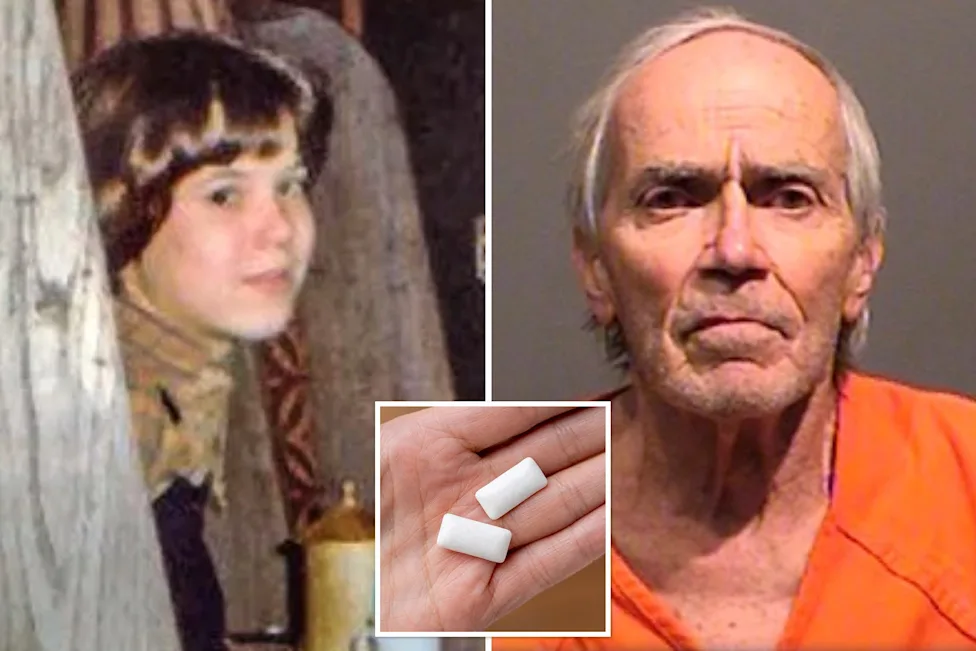
For nearly five decades, investigators had been left with one of the most difficult questions in a decades-old California case: Who was responsible for what happened to 15-year-old Marissa Harvey?
The answer would eventually emerge from evidence that might have seemed insignificant at first — a small piece of chewing gum.
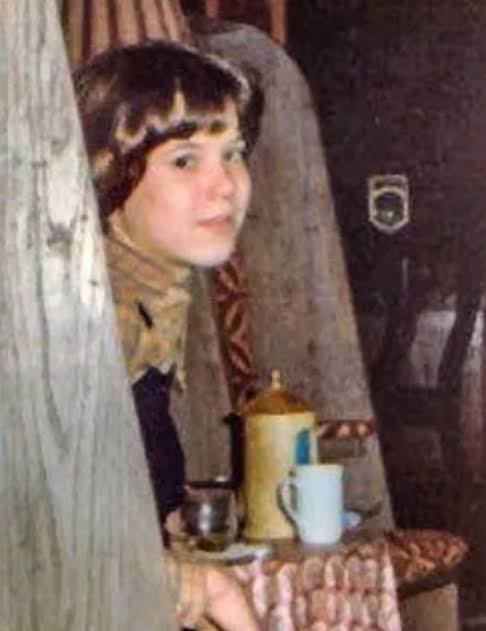
Marissa was visiting her older sister in San Francisco in 1978 when she disappeared after leaving for a day at Golden Gate Park. She had planned to go horseback riding, but she never returned.
Her body was discovered the following day at nearby Sutro Heights Park.
The investigation began more than four decades ago, long before modern DNA technology could provide investigators with the tools available today.
For years, the case remained unresolved.
Then advances in forensic science opened a new path.
Investigators had preserved evidence from the original investigation, including biological material recovered from Marissa’s clothing and a piece of dried chewing gum found on her back.
DNA testing in the early 2000s produced a male genetic profile, but investigators were unable to determine whose DNA it was at the time.
That meant the evidence was there — but the identity behind it remained unknown.
Years later, detectives returned to the case with a different set of tools.
Investigative genetic genealogy had become increasingly important in solving older cases, allowing investigators to compare forensic DNA profiles with genetic information connected to biological relatives.
The technique eventually gave investigators a new lead.
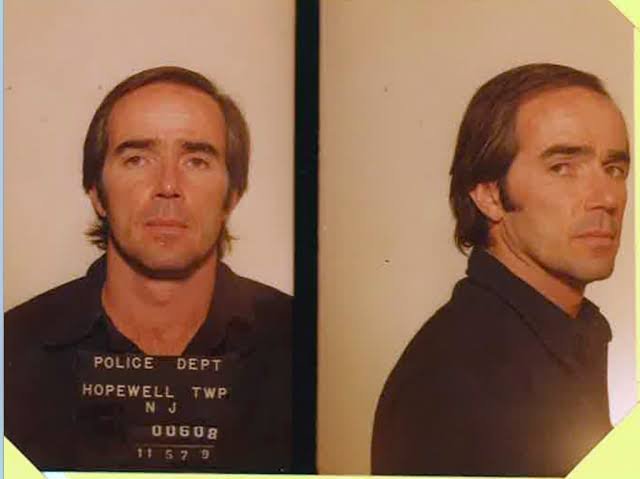
Authorities identified Mark Stanley Personette as a potential suspect.
But investigators still needed to connect him directly to the biological evidence recovered from Marissa.
In December 2021, Personette was arrested in Denver, more than 40 years after Marissa’s disappearance.
Investigators then obtained additional DNA evidence from items he had discarded.
According to prosecutors, the newly collected DNA matched the genetic profile recovered during the original investigation, including the evidence associated with the piece of chewing gum.
That connection helped transform a decades-old mystery into a criminal case.
The gum itself was not necessarily important because of what it was.
Its significance came from what it carried.
Saliva can contain enough genetic material to produce a DNA profile, meaning an ordinary item that someone has discarded can sometimes become valuable evidence years later.
In this case, investigators had preserved the gum for decades before advances in forensic analysis made it possible to use the DNA information more effectively.
The investigation also uncovered other details that prosecutors used to connect Personette to the San Francisco area.
Authorities reportedly found a 1970s map of San Francisco at his home, along with California license plates carrying a 1979 registration sticker.
Personette nevertheless denied ever having visited the city.
At trial, prosecutors also presented testimony from another woman who said Personette assaulted her in New Jersey in 1979, when she was 16.
That testimony was part of the broader case presented against him.
The investigation into Marissa’s case had taken investigators through several generations of forensic technology.
In 1978, detectives worked with the tools available at the time.
In the early 2000s, DNA testing provided a male profile but did not identify its source.
Then, decades later, investigative genetic genealogy and modern DNA comparison techniques gave investigators another opportunity to examine the evidence.
The case illustrates how evidence collected during an investigation can remain relevant even when a suspect cannot immediately be identified.
On Wednesday, October 1, 2026, Personette, now 80, was sentenced to life in prison for the 1978 case.
The sentence brought a legal conclusion to a case that had remained open for almost 50 years.
For Marissa’s family, however, the passage of time cannot erase the years they spent waiting for answers.
The teenager had been only 15 when she traveled to San Francisco to visit her older sister.
What began as an ordinary outing to Golden Gate Park became the last known chapter of her young life.
For investigators, the case eventually came down to connecting pieces that had remained separated for decades: preserved evidence, advances in DNA analysis, genetic genealogy and new investigative work.

And among those pieces was something extraordinarily ordinary.
A piece of chewing gum.
Nearly half a century later, the tiny piece of evidence helped investigators connect a name to a case that had waited decades for an answer.
Personette is now facing the consequences of the conviction, while Marissa’s story remains a reminder that evidence from an old investigation can sometimes take years — or even generations — before it reveals its full significance.