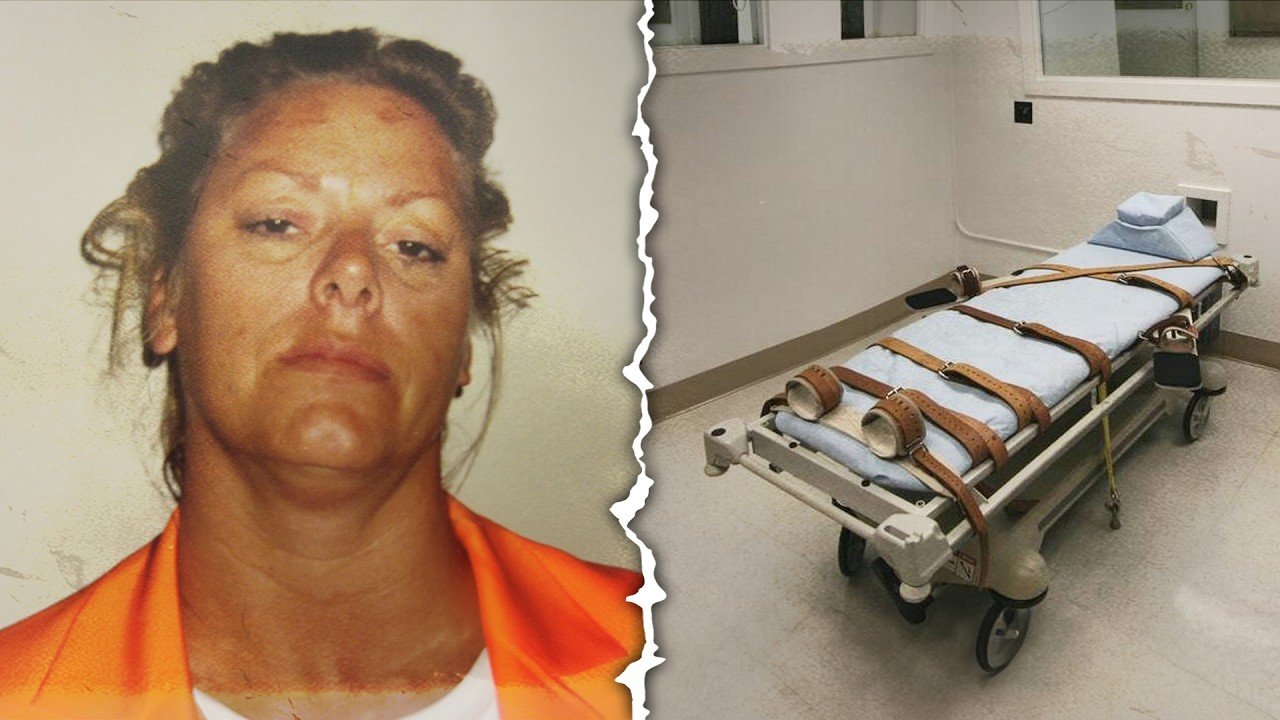
Aileen Wuornos became one of the most widely discussed criminal cases in the United States after she was convicted in Florida in the early 1990s.
But her story did not end when the jury delivered its verdict.
For roughly another decade, Wuornos remained at the center of legal proceedings, appeals and questions surrounding her competency, while her own position about the crimes continued to change.
Her case eventually reached a point where she asked Florida’s highest court to allow her to dismiss her attorneys and stop pursuing her remaining appeals.
What happened during those years helps explain why the case continued to attract attention long after the original convictions.
The convictions were only the beginning
Wuornos was arrested after investigators connected her to a series of killings involving men she had encountered while working as a sex worker in Florida.
She ultimately confessed to killing seven men between 1989 and 1990, although she was convicted in six of the cases. One victim’s body was never recovered.
During her 1992 trial, Wuornos maintained that at least some of the encounters involved sexual assaults or threats and that she had acted in self-defense.
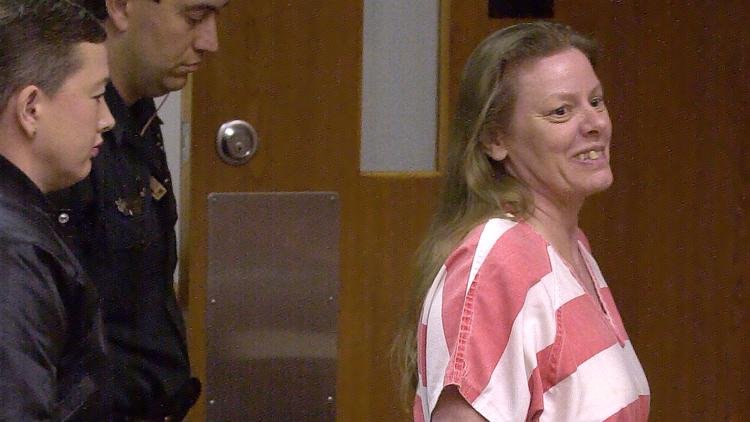
That explanation became an important part of the legal debate surrounding her case.
However, prosecutors presented evidence that led to convictions, and Wuornos received six individual death sentences.
Her legal battle then moved into the appeals process.
The appeals continued for years
After the convictions, Wuornos challenged the proceedings through a series of appeals and post-conviction claims.
Among the issues raised was whether her trial lawyers had provided effective representation.
Later proceedings included arguments that her attorneys had failed to uncover information about Richard Mallory, one of the men whose killing resulted in a conviction. Mallory had previously served time for rape in another state, information that Wuornos’ later legal team argued could have been relevant to her self-defense claims.
Her lawyers also argued that potential witnesses who could have described her difficult childhood and experiences of abuse were not called during the penalty phase of the original trial.

Those arguments did not result in a new trial.
The legal proceedings continued through the 1990s and into the following decade, with courts repeatedly considering Wuornos’ claims.
In November 1994, the Florida Supreme Court affirmed her convictions and sentences. The U.S. Supreme Court later declined to hear another appeal.
But the legal questions surrounding the case were not finished.
Her behavior became another focus
As the years passed, attention increasingly turned toward Wuornos’ mental state and whether she was legally competent to make decisions about her case.
This distinction was important.
The issue was not simply whether she had psychological difficulties. Courts had to determine whether she understood the legal proceedings well enough to make certain decisions about her appeals.
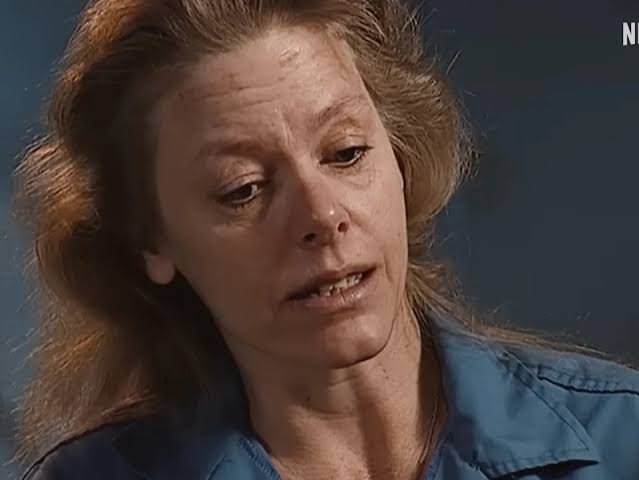
In 2001, Wuornos began taking an unusual step.
She asked the Florida Supreme Court to allow her to dismiss her court-appointed attorneys and give up the remaining appeals.
Because she was facing six sentences, the court had to determine whether she was legally competent to make such a decision.
A Florida court found her competent in July 2001. The matter was then returned to the Florida Supreme Court, which ultimately approved the determination in April 2002 and allowed her remaining post-conviction proceedings to be dismissed.
The decision attracted national attention because defendants facing capital punishment generally continue to pursue every available legal avenue.
Wuornos was doing the opposite.
She was asking the courts to stop.
Why did she want to end her appeals?
Wuornos had spent approximately a decade on Florida’s death row.
By 2001, she was repeatedly expressing a desire to end the legal process rather than continue fighting through the courts.
In letters to the Florida Supreme Court, she asked to waive her remaining appeals and accept the sentence that had been imposed.
The Florida Supreme Court eventually determined that she was competent to make that choice.

Her decision did not immediately end every legal issue.
Florida officials still had to address the sentence through the required procedures, and questions about her competency continued to surface.
The state’s official capital-case records show that Governor Jeb Bush signed a death warrant on September 5, 2002, with the execution scheduled for October 9.
The final weeks brought another legal dispute
Even after Wuornos had been found competent to waive her appeals, concerns about her mental condition returned shortly before the scheduled execution.
On September 25, 2002, a filing presented the Florida Supreme Court with claims concerning her mental illness. The court forwarded the matter to Governor Bush for consideration under Florida law.
The issue was whether Wuornos met the legal standard required to proceed.
Additional examinations were conducted, and the legal effort to delay the execution ultimately did not succeed.
By that point, Wuornos had spent years moving through the criminal justice system, from arrest and trial to multiple appeals and competency proceedings.
Her case had become far more than the original courtroom story.

A case that continued to change
One of the most complicated elements of the Wuornos case was that her own account of what happened changed over time.
At trial, she maintained that she had acted because she believed she was in danger.
Later, her statements became different, including remarks in which she took greater responsibility for the killings.
That shifting account has remained one of the reasons the case continues to be examined by journalists, filmmakers and researchers.
The legal record, however, remained clear on one important point: the convictions and sentences were upheld through the appellate process.
Her claims about self-defense did not result in those convictions being overturned.
Her story continued beyond the courtroom
Wuornos’ case became a subject of books, television programs, documentaries and eventually the 2003 film Monster, which brought renewed public attention to her life and the crimes.
Decades later, filmmakers returned to the case again.
Netflix’s 2025 documentary Aileen: Queen of the Serial Killers examined archival material and previously unseen conversations, including recordings made while Wuornos was on death row. The documentary also revisited her relationship with Tyria Moore, who had cooperated with investigators and testified against Wuornos.
The renewed interest has also brought a broader discussion about how Wuornos’ story has been portrayed.
Some accounts have focused heavily on the crimes, while others have examined her childhood, relationships, experiences of abuse and the circumstances surrounding her life before the convictions.
The documentary’s creators have emphasized the difficulty of reducing the story to a simple explanation.
The final chapter
Wuornos was executed by lethal injection at Florida State Prison on October 9, 2002, after spending approximately a decade on death row.
But the legal and cultural discussion surrounding her case did not end there.
Her case continues to be revisited because it contains several layers: the convictions themselves, her changing explanations, questions raised during the appeals process, her decision to waive further appeals, and the long-running debate over how her life should be understood.
That is also why the years following her convictions are important.
The verdict was not the end of the story.
For nearly another decade, Wuornos remained involved in a complicated legal process that repeatedly returned to the same fundamental questions: what had happened, what responsibility belonged to her, whether her legal representation had been adequate, and whether she was competent to make decisions about the remaining appeals.
Eventually, she made a decision that changed the final stage of the case.
She stopped asking the courts to continue fighting for her.
And even after the legal proceedings ended, the questions surrounding Aileen Wuornos continued to draw attention — making her case one of the most frequently revisited criminal cases in modern American true-crime history.