
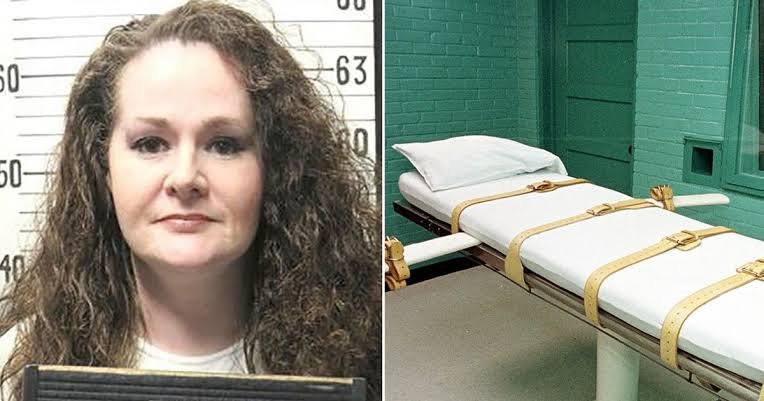
Christa Pike is taking her first steps again inside a Tennessee hospital, just days after a failed execution left her in critical condition and raised new questions about what happened inside the state’s execution chamber.
Pike, 50, was scheduled to be executed in Tennessee on September 30 after spending more than three decades on death row. Instead, the procedure was halted after officials administered two doses of pentobarbital and Pike remained alive.
She was taken from Riverbend Maximum Security Institution in Nashville to a hospital, where her condition initially appeared extremely serious.
Now, less than two weeks later, her condition has changed in a way few expected.
According to her attorney Stephen Ferrell, Pike was able to get up and walk around her hospital room for the first time on Thursday, October 8.
She is not walking long distances, and her physical recovery remains complicated. Her arms were severely injured during the failed procedure and she has limited use of them. Her legal team has also reported pneumonia, a blood clot and significant swelling in her hands and arms.
Her mental condition is also still being closely watched.
Ferrell described Pike as somewhat “foggy,” explaining that she can lose her train of thought and sometimes forget where she is going. Doctors and her attorneys say it is still too early to know whether she will experience permanent neurological problems.
But there has been one major change.
She is awake.
She is communicating.
And she now understands that Tennessee attempted to carry out her sentence.
Her attorney Randy Spivey said Pike has been both angry and confused as she begins to understand what happened.
Her first moments of consciousness reportedly included questions about where she was and who the people around her were. Over time, she began remembering more about the circumstances surrounding the attempted execution.
That recovery has created an extraordinary legal situation.
Pike is believed to be the first known person in the United States to survive after receiving lethal-injection drugs as part of an actual execution attempt.
The question now is what happens next.
A failed procedure that is now under investigation
The execution was supposed to bring an end to Pike’s more than 30 years on Tennessee’s death row.
Instead, it has triggered an investigation into the state’s execution procedures.
According to Pike’s legal team, medical problems involving her veins may have played a major role in what went wrong.
Her attorneys have said that the IV lines may not have been properly placed and that some of the pentobarbital could have entered the surrounding tissue instead of reaching her bloodstream as intended.
The state has not publicly provided a complete explanation of what happened.
Tennessee officials have maintained that the execution protocol was followed, while Governor Bill Lee ordered an independent review following the incident. The state also suspended its remaining scheduled execution for 2026.
The state’s correction commissioner is also stepping down from his position later this year.
Meanwhile, Pike’s attorneys are seeking access to as much evidence from the execution as possible.
Judge orders evidence to be preserved
On October 7, a Davidson County judge ordered Tennessee officials to preserve evidence connected to the failed procedure.
That includes syringes, needles, IV lines, drugs, medical supplies, restraints, the gurney and other materials from the execution chamber.
The order also covers written records, digital communications, witness accounts and other information that could help establish exactly what occurred during the procedure.
The judge specifically instructed officials not to lose, delete or destroy potentially relevant evidence.
For Pike’s attorneys, the evidence could become central to the next phase of the case.
They argue that the state’s handling of the execution needs to be examined in detail, particularly because they had previously raised concerns about Pike’s medical condition and the difficulty of establishing IV access.
The state has not agreed with all of the allegations made by Pike’s legal team.
That means an important part of the story is still unresolved: what exactly caused the execution procedure to fail?
Pike had previously raised concerns
Before September 30, Pike’s attorneys had warned that administering the lethal injection could present medical challenges.
They pointed to her history of thrombocytosis and difficulties with her veins.
Pike herself had also expressed concerns about the procedure before her scheduled execution, according to recordings obtained by the New York Times and cited by multiple news organizations.
Her attorneys argued that their concerns were about ensuring the procedure would be carried out properly, rather than simply delaying the sentence.
Those warnings are now receiving renewed attention because of what happened inside the execution chamber.
What Pike’s future looks like remains unclear
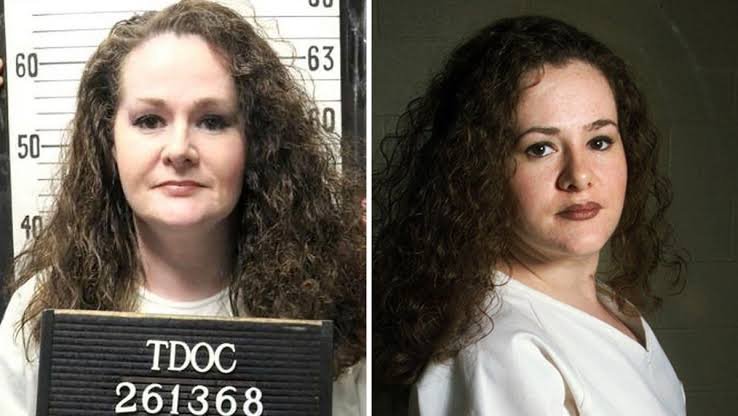
Pike’s physical recovery is now the immediate concern.
Her lawyers say she remains in serious condition and faces a long rehabilitation process. Although she can now walk short distances, her arms remain severely affected, and doctors have not yet determined how much function she will ultimately regain.
There are also unanswered questions about her cognitive recovery.
Medical experts involved in the case have cautioned that it could take weeks or months before her long-term condition becomes clear.
Then there is the much larger legal question.
Pike remains under a death sentence.
Her attorneys are asking Tennessee Governor Bill Lee to commute that sentence to life imprisonment without parole, arguing that she has already endured an extraordinary and traumatic experience during the failed execution.
The state has not promised that another execution attempt will never be made.
At the same time, there is currently no new execution date for Pike.
That leaves her legal status in an unusual position while the investigation into the failed procedure continues.
The case behind the sentence
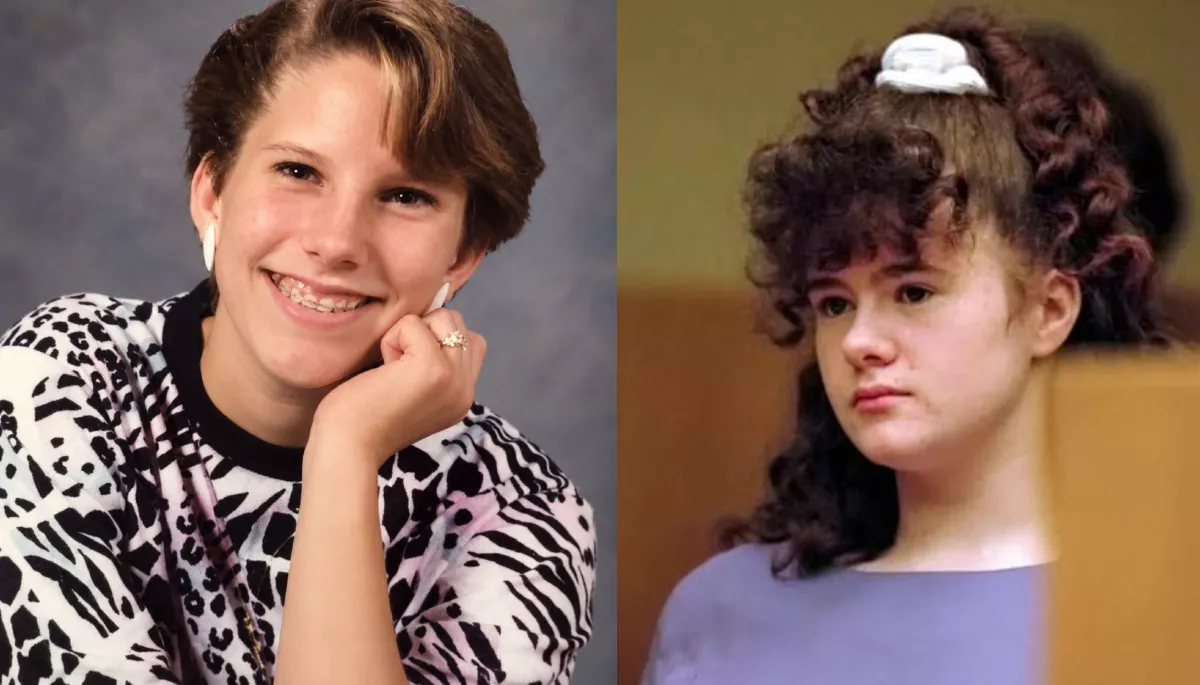
Pike was sentenced to death for the 1995 killing of her 19-year-old classmate, Colleen Slemmer.
Pike was 18 at the time.
Her conviction has remained in place through decades of appeals, and she spent more than 30 years on Tennessee’s death row.
Her case has long attracted attention because of her age at the time of the crime, her difficult childhood and the arguments surrounding her mental health and background.
Those issues were raised during her appeals and clemency efforts, but Governor Lee ultimately rejected her request to have the sentence changed before the September execution date.
Now the failed procedure has placed the case back in the spotlight for an entirely different reason.
A case that is far from over
For Tennessee, the focus is now on understanding how an execution procedure that was supposed to follow established protocols ended with the prisoner being transported to a hospital and later waking up.
For Pike’s legal team, the priority is her recovery and obtaining evidence that may explain what happened.
And for Pike herself, the immediate reality is much simpler.
She is alive, awake and beginning to walk again.
Her attorneys say she is aware of what the state attempted to do and is struggling to process the experience while dealing with serious physical injuries and periods of confusion.
The investigation will determine what happened during the procedure and whether any failures occurred.
For now, however, one thing has changed dramatically since September 30.
Christa Pike is no longer lying unconscious in a hospital bed.
She is beginning to move around again — one small step at a time — while the legal questions surrounding Tennessee’s failed execution continue to unfold.