A closely watched federal trial is entering a critical stage in Buffalo, New York, as attorneys begin selecting the jury that will decide whether Payton Gendron should face the ultimate federal punishment for the racially motivated attack at a Tops Friendly Market in May 2022.
The proceedings began on October 13, 2026, with prospective jurors being questioned about their views on capital punishment, their ability to remain impartial and whether they could fairly consider the evidence in a case that has remained deeply painful for victims’ families.
Gendron, now 23, is already serving a life sentence after pleading guilty to state charges connected to the attack, which took the lives of 10 Black people. The federal case presents a separate legal proceeding, with prosecutors pursuing hate crime and firearms charges that could make him eligible for a federal death sentence.
But beyond the legal arguments, the opening days of jury selection have brought renewed attention to the people who lost loved ones, the survivors who continue to live with the consequences and the difficult question of what justice should look like in a case defined by racial hatred.
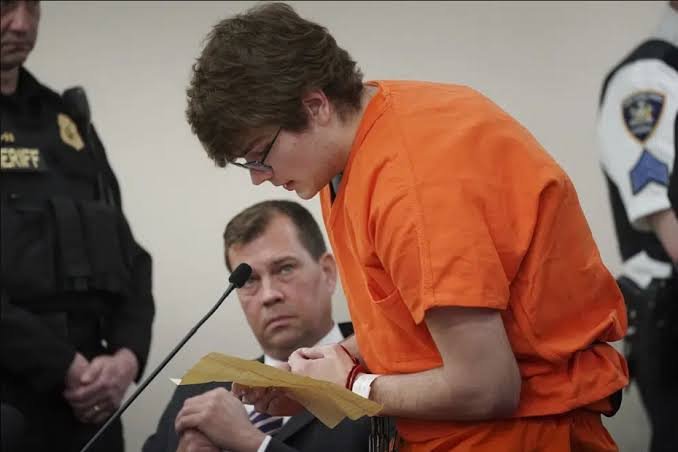
Jury Selection Focuses On Capital Punishment
The jury selection process began Tuesday in federal court, where U.S. District Judge Lawrence Vilardo and attorneys questioned prospective jurors about their ability to serve in a case involving the possibility of a death sentence.
The process is expected to take considerable time because jurors must be willing to consider both aggravating factors presented by prosecutors and mitigating evidence offered by the defense. These questions are particularly important in federal capital cases, where jurors may ultimately be asked to decide not only whether the charges have been established but also what punishment should follow.
According to reporting by the Associated Press, some prospective jurors expressed concerns about the emotional difficulty of reviewing evidence from the attack. One person said the prospect of watching footage that Gendron livestreamed during the incident would be especially stressful.
Other questions focused on whether potential jurors could consider capital punishment fairly, without allowing personal beliefs to determine their decisions before hearing the evidence.
The selection process could continue for several days. The judge indicated that the trial itself was unlikely to begin before December and could extend into February 2027.
The length of the proceedings reflects the seriousness of the federal charges and the extensive examination required before a jury can be seated.

Gendron Is Already Serving A Life Sentence
The federal proceedings follow an earlier state case in which Gendron pleaded guilty to charges related to the May 14, 2022, attack.
During his 2023 state court proceedings, he acknowledged his actions and renounced the white supremacist views associated with his planning. He was sentenced to life imprisonment without the possibility of parole.
That sentence, however, did not end the legal process.
Federal prosecutors brought a separate case involving hate crimes and firearms offenses. Gendron has pleaded not guilty to those federal charges, even though his guilt in the underlying attack was established through his state plea.
The federal government is seeking the death penalty, meaning the upcoming proceedings will focus on the federal charges and, if the case reaches the sentencing phase, whether capital punishment is warranted.
His attorneys have made clear that their primary objective is to prevent an execution. They have indicated that they expect a conviction and intend to present mitigating evidence about his background and life.
In a statement reported by the Associated Press, the defense emphasized that presenting such evidence was not intended to disrespect the victims, survivors or their families.
The distinction matters because the trial is not simply a repetition of the state proceedings. It is a separate legal process with different charges and a different potential punishment.

A Victim’s Son Explains Why He Opposes An Execution
Among the family members following the case is Wayne Jones Sr., whose mother, Celestine Chaney, was one of the 10 people who lost their lives at the supermarket.
Jones has spent much of the past four years speaking publicly about the attack, participating in discussions about violence and remembering his mother.
Despite the lasting impact of his loss, Jones told the Associated Press that he does not want Gendron to receive a death sentence.
He explained that his perspective had changed over time. Rather than supporting an execution, he believes Gendron should remain in prison and live with the consequences of his actions.
Jones also pointed to the lengthy appeals that can follow a federal capital sentence, suggesting that the legal process could continue for decades.
His position illustrates the range of responses among people directly affected by the attack. For some, capital punishment may appear to be an appropriate response to the scale of the harm. Others question whether an execution would bring meaningful relief or resolve the lasting consequences for survivors and families.
Jones’ comments do not lessen the significance of his loss. Instead, they show how a person can experience profound grief while reaching a different conclusion about punishment than others might expect.
His perspective has become one of the most human elements of the current proceedings, reminding observers that the people most affected by the case do not necessarily share a single view about what should happen next.

Families Continue To Honor The People They Lost
The 10 victims ranged in age from 32 to 86. They included supermarket customers, employees and Aaron Salter, a retired police officer who was working as a security guard at the store.
Chaney’s family has continued to honor her memory in the years since the attack. Other relatives have also sought ways to ensure their loved ones are remembered for their lives rather than solely for the circumstances of their final moments.
Garnell Whitfield, whose 86-year-old mother, Ruth Whitfield, was among the victims, has spent time working with community groups, victims’ organizations and others concerned about racial violence.
Whitfield has said he hopes the federal proceedings will reveal more about the circumstances that contributed to Gendron’s radicalization, including the role of online platforms, extremist ideology and the broader social environment.
For him, the trial offers an opportunity to examine how such an event became possible and what might be learned to prevent similar attacks.
That concern extends beyond the question of punishment. It raises broader issues about how racist ideologies spread, how vulnerable individuals become immersed in extremist communities and how authorities and communities might recognize warning signs before they lead to violence.
The families’ experiences remain central to those questions.
The Role Of Racist Conspiracy Theories
Investigators found that Gendron had embraced white supremacist beliefs and a baseless conspiracy theory known as the “great replacement theory.” The ideology falsely claims that white populations are being deliberately replaced by people of color through immigration and changing birth rates.
Gendron traveled more than 200 miles from Conklin, New York, to Buffalo before carrying out the attack at the Tops supermarket. The victims were all Black, and investigators found writings and online material indicating that racial hatred played a central role in his planning.
The attack is widely regarded as one of the most significant racially motivated acts of violence by a lone perpetrator in recent American history.
The federal case could provide another opportunity to examine the influence of extremist propaganda and the ways online communities can reinforce racist beliefs.
Experts who study hate crimes have repeatedly highlighted the importance of understanding the pathways through which people become radicalized. The evidence in this case may help explain how Gendron’s beliefs developed and how he came to target a predominantly Black neighborhood.
For the victims’ families, those questions are not merely academic. Understanding what happened may help them make sense of an event that changed their lives and may contribute to efforts to prevent future tragedies.

The Defense Plans To Present Mitigating Evidence
Although Gendron’s attorneys have indicated that they expect a conviction, they are preparing to argue that he should not receive a death sentence.
In a federal capital case, mitigating evidence can include information about a defendant’s personal history, upbringing, mental and emotional development, and other circumstances that the jury may consider when determining punishment.
The defense has said it intends to present evidence about Gendron’s life before and after the attack.
That approach does not erase the suffering of the victims or dispute the harm caused. Instead, it addresses the separate legal question of whether the circumstances justify capital punishment under federal law.
Prosecutors, meanwhile, must present their case under the applicable federal statutes and establish the requirements necessary for the charges and potential sentence.
The jury selection process is designed to identify people who can consider these arguments fairly, even when the underlying facts are disturbing and the public attention surrounding the case is intense.
The decisions jurors make could determine whether the proceedings move into a separate sentencing phase and whether the federal government can pursue its requested punishment.
What Happens Next In The Buffalo Case?
The immediate focus remains on completing jury selection. Attorneys must identify jurors who can evaluate the evidence without allowing personal opinions about race, violence or capital punishment to dictate the outcome.
Once a jury is seated, the federal trial is expected to examine the evidence supporting the hate crime and firearms charges. If Gendron is convicted, jurors could then be asked to consider whether a death sentence or another punishment is appropriate.
The process may continue into early 2027, according to the schedule discussed in court.
For the families of the 10 victims, the proceedings represent another stage in a legal journey that began in May 2022. Some are focused on the punishment Gendron should receive, while others are more concerned with understanding how racist extremism influenced the attack and what can be done to prevent similar incidents.
Those priorities can coexist, even when family members disagree about the appropriate sentence.
The federal case is also likely to renew public discussion about hate crimes, online radicalization and the use of capital punishment in cases involving racially motivated violence.
As the jury selection process continues, one question remains at the center of the proceedings: how will the court weigh the evidence, the severity of the crimes and the arguments presented by both sides?
For Wayne Jones and the other families, no courtroom decision can restore the people they lost. But the trial may provide another opportunity to examine the events that transformed their lives and to determine the legal consequences that will follow.
The next stage will unfold in the courtroom, where jurors will be asked to consider the evidence carefully and decide the outcome of a case that continues to carry profound consequences for Buffalo and the families affected.