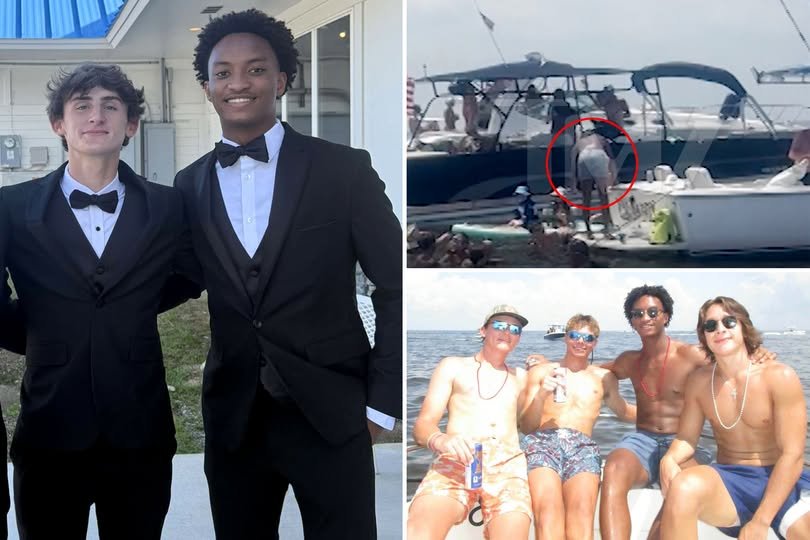
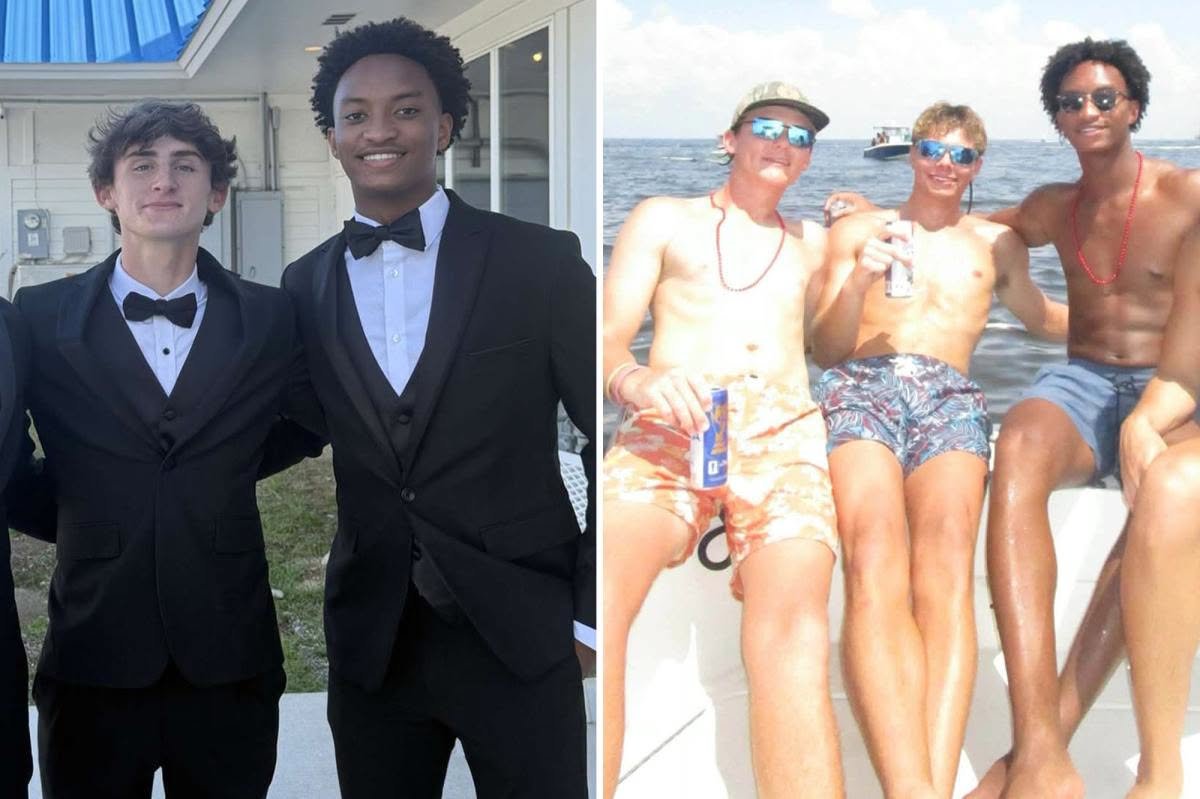
More than a month after 18-year-old Nolan Xavier Wells disappeared during a Fourth of July trip to Horn Island and was later found dead, the investigation surrounding his death is entering another closely watched phase. Wells’ friends, who were with him during the holiday outing, are preparing to return to the Mississippi barrier island with their attorneys as questions surrounding the teenager’s final hours continue to receive national attention.
Warren Hudson, Jax Pitalo and Morgan Seymour, the three young men who accompanied Wells on the trip, are expected to visit Horn Island alongside members of their legal team. Their attorneys have said the purpose of the visit is to gain a firsthand understanding of the location and its geography, particularly the areas connected to the events of July 4 and the place where Wells was later found. The lawyers have emphasized that the group does not intend to collect evidence during the visit. Instead, they want to see the terrain themselves and better understand the physical setting surrounding the timeline that has become central to the investigation.
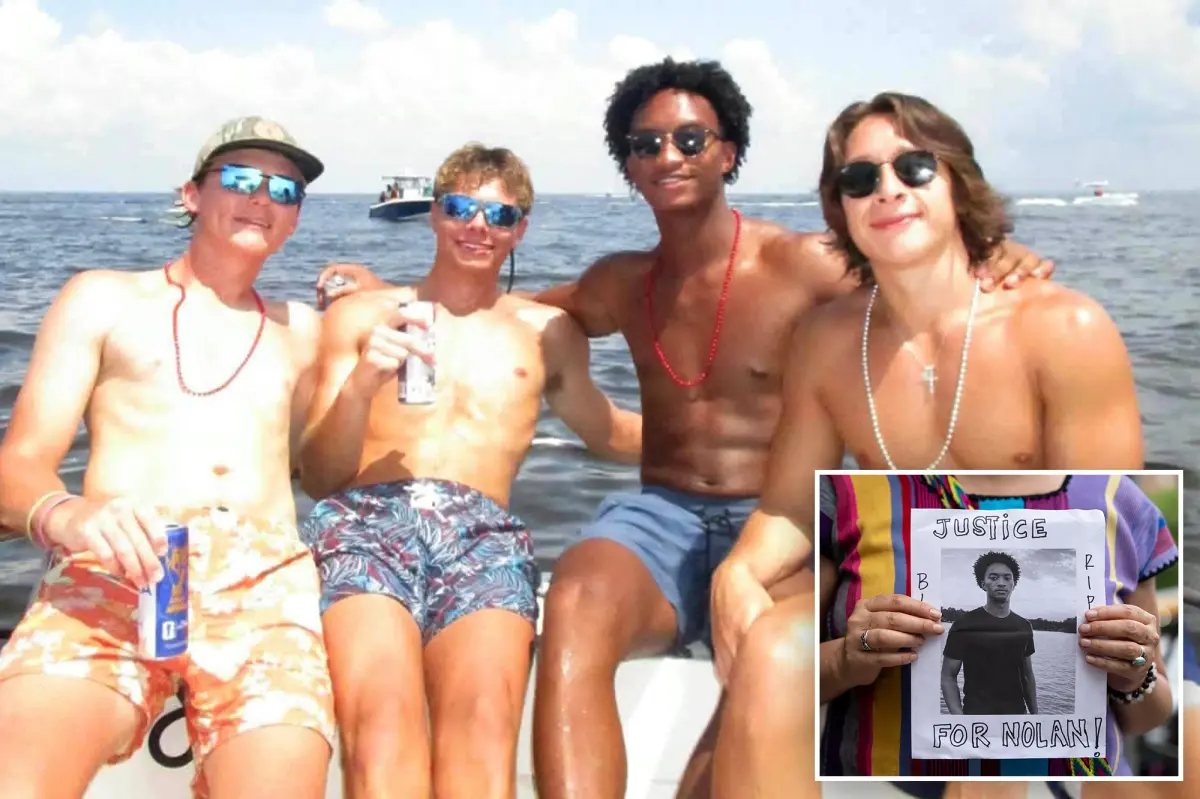
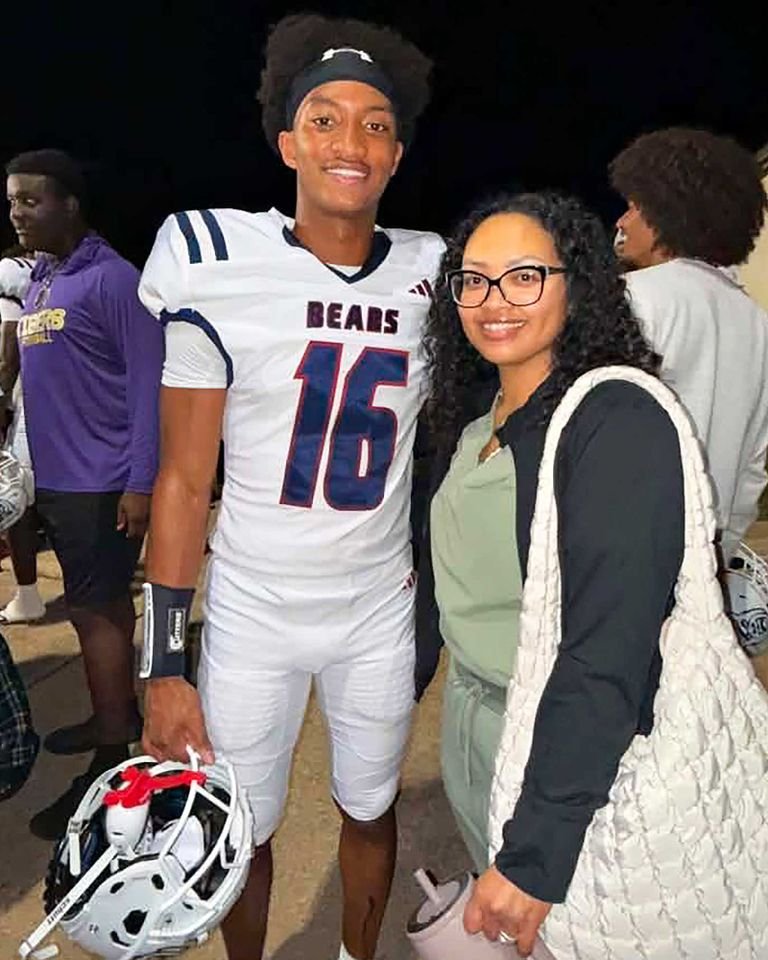
The planned return comes as the case remains unresolved. Wells, a Black 18-year-old college student and football player from Ocean Springs, Mississippi, traveled to Horn Island with friends during the Independence Day weekend. He disappeared after spending time on the island, and a search operation eventually led to the discovery of his body in the water near Horn Island on the morning of July 6, two days after he went missing. Early statements from local authorities indicated that investigators suspected drowning and had not found evidence of foul play. No person has been publicly charged with causing Wells’ death.
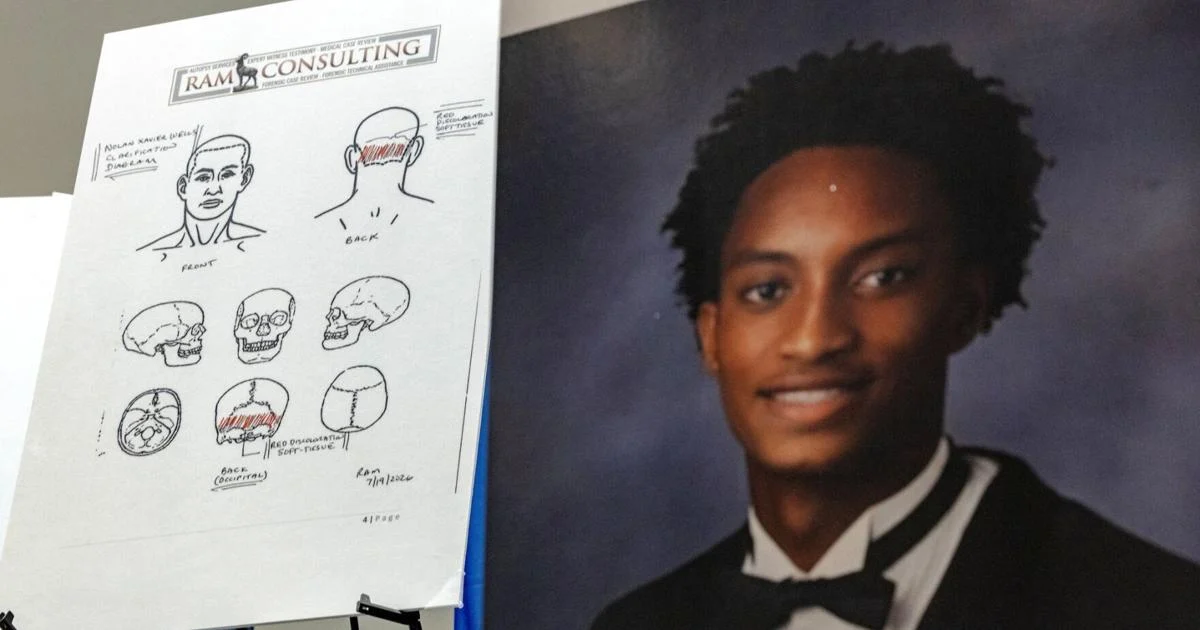
That initial assessment, however, did not end the questions surrounding the case. Wells’ family has continued to seek a more extensive investigation, while civil rights attorney Ben Crump has represented the family and publicly called for greater transparency. The family has also pursued an independent examination of the circumstances surrounding Wells’ death. The independent autopsy commissioned by the family did not establish a definitive cause or manner of death, leaving the circumstances unresolved.
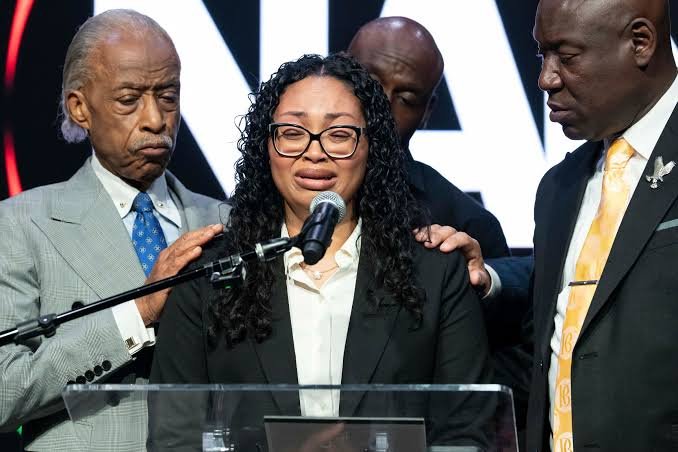
At the same time, the official autopsy process has moved forward. Authorities announced that the state medical examiner’s autopsy had been completed, but the results have not been publicly released. Instead, the findings are being provided to a Jackson County grand jury. The grand-jury process could become an important next step in determining whether the available evidence supports any criminal charges, although the submission of autopsy results to a grand jury does not by itself mean that investigators have determined Wells was the victim of a homicide.
The uncertainty surrounding the medical findings has become one of the central issues in the case. Public reporting has described differences between the official investigation and the independent examination commissioned by Wells’ family. Because the official findings remain confidential, however, it would be premature to draw conclusions about what caused Wells’ death or whether another person was responsible. What is established is that Wells was found dead after disappearing from the July Fourth outing and that authorities continue to examine the circumstances surrounding his death.
Another development came this week when the United Cajun Navy released a report compiling information gathered during its involvement in the search and subsequent review of the case. The organization said its report contains photographs, screenshots from videos, GPS coordinates, annotations and information submitted by members of the public. The material relates to activity around Horn Island on July 4 and is intended to help organize information that could be relevant to understanding what happened that day.
The organization has stressed that the report should not be treated as an official law-enforcement finding. Much of the material was submitted by members of the public, meaning that individual photographs, screenshots, statements and other information must still be independently verified. The report does not establish that Wells was murdered, nor does it identify a person responsible for his death. Instead, it brings together material that may help investigators, journalists and the public understand the timeline and identify questions that still need answers.
One of the most significant issues highlighted in recent reporting is the timeline surrounding Wells’ disappearance. Information collected by the United Cajun Navy and reported by People has drawn attention to a gap between the last reported sighting of Wells and the departure of the boat later that afternoon. That period has become important because establishing exactly where Wells was, who was with him, and what happened during those final moments could help investigators reconstruct the events leading to his disappearance. However, the existence of a timeline gap is not proof that a crime occurred. It is simply one of the unanswered questions investigators and the family continue to examine.
There have also been conflicting accounts and speculation surrounding what Wells intended to do after the group spent time on the island. Some reports have described claims that he chose to remain behind after meeting a girl, while members of his family have disputed aspects of that account. Because those details remain contested, they should not be presented as established facts. Investigators will ultimately need to rely on evidence, witness statements, digital records and forensic findings rather than assumptions or online speculation.
Wells’ family has also raised questions about his phone and digital information. Reporting has indicated that the family became concerned after discovering that some messages and photographs associated with July 4 had been deleted. The family has sought additional information involving social media and location data in an effort to establish a clearer picture of Wells’ movements and communications before he disappeared. Those efforts reflect the broader challenge facing the investigation: reconstructing a detailed timeline from multiple sources of evidence rather than relying on a single account.
The case has attracted significant attention beyond Mississippi, in part because Wells was a young Black man and the people who accompanied him were white. His death has therefore become part of a larger public discussion about race, trust in law enforcement and the history of racial injustice in Mississippi. Civil rights advocates and public figures have called for transparency, while Wells’ family has continued to insist that the investigation should leave no unanswered question unexplored.
At the same time, the intense public reaction to the case has produced another serious development. Federal authorities have charged several people in connection with alleged threats directed at individuals connected to the investigation, including a judge, a witness and local officials. Those cases are separate from the investigation into Wells’ death itself. The charges demonstrate how emotionally charged the case has become, but they should not be confused with evidence establishing what happened to Wells.
The attorneys representing Wells’ friends have also become increasingly active. Their position is that the young men should not be treated as guilty or portrayed as responsible for Wells’ death without evidence. By returning to Horn Island with counsel, they will be able to examine the environment for themselves and develop a clearer understanding of the location and the events described by witnesses. Their legal team has also indicated that it intends to challenge statements about the young men that it considers defamatory.
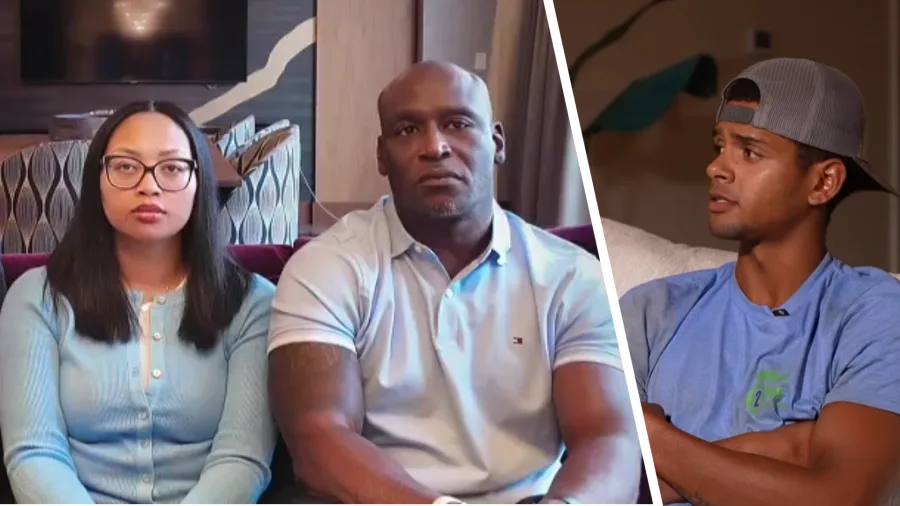
For Wells’ family, however, the central issue remains the same: they want to know what happened to Nolan during the final hours before his death. The family has continued to seek additional evidence and has offered a reward for information that could help advance the investigation. Their independent legal team has maintained pressure for transparency while authorities continue reviewing the official evidence.
The return to Horn Island could therefore become an important moment, even though it is not an official search operation. Seeing the island firsthand may allow Wells’ friends and their attorneys to better understand distances, terrain, possible routes and the physical conditions described in accounts of that day. It could also help them evaluate whether certain claims about the sequence of events are consistent with the actual geography of the island.
But the visit alone is unlikely to resolve the case. The most important answers will have to come from evidence capable of establishing a reliable timeline and explaining how Wells entered the water, what happened before his disappearance, and why he was ultimately found dead two days later. Until the official medical findings are released and investigators determine whether the evidence supports criminal charges, conclusions about homicide or accidental death remain premature.
The fact that the state autopsy has been completed and the findings are now headed to a grand jury represents a significant development. At the same time, the release of the United Cajun Navy’s report provides investigators and the public with additional material to review, while the planned return of Wells’ friends to Horn Island adds another layer to the ongoing effort to understand the location and timeline.
For now, Nolan Wells’ death remains an unresolved case. Authorities have not publicly identified a suspect in connection with his death, and there has been no public determination that he was murdered. The family continues to seek answers, the friends involved are defending themselves through attorneys, and investigators are still working through medical, digital, witness and physical evidence.
What happened to Nolan Wells on Horn Island remains the question at the center of everything that has followed. As investigators move toward the next stage of the case and the people closest to the events return to the island, the hope among those seeking answers is that the remaining gaps in the timeline can finally be filled with verified evidence rather than speculation. Until then, the circumstances of Wells’ death remain under investigation, and every new development must be weighed carefully against what has actually been established.