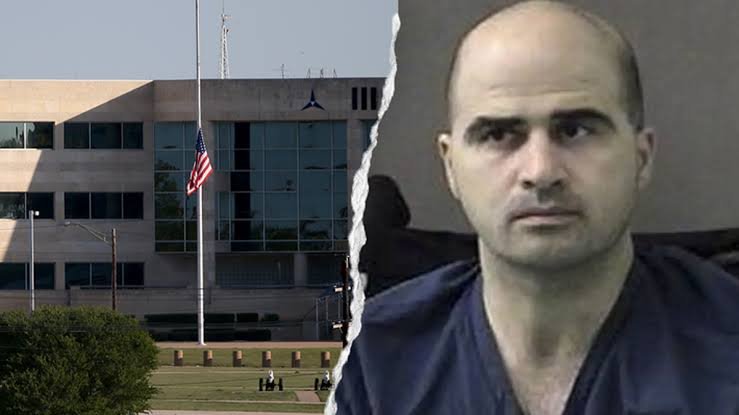
Nidal Hasan, the former U.S. Army psychiatrist convicted in the 2009 Fort Hood attack in Texas, is asking a federal judge to halt his scheduled execution while he prepares a new legal challenge to his sentence.
Hasan filed the request on November 24, 2026, seeking additional time to submit a habeas corpus petition arguing that his conviction and capital sentence violated his constitutional and legal rights. His execution is currently scheduled for December 3 at the military installation in Texas.
The legal move could delay the federal government’s plans, adding another development to a case that has remained significant for survivors, victims’ families and the military community for nearly 17 years.
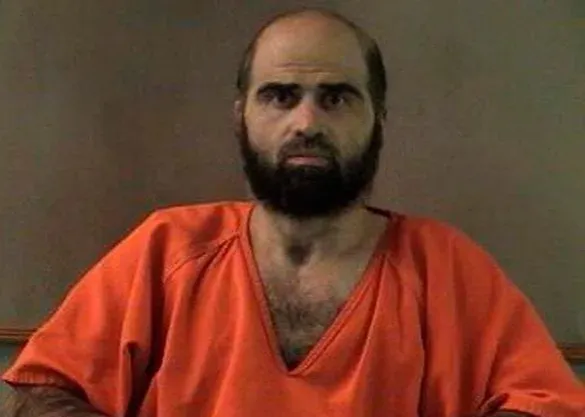
Hasan Challenges His Original Trial
In his court filing, Hasan argues that his constitutional rights were violated during the military proceedings that resulted in his capital sentence. He also intends to challenge restrictions placed on his defense during his 2013 trial.
One of his central arguments concerns his attempt to claim that his actions were intended to protect members of the Afghan Taliban from American military forces. The military judge previously prohibited him from presenting that argument to the jury.
Hasan represented himself during the trial after dismissing his defense attorneys. He called no witnesses in his defense and did not deliver a closing argument. The jury ultimately convicted him of multiple counts connected to the attack and imposed a capital sentence.
The American Civil Liberties Union and its Kansas affiliate are assisting Hasan as standby legal counsel in his latest effort, although he intends to continue representing himself.
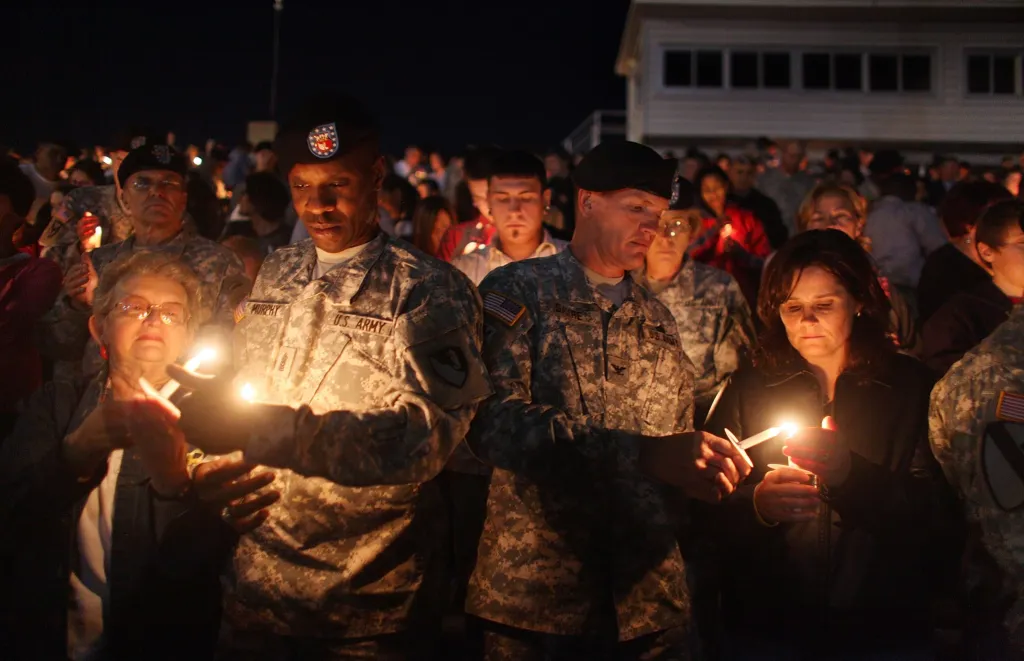
The 2009 Fort Hood Attack
The case dates back to November 5, 2009, when Hasan opened fire at Fort Hood while soldiers were gathered at a military readiness center.
Thirteen people lost their lives and more than 30 others were injured. The victims included military personnel and one civilian.
Hasan, who served as an Army psychiatrist and major, was convicted following a military trial in 2013. His case became one of the most closely watched military criminal proceedings in the United States.
The upcoming execution would take place at the same Texas military installation where the attack occurred.

Survivors Face Another Dispute Over The Execution
Another development has emerged involving three survivors who requested permission to witness Hasan’s scheduled execution.
Military officials rejected their requests, explaining that regulations restrict attendance to certain categories of victims and witnesses. The Army also cited security and available space as reasons for maintaining the decision.
The survivors argued that the definition of a victim should include people who experienced emotional and psychological harm, even if they were not physically struck during the attack.
Retired Colonel Kathy Platoni was among those who expressed disappointment with the decision. She said she wanted the opportunity to face Hasan and demonstrate that his actions had not defeated her.
Other survivors have also spoken about the lasting impact of the 2009 incident and their desire to have the attack formally recognized as domestic terrorism rather than workplace violence.
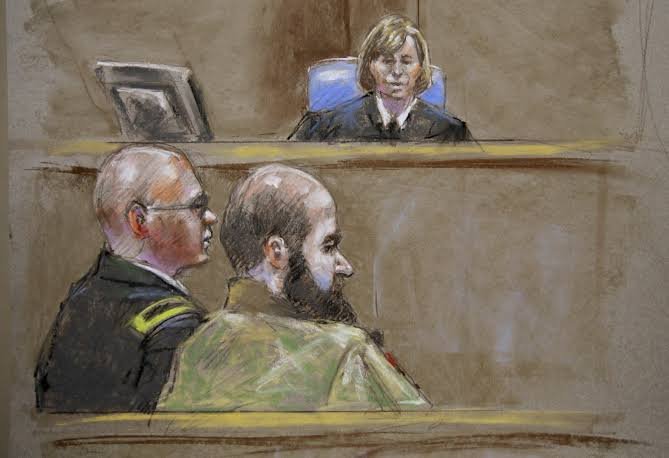
What Happens Next?
Hasan’s request places the December 3 execution date under renewed legal scrutiny. A federal judge in Kansas is expected to consider his request for a stay and whether his proposed constitutional challenge can proceed.
If the court grants additional time, the execution could be postponed while the legal arguments are reviewed. However, the outcome of the request remains uncertain.
The case also raises broader questions about constitutional protections, military justice and the legal procedures surrounding capital punishment.
For the families and survivors of the Fort Hood attack, the latest court developments bring back attention to an event that has shaped their lives for years.
As the December 3 date approaches, the federal court’s decision will determine whether the scheduled execution moves forward or faces another delay. Meanwhile, Hasan continues his effort to challenge the sentence imposed more than a decade ago.