
An execution in Texas has drawn renewed attention to the state’s lethal injection procedures after prison staff reportedly spent considerable time trying to locate suitable veins before administering the required medication.
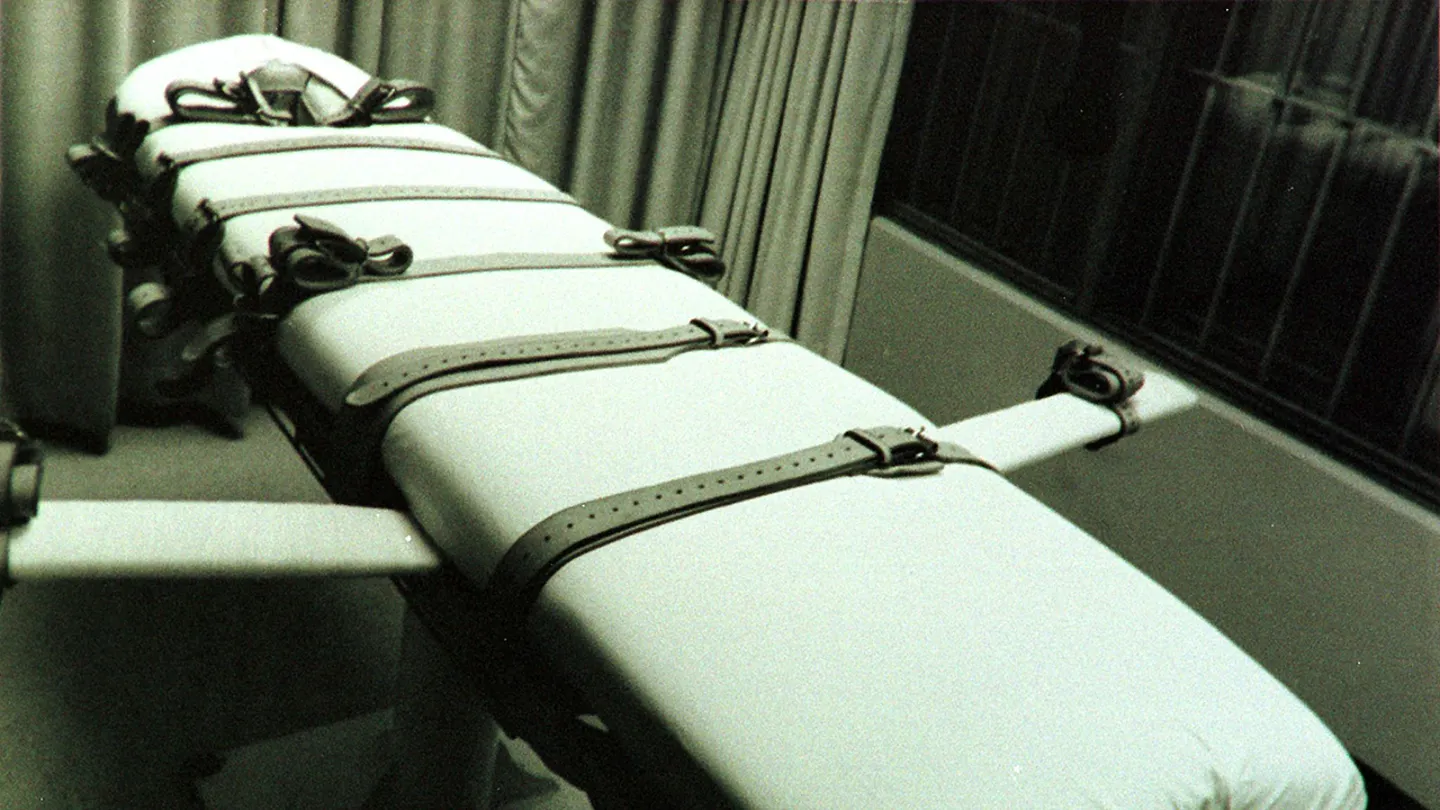
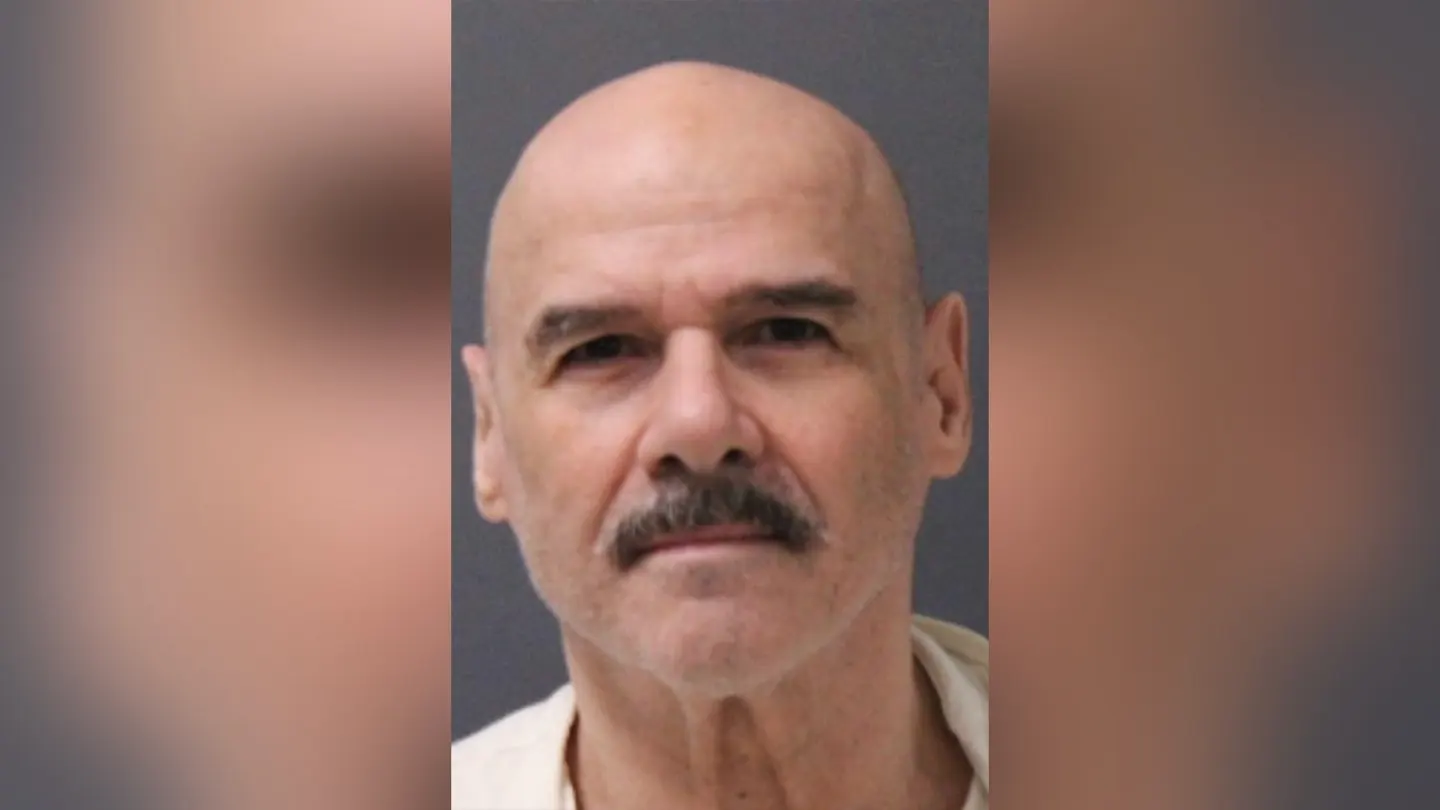
Reinaldo Dennes, 70, was pronounced dead on November 19, 2026, at the Huntsville penitentiary. The procedure lasted approximately 63 minutes from the time he was strapped to the execution table, significantly longer than the process typically takes.
According to witnesses, staff members experienced repeated difficulties locating suitable veins for the intravenous lines. Eventually, the medical team placed the needles in Dennes’ left foot and the left side of his neck.
The situation became even more concerning when Dennes began repeatedly complaining of pain during the procedure.

Inmate Repeatedly Reported Pain During The Procedure
Witness accounts described Dennes moaning, groaning and asking for relief as the process continued. At one point, he reportedly complained about severe discomfort in his right leg and questioned whether what was happening was normal.
The medication began flowing at approximately 6:52 p.m. He was pronounced dead at 7:08 p.m., according to prison officials.
An Associated Press reporter who witnessed the procedure described it as unusually prolonged compared with other executions he had observed.
Texas Department of Criminal Justice spokesperson Amanda Hernandez acknowledged that staff had made several unsuccessful attempts to locate suitable veins. However, she maintained that the execution team followed established procedures and denied that anything abnormal had occurred.
She also questioned some of Dennes’ complaints, noting that he reported discomfort before the medication began flowing and in areas where no intravenous lines had been placed.
Who Was Reinaldo Dennes?
Dennes was sentenced to capital punishment for the January 1996 killing of Houston diamond dealer Janos Szucs.
According to court records, Szucs was found inside his office after a robbery involving valuable diamonds and approximately $200,000 in cash. Investigators said Dennes and his brother were connected to the incident, while a security guard who survived being shot identified Dennes.
The stolen diamonds were never recovered.
Dennes’ brother, Jose Albert Dennes, later pleaded guilty in connection with the case and received a 45-year prison sentence. He was released on parole in 2019.
Dennes maintained his faith during his final statement and expressed affection for his loved ones before the procedure began.
Renewed Questions About Execution Procedures
The Texas case comes amid wider scrutiny of lethal injection procedures following a failed execution attempt involving Christa Pike in Tennessee in September 2026.
Pike survived two doses of the medication, with her attorneys raising concerns about whether the drugs had properly entered her bloodstream.
The circumstances surrounding Dennes’ execution have added another development to the ongoing debate over how reliably these procedures can be carried out.
While Texas officials insist that established protocols were followed, the reported difficulty locating suitable veins and the inmate’s repeated complaints have prompted questions about what happened inside the execution chamber.
For now, officials have maintained that the procedure was completed according to state requirements. The incident is likely to remain part of broader discussions about execution practices and the safeguards used during lethal injections.