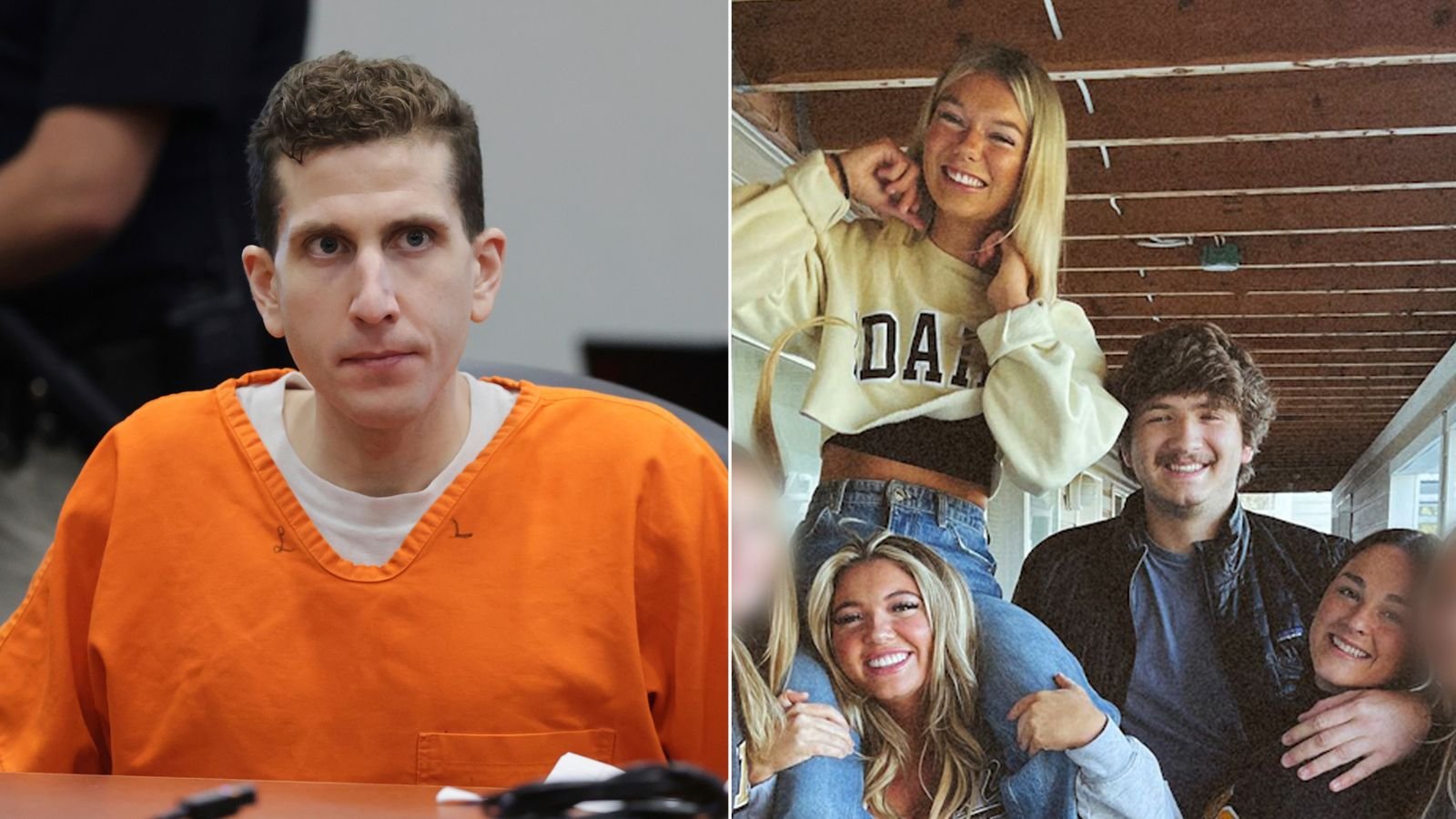
More than three years after four University of Idaho students were brutally killed inside an off-campus home in Moscow, Idaho, the families of the victims are once again being forced to confront the case after Bryan Kohberger began an effort to withdraw the guilty plea that sent him to prison for life.
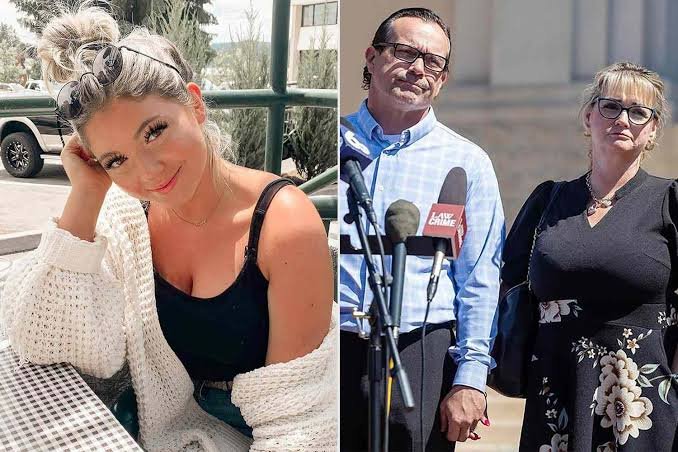
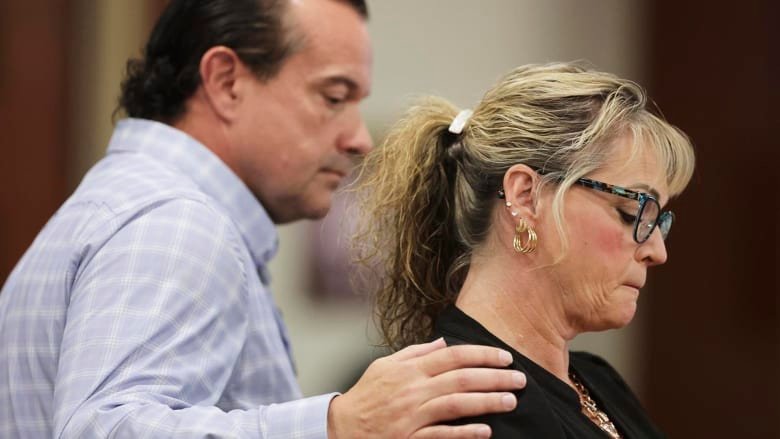
For Kaylee Goncalves’ parents, Kristi and Steve Goncalves, the possibility that Kohberger could attempt to reopen the case has brought back emotions they had hoped would remain in the past. The couple have spoken publicly about their struggle to process what happened to their daughter and their anger over Kohberger’s latest legal move, particularly because he previously admitted responsibility for the killings and accepted a sentence that spared him from the death penalty.
Kohberger pleaded guilty in July 2025 to four counts of first-degree murder and one count of felony burglary in connection with the deaths of Kaylee Goncalves, Madison Mogen, Xana Kernodle and Ethan Chapin. Under the agreement, prosecutors agreed not to pursue the death penalty, while Kohberger accepted four consecutive life sentences without the possibility of parole, plus an additional 10 years for burglary. He was sentenced later that month.
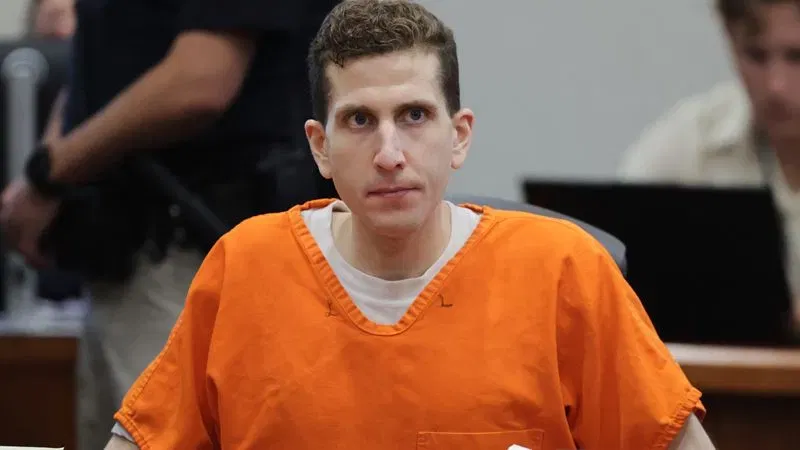
Now, roughly a year after that plea and sentencing, Kohberger is attempting to challenge the decision that ended the criminal trial before a jury could hear the case.
In a post-conviction petition, Kohberger claims that his guilty plea was not truly voluntary and argues that his defense attorneys provided ineffective assistance. He alleges that his lawyers pressured him into accepting the agreement, made promises about his future prison conditions and gave him information that he says influenced his decision to plead guilty. He has also alleged that his attorneys failed to properly disclose information he considers potentially favorable to his defense.
The petition does not automatically erase his conviction or guarantee that he will receive a new trial. Instead, it begins another legal process in which the court must determine whether Kohberger has established grounds for post-conviction relief and whether his guilty plea should be withdrawn.
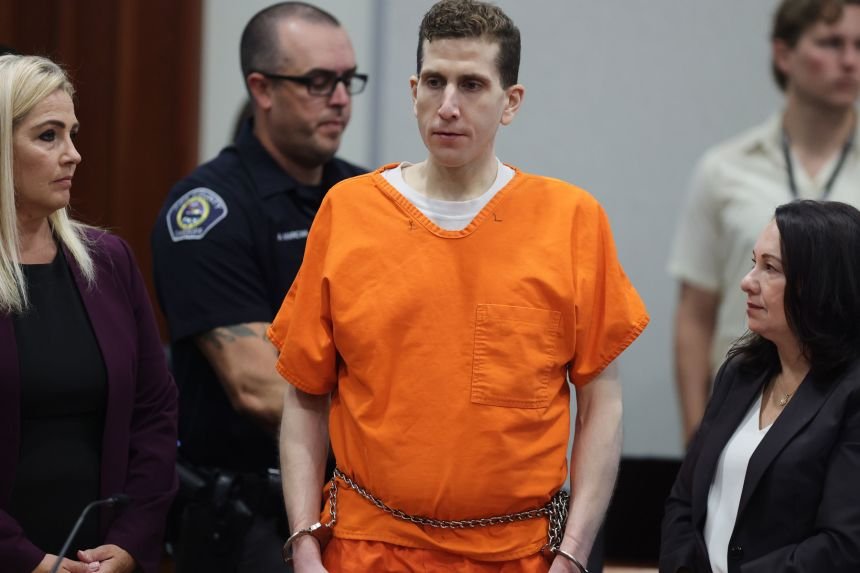
That distinction is important. Kohberger remains convicted and incarcerated, and his request is only an attempt to reopen the case. A judge would have to grant his request before the underlying criminal proceedings could move toward a new trial.
For the Goncalves family, however, the legal technicalities do little to soften the emotional impact.
Kristi Goncalves recently spoke about the difficulty she has had with the idea of forgiving Kohberger. In an interview with Fox News, she questioned how she could forgive someone she believes deliberately caused such horrific suffering to her daughter and the other victims. She described the prospect of forgiveness as something she continues to struggle with rather than something she can simply decide to grant.
Her husband, Steve Goncalves, has likewise expressed anger over Kohberger’s effort to challenge the plea agreement. The family had already endured years of uncertainty while prosecutors prepared the case, followed by the emotional experience of seeing Kohberger admit guilt in court. His attempt to reverse that decision has therefore reopened wounds that the family believed might finally begin to heal.
The four victims were killed in the early morning hours of November 13, 2022, at a rental house near the University of Idaho campus. Kaylee, Madison, Xana and Ethan were all students, and their deaths shocked the university community and attracted national attention.
Investigators eventually identified Kohberger as the suspect, and he was arrested in Pennsylvania on December 30, 2022. Prosecutors initially pursued the possibility of a death sentence, and the case was headed toward a highly anticipated trial after Kohberger maintained his innocence for years.
The legal strategy changed dramatically in 2025.
Rather than proceed to a jury trial where prosecutors would have been required to prove every element of the case beyond a reasonable doubt, Kohberger agreed to plead guilty. The agreement removed the possibility of a death sentence but guaranteed that he would spend the rest of his life in prison without parole.
During the plea proceedings, Kohberger acknowledged responsibility for the four murders. That admission brought an unusual conclusion to a case that had generated enormous public interest and had been expected to produce a lengthy courtroom battle over DNA evidence, surveillance footage, phone records and other investigative evidence.
Among the evidence prosecutors had previously disclosed was DNA evidence connecting Kohberger to a knife sheath discovered at the crime scene. That evidence became an important part of the prosecution’s case before the guilty plea ended the need for a full trial.
The absence of a traditional trial also meant that many questions the public expected to be explored in court were never fully litigated before a jury.
Kohberger’s current petition appears to be an attempt to reopen that chapter. His allegations center on the conduct and advice of his former defense attorneys. He claims that they improperly influenced his decision and that he would not have entered the guilty plea had he been given different advice or information. His claims remain allegations at this stage and have not been established as fact.
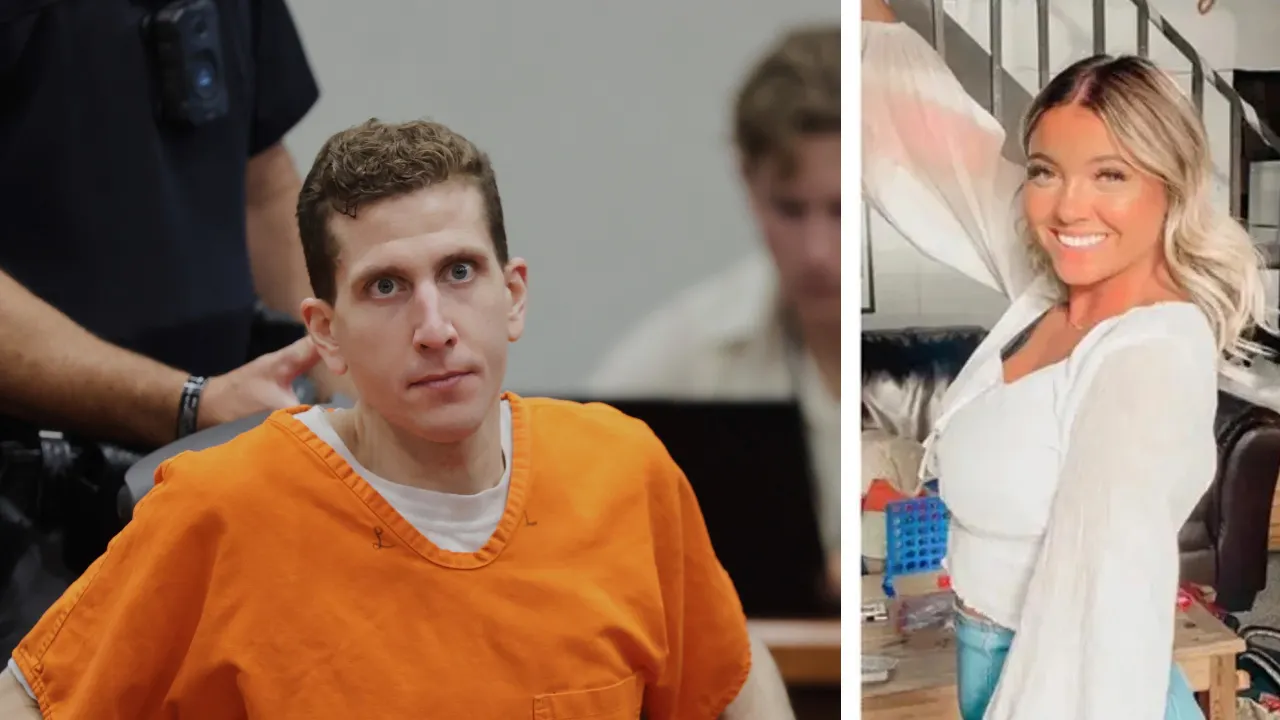
A new public defender, Gregory Richard Rauch, has been appointed to represent Kohberger in the post-conviction proceedings. The appointment comes as the court begins dealing with his effort to challenge the plea and conviction.
The legal stakes could be significant if Kohberger ultimately succeeds.
His 2025 plea agreement removed the possibility of capital punishment. If the plea were vacated and the case returned to the trial stage, the legal circumstances could change substantially. The Guardian reported that a successful effort to withdraw the plea could potentially put the death penalty back into consideration, depending on how the case proceeds and what prosecutors seek.
For the victims’ families, that possibility adds another layer of uncertainty.
They have already spent years living with the consequences of the killings. Kaylee’s parents in particular have remained highly vocal about their daughter and about their desire for accountability. They have repeatedly emphasized that Kaylee, Madison, Xana and Ethan were young people with families, friends and futures that were taken away.
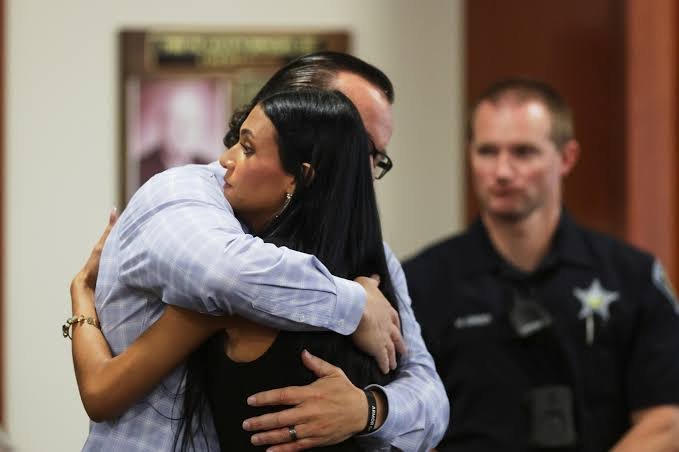
The question of forgiveness is therefore complicated by the fact that the families have not simply been dealing with grief. They have also had to follow an extraordinarily long criminal process, including Kohberger’s arrest, pretrial proceedings, changes in venue, disputes over evidence and ultimately the guilty plea.
Now they are watching another legal chapter unfold.
For Kristi Goncalves, forgiveness does not appear to mean forgetting what happened to her daughter. Her comments instead reveal the emotional conflict faced by many victims’ families: the desire to move forward while knowing that the person responsible may continue to challenge the consequences of his actions.
She has also expressed disbelief and frustration over what she sees as a lack of remorse from Kohberger. That perception has intensified her anger over the effort to undo his guilty plea.
The families’ reactions also highlight the difference between a legal challenge and a factual denial. Kohberger’s current petition does not amount to a public declaration that the murders did not happen or that someone else committed them. Rather, he is challenging the validity of the plea through post-conviction proceedings, arguing that his attorneys’ conduct affected his decision to accept the agreement.
The court will ultimately have to determine whether those allegations meet the legal standard necessary to overturn the plea.
Until then, Kohberger’s convictions remain in place.
The case has already taken an unusual path. A crime that initially appeared destined for one of the most closely watched murder trials in recent American history instead ended with a guilty plea shortly before the scheduled trial. The plea provided certainty for prosecutors and prevented the death penalty, but it also meant that the public never heard the entire case presented through a conventional jury trial.
Kohberger’s latest petition has therefore reignited interest in evidence and legal arguments that had largely disappeared from public attention after his sentencing.
For the Goncalves family, however, the most important issue is not whether the case will generate another round of headlines. It is what the process means for the memory of Kaylee and the other three victims.
Kaylee was 21 years old when she was killed. She had been a student at the University of Idaho and was preparing for the next stage of her life. Her parents have spent the years since her death trying to preserve her memory while also navigating a criminal justice process that has repeatedly forced them to revisit the circumstances of her final hours.
The same is true for the families of Madison Mogen, Xana Kernodle and Ethan Chapin.
Whatever happens with Kohberger’s petition, the four victims remain at the center of the case.
The legal system will now determine whether Kohberger’s claims about his attorneys and his guilty plea have enough merit to move forward. His allegations will have to be evaluated through court proceedings rather than through public opinion or media speculation.
For the families, though, the emotional consequences are immediate.
They had already endured the pain of losing their children and the years of waiting for justice. Kohberger’s attempt to withdraw his guilty plea has brought back many of the emotions surrounding the case and forced them to confront the possibility that the legal process could continue for years longer.
Kristi and Steve Goncalves have made clear that they do not want their daughter’s story reduced to the actions of the man who killed her. Their continuing public statements are also an effort to keep Kaylee’s identity and life at the center of a case that has increasingly become defined by legal arguments surrounding her killer.
For now, Bryan Kohberger remains behind bars serving four consecutive life sentences without parole, along with the additional sentence for burglary. His attempt to withdraw his guilty plea is still only a legal request, not a court ruling.
Whether he will ultimately be permitted to withdraw that plea remains to be decided.
But for the families of Kaylee Goncalves, Madison Mogen, Xana Kernodle and Ethan Chapin, the latest development serves as another painful reminder that even after a conviction and sentencing, the legal battle surrounding the murders may not yet be over.