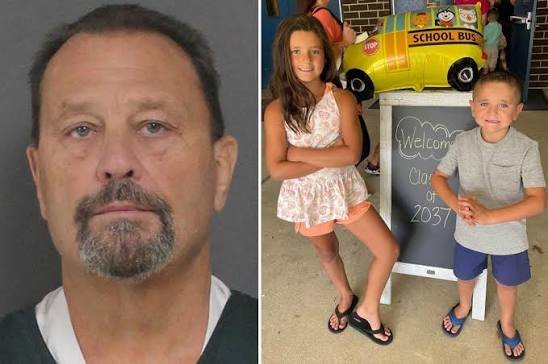
A heartbreaking New Jersey family tragedy took another emotional turn this week when the father of two young children killed in a Barnegat Bay boating crash asked a judge to release the children’s grandfather from jail, even as prosecutors revealed that the man allegedly had a blood alcohol level twice the legal limit when the fatal collision occurred.
Stephen Schneider, 64, of Bayville, New Jersey, was ordered released under conditions following a court hearing Wednesday, August 19. Schneider is facing two counts of reckless vessel homicide or death by vessel, along with charges related to operating a boat under the influence of alcohol and reckless operation of a vessel. The charges stem from the July 19 crash that claimed the lives of his grandchildren, 9-year-old Mya Bella Golabek and 7-year-old Sigmund “Siggy” Paul Golabek, 7.

The decision to seek Schneider’s release was particularly emotional because the people asking the court to show him leniency were the parents of the two children who died. According to reporting from the New York Post and other outlets, the children’s father submitted a letter supporting Schneider’s release, describing the devastating circumstances facing the family while also expressing a desire to have the children’s grandfather present rather than remain behind bars.
The family’s position illustrates the extraordinary conflict surrounding the case. Schneider is accused of operating the boat while impaired, and prosecutors say his alcohol level was approximately 0.16 after the crash, roughly twice New Jersey’s legal limit. Yet he is also the grandfather of the two children who died, and the family must now deal with both their grief and the criminal case involving a close relative.
The tragedy unfolded on the night of July 19 after members of the extended family had spent time together for dinner at MJ’s Restaurant in Bayville. The children had initially been with their parents, who were traveling separately, but after the meal they chose to return toward their grandparents’ home aboard Schneider’s boat. The decision seemed like an ordinary family arrangement at the time. Instead, it became the final journey of both children.
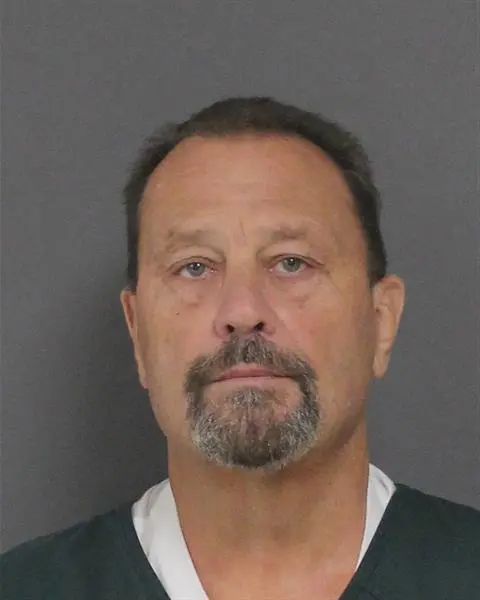
Schneider was operating a large Tidewater center-console boat in Barnegat Bay when the vessel struck a wooden channel marker at approximately 9 p.m. The impact was severe enough to throw both children from the boat and into the water. Although Mya and Sigmund were wearing life jackets, they were found in the water and pulled back to shore by adults aboard the vessel.
Schneider and his wife, Laurie Schneider, attempted to help the children and performed CPR before emergency responders took over. The children were transported to a hospital, but despite efforts to save them, both died from their injuries.
The crash immediately triggered an investigation by New Jersey State Police and other authorities. Investigators determined that alcohol impairment was involved, according to court documents and statements presented during the subsequent legal proceedings.
Schneider reportedly told investigators that he had consumed three beers over approximately two hours while the family was at dinner. Prosecutors later presented evidence indicating that his blood alcohol concentration following the crash was about 0.16. The figure became a major point of contention during the detention hearing because it was approximately twice the legal limit for operating a motor vehicle in New Jersey.
Authorities have also described Schneider as being significantly impaired at the time of the crash. According to the investigation, his alertness, judgment, perception, coordination and response time were affected by alcohol. Prosecutors argued that the alleged level of intoxication and the circumstances of the crash justified keeping him detained while the case proceeded.
The defense presented a different perspective.
Schneider’s attorney, William Cunningham, argued that his client should be released, pointing to his medical condition following the crash and the family’s support for his return home. The defense also questioned aspects of the accident itself, including whether the channel marker was properly illuminated. Schneider’s attorneys have indicated that they intend to examine the circumstances surrounding the collision and challenge aspects of the state’s evidence, including the blood alcohol evidence.
The defense position does not mean that Schneider has been cleared of wrongdoing. He remains charged, and the allegations will ultimately have to be resolved through the legal process.
During Wednesday’s hearing, Judge Wendel Daniels approved Schneider’s release under conditions. The decision means Schneider will be allowed to remain outside jail while the case moves forward, although restrictions were imposed on him. Among the conditions reported by multiple outlets is a temporary prohibition on operating boats or motor vehicles while he undergoes a court-ordered assessment.
His release is another difficult development for the family. Schneider is not simply a defendant in a criminal case; he is the grandfather of the two children whose lives ended in the crash. The children’s parents therefore find themselves in an unusual and painful position, grieving their son and daughter while simultaneously asking the court to allow the man accused in connection with their deaths to remain with the family.
The father’s letter reportedly emphasized Schneider’s character and the family’s need for his presence during an unimaginable period of grief. The request does not erase the circumstances of the crash or the seriousness of the charges, but it demonstrates the complicated emotions surrounding the case.
For prosecutors, however, the central issue is the alleged decision to operate a large boat after drinking. Their argument is that the reported blood alcohol level and the resulting impairment made Schneider a significant danger on the water. The fact that the crash occurred at night and involved a collision with a fixed channel marker has added to the state’s concerns.
The case also comes during a particularly difficult summer on Ocean County waterways, where several fatal boating incidents have occurred. Local authorities and boating-safety officials have repeatedly urged operators to exercise caution, particularly at night and around channel markers and other navigational hazards.
Barnegat Bay can become particularly challenging after dark. Channel markers are intended to help boat operators navigate waterways, but visibility, speed, weather, alcohol and operator attention can all affect a boater’s ability to safely interpret and respond to those markers. In Schneider’s case, investigators are examining the precise circumstances surrounding the collision, including questions raised by the defense about the marker’s lighting.
The tragedy has also renewed attention to the dangers of alcohol consumption while operating boats. Although boating and drinking are often associated with summer recreation, the consequences can be severe because alcohol can affect balance, judgment, reaction time and decision-making. On a moving vessel, those impairments can become especially dangerous because the environment is constantly changing and stopping a boat is not as simple as stopping a car.
For the Golabek family, however, the discussion is much more personal than statistics about boating accidents.
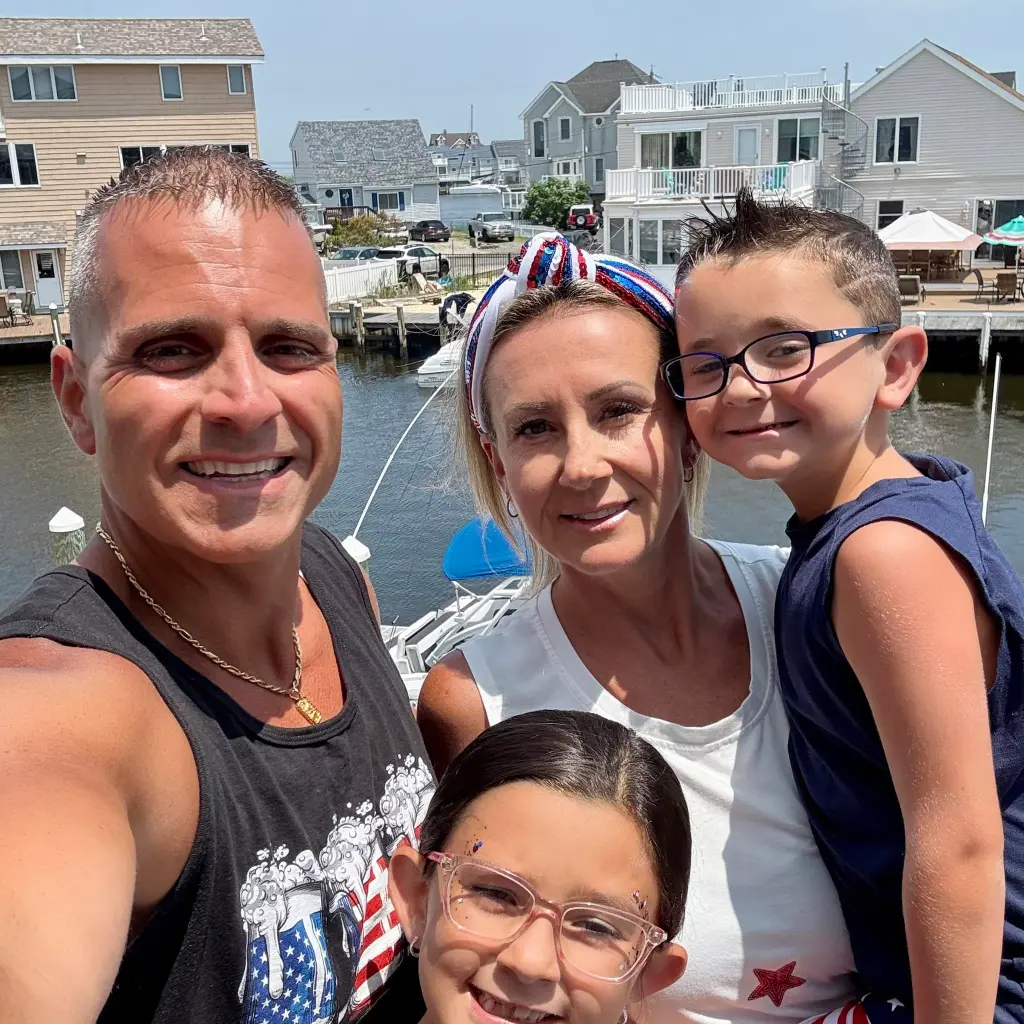
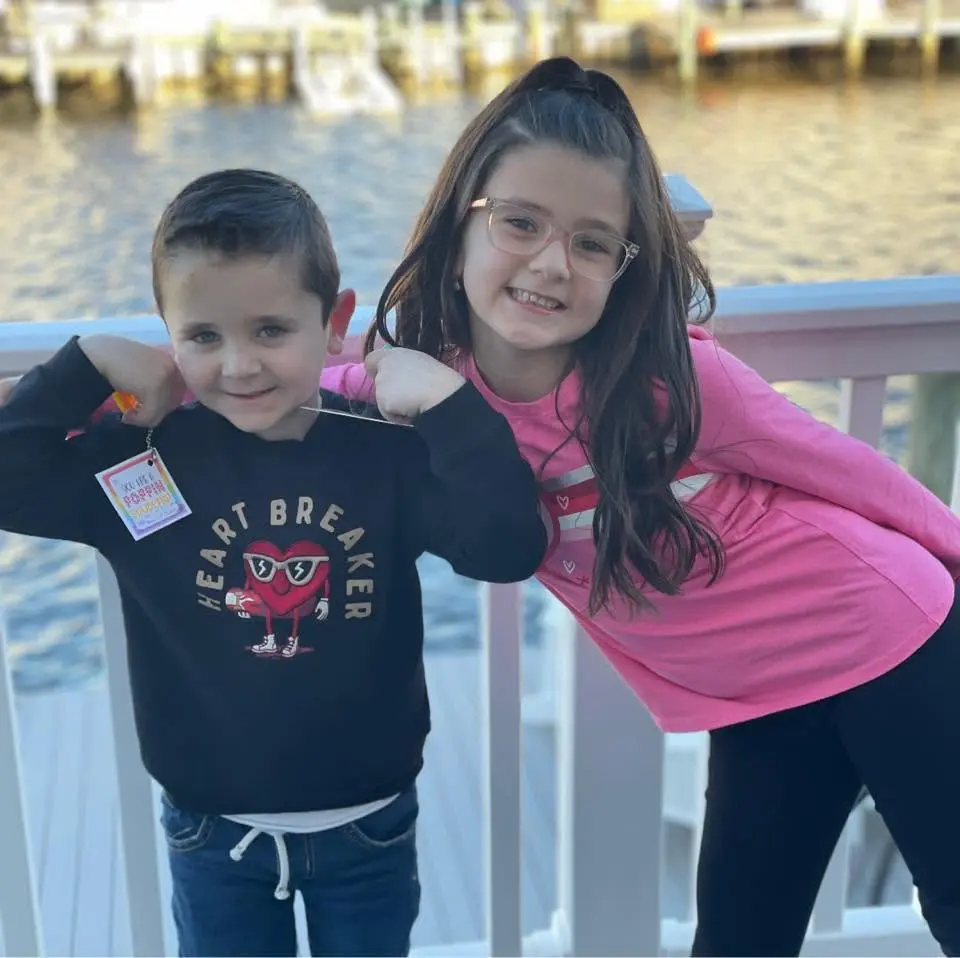
Mya was only 9 years old. Her younger brother Sigmund was 7. They were children who had gone out with their family on what was supposed to be an ordinary summer evening. Their deaths have left their parents and relatives facing a loss that cannot be undone.
The fact that their grandfather was operating the boat has made the tragedy even more difficult. There is now a criminal case attached to the deaths, but there is also a family relationship that cannot simply be separated from the legal proceedings.
The court’s decision to release Schneider does not determine whether he will ultimately be convicted. It only establishes that he can remain out of custody under specified conditions while the prosecution and defense prepare their cases.
Schneider’s next reported court appearance is scheduled for September 15. At that stage, the case could move closer to determining how the charges will proceed and what additional evidence prosecutors and defense attorneys intend to present.
The prosecution will likely continue relying on evidence gathered after the crash, including the blood alcohol testing, witness statements, physical evidence from the boat and the surrounding waterway, and the findings of investigators who reconstructed the collision.
The defense, meanwhile, is expected to continue challenging the state’s interpretation of the evidence. Questions about the channel marker, the circumstances of the collision and the reliability or interpretation of the alcohol testing could become important issues as the case develops.
At this point, Schneider has not been convicted of any crime. The charges against him are allegations, and he remains entitled to the presumption of innocence throughout the legal process.
But regardless of what ultimately happens in court, the July 19 crash has already permanently changed one New Jersey family.
Two children who were supposed to spend a summer evening with their grandparents never made it home. Their parents are now mourning the loss of both Mya and Sigmund while navigating a criminal case involving someone who was part of their own family.
The father’s decision to ask for Schneider’s release reflects just how complicated grief can become when the person accused of causing a devastating accident is also someone the family loves. It is possible to demand accountability while still recognizing a person’s place within a family. It is possible to be devastated by the loss of two children while also believing their grandfather should not spend the remainder of the case behind bars.
That tension will remain as the legal process continues.
For now, Stephen Schneider is out of jail under court-ordered conditions, the charges against him remain pending, and the investigation into the fatal Barnegat Bay collision continues through the court system. The next major developments are likely to focus on the evidence surrounding the crash, the alleged alcohol impairment, the defense’s questions about the navigation marker and the circumstances that led a family boat trip to end in the deaths of two children.
For Mya and Sigmund’s parents, however, no court ruling can change the central fact of this tragedy. Their children are gone, and their family will have to live with the consequences of that night for the rest of their lives.
The legal case will determine responsibility under the law. But for the family, the loss is already permanent.