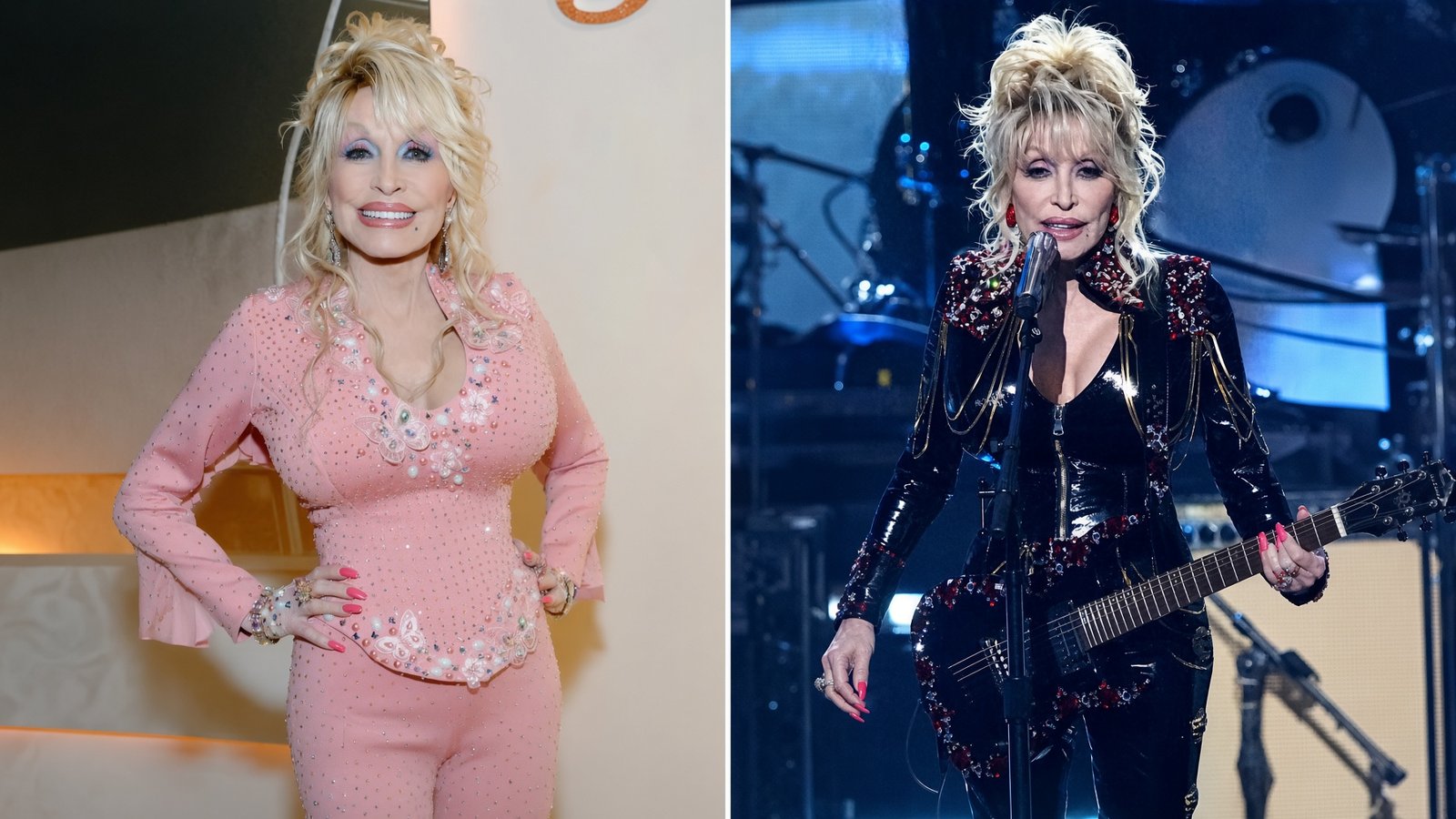
Dolly Parton, the legendary country singer, songwriter, actress and philanthropist whose career stretched across nearly six decades, has died at the age of 80.
Parton died Tuesday, August 25, in Nashville, Tennessee, at the Vanderbilt-Ingram Cancer Center, surrounded by loved ones, according to a statement from her publicist. Her representative said she had been facing a brief battle with cancer. The specific type of cancer has not been publicly disclosed.
Her death marks the end of one of the most remarkable careers in American entertainment.
For generations of fans, Dolly Parton was far more than a country music star. She was a songwriter whose compositions became standards, a performer who successfully crossed into pop music and Hollywood, a businesswoman who built Dollywood into a major Tennessee attraction, and a philanthropist whose work touched millions of children and families.
News of her death quickly prompted an extraordinary wave of tributes from musicians, actors, political leaders and fans around the world.
Taylor Swift was among those paying tribute, saying that a world without Parton did not feel possible and remembering her for the combination of grace, determination and generosity that defined her public life. Beyoncé described Parton as a “north star” and praised her artistry, heart, humor and entrepreneurial spirit.
Elton John also described Parton as unique and irreplaceable, while Reba McEntire, Jane Fonda, Lily Tomlin and many other longtime friends and collaborators shared their own memories of the country icon.
A career that began in poverty and reached the world
Parton’s story was rooted in the mountains of East Tennessee, where she grew up in a large and poor family.
She was one of 12 children born to Robert Lee Parton, a tobacco farmer, and Avie Lee Parton. Music was part of her childhood, and she began writing songs when she was very young.
By her early teens, Parton was already performing professionally. After graduating from high school, she moved to Nashville to pursue a career in music.
Her breakthrough came through her work with country performer Porter Wagoner. The partnership helped introduce her to a national audience, but Parton eventually wanted to establish herself as a solo artist.
One of the most important songs she wrote during that transition was “I Will Always Love You,” which she wrote as a farewell to Wagoner when she decided to leave his television show and pursue her own career.
The song would later become an enormous international hit when Whitney Houston recorded it for the 1992 film The Bodyguard.
But the success of Houston’s version did not diminish Parton’s achievement as the original songwriter. Instead, it introduced one of her most famous compositions to an entirely new generation.
From country star to global icon
Parton’s catalog eventually grew to include thousands of songs and some of the most recognizable titles in country music.
Among them were “Jolene,” “Coat of Many Colors” and “I Will Always Love You.”
Her career also expanded well beyond traditional country music.
In 1980, she made her major film debut in 9 to 5, starring alongside Jane Fonda and Lily Tomlin. The movie became a major success, while Parton’s title song became one of her signature recordings and earned Grammy recognition.
She later appeared in films including The Best Little Whorehouse in Texas and Steel Magnolias, demonstrating that her appeal extended beyond the recording studio.
Parton’s ability to move between country, pop, television and film helped make her one of the most recognizable entertainers in the world.
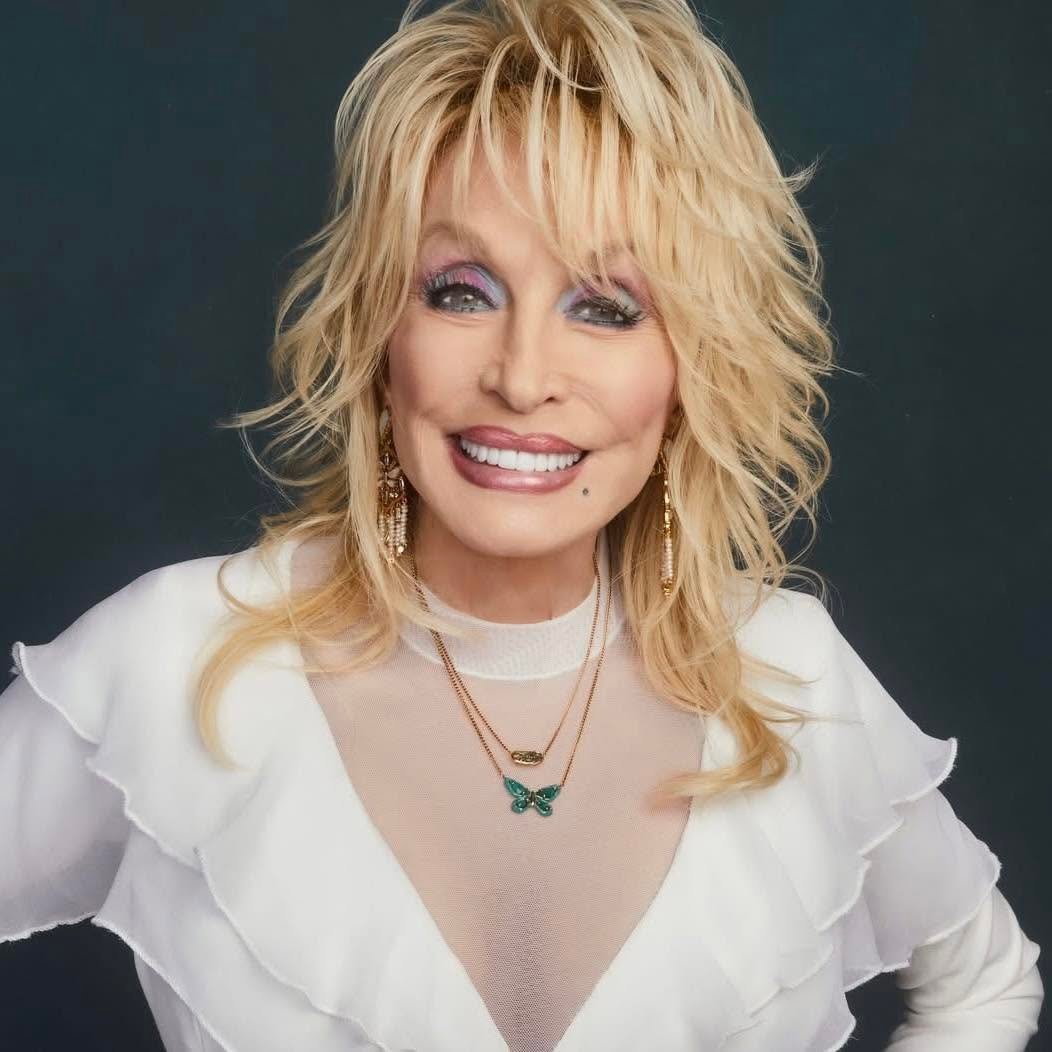
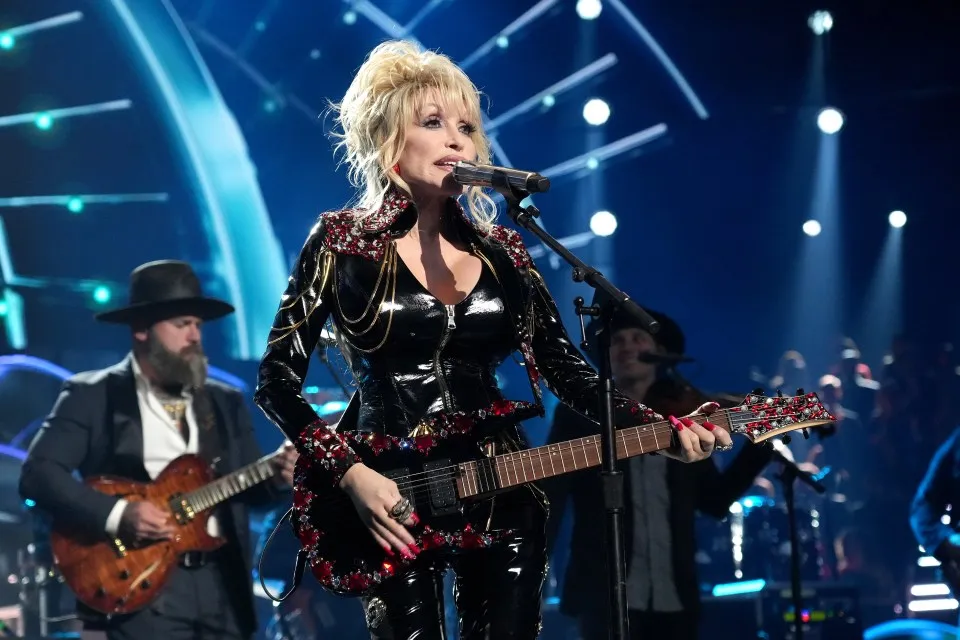
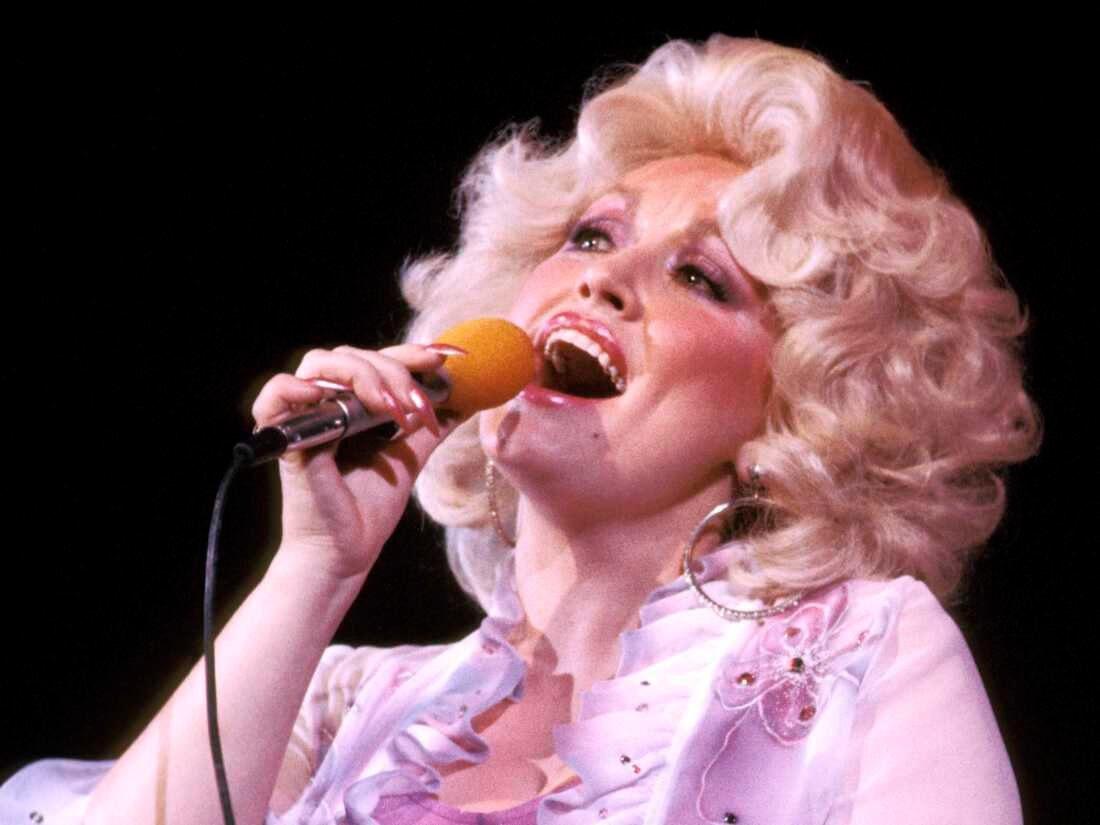
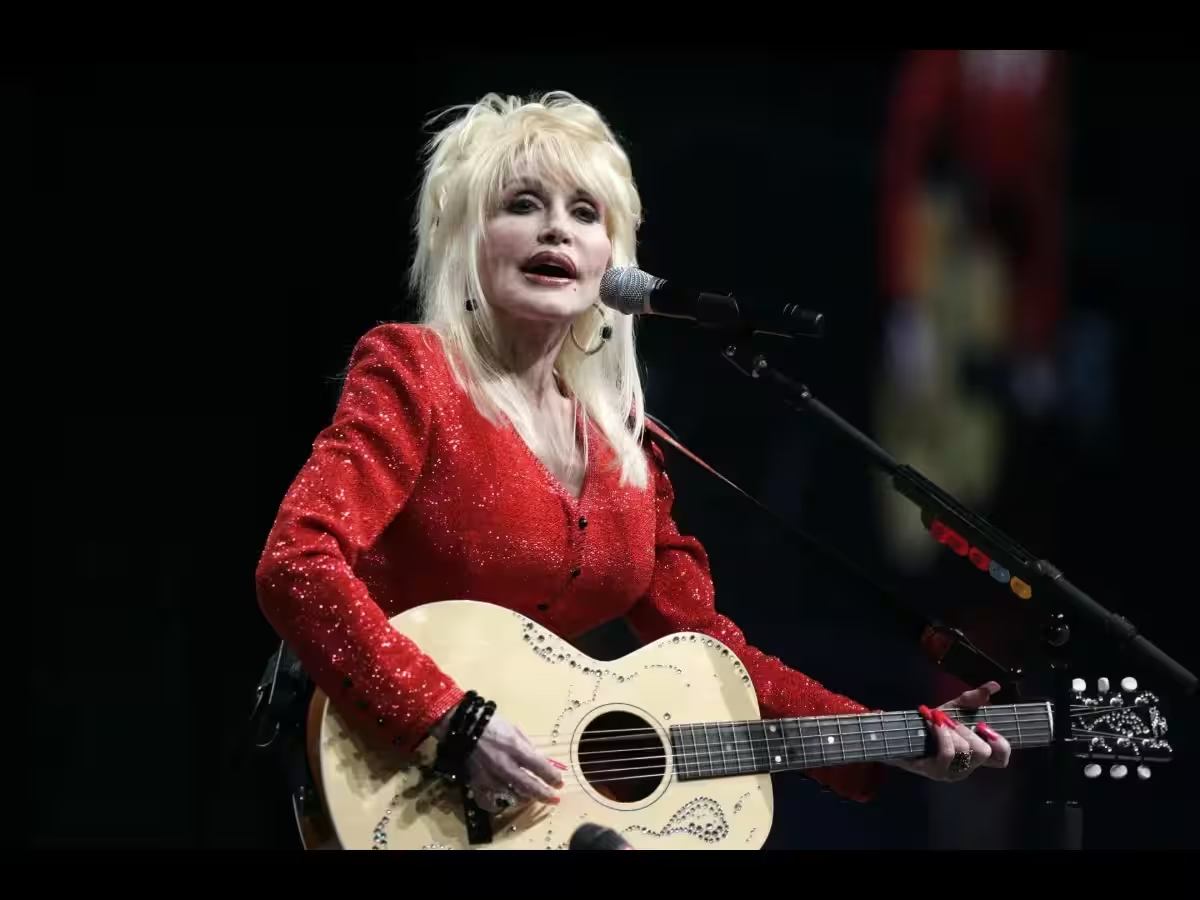
Her distinctive appearance was also part of her identity. Her large blonde hairstyles, sparkling outfits and unmistakable sense of humor became inseparable from the Dolly Parton image.
But behind the personality and showmanship was a songwriter whose work repeatedly focused on love, heartbreak, poverty, family, ambition and ordinary people.
Her success was measured in more than records
Parton sold more than 100 million records worldwide and received numerous honors during her career, including 11 Grammy Awards and a Grammy Lifetime Achievement Award. She was inducted into both the Songwriters Hall of Fame and the Rock & Roll Hall of Fame.
Yet perhaps one of the most lasting parts of her legacy exists outside the music industry.
Parton founded the Dolly Parton Imagination Library, a children’s literacy program inspired in part by her father, who was unable to read and write.
The program has distributed hundreds of millions of books to children, making literacy one of the central causes associated with Parton’s name.
Her philanthropy extended into other areas as well.
During the COVID-19 pandemic, Parton donated $1 million to research at Vanderbilt University Medical Center. The funds supported research that contributed to the development of Moderna’s COVID-19 vaccine.
Moderna later credited Parton’s generosity and her willingness to support scientific research at a critical moment.
That combination of entertainment and philanthropy became one of the defining features of Parton’s public image.
Her final years were still filled with projects
Parton’s death comes as several projects connected to her legacy remain in development.
A new musical based on her life, Dolly: A True Original Musical, is scheduled to begin Broadway performances early next year, with opening night planned for January 19. The production had been a personal project for Parton during her final years.
A museum dedicated to her life and career is also expected to open in Nashville later this year.
The exhibition, titled Dolly’s Life of Many Colors, is planned as an immersive look at her career, personal memories, performances, clothing and major milestones.
Those projects now carry a different meaning.
They were originally intended to celebrate Parton’s extraordinary career while she was still alive. They will instead become part of how future generations remember her.
Her death follows a difficult period
Parton’s death comes after a period in which she had publicly acknowledged health problems.
Earlier this year, she canceled a planned Las Vegas residency because of health concerns. Her representatives later confirmed that she had been battling cancer, although they did not disclose the type of cancer or when she was diagnosed. Reports said she was admitted to Vanderbilt-Ingram Cancer Center on August 21 before her death four days later.
Her family has said a small, private funeral service will be held.
Parton had previously spoken about what she wanted at her funeral. She said she hoped her father’s favorite song, the gospel song “If We Never Meet Again (This Side of Heaven),” would be performed.
A country legend remembered far beyond country music
Parton’s influence was never limited to one genre or one generation.
Her songs were recorded by artists across the musical spectrum. Her films introduced her to audiences who might never have considered themselves country music fans. Her television appearances and business ventures expanded her cultural reach even further.
And her charitable work gave millions of people another reason to associate her name with something beyond entertainment.
That may help explain why the reaction to her death has been so broad.
Fans gathered at her Hollywood Walk of Fame star, leaving flowers, photographs, candles and messages. Landmarks were illuminated in her honor, while American flags were ordered lowered to half-staff nationwide following President Donald Trump’s announcement.
The tributes have come from across political and cultural lines, reflecting the unusual place Parton occupied in American life.
She was a superstar who could appeal to people who otherwise shared very little in common.
She was also an artist who never appeared eager to abandon the place she came from.
Parton’s rise from a poor childhood in the Tennessee mountains to international fame became part of the mythology surrounding her career. But she repeatedly emphasized her roots and used her success to give back.
Her story was ultimately not only about becoming famous.
It was about what she chose to do with that fame.
A legacy that will continue
Dolly Parton’s voice may be gone, but the work she created is not disappearing.
Her songs will continue to be recorded and performed. Her films will continue to introduce her to new audiences. Dollywood will remain a living part of her Tennessee legacy. Her literacy program will continue putting books into the hands of children.
And the musical and museum projects planned before her death will offer new generations another opportunity to understand the woman behind the famous blonde hair, rhinestones and unmistakable voice.
Parton’s death closes one of the most extraordinary chapters in American popular culture.
She began life in poverty, built a career from her songwriting, became one of the best-selling female recording artists in history and ultimately turned her fame into a platform for philanthropy and opportunity.
She was 80 when she died in Nashville after a brief battle with cancer.
For millions of people who grew up with her music, watched her movies or received books through her literacy program, the loss will feel deeply personal.
Dolly Parton spent decades telling stories through songs.
Now, the story of Dolly herself becomes part of the legacy she leaves behind.
And as tributes continue to pour in around the world, one thing is already clear: the country music legend’s influence will reach far beyond the stage where it began.