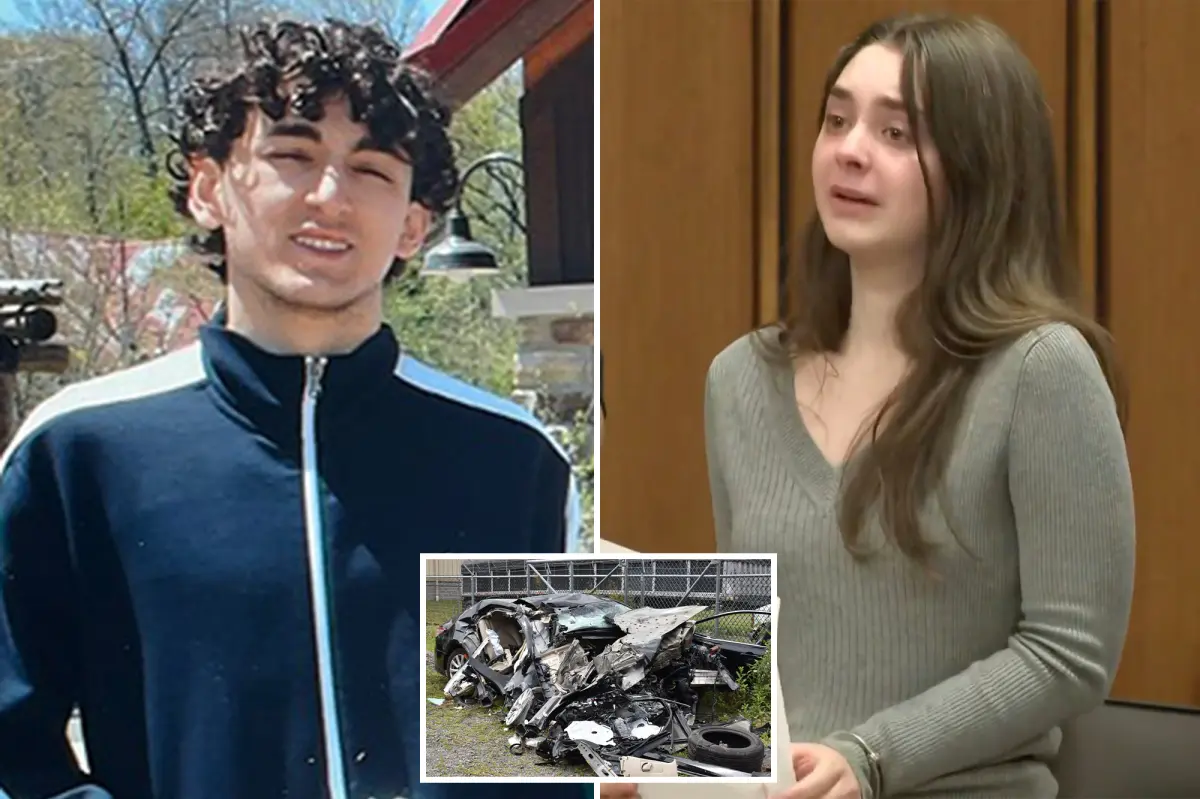
Mackenzie Shirilla has suffered another major setback in her effort to overturn the convictions stemming from the 2022 crash that killed her boyfriend and his friend.
On Tuesday, September 1, the Ohio Supreme Court rejected Shirilla’s request to reconsider its earlier decision not to hear her latest appeal, according to court records.
The decision leaves in place the lower-court rulings that rejected her attempt to reopen the case and means her state-level appeals have now reached their end.
Shirilla, now 21, remains incarcerated while continuing to challenge her convictions through the legal system.
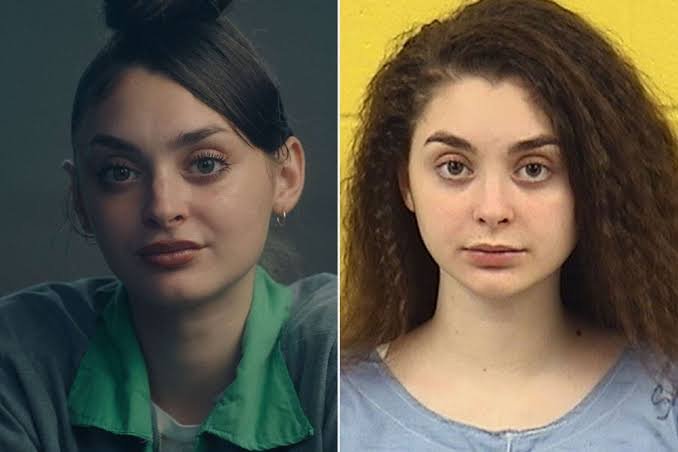
The case received renewed national attention this year following the release of Netflix’s documentary The Crash, which revisited the events surrounding the deadly Strongsville collision and the investigation that ultimately led to Shirilla’s conviction.
But despite the renewed public attention, the latest court ruling is focused on a much narrower legal question: whether Ohio’s highest court would reconsider its decision not to review Shirilla’s post-conviction case.
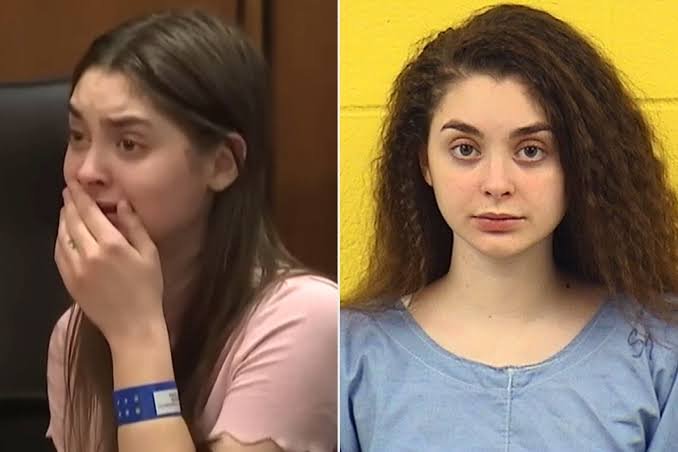
The answer was no.
The Ohio Supreme Court refuses to reconsider
Shirilla’s attorneys had asked the Ohio Supreme Court to reconsider a decision issued in June.
On June 23, the state’s highest court declined to accept jurisdiction over her post-conviction appeal. The decision effectively left standing an earlier ruling from the Eighth District Court of Appeals.
That lower court had upheld the dismissal of Shirilla’s post-conviction petition because it was filed after the applicable deadline.
Her attorneys did not stop there.
In July, they filed a motion asking the Ohio Supreme Court to reconsider its decision. Her legal team argued that the deadlines surrounding her filing were confusing and inconsistent and that the case raised significant constitutional issues that deserved review.
That request has now been rejected.
Chief Justice Sharon Kennedy issued the latest order denying the motion for reconsideration.
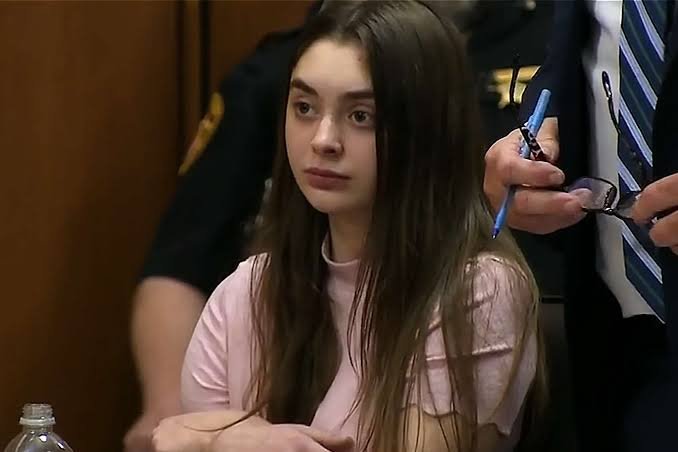
The ruling does not amount to a new examination of the evidence presented at Shirilla’s murder trial. Instead, it leaves intact the procedural decisions that prevented her post-conviction petition from moving forward at the state level.
The case began with a deadly crash in 2022
The underlying case dates back to July 2022, when Shirilla was 17 years old.
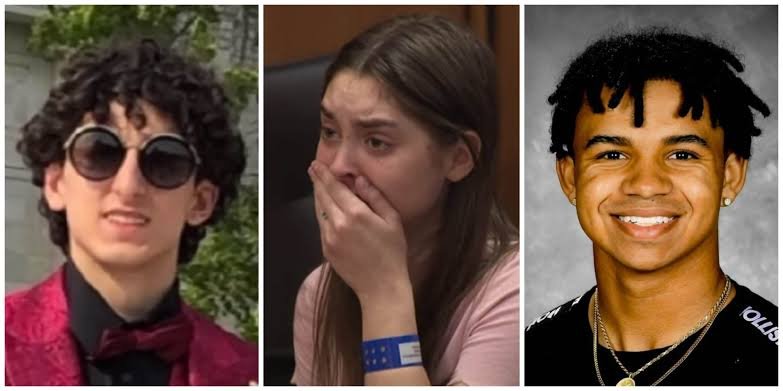
She was driving a Toyota Camry in Strongsville, Ohio, with 20-year-old Dominic Russo and 19-year-old Davion Flanagan inside the vehicle.
The car eventually crashed into a brick building at high speed.
Both Russo and Flanagan died.
Investigators and prosecutors later argued that the crash was intentional rather than an accident.
That question — whether Shirilla deliberately caused the collision — became the central issue at her 2023 trial.
Prosecutors presented evidence they said showed Shirilla accelerated before the crash and drove toward the building at approximately 100 mph.
The defense disputed the prosecution’s interpretation of what happened.
Ultimately, a judge found Shirilla guilty of murder and other offenses connected to the deaths.
She was sentenced to two concurrent terms of 15 years to life in prison.
Shirilla has continued to challenge the conviction
Shirilla has maintained that the crash was not an intentional act of murder.
Her recent legal arguments have included claims that there was insufficient evidence to establish intent and that her trial attorneys failed to adequately investigate important information.
One of the issues raised by her legal team involved medical evidence.
Her attorneys argued that she may have experienced a medical episode before the crash and that additional investigation into a possible neurological condition could have affected the outcome of the case.
According to reports on the appeal, the defense specifically argued that her trial lawyers failed to adequately investigate Postural Orthostatic Tachycardia Syndrome, or POTS, and related medical issues.
Those arguments have not resulted in a new trial.
Instead, the most recent state court decisions have focused heavily on the timing and jurisdictional problems surrounding Shirilla’s post-conviction petition.
The deadline became a major obstacle
A significant part of the latest legal battle has centered on a filing deadline.
Shirilla’s post-conviction petition was determined to have been filed one day late.
Her attorneys argued that the deadline calculation was affected by confusion surrounding the calendar and leap year, while the courts ultimately concluded that the filing was untimely.
The Ohio Supreme Court’s June decision declined to review the case, leaving the lower court’s dismissal intact.
That procedural issue became critical because it meant the courts did not have to reach the merits of every argument Shirilla wanted to raise.
In other words, the latest ruling was not a finding that every argument from her defense was wrong on its substance.
It was a decision that her post-conviction challenge could not proceed in the manner her attorneys requested.
Now, after the Supreme Court rejected the motion for reconsideration, Shirilla has exhausted this avenue within Ohio’s state court system.
What happened to Dominic Russo and Davion Flanagan?
The legal fight continues to center on the deaths of Russo and Flanagan.
Russo was Shirilla’s boyfriend, while Flanagan was a friend who was also inside the car.
The crash happened in Strongsville, a Cleveland suburb, in the early morning hours of July 2022.
The prosecution’s case relied heavily on evidence concerning the vehicle’s speed, its movements and what happened immediately before the collision.
At trial, prosecutors argued that Shirilla intentionally drove toward the building.
The defense rejected that interpretation.
After Shirilla was convicted in August 2023, the trial judge imposed the 15-years-to-life sentences.
She has remained incarcerated since then.
A case that returned to the spotlight
For a period, the case received much less national attention following Shirilla’s conviction.
That changed in 2026 when Netflix released The Crash, a documentary examining the case and the events surrounding the deaths of Russo and Flanagan.
The documentary brought the case back into public discussion and prompted renewed interest in Shirilla’s legal efforts.
Her appeal, however, was already moving through the courts before the documentary brought the case back into the national spotlight.
The Ohio Supreme Court’s latest decision is therefore significant because it addresses an active legal effort rather than simply revisiting the events that made the case notorious.
The state-level appeal is now over
The latest ruling has an important practical consequence.
After the Ohio Supreme Court denied Shirilla’s request for reconsideration, there is no longer another ordinary state-level appeal available to ask the same court to reconsider this particular decision.
That does not necessarily mean every possible legal avenue has disappeared.
A separate federal petition remains pending, according to recent reporting. That proceeding is distinct from the state-court appeal and could present another avenue for Shirilla to challenge aspects of her conviction or incarceration.
For now, however, the Ohio Supreme Court has made its position clear.
It will not reconsider its June decision declining to take up Shirilla’s latest state appeal.
Shirilla remains in prison
Shirilla remains incarcerated while her sentence continues.
She is serving two concurrent sentences of 15 years to life for the deaths of Russo and Flanagan.
Based on that sentence, she is eligible for parole consideration after serving the minimum term, rather than receiving a sentence that guarantees release at that point.
The distinction is important: parole eligibility does not mean automatic release.
Her future in custody will therefore depend on the applicable parole process as well as any further legal developments.
For now, the latest court ruling means she will remain behind bars while the remaining federal proceeding, if pursued, continues separately.
A case still surrounded by unanswered questions
Even after the conviction and years of court proceedings, the case continues to generate questions about what happened during the final moments before the crash.
The prosecution argued that the collision was deliberate.
Shirilla’s defense has continued to challenge that conclusion and has raised questions about medical evidence and the performance of her trial attorneys.
Those competing interpretations were central to the original case and remain part of the broader legal history surrounding her conviction.
But the Ohio Supreme Court’s latest decision does not reopen those factual questions.
Instead, it leaves the existing judgment in place.
For the families of Dominic Russo and Davion Flanagan, the latest development means that Shirilla’s state-level challenge to the convictions has reached another endpoint.
For Shirilla, it represents another unsuccessful attempt to have the courts reconsider her case.
And for the legal system, the next chapter may now depend on what happens with her remaining federal challenge.
The story that began with a deadly crash in Strongsville more than four years ago is therefore not necessarily finished.
But one part of it is.
The Ohio Supreme Court has rejected Mackenzie Shirilla’s latest request for reconsideration, leaving her convictions and sentence intact and closing the door on this latest state-level appeal.
For now, she remains in prison, while any further challenge will have to proceed through a different legal path.