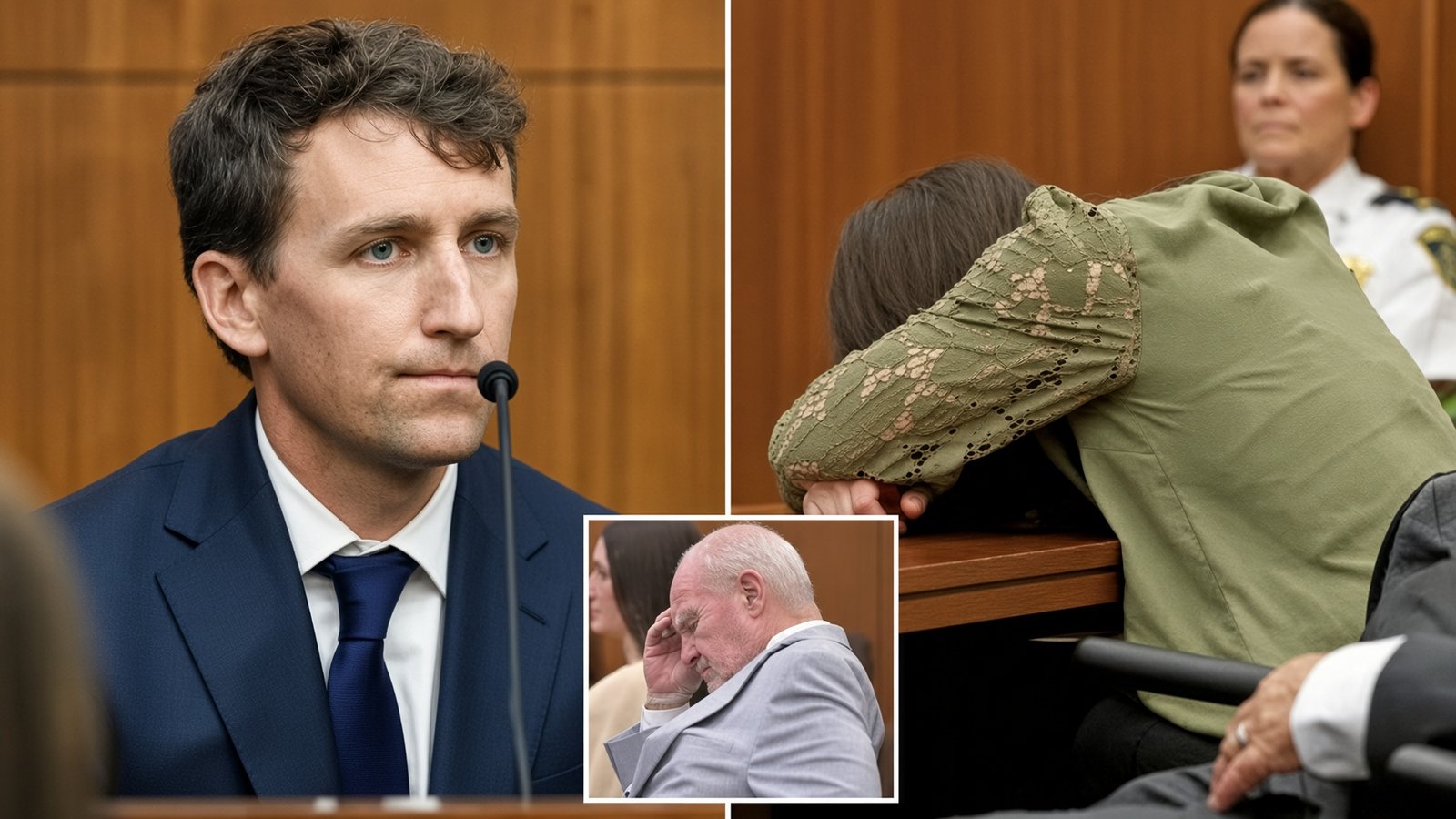
The Lindsay Clancy murder trial has reached a critical point in Massachusetts, with jurors telling the judge they have been unable to reach a unanimous verdict after days of deliberation.
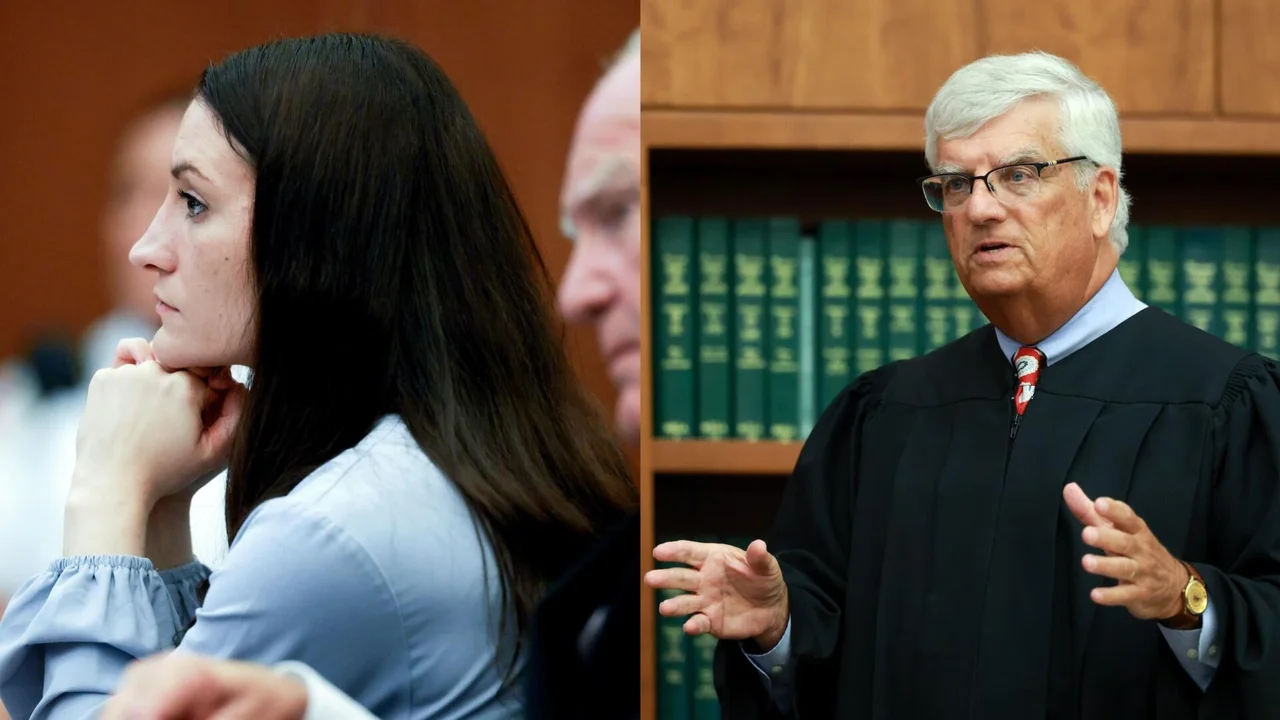
But instead of ending the trial with a mistrial, Judge William Sullivan has ordered the jury to continue working toward a decision.
The jury returned to court Wednesday for a fifth day of deliberations, leaving the case in an uncertain position as jurors weigh whether Clancy should be held criminally responsible for the deaths of her three young children in 2023.
Clancy, 36, has admitted that she killed her children but has pleaded not guilty by reason of lack of criminal responsibility. Her defense has argued that she was suffering from severe postpartum psychosis when she killed the children, while prosecutors have maintained that she understood what she was doing and should be held responsible.
That disagreement over Clancy’s mental state has been at the center of the trial.
Now, after more than four weeks of testimony and evidence, the decision has been placed in the hands of the jury.
Jurors say they cannot agree
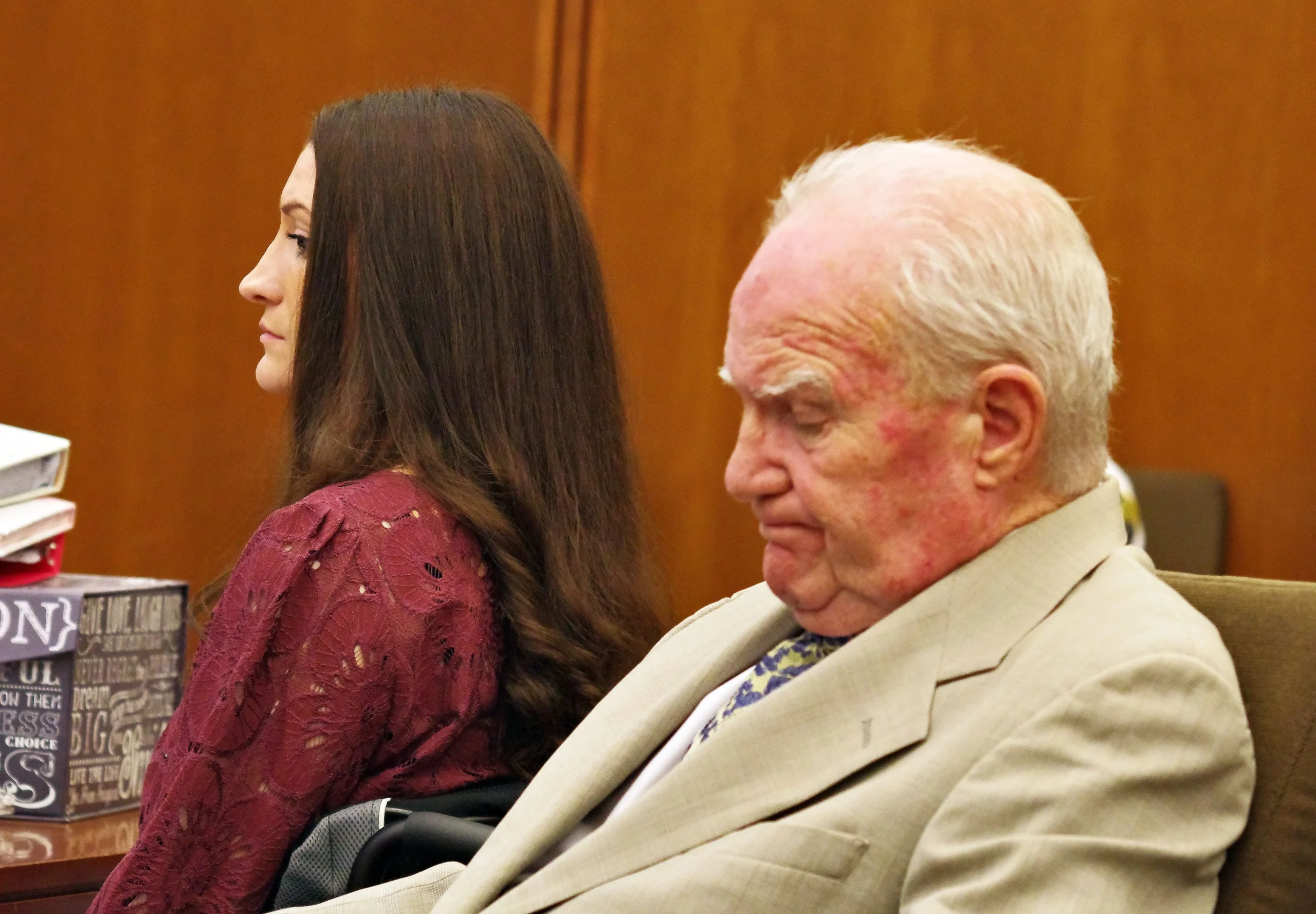
The jury reached its fourth day of deliberations Tuesday when it sent a message to Judge Sullivan indicating that members were unable to reach a unanimous decision.
It was the first public indication that the jurors had reached an impasse.
Rather than immediately declaring a mistrial, Sullivan acknowledged the length and complexity of the proceedings and instructed the jurors to return to their deliberations.
The case has involved more than 80 witnesses and roughly 300 exhibits, making it an unusually extensive trial for a case in which the central issue is not whether the children died at Clancy’s hands, but whether she was legally responsible for her actions at the time.
The jury’s deadlock therefore does not mean that Clancy has been acquitted, nor does it mean prosecutors have lost the case.
For now, the jurors are still being asked to reach a unanimous verdict.
The central question: Was Lindsay Clancy criminally responsible?
The trial has largely revolved around two very different explanations for what happened inside the Clancy family home in Duxbury, Massachusetts, on January 24, 2023.
Clancy’s lawyers have argued that she was experiencing postpartum psychosis, a severe psychiatric condition that can occur after childbirth.
According to the defense, Clancy’s mental health had deteriorated significantly after the birth of her third child, Callan.
Family members testified about changes they said they observed in Clancy, including increasing anxiety, paranoia and suicidal thoughts.
Her lawyers argued that she became detached from reality and heard a voice telling her to kill her children and then herself.
The defense has therefore asked jurors to find that Clancy lacked criminal responsibility at the time of the killings.
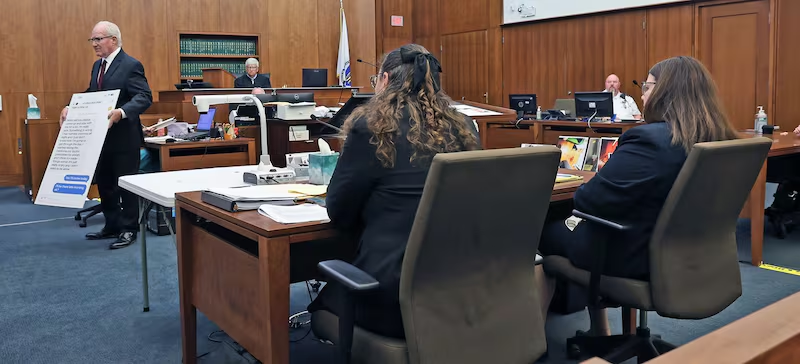
Prosecutors have presented a very different interpretation.
They have argued that Clancy was depressed and suicidal but was not experiencing a psychotic episode that prevented her from understanding her actions.
A forensic psychologist who testified for the prosecution said he concluded that Clancy killed her children because she wanted to end her own life but did not want to leave them behind.
That distinction is central to the case.
The jury is not simply deciding whether the children were killed.
It is deciding what Clancy’s mental state was when it happened and whether that mental state meets the legal standard for a lack of criminal responsibility.
Three children are at the center of the case
The children were Cora, 5, Dawson, 3, and Callan, who was only 8 months old.
Clancy has admitted strangling the children with exercise bands.
Afterward, she attempted suicide by jumping from a window.
She survived but suffered severe injuries and remains paralyzed from the waist down.
The prosecution and defense have not disputed the basic fact that Clancy caused the children’s deaths.
Instead, the courtroom battle has focused heavily on why she did it and whether her psychiatric condition prevented her from being legally responsible.
That question has made the trial especially difficult and emotionally charged.
Jurors have heard testimony from family members, medical professionals, first responders and other witnesses as attorneys reconstructed Clancy’s behavior before and after the killings.
They have also been shown evidence concerning her treatment and medications in the period leading up to the deaths.
Her former husband testified
One of the most emotional moments of the trial came when Patrick Clancy, Lindsay’s former husband, testified.
Patrick was the person who discovered the children after returning home.
Jurors heard the 911 call he made after finding what had happened.
His testimony also marked the first time he and Lindsay Clancy had seen one another since the killings.
Patrick has publicly said that he forgives Lindsay and has described her as someone who was seriously ill rather than simply evil.
His position has stood in sharp contrast to the prosecution’s argument that Clancy knowingly committed the killings.
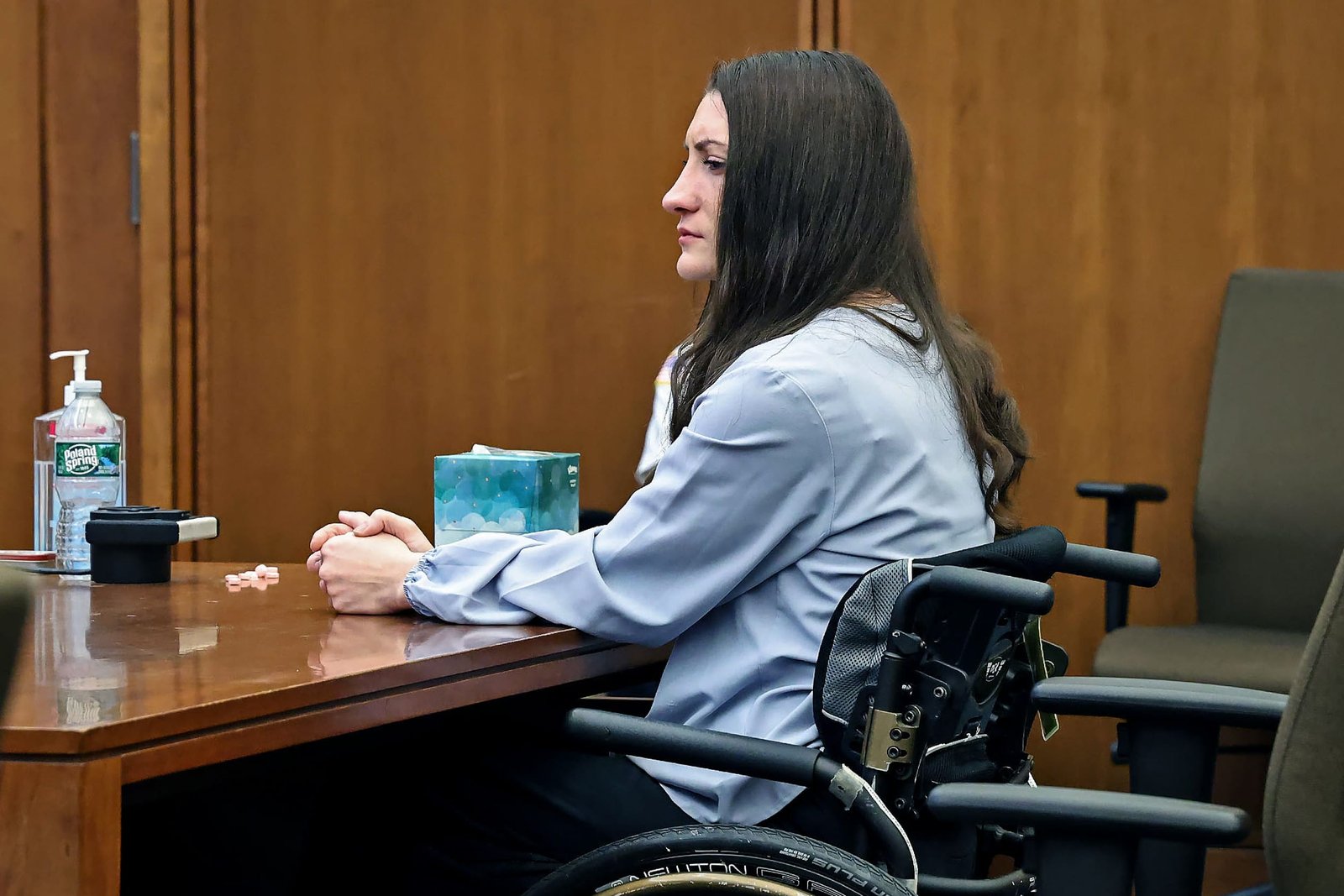
Clancy herself did not testify.
Throughout the proceedings, she remained at the defense table as prosecutors presented their case and as medical experts debated the condition of her mind at the time of the killings.
The jury has several possible paths
The current deadlock is significant because the jury has multiple possible outcomes available.
Jurors could convict Clancy of murder.
They could instead find her guilty of a lesser offense such as manslaughter.
They could acquit her.
Or they could find that she was not criminally responsible because of mental illness.
The consequences would be dramatically different depending on the decision.
A murder conviction could result in a life sentence.
If Clancy were found not criminally responsible, that would not necessarily mean she would simply walk out of court. A judge could order her committed to a mental health facility if an evaluation determined that she remained dangerous to the public.
The exact outcome therefore depends not only on whether the jury believes Clancy suffered from postpartum psychosis, but on whether the evidence meets Massachusetts’ legal standard for criminal responsibility.
What happens if the jury remains deadlocked?
For now, Judge Sullivan has chosen to give the jurors more time.
That means the case is still alive.
If the jury eventually reaches a unanimous decision, the verdict will determine the immediate next step for Clancy.
But if jurors remain unable to agree, the judge could ultimately declare a mistrial because of a hung jury.
A mistrial would not be the same as an acquittal.
The charges would remain unresolved, and prosecutors could potentially decide to retry Clancy before a new jury. Legal experts cited in current coverage have noted that a new trial would be one possible path if the current jury cannot reach a verdict.
The defense, meanwhile, has already expressed concern about the possibility of another lengthy trial.
That possibility has become more relevant now that the jury has formally indicated that it is struggling to reach agreement.
A new courtroom controversy emerges
The deadlock was not the only development surrounding the case this week.
On Tuesday, Massachusetts State Police arrested a 56-year-old woman, Dawn Light, outside the Plymouth courthouse while the jury was deliberating.
Authorities accused Light of attempting to record jurors as they left the courthouse.
Investigators reportedly found deleted video on her phone, and she was charged with intimidation of a witness, juror or participant in a legal proceeding.
Light has denied wrongdoing and said she was attempting to see Lindsay Clancy rather than intentionally target jurors.
Judge Sullivan subsequently questioned jurors individually about the incident and reminded them of the restrictions surrounding juror privacy.
The episode has added another layer of tension to an already closely watched trial.
The judge must now ensure that the jury can continue its deliberations without outside interference.
The case remains unresolved
The jury’s message that it is deadlocked does not provide an answer to the central question that has dominated the trial for weeks.
Was Lindsay Clancy experiencing a severe psychotic illness that prevented her from understanding the nature or wrongfulness of what she was doing?
Or was she depressed and suicidal while still understanding her actions and making deliberate choices?
The prosecution and defense have presented sharply different answers.
The jurors now have to decide which interpretation is supported by the evidence and satisfies the legal standard they have been given.
For the moment, there is no verdict.
There is no conviction.
There is no acquittal.
The jury has simply said that it cannot yet agree.
And despite that message, Judge Sullivan has asked the jurors to keep deliberating.
As they enter their fifth day, the outcome remains uncertain. The jury could still reach a unanimous verdict, or the case could eventually end in a mistrial if the disagreement cannot be resolved.
For the families involved, and especially for the memory of Cora, Dawson and Callan, the trial has already lasted years beyond the January 2023 deaths.
Now the courtroom is waiting for one decision that could determine what happens to their mother next.
Until the jury reaches that decision, the Lindsay Clancy case remains unresolved.