
Christina Applegate is facing a new chapter in her health journey after learning that the multiple sclerosis diagnosis she received in 2021 was incorrect. The actress, known for her roles in Married… with Children and Dead to Me, revealed the unexpected news during an emotional episode of her podcast, MeSsy, explaining that the discovery has left her searching for answers rather than feeling relieved.
At 54, Applegate has spent years navigating physical challenges, medical appointments and significant changes to her daily life. She had previously spoken openly about living with multiple sclerosis, commonly known as MS, and had become an advocate for people facing the condition. Now, after learning that she does not have the disease, she says her symptoms have continued and, in some respects, become worse.
The revelation has raised new questions about what has been affecting her health since 2021 and how she will move forward without a clear explanation for the difficulties she continues to experience.
Christina Applegate Recalls The Moment Her Doctor Delivered The News
Applegate shared the unexpected update on the October 20 episode of MeSsy, the podcast she co-hosts with fellow actress Jamie-Lynn Sigler.
According to Applegate, her doctor entered the room and told her that she did not have MS. While the news might initially sound like a reason to celebrate, Applegate explained that her reaction was far more complicated.
For years, she had understood her symptoms through the diagnosis she received. It gave her a framework for understanding her physical limitations, medical treatment and the changes that had affected her life.
Learning that the diagnosis was incorrect did not make those difficulties disappear.
Applegate became emotional while explaining that she had not experienced the improvement others might expect after hearing that she did not have the condition. Instead, she said she was back at the beginning of a difficult search for answers.
The actress explained that her doctors are now preparing to investigate her medical history and determine what may have been responsible for her symptoms since 2021.
The process could require additional examination of previous findings and a fresh look at the information that originally led to her diagnosis.
For Applegate, the news has created uncertainty at a time when she had already spent years trying to understand and manage her health.

Her Symptoms Have Not Disappeared
One of the most important points Applegate emphasized is that the revised diagnosis has not changed her physical condition.
She explained that she continues to experience significant mobility problems and still needs a wheelchair when visiting her doctors. She has described struggling to walk even relatively short distances, including from a vehicle to a medical appointment.
Her symptoms have affected ordinary activities that many people take for granted, making daily routines more difficult and requiring her to adjust how she approaches life.
Applegate has previously discussed numbness, tingling sensations and difficulties with balance. When she announced her original MS diagnosis in 2021, she described experiencing symptoms that led her doctors to investigate the possibility of a neurological condition.
She also recalled undergoing medical examinations, including MRI scans and a spinal tap. At the time, she said her doctors identified lesions on her brain and concluded that she had MS.
The diagnosis subsequently shaped years of treatment and public conversations about her health.
Now that doctors have determined she does not have the condition, the symptoms themselves remain an unresolved issue.
Applegate has explained that she feels she is starting over because the explanation she relied on for years no longer accounts for what she is experiencing.
Her doctors are expected to investigate further, but no alternative diagnosis had been publicly confirmed in the reports surrounding her announcement.
Why The Misdiagnosis Has Been Emotionally Difficult
Applegate has been candid about the emotional consequences of receiving the new information.
During the podcast, she described going through a period of significant depression and feeling as though she had lost important parts of her life.
Her health challenges affected her professional career, contributing to her decision to step away from on-camera acting after completing Dead to Me in 2022.
The series became one of her best-known later projects, but filming while dealing with physical symptoms required substantial adjustments. Applegate previously discussed using a wheelchair during production and working with the show’s team to accommodate her needs.
Since then, she has continued sharing aspects of her experience with the public, helping audiences better understand the challenges of living with a chronic health condition.
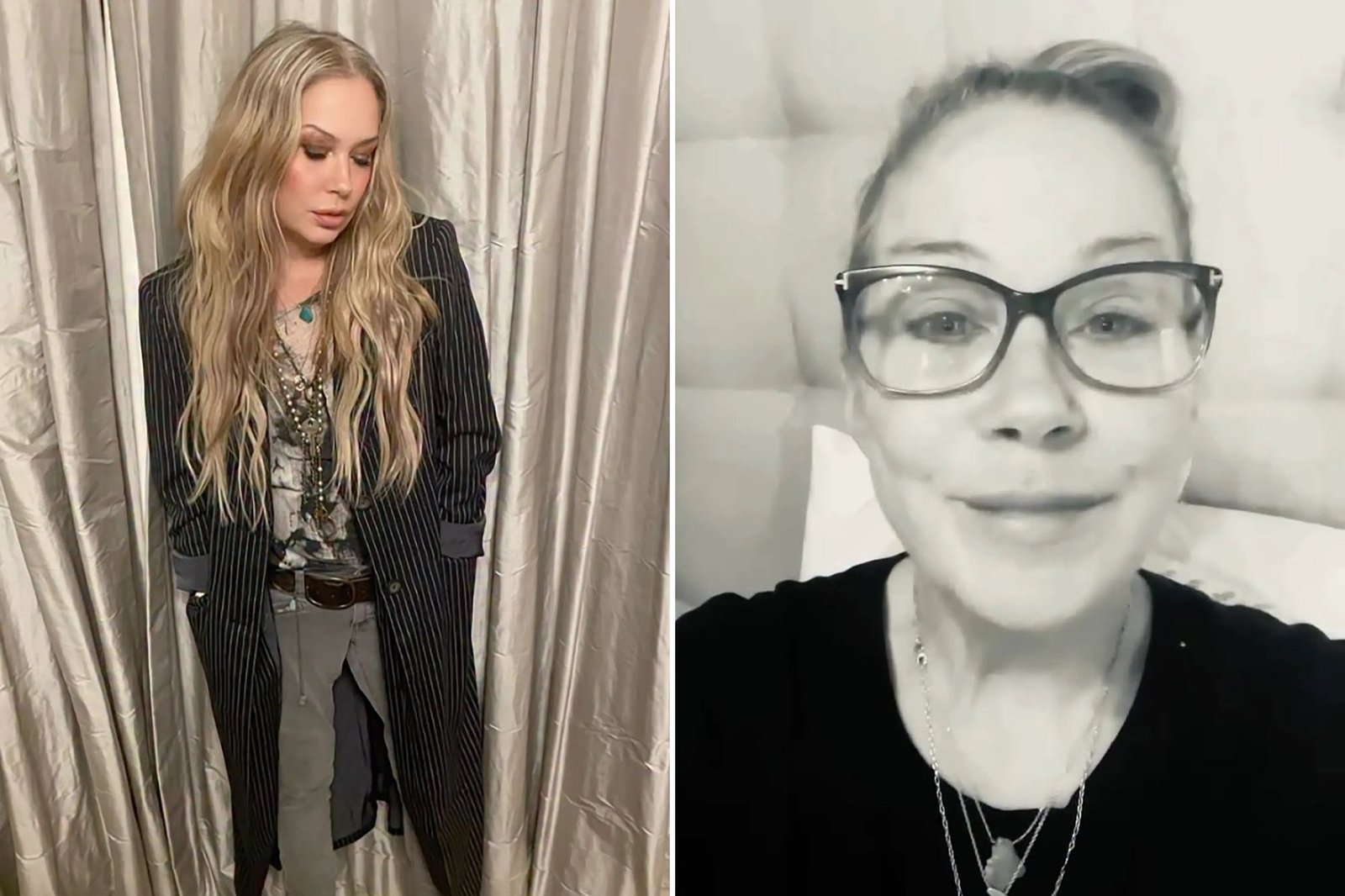
The revised diagnosis has complicated that journey.
Applegate explained that learning she did not have MS left her feeling uncertain about how to understand her symptoms and the years she spent believing she had the disease.
She also expressed concern that people might interpret the news as meaning her previous struggles were not real.
However, a diagnosis being revised does not erase the physical difficulties a person has experienced. Applegate’s continued symptoms remain a genuine concern, regardless of what medical explanation eventually emerges.
Her account highlights the emotional difficulty of losing a diagnosis that had provided a framework for understanding years of illness, particularly when the underlying health problems have not been resolved.
Her Relationship With The MS Community Has Changed
After publicly sharing her original diagnosis, Applegate became a recognizable voice in conversations about multiple sclerosis.
She spoke openly about the condition and the ways it affected her mobility, work and personal life. Her willingness to discuss difficult experiences helped bring attention to challenges that are not always visible to others.
She also developed a close connection with the MS community, including people who understood the uncertainty, fatigue and physical limitations associated with the condition.
That connection became an important part of her public advocacy.
Now, Applegate says the revised diagnosis has left her feeling as though she no longer knows where she fits within that community. She expressed concern that she had somehow let people down after sharing her experience for years.
Her co-host, Jamie-Lynn Sigler, offered reassurance during the discussion.
Sigler, who has lived with MS since 2002, reminded Applegate that her experiences and the support she provided to others still matter. She emphasized that learning new information about a diagnosis does not erase the impact Applegate has had on people who followed her journey.
Their conversation highlighted an important distinction: sharing a medical diagnosis based on the information available at the time is not the same as deliberately misleading an audience.
Applegate had spoken about what she understood to be her condition and the challenges she was experiencing. The fact that doctors have now revised their assessment does not invalidate those experiences or the conversations they inspired.
Her role in raising awareness of disability, chronic illness and the emotional demands of navigating healthcare can continue even as she seeks a clearer understanding of her own health.

What Doctors Are Trying To Understand
Applegate’s medical team now faces the task of determining what has caused her symptoms.
Multiple sclerosis is a neurological disease in which the immune system damages the protective covering of nerve fibers in the central nervous system. Symptoms can vary widely, and diagnosing the condition requires doctors to evaluate a combination of clinical findings, imaging results and other information.
There is no single test that can independently confirm every case of MS. Doctors typically consider a patient’s medical history, neurological examination, MRI findings and, when appropriate, laboratory testing.
That complexity can make the diagnostic process challenging because some symptoms associated with MS also occur in other medical conditions.
During the podcast discussion, neurologist Dr. Marwa Kaisey explained that MS misdiagnoses are not uncommon. She cited research suggesting that a substantial proportion of people previously told they had the condition may have received an incorrect diagnosis.
Her comments placed Applegate’s experience within a broader medical issue: patients sometimes spend years managing symptoms under one diagnosis before further investigation reveals that another explanation may be needed.
This does not establish what is causing Applegate’s symptoms. Her individual medical situation requires a separate evaluation, and the precise cause remains unknown based on the information publicly available.
The next stage of her care will involve examining the evidence and determining what further testing or specialist assessment may help clarify her condition.
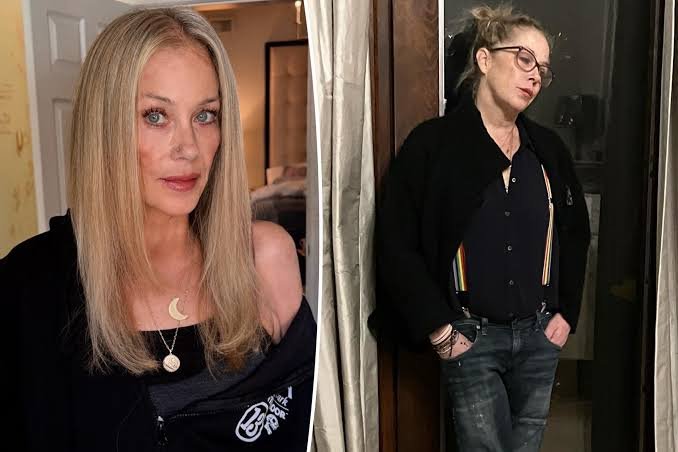
A Career Changed By Years Of Health Challenges
Applegate’s health journey has unfolded alongside a career spanning decades.
She first became widely recognized for playing Kelly Bundy on Married… with Children, the long-running sitcom that helped establish her as a television star. She later appeared in films including Anchorman: The Legend of Ron Burgundy and Bad Moms, and earned acclaim for her performance in Netflix’s Dead to Me.
Her work on Dead to Me was particularly significant because it demonstrated her ability to deliver a demanding dramatic performance while dealing with increasingly difficult physical symptoms.
Applegate has spoken about how the production adapted to her needs, allowing her to continue working even as her mobility changed.
After the series concluded in 2022, she stepped away from regular on-camera acting. Since then, she has continued connecting with audiences through interviews, public statements and her podcast.
Her health challenges have also affected her daily responsibilities as a mother. Earlier in 2026, she spoke about the effort involved in getting her daughter, Sadie, to school, describing it as something she continued trying to do despite often needing to return home and rest.
Those comments offered a glimpse into the practical decisions that can shape life with persistent physical symptoms.
The newly revealed misdiagnosis adds another layer to that experience. Applegate must now reconsider what doctors previously believed about her condition while continuing to manage the limitations she faces every day.

The Importance Of Finding The Right Diagnosis
Applegate’s experience also highlights why accurate medical diagnosis matters.
A diagnosis can help patients understand their symptoms, identify treatment options and connect with others who have similar experiences. When that diagnosis changes after years of treatment, patients may face uncertainty about which information remains relevant and what should happen next.
For someone whose daily life has already been significantly affected, the process can be physically and emotionally demanding.
At the same time, a revised diagnosis can provide an opportunity for doctors to reassess previous findings and explore other explanations that may have been overlooked.
Medical experts stress that MS can be difficult to distinguish from other conditions because symptoms overlap and there is no single definitive test. The appropriate approach depends on a thorough clinical assessment rather than any one symptom or test result.
Applegate’s story should not be taken to mean that every MS diagnosis is unreliable. Instead, it illustrates the importance of continued medical evaluation when symptoms and diagnostic findings raise new questions.
For Applegate, the priority is finding a clearer explanation for what she has been experiencing and determining how best to manage her ongoing symptoms.

Christina Applegate Continues Searching For Answers
Despite the uncertainty surrounding her diagnosis, Applegate remains focused on understanding her health and caring for her daughter.
Her latest update makes clear that learning she does not have MS has not brought an immediate improvement in her physical condition. She continues to face mobility challenges and the emotional burden of not knowing what is causing them.
The investigation into her medical history is expected to help her doctors determine what may have happened since 2021. Until that process produces clearer answers, many questions remain open.
Applegate’s willingness to speak candidly about the experience has also given audiences a look at a side of medical uncertainty that is often difficult to explain: the frustration of losing a diagnosis that once seemed to make sense while continuing to live with the same symptoms.
Her conversation with Sigler served as a reminder that patients do not need to have every answer to describe what they are going through.
For now, Applegate is continuing to navigate an uncertain chapter, supported by her loved ones and working with doctors to understand her condition.
The next phase of her health journey will depend on what further investigations reveal. Until then, her central message remains clear: although the diagnosis has changed, the challenges she faces are still very real.