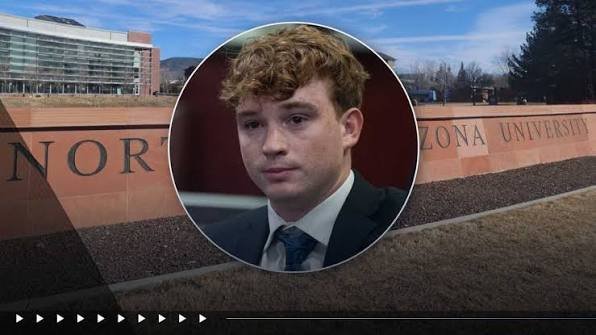
A former fraternity leader at Northern Arizona University has been sentenced to 60 days in jail after pleading guilty to felony hazing in connection with the loss of 18-year-old Colin Daniel Martinez.
Carter Eslick, who was 20 at the time of the case, also received three years of supervised probation during a sentencing hearing in Coconino County Superior Court on September 30.
The sentence comes months after Martinez was found unresponsive at an off-campus house following a fraternity rush event in Flagstaff. An autopsy later determined that the teenager suffered acute alcohol poisoning, with a blood alcohol concentration of 0.425%.
That level was more than five times Arizona’s legal driving limit for people over 21.
The case has since raised broader questions about fraternity culture, hazing traditions and the responsibility of people who recognize that a situation has become dangerous but fail to seek emergency assistance.
What Happened During The Fraternity Event?
The incident began during an invite-only gathering connected to the Delta Tau Delta fraternity’s spring rush activities on January 30.
According to court documents, Martinez was one of four fraternity candidates who took part in a drinking activity at an off-campus residence.
The pledges were reportedly encouraged to consume large amounts of vodka as part of the ritual.
Investigators said the group consumed approximately two bottles of vodka, with reports indicating that the amount involved was several liters.

Eslick was serving as the chapter’s pledge master at the time.
His role involved helping welcome and supervise prospective new members.
According to investigators, alcohol had been arranged for the event, and the drinking activity continued as the night progressed.
At some point, Martinez became extremely intoxicated.
Witnesses later described signs that caused concern, including unusual snoring and gagging without vomiting.
Several people reportedly became concerned enough to search online for symptoms of alcohol poisoning.
They also checked Martinez’s breathing and pulse and changed his position.
But emergency services were not contacted immediately.
That delay became one of the most significant issues examined by investigators and prosecutors.
The Call For Help Came Hours Later
According to investigators, people at the house continued monitoring Martinez during the overnight hours.
At around 3 a.m., people reportedly searched online for information about alcohol poisoning.
The group also attempted to determine whether Martinez was breathing normally and whether he could be moved into a safer position.
However, the decision to contact emergency responders came several hours later.
When Flagstaff police eventually arrived at the residence on January 31, Martinez was unresponsive.
He was 18 years old.
The Coconino County Medical Examiner’s Office later determined that acute ethanol toxicity was the cause of his fatal medical emergency.
His blood alcohol level was measured at 0.425%, far beyond Arizona’s legal limit for driving.
The medical findings became a central part of the criminal investigation.
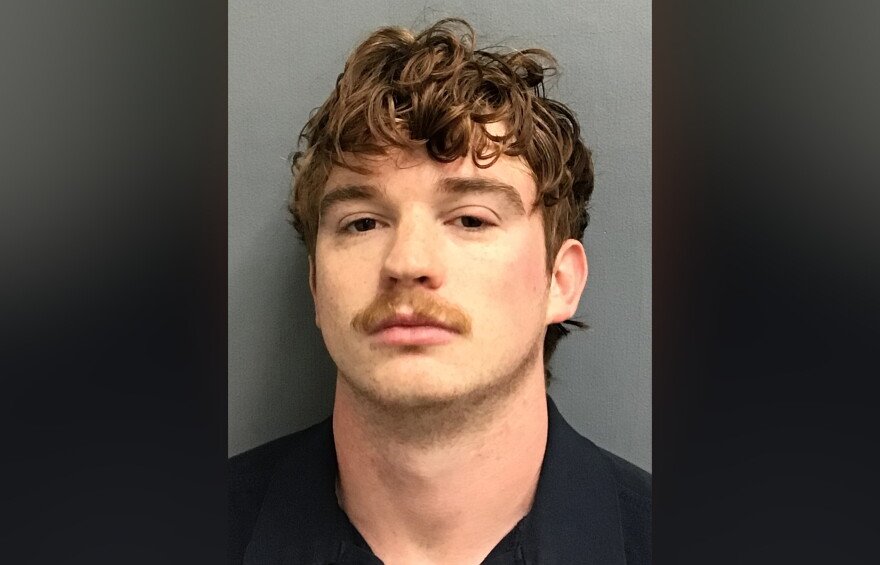
Three Fraternity Members Were Initially Arrested
Following the incident, police arrested three members of the Delta Tau Delta chapter’s executive board.
They included Carter Eslick, Ryan Creech and Riley Cass.
The arrests initially suggested that multiple fraternity leaders could face criminal charges.
But after prosecutors reviewed the evidence, the Coconino County Attorney’s Office ultimately pursued a case against Eslick alone.
Eslick was indicted in March on one count of felony hazing.
Under Arizona law, hazing can become a more serious felony when it results in a fatality.
Creech and Cass were not ultimately charged after prosecutors completed their review of the available evidence.
Eslick Eventually Accepted Responsibility
In August, Eslick pleaded guilty to felony hazing.
That plea significantly changed the direction of the case.
Rather than proceeding toward a full trial, the case moved toward sentencing, where the court would determine the consequences of his role in the fraternity ritual.
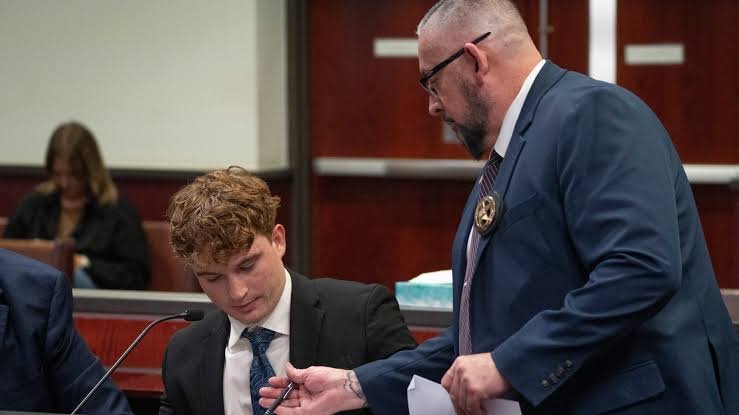
During the September 30 hearing, Eslick apologized directly to Martinez’s family.
He said he was deeply sorry for what happened and acknowledged responsibility for his part in the ritual.
Eslick also indicated that he never expected a fraternity activity to place another person’s life in his hands.
His statement reflected one of the central issues of the case: whether young people involved in fraternity activities recognize when a tradition or group activity has crossed a dangerous line.
The Judge Had Concerns About The Lack Of Intervention
Judge Stacy Krueger considered several factors before imposing the sentence.
The court acknowledged that Eslick had taken some steps that could have reduced the danger during the event.
But the judge also emphasized that he understood the activity was dangerous.
What appeared to trouble the court most was the fact that several people were present as Martinez became increasingly intoxicated, yet no one immediately made the decision to call for emergency help.
Judge Krueger questioned why no one was willing to step forward and put Martinez’s safety ahead of the pressure to participate in the fraternity culture.

Ultimately, Eslick received 60 days in jail and three years of supervised probation.
His Sentence Comes With A Different Kind Of Requirement
The court did not stop at jail time.
As part of his probation, Eslick must create and deliver 305 anti-hazing presentations.
He is also required to provide regular updates to the court regarding his progress.
In addition, he cannot use alcohol or drugs unless they are prescribed.
If he fails to comply with the conditions of probation, he could face additional incarceration.
The unusual requirement to speak publicly about hazing is intended to turn the case into a warning for others who may find themselves in similar environments.
Instead of simply serving his sentence and moving on, Eslick will be required to spend part of his probation educating others about the risks associated with hazing.
Colin Martinez’s Family Wants Change
Martinez’s parents appeared remotely during the sentencing hearing.
For them, the court case has never been only about the punishment imposed on Eslick.
They have also called for changes within Greek life so that other families do not experience a similar loss.
Martinez’s father, Chris Martinez, spoke about the difficult reality his family has faced since January.
He emphasized that the family wants accountability, but also wants the case to lead to meaningful changes in fraternity culture.
The family was not seeking the longest possible prison sentence for Eslick.
Instead, they have focused attention on preventing another young person from being placed in a similarly dangerous situation.
That message was echoed by Coconino County Attorney Ammon Barker, who said that no sentence could undo what the Martinez family had experienced.
He expressed hope that the case would encourage people to recognize the dangers of hazing and intervene before an emergency becomes irreversible.
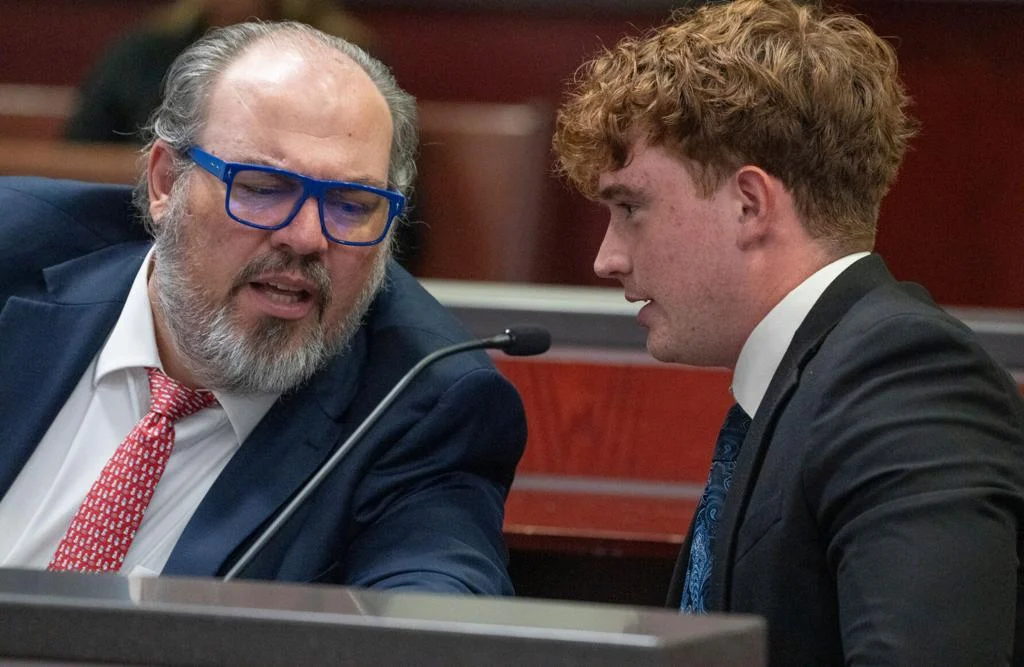
The University Took Action Too
The consequences of the incident extended beyond the criminal case.
Northern Arizona University suspended the Delta Tau Delta chapter following Martinez’s passing.
The national organization later voted to close the chapter at the Flagstaff university.
That decision effectively ended the chapter’s presence on campus and became another major consequence of the investigation.
The case has also renewed attention on how fraternity organizations conduct rush events and how quickly members should respond when someone shows signs of severe intoxication.
A Case That Goes Beyond One Fraternity
Although the criminal case focused on Eslick, the broader questions raised by Martinez’s loss reach much further.
What should a fraternity member do when a group activity becomes unsafe?
When does a tradition cross the line into hazing?
And how should people respond when someone appears to be experiencing alcohol poisoning?
Those questions became especially important in this case because witnesses reportedly recognized warning signs before emergency responders were called.
The investigation showed how quickly excessive alcohol consumption can become a medical emergency, particularly among young people who may not fully understand the symptoms or may hesitate to involve authorities.
For Martinez’s family, those lessons came at an unbearable cost.
For others, they may serve as an opportunity to recognize the warning signs earlier.
What Happens Now?
With Eslick’s sentencing complete, the main criminal proceeding against him has reached its conclusion.
He will serve 60 days in jail followed by three years of supervised probation, with extensive anti-hazing education requirements attached to his sentence.
The Delta Tau Delta chapter at Northern Arizona University has also been closed.
But the conversation surrounding hazing is likely to continue.
Colin Martinez was only 18 when he joined the fraternity event that would ultimately change his family’s life forever.
His story has now become part of a much larger discussion about peer pressure, alcohol, fraternity traditions and the responsibility to intervene when someone is in danger.
For his parents, however, Colin was never simply a name in a court document or part of a fraternity statistic.
He was their son.
And as the legal case comes to an end, their hope is that what happened to him will encourage others to speak up sooner, recognize dangerous situations and make the decision to seek help before it is too late.