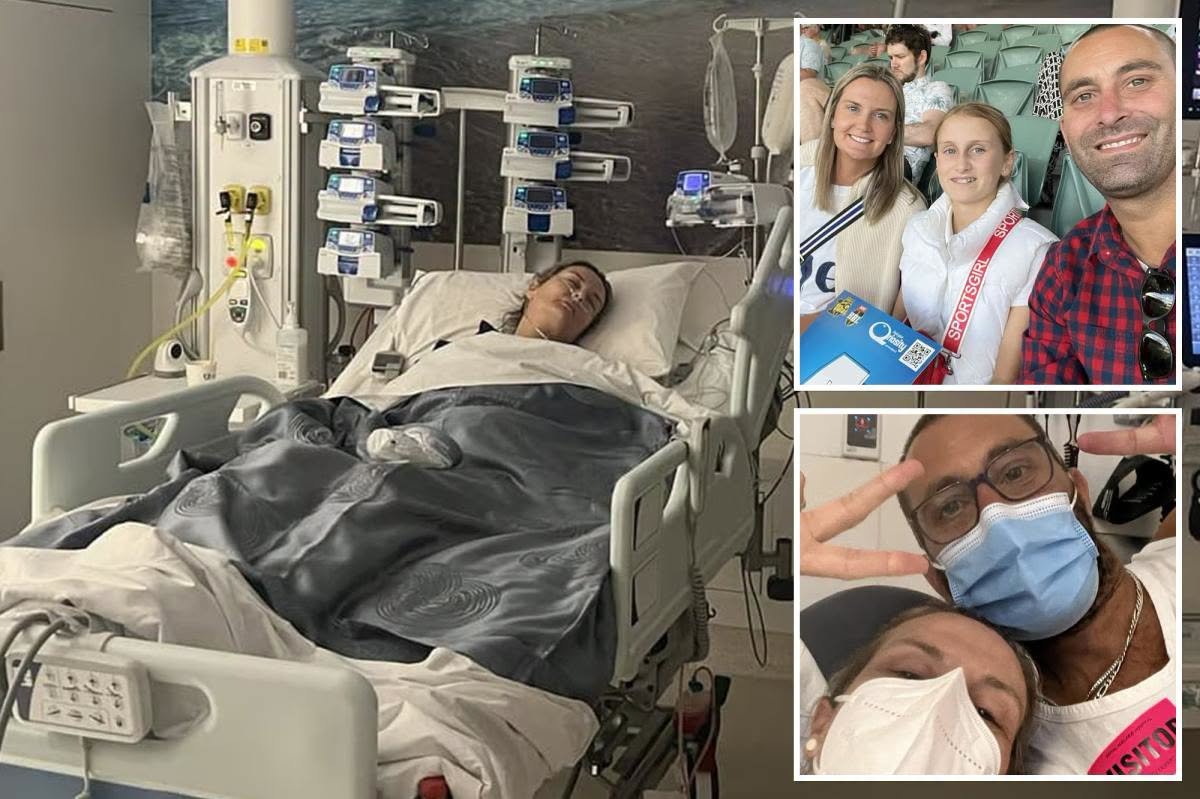
Helen Worthington, a 40-year-old mother and primary school teacher from Adelaide, Australia, never expected a minor stomach discomfort to lead to a life-changing diagnosis. What initially seemed like an ordinary digestive problem turned out to be Stage 4 bowel cancer that had already spread to her liver.
Her experience began in the early hours of August 27, 2025, when she woke up with an uncomfortable sensation in her abdomen. At first, she thought she might be developing a stomach illness. However, as the pain continued, she decided to seek medical attention.
Unable to secure an appointment with her regular doctor, Helen visited a nearby emergency department. She even worried that she might be overreacting and apologised to medical staff for taking up their time.
Doctors initially considered several possible explanations, but further examinations revealed a much more serious condition. Helen was diagnosed with advanced bowel cancer, leaving her struggling to understand how the disease could have developed without more obvious warning signs.
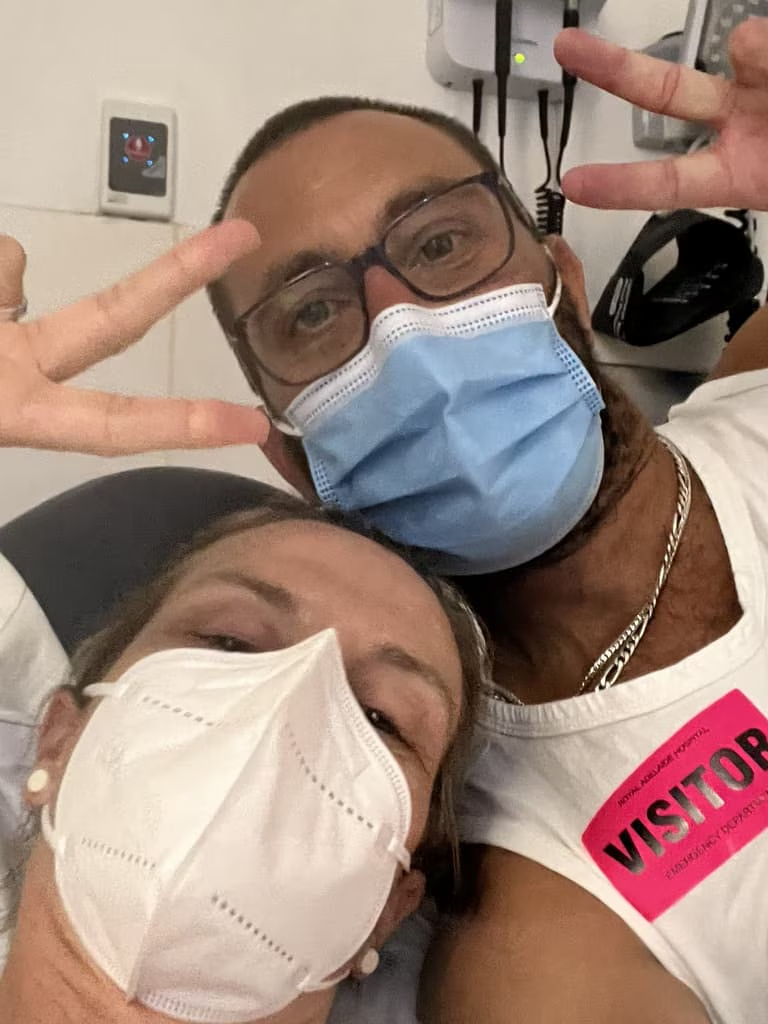
An Unexpected Diagnosis Changed Everything
Before that morning, Helen had experienced very few noticeable symptoms. Apart from some tiredness, she considered herself generally healthy and had no reason to suspect a serious illness.
The discovery that the cancer had already spread to her liver made the news even more difficult to process.
Within 24 hours of the diagnosis, she underwent emergency surgery to remove the affected section of her bowel. Chemotherapy followed as doctors worked to control the disease.
Further testing revealed a BRAF V600E mutation, associated with a more aggressive form of bowel cancer. Her treatment plan involves continuing chemotherapy for as long as it remains effective and her body can tolerate it.
By November 2026, Helen had completed 27 rounds of chemotherapy and was continuing regular scans to monitor her condition.
Telling Her 12-Year-Old Daughter Was The Hardest Part
Beyond the medical challenges, one of Helen’s most difficult moments was explaining the diagnosis to her daughter, Molly, who was just 12 years old.
As a mother, she wanted to reassure her child that everything would eventually be okay. However, the uncertainty surrounding advanced cancer meant she could not make promises about the future.
The family suddenly had to adjust to a life involving hospital appointments, ongoing treatment and regular medical examinations.
Helen has spoken openly about the emotional difficulty of navigating that uncertainty while trying to remain strong for her daughter.
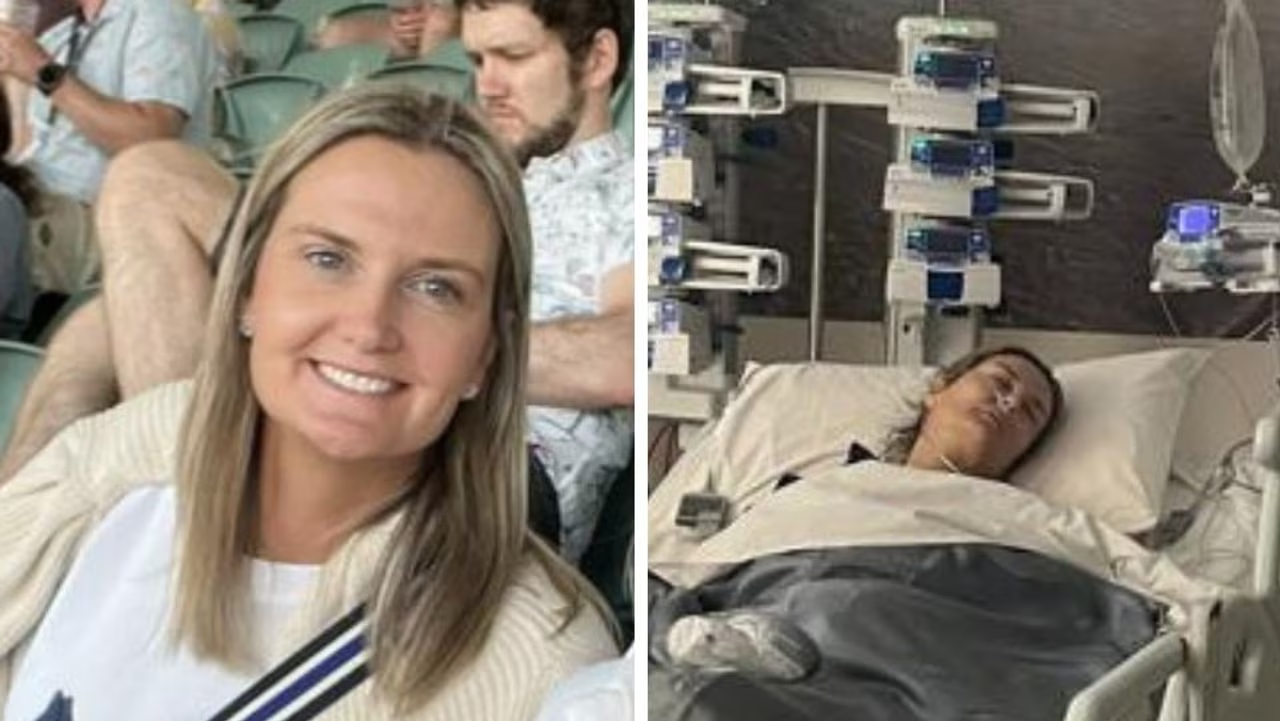
Exercise Became An Unexpected Source Of Strength
One important part of Helen’s recovery journey has been medically supervised exercise.
Initially, she was skeptical about exercising while undergoing chemotherapy. However, encouragement from her sister-in-law, an oncology physiotherapist, led her to work with Lauren Whiting, founder of Lift Cancer Care Services in Adelaide.
The experience has helped Helen improve her physical fitness and build strength despite the demands of treatment.
She explained that exercise also gives her a sense of control at a time when so many aspects of her health remain uncertain.
Her experience reflects growing recognition of the role appropriately prescribed physical activity can play in cancer care. Exercise programs must be tailored to each patient’s diagnosis, treatment and physical condition, rather than following a standard gym routine.
A Story That Raises Awareness About Bowel Cancer
Helen’s experience highlights how serious conditions can sometimes develop without obvious early warning signs.
Bowel cancer may cause symptoms such as persistent abdominal discomfort, changes in bowel habits, unexplained fatigue or blood in the stool. However, some people experience very few noticeable symptoms.
Her story is also a reminder that being relatively young and generally healthy does not eliminate the possibility of developing serious illness.
For Helen, treatment continues without a predetermined end date. Her doctors are monitoring the cancer through regular scans while adjusting care according to how her body responds.
Despite the uncertainty, she continues working on her strength and focusing on the things she can control.
Her journey is not only about confronting an unexpected diagnosis but also about finding ways to maintain hope, independence and family connections throughout treatment.
For other families, her experience offers an important reminder to take unusual or persistent health changes seriously and seek medical advice when something does not feel right.