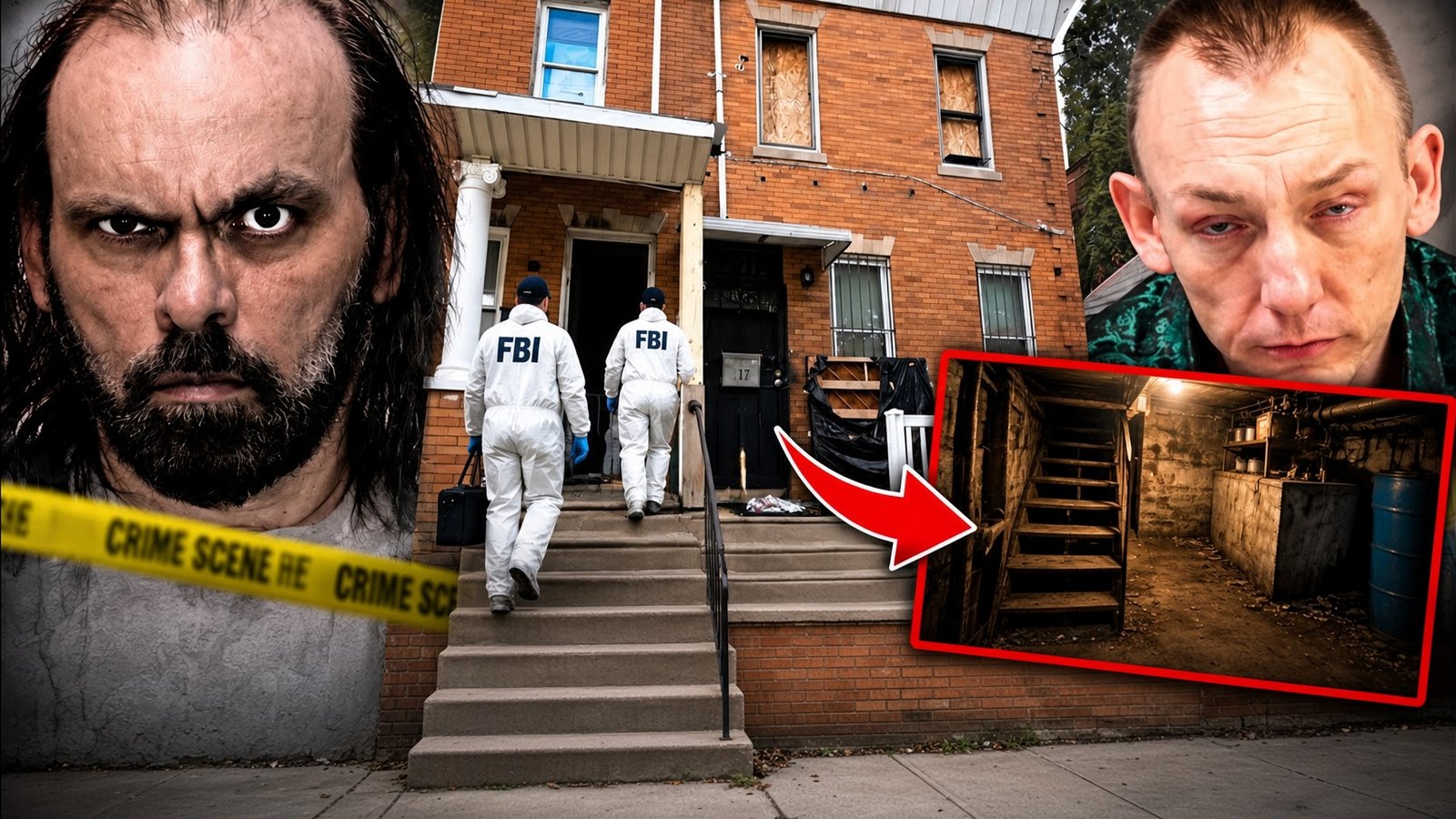
A months-long investigation into the disappearances of seven women in Philadelphia has taken another turn after investigators uncovered a hidden safe and recovered bones from the backyard of a property once associated with Raymond Charles “R.C.” Horsch.
The discoveries initially raised new questions about what might be hidden inside the deteriorating home in the city’s Olney neighborhood. However, subsequent forensic findings have clarified one important detail: the bones recovered from the backyard were identified as belonging to an animal, not a human. As of October 24, authorities have reported no human remains recovered from the property.
Despite that development, the investigation remains significant. Detectives are continuing to examine a vast collection of photographs, videos, documents and other materials recovered from the home as they work to establish what happened to the women connected to the case.
The property, located on West Chew Avenue, once belonged to Horsch, a former producer of adult films who died in 2025. His son, Eugene Horsch, who later owned the home, was arrested in June in a separate investigation. That arrest ultimately led authorities to begin examining the property and the material found inside.
Bones Found During Backyard Excavation
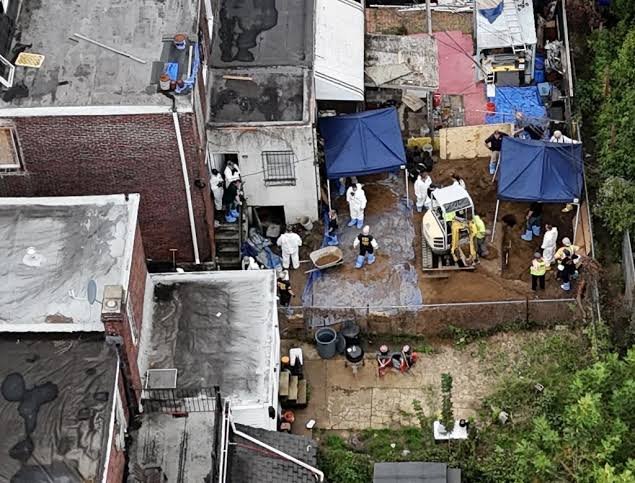
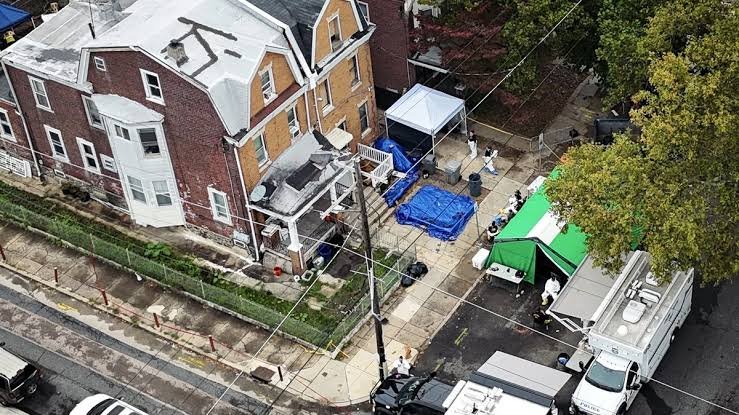
The latest phase of the investigation involved an extensive search of the property’s backyard, where FBI personnel and Philadelphia police used excavation equipment to examine the soil.
Investigators recovered bones in mid-October and contacted the Philadelphia Medical Examiner’s Office to determine their origin. At the time, authorities had not established whether the remains belonged to a human or an animal, prompting further examination.
The results later provided an important clarification. By October 20 and 21, local news outlets reported that the bones had been identified as animal remains.
No human remains had been identified at the property, according to subsequent reporting by NBC10 Philadelphia and CBS Philadelphia.
Although the discovery did not provide the breakthrough investigators may have hoped for, the examination formed part of a broader effort to locate physical evidence that could help explain the disappearances.
Authorities have also collected soil samples and examined different sections of the property. Investigators have worked methodically through the backyard, separating and inspecting material before determining whether it could be relevant to the case.
The extensive search eventually reached its conclusion on October 23, according to 6abc Philadelphia. The end of the excavation marks the completion of a major phase of the investigation, but it does not mean that the broader case has been resolved.
Investigators still have substantial evidence to analyze, and several questions surrounding the missing women remain unanswered.
A Safe Hidden Behind The Walls
Another discovery has drawn attention to the interior of the property.
While removing sections of walls and floorboards, investigators found a safe concealed inside the structure. According to reports, the safe contained documents and other materials.
Authorities have not publicly explained the full significance of its contents or confirmed whether the materials directly relate to any of the missing women.
The discovery nevertheless provides another potential avenue for investigators to explore. Documents recovered from the safe could help establish timelines, identify individuals or provide context for other evidence, depending on what the materials contain.
At this stage, it would be premature to assume that the safe holds answers to the disappearances. Its contents must be examined alongside the digital evidence and other information gathered during the investigation.
Detectives have also been examining the house for potential biological evidence. Earlier testing using luminol, a chemical that can reveal traces of certain biological substances, produced reactions in several locations. Those findings require additional forensic analysis before investigators can determine their relevance.
Because multiple people lived at or visited the property over the years, the presence of biological material alone does not establish that a crime occurred in a particular location.
The challenge for investigators is to distinguish ordinary traces from evidence that can be connected to a specific person, event or disappearance.
Seven Women Connected To The Investigation
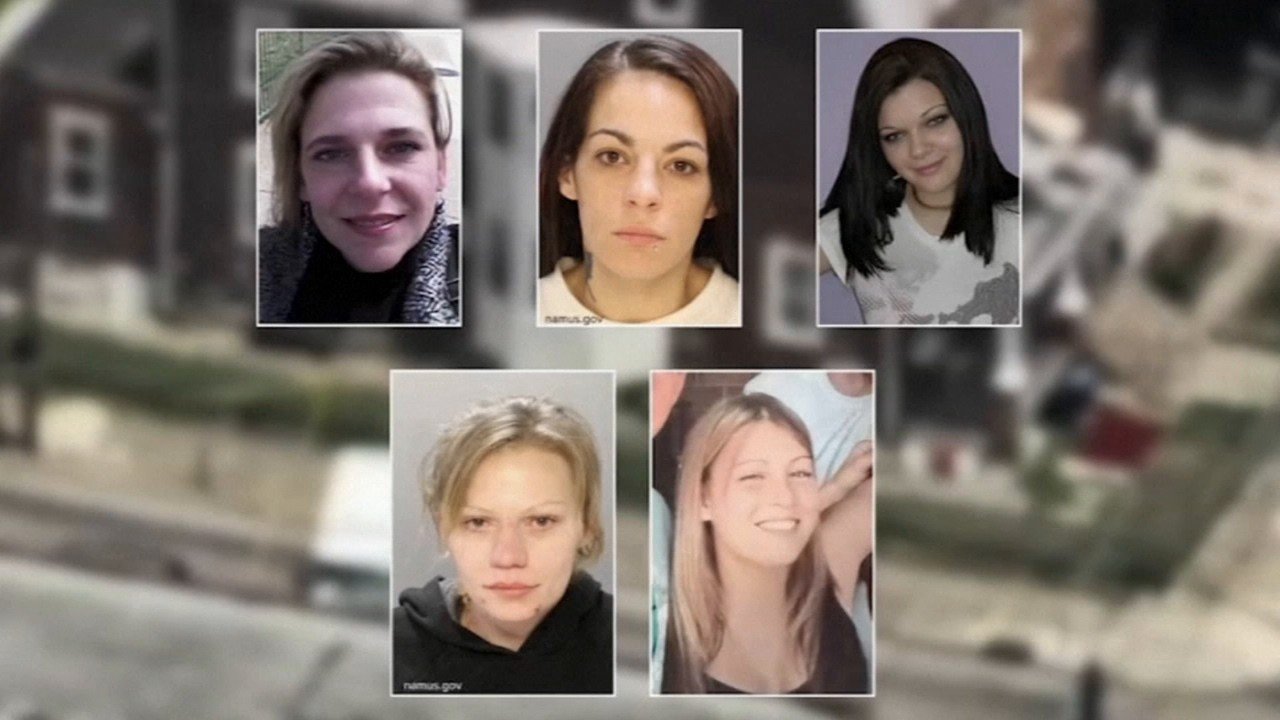
Authorities have linked at least seven missing or unidentified women to the investigation through material recovered from the property.
The women include Nicole Fusaro, Gabrielle Amarando, Maribel Fresses, Amy McHale and Blair Tonzelli, along with two additional women whose cases have been connected to the broader inquiry.
Investigators have reportedly recovered more than one million photographs and videos from the home. Some of the material has raised concerns about the circumstances surrounding women who were later reported missing.
Philadelphia police have said that the available video and photographic evidence suggests that at least five of the seven women may no longer be alive. That assessment remains part of the investigation, and authorities have not recovered human remains from the property.
The distinction is important. Evidence suggesting that a person may have suffered serious harm is not the same as a confirmed identification or a final determination about what happened to that individual.
Investigators must establish the authenticity and context of the recordings, identify the people depicted and compare the material with missing-person reports and other available evidence.
The scale of the digital collection also creates a substantial investigative task. Each potentially relevant file may need to be examined for identifying details, timestamps, locations and connections to other evidence.
Authorities are working to determine which recordings document actual events and which may have been staged. That process is particularly important given the nature of Horsch’s previous work.
Who Was R.C. Horsch?
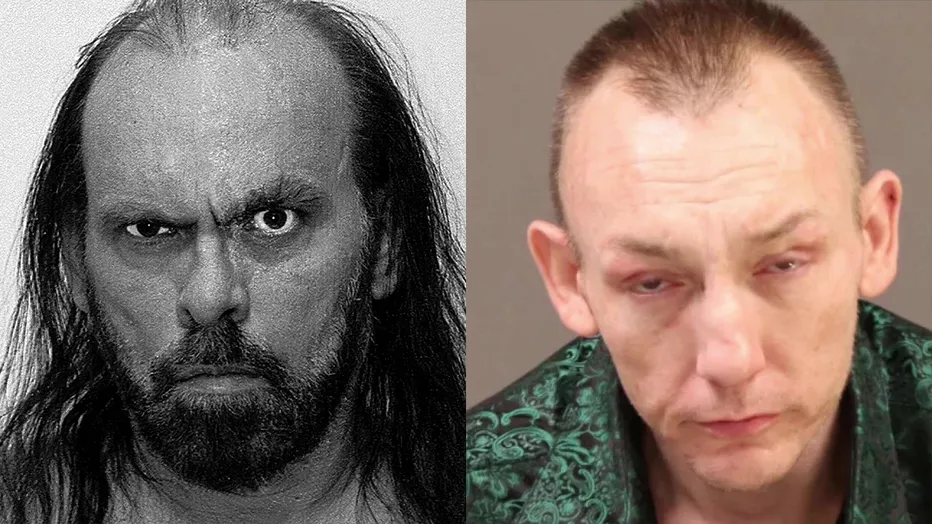
Raymond Charles Horsch was known for producing adult films and photography. He also wrote material that attracted attention because of its references to extreme violence and methods of disposing of bodies.
Investigators are examining whether any of his written material describes real events or whether it reflects fictional or staged scenarios. The distinction could be crucial in determining whether the content found at the property provides evidence of crimes.
Horsch died in 2025 at the age of 82, before authorities began the current investigation into the missing women.
His passing means investigators cannot question him directly about the material or the circumstances surrounding the disappearances. As a result, establishing what happened may depend heavily on forensic findings, digital records, witness interviews and other evidence that can be independently verified.
The investigation has also drawn attention to the condition of the property itself. Teams have removed equipment, examined containers and inspected parts of the basement while searching for evidence that might clarify the case.
Some containers found inside the home reportedly held oily or sludge-like substances. Authorities have sent materials for testing as part of their efforts to understand the property’s history and determine whether the contents have any evidentiary significance.
The presence of unusual equipment or chemicals does not, by itself, establish what they were used for. Investigators must rely on laboratory findings and other corroborating evidence before drawing conclusions.
How Eugene Horsch’s Arrest Brought The Property Under Scrutiny
The investigation gained momentum in June after Eugene Horsch was stopped by police while driving in Philadelphia.
According to reports, the vehicle contained illegal weapons, drugs and items associated with false law-enforcement credentials. A female passenger was reportedly carrying identification bearing the name Blair Tonzelli, a woman who had been reported missing in 2023.
That discovery drew investigators’ attention to the passenger’s identity and ultimately helped lead authorities to the West Chew Avenue property.
During subsequent searches, police reportedly recovered the large collection of digital files, several urns, chemical containers and other materials that prompted a more extensive investigation.
Eugene Horsch was later indicted on federal charges involving firearms and impersonation-related offenses. He remains in custody, according to reporting on the case.
However, he has not been charged in connection with the disappearances of the women. His attorney has also maintained that he was not involved in the investigation’s central allegations.
It is important to keep the separate legal matters distinct. Eugene’s arrest led investigators to evidence at the property, but that fact alone does not establish his involvement in what may have happened to the missing women.
Authorities continue to examine the evidence and determine whether any additional charges are warranted.
What Investigators Know And What Remains Unclear
The completion of the physical search provides investigators with an opportunity to focus more heavily on forensic analysis and the review of digital material.
Several important questions remain.
First, investigators must determine what happened to each of the seven women connected to the case. Their circumstances differ, and evidence associated with one person cannot automatically establish what happened to another.
Second, authorities must establish whether the recordings recovered from the property document actual events. That requires careful examination of the files, their context and any information that can be independently corroborated.
Third, investigators need to determine whether the documents recovered from the hidden safe provide meaningful information about the missing women or the history of the property.
Finally, any biological evidence collected from the home must be tested and interpreted in context. The identification of animal bones is a reminder that an unusual discovery can attract attention without ultimately providing the answer investigators are seeking.
At present, no human remains have been identified at the property. That does not resolve the missing-person cases, but it does clarify the results of the recent excavation.
The investigation will now depend increasingly on what authorities can establish from the evidence already collected and the information they receive from potential witnesses.
The Neighborhood Awaits Answers
The investigation has also affected residents of the Olney neighborhood, where the property has become the center of a major law-enforcement operation.
For weeks, investigators brought equipment into the area, restricted access around the home and excavated sections of the yard. The activity disrupted normal routines and left nearby residents wondering how long the work would continue.
Local officials have acknowledged those concerns and held community meetings to discuss the investigation and the future of the property.
Councilman Anthony Phillips has indicated that decisions about the home’s future will depend on the appropriate municipal process and the status of the criminal investigation. Possible outcomes could include condemnation or demolition, depending on the findings and applicable procedures.
For neighbors, the completion of the excavation may bring some relief from the disruption. But the larger questions surrounding the missing women remain unresolved.
The case has also renewed attention to the importance of missing-person investigations and the work required to establish what happened when individuals disappear without clear answers.
What Happens Next?
With the physical search completed, investigators are expected to concentrate on examining the evidence recovered from the property and following up on leads involving the missing women.
The safe’s contents, the results of biological testing and the extensive digital archive could all become important as the investigation progresses. However, authorities have not confirmed that any single discovery will resolve the case.
The identification of the backyard bones as animal remains represents a significant clarification, but it is only one part of a much larger investigation.
For the families and friends of the missing women, the most important questions remain unanswered: where their loved ones are, what happened to them and whether investigators will be able to establish the truth.
As detectives continue their work, the focus remains on identifying the women, verifying the available evidence and determining whether the material recovered from the Philadelphia property can support further legal action.
The search at West Chew Avenue may be over for now, but the investigation into the seven women is far from complete.