
Lindsay Clancy is preparing to return to court for another trial in the case involving the deaths of her three young children, after a Massachusetts judge set a new date during a hearing on November 16, 2026.
Judge William Sullivan scheduled the retrial to begin on March 29, 2027, following weeks of uncertainty over whether prosecutors would pursue the original first-degree murder charges or consider a different legal approach. The decision marks another significant development in a case that has drawn national attention because of the central question surrounding Clancy’s mental health at the time of the 2023 tragedy.
During Monday’s hearing, Assistant District Attorney Jennifer Sprague indicated that prosecutors were preparing for a jury trial but stopped short of formally confirming the exact charges they intend to pursue.
However, her comments prompted Clancy’s defense attorney, Kevin Reddington, to suggest that the prosecution plans to proceed with the original first-degree murder indictments.
“The die has been cast,” Reddington remarked, interpreting the prosecution’s position as a signal that the case would once again be presented to a jury.
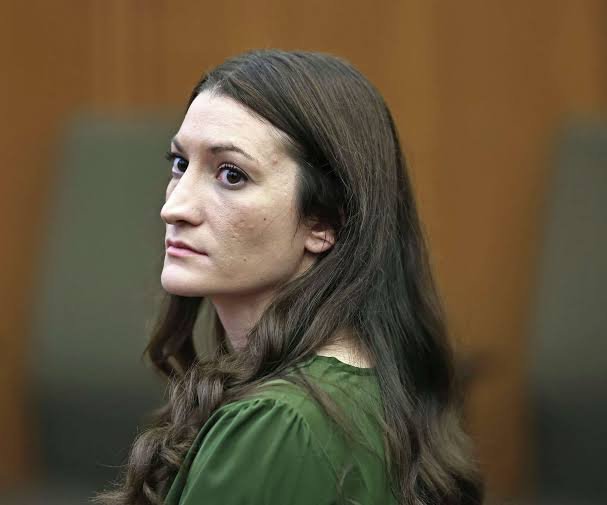
Why The First Trial Ended Without A Verdict
Clancy, 36, is accused of causing the deaths of her three children at the family’s home in Duxbury, Massachusetts, on January 24, 2023.
The children were identified as Cora, 5, Dawson, 3, and Callan, who was just eight months old.
Her first trial lasted several weeks and concluded in September 2026 after jurors were unable to reach a unanimous decision. Eleven jurors reportedly favored finding Clancy not criminally responsible because of mental illness, while one juror disagreed.
The disagreement resulted in a mistrial, meaning the case ended without a final verdict.
Clancy’s defense has maintained that she was experiencing postpartum psychosis and was not legally responsible for her actions. Her attorneys have pointed to her mental health history, medical treatment and the medications she had been prescribed before the incident.
Prosecutors, on the other hand, have argued that the events were deliberate and that Clancy understood the nature and consequences of her actions.
These conflicting positions are expected to remain central when the case returns to court.
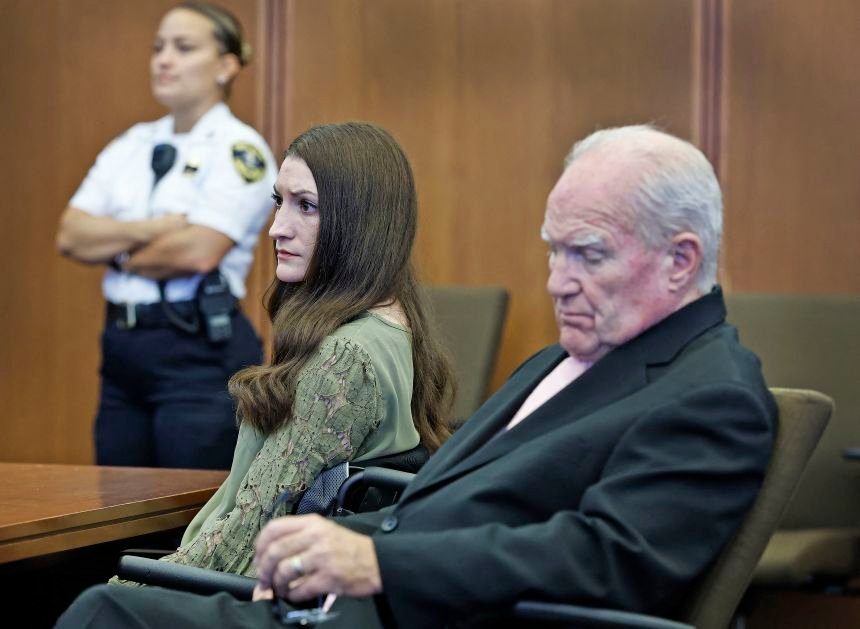
Judge Rejects Defense Effort To Dismiss The Case
Before setting the new trial date, Judge Sullivan rejected a major defense effort to have the charges dismissed.
Clancy’s attorneys had argued that another trial would violate her constitutional protection against being prosecuted twice for the same offense. They also raised concerns about the jury deliberations and the circumstances that led to the first trial ending without a verdict.
The judge rejected those arguments, allowing prosecutors to continue pursuing the case.
The defense has indicated that it intends to challenge the ruling, although Reddington has also expressed a desire to move forward with the next trial rather than allow the proceedings to remain unresolved for an extended period.
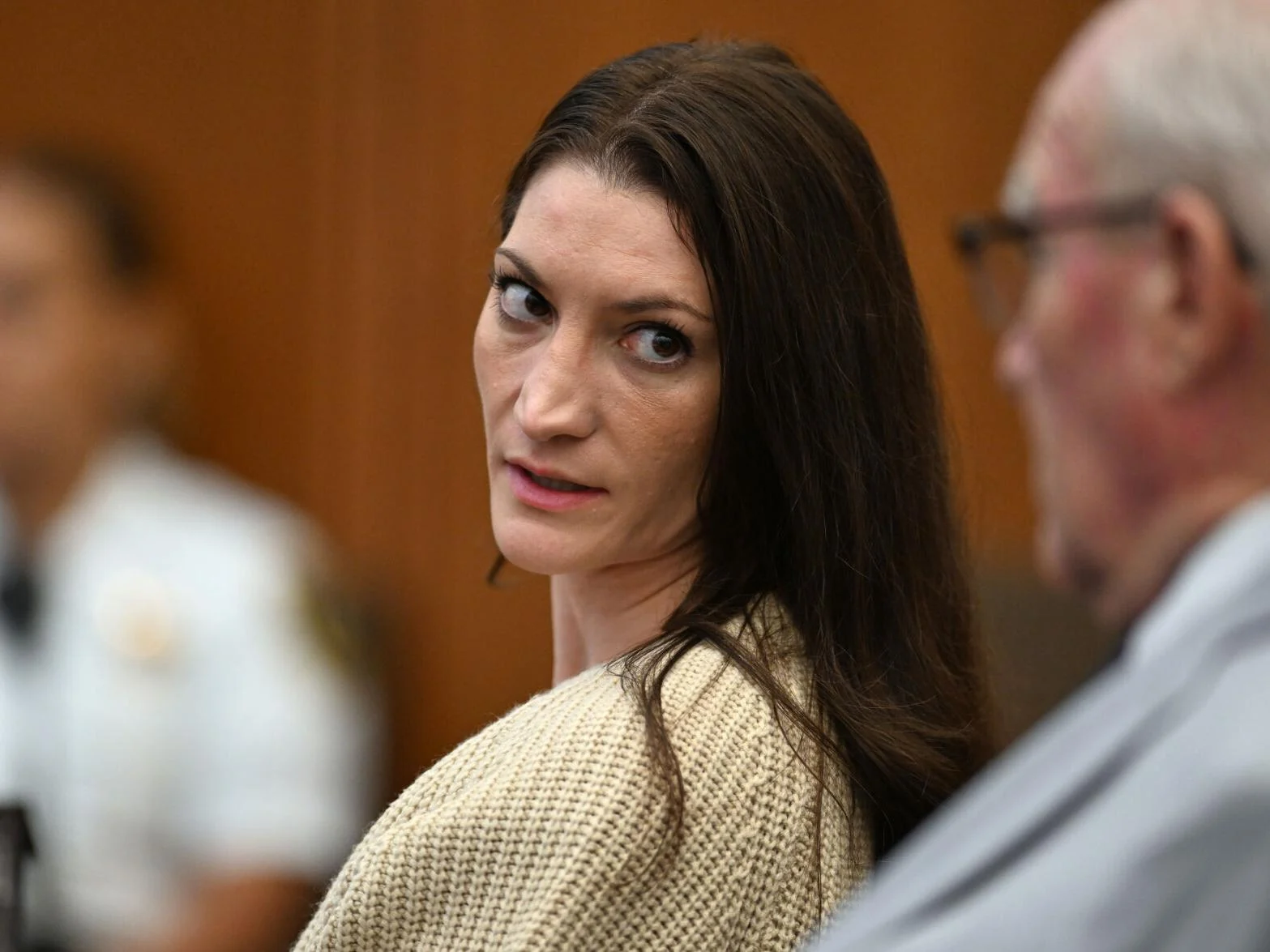
March 2027 Will Bring Another Major Courtroom Battle
Prosecutors had requested a later trial date, citing scheduling conflicts and other cases already on their calendar. Judge Sullivan ultimately selected March 29, 2027, rather than delaying proceedings until May.
The judge also scheduled additional court appearances for December 30, 2026, and February 18, 2027, to address matters leading up to the retrial.
The timing is also important because Sullivan is approaching the mandatory retirement age for Massachusetts judges later in 2027. Setting the trial for March could allow him to continue overseeing the case.
If prosecutors proceed with first-degree murder charges and secure convictions, Clancy could face life imprisonment without the possibility of parole.
For now, the exact prosecution strategy has not been formally announced, although statements made during the November 16 hearing strongly suggest that the original charges remain under consideration.
As both sides prepare for another courtroom battle, the central issue remains whether Clancy should be held criminally responsible or whether her mental health condition affected her legal responsibility at the time.
The March 29 trial date now gives both parties a clearer timeline. After the first jury failed to reach an agreement, the next proceedings will bring the case back before a new jury, with the arguments over mental health, responsibility and the evidence expected to remain at the center of the courtroom discussion.