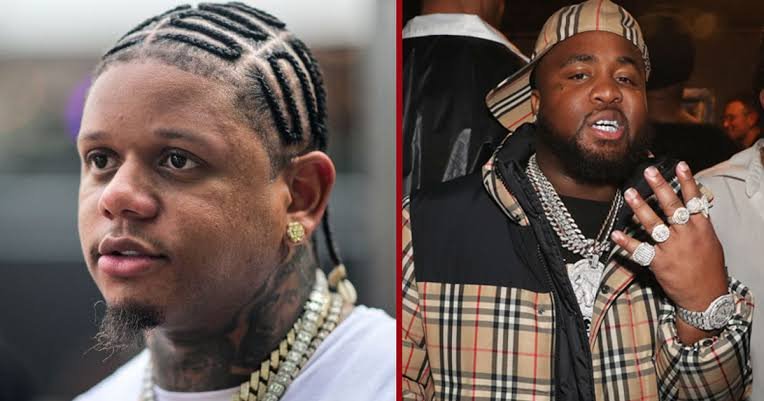
The trial over the 2020 killing of Dallas rapper MO3 has entered another critical stage, with prosecutors presenting jurors with forensic evidence, surveillance footage, digital records and testimony they say connects Kewon White to the fatal shooting on Interstate 35.
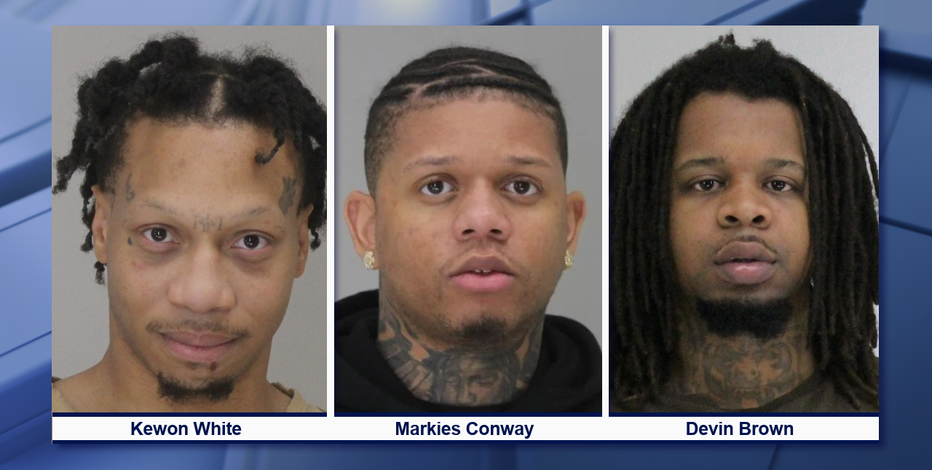
White is the first of three defendants to stand trial in the case. Prosecutors allege that he was the gunman who killed MO3, whose real name was Melvin Noble, during a November 2020 ambush on a Dallas highway.
They also allege that fellow Dallas rapper Yella Beezy, whose real name is Markies Conway, arranged the killing as part of a long-running dispute between the two artists.
Conway has pleaded not guilty to capital murder and has denied involvement. Devin Brown, another defendant in the case, is also charged with capital murder.
The allegations have not been proven against Conway or Brown, and White’s trial is still ongoing.
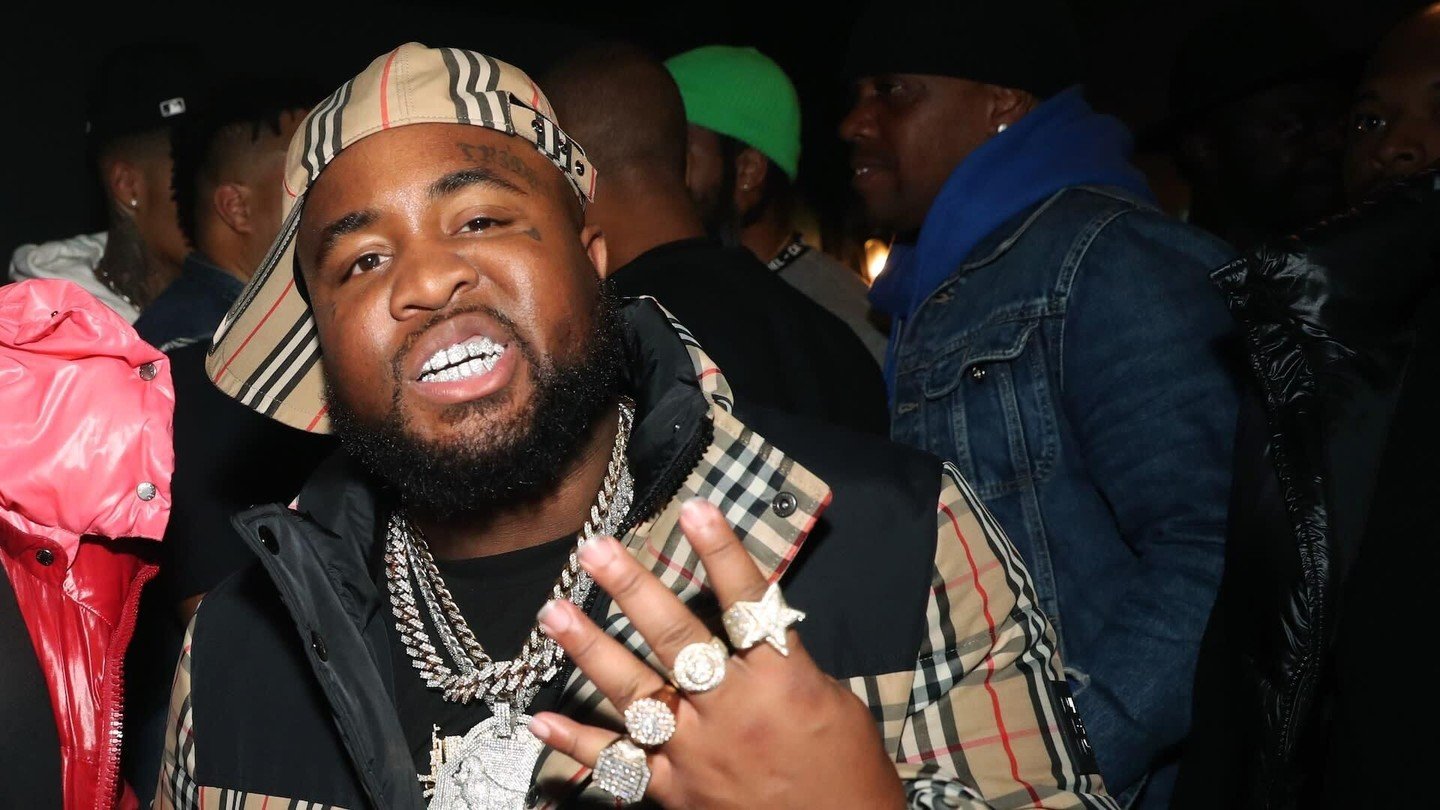
What the jury has heard so far
Jury selection for White’s trial was completed on August 25 after two days of proceedings. Twelve jurors were selected from a pool of 77 prospective jurors, with opening statements beginning the following day.
From the beginning, prosecutors have presented the shooting as a planned attack rather than a random highway confrontation.
During opening statements, Dallas County prosecutors argued that White tracked Noble down and carried out the shooting on I-35.
The defense has challenged that narrative, arguing that prosecutors still have to prove the connection between White and the killing beyond a reasonable doubt. One defense attorney also pointed out that witnesses did not directly identify White as the shooter.
That distinction is important as the evidence continues to unfold.
The case is not simply about whether MO3 was killed. There is no dispute that Noble was fatally shot in 2020.
The central question for the jury is whether prosecutors can prove that White was the person who carried out the shooting and that the evidence supports the capital murder charge against him.
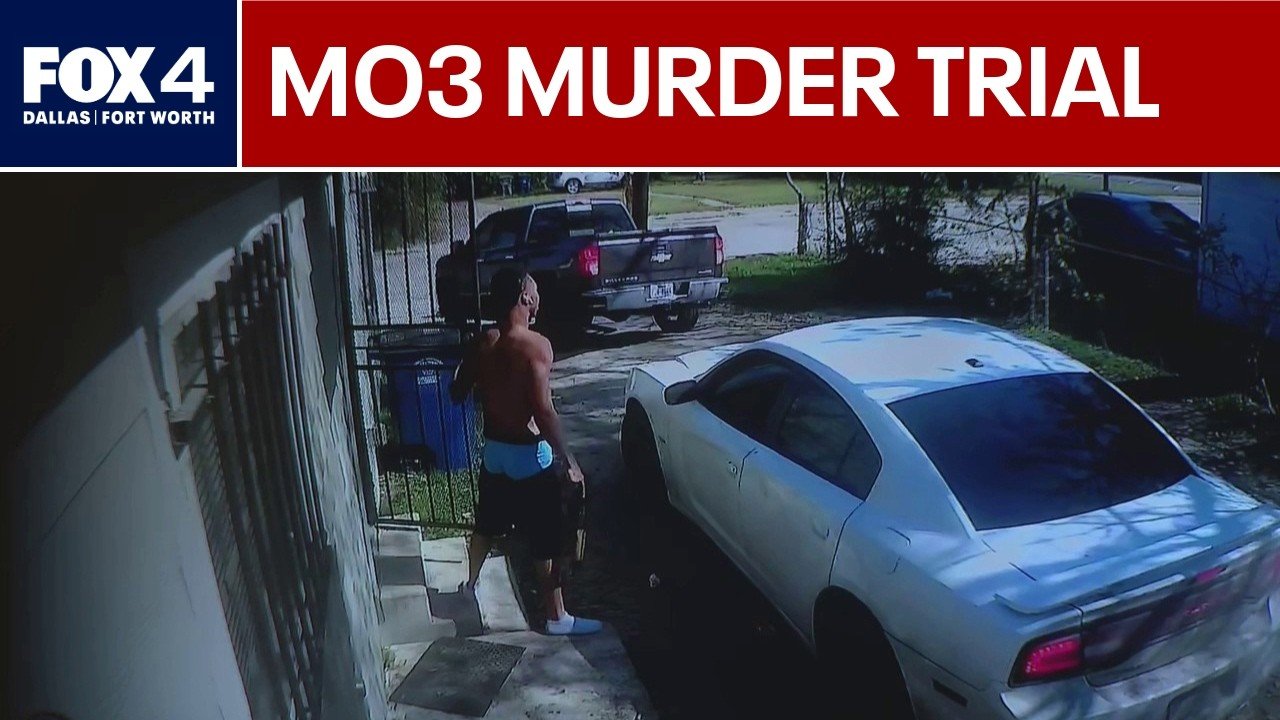
Surveillance footage becomes a major part of the case
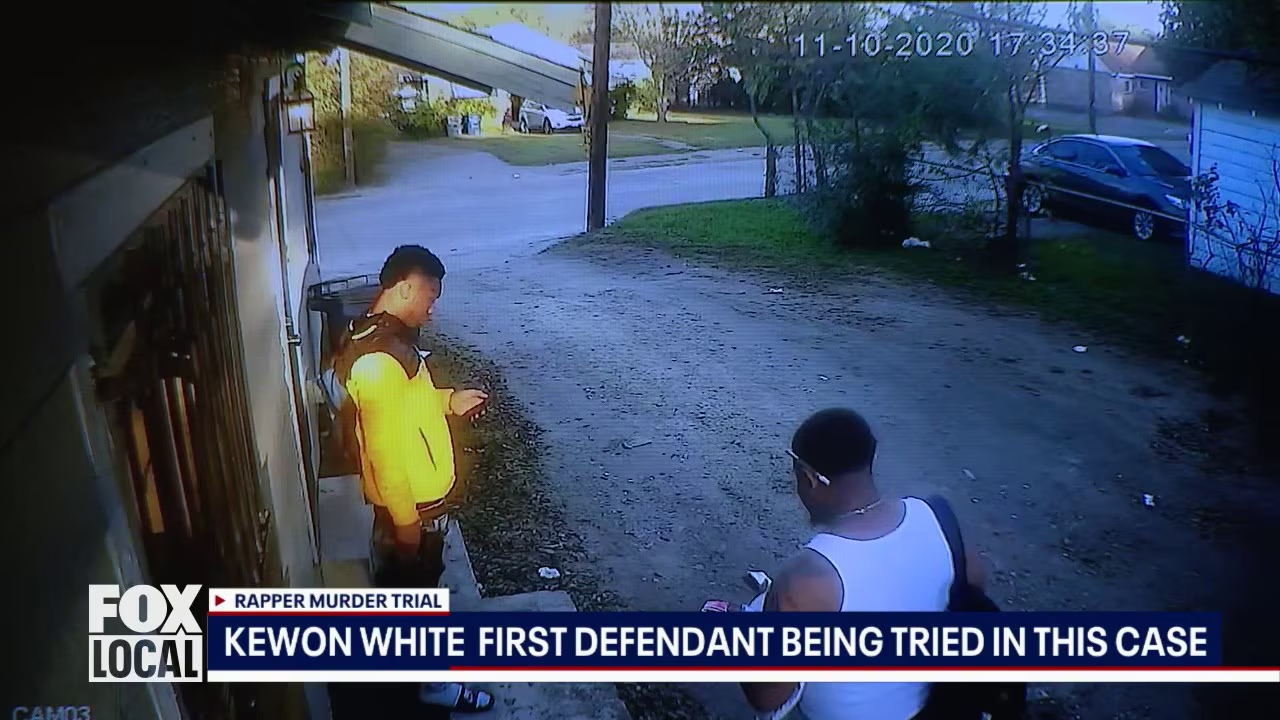
During the first week of testimony, jurors were shown photographs and surveillance footage connected to Noble’s final movements.
On August 27, a surveillance video was presented from a business in the area. Investigators have been using video evidence to reconstruct the movements of the people and vehicles connected to the shooting.
Prosecutors contend that the surveillance material helps establish the sequence of events surrounding Noble’s final hours and White’s alleged involvement.
The jury has also heard from crime scene analysts and Dallas police investigators who worked on the case.
By August 28, the prosecution had moved into forensic evidence, including ballistics and additional security-camera evidence.
FOX 4 reported that forensic experts testified about evidence connected to the shooting as prosecutors continued building their case against White.
Investigators also examined digital evidence
Another major part of the prosecution’s case involves cellphone and digital evidence.
An FBI digital forensic examiner testified during the August 28 proceedings about the extraction and examination of cellphone information.
The testimony was part of a broader effort by prosecutors to establish a timeline surrounding the shooting and the people they believe were involved.
The jury also heard testimony about recordings of jail calls, while law enforcement witnesses discussed evidence seized during the investigation.
Digital evidence can be particularly important in a case that relies heavily on reconstructing movements and communications from several years ago.
Rather than relying on a single eyewitness, prosecutors are attempting to piece together a chain of evidence involving surveillance footage, forensic findings, phone data and witness testimony.
A witness says White confessed
The second week of the trial brought another significant development.
On August 31, a state witness testified that White had allegedly confessed to being involved in MO3’s killing.
According to testimony reported from the courtroom, Cedric Bradley said White spoke about the freeway shooting after the two men met following White’s release from jail.
Bradley testified that White allegedly told him he had been the person who carried out the shooting and that he expected to receive money.
The testimony is significant because prosecutors are trying to establish not only that White was connected to the shooting, but also that the killing was part of a paid arrangement.
However, Bradley’s testimony is still evidence presented by the prosecution, not an independent finding of guilt. The defense has challenged aspects of the testimony and the conclusions being drawn from it.
The alleged payment is another issue
Prosecutors have also presented evidence about money they say was connected to White.
During Monday’s testimony, business records were discussed showing that White made a $300 payment in 2020. A jeweler also testified about purchases and records involving White.
The prosecution is attempting to use financial and other records to help establish the broader timeline surrounding the alleged murder-for-hire operation.
But there has also been an important limitation raised in court.
Bradley’s testimony about who may have been responsible for paying White included speculation about possible people involved in the alleged payment. The defense objected because Bradley did not have personal knowledge of who was actually supposed to pay White.
That distinction matters.
A witness saying what he personally heard is different from a witness speculating about information he did not personally know.
The court proceedings have therefore involved not only the evidence itself but also arguments over what the jury should be allowed to consider.
Rap lyrics are now part of the legal battle
One of the most unusual elements of the case has been the fight over Yella Beezy’s music.
Before the trial, Conway’s defense attorneys argued that his lyrics should not be treated as evidence of an actual murder plot. They maintained that rap music is artistic expression and should not automatically be interpreted as literal admissions of criminal conduct.
Prosecutors, however, argued that certain songs could help establish motive and intent in the alleged feud between Conway and Noble.
A judge ultimately ruled that three of Conway’s songs could be used as evidence.
That ruling does not mean the lyrics prove that Conway ordered Noble’s killing.
Instead, the prosecution is permitted to present the songs to the jury as part of its broader argument about the relationship between the two rappers and the alleged motive.
The defense continues to argue that the lyrics should be understood as music rather than literal descriptions of real-world actions.
The case goes back to 2020
MO3 was fatally shot on November 11, 2020, on Interstate 35 in Dallas.
According to prosecutors, Noble was targeted while traveling on the highway.
Investigators eventually arrested White and charged him in connection with the killing. Devin Brown was later charged as another alleged participant.
The case remained unresolved for years before Conway, known professionally as Yella Beezy, was arrested and charged with capital murder in 2025.
Prosecutors now allege that Conway was the person who orchestrated the killing and that White was the alleged gunman.
Conway has denied the allegation and pleaded not guilty.
White’s trial could shape what comes next
The current proceedings are especially significant because White is the first of the three defendants to face a jury.
His case is expected to last approximately two weeks. The trials involving Conway and Brown are expected to follow.
That means the evidence introduced during White’s trial could become an important part of the broader legal story surrounding MO3’s death, although each defendant’s case must ultimately be decided on its own evidence.
For prosecutors, the challenge is to connect the individual pieces of evidence into a convincing narrative.
For the defense, the goal is to show the jury where the prosecution’s evidence may be incomplete, unreliable or open to another interpretation.
That battle is now playing out inside the courtroom.
What happens next
As the second week of the trial begins, prosecutors are continuing to call witnesses and present evidence they say connects White to the shooting.
Recent testimony has included alleged admissions, surveillance evidence, cellphone forensics, financial records and forensic evidence involving the shooting.
The defense is expected to continue challenging the prosecution’s interpretation of that evidence and the connections prosecutors are attempting to establish.
There has been no verdict in White’s case.
Yella Beezy remains charged separately and has pleaded not guilty. Devin Brown also remains charged in connection with the alleged murder-for-hire scheme.
For now, the courtroom focus remains on Kewon White and whether prosecutors can prove beyond a reasonable doubt that he was responsible for MO3’s killing.
The case that began with a shocking shooting on a Dallas freeway six years ago is now being tested piece by piece before a jury.
And with testimony continuing, the most important evidence may still be ahead.
This is an ongoing criminal trial. Allegations presented by prosecutors are not findings of fact, and the defendants are presumed innocent unless proven guilty in court.