
Newly released medical and investigative records are providing a clearer picture of what happened to a Utah mother and her 11-year-old daughter during a February trip to Las Vegas.
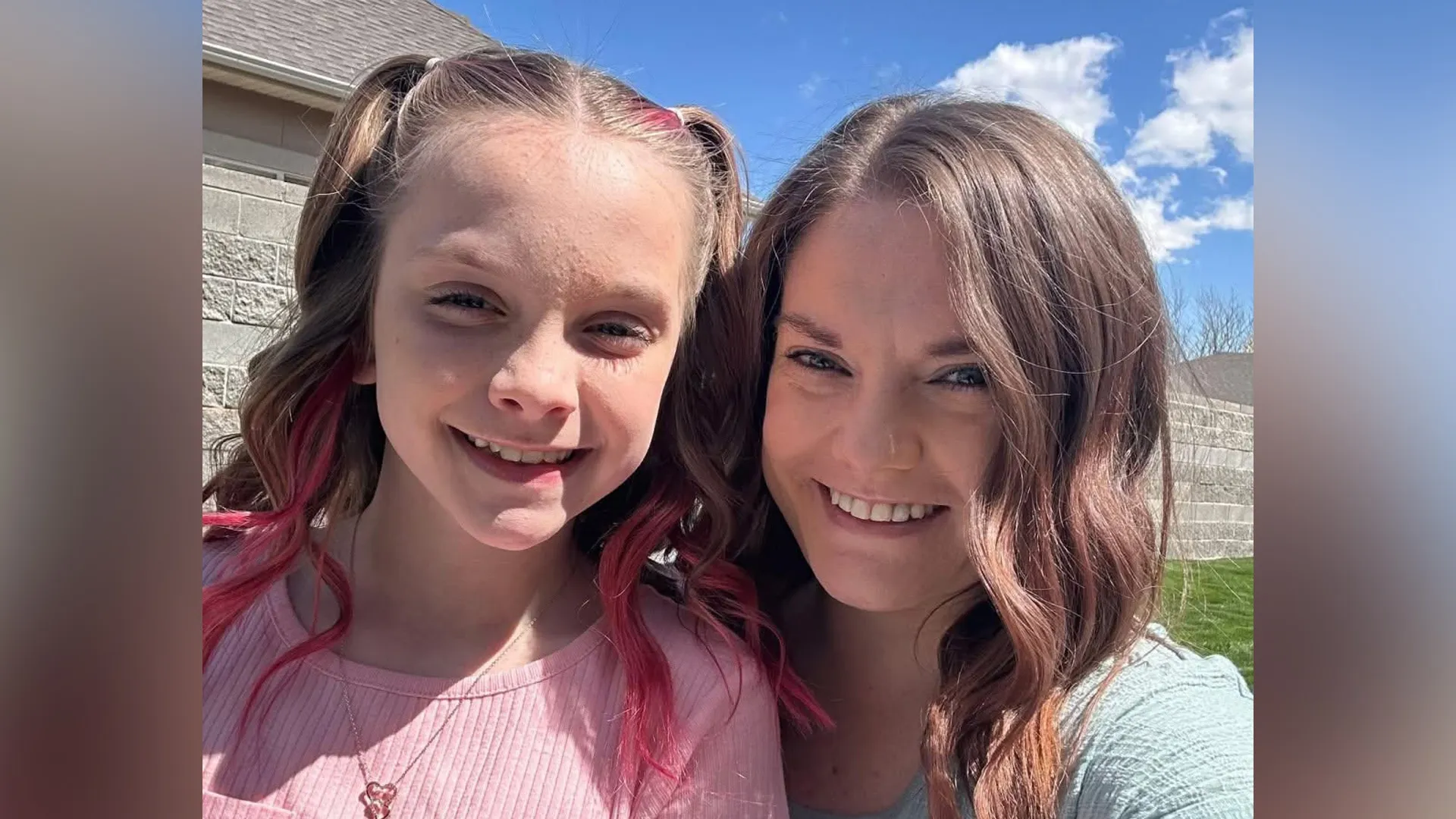
Tawnia McGeehan, 34, and her daughter, Addilyn “Addi” Smith, had traveled from Utah to Las Vegas for a cheerleading competition. The trip was supposed to be centered around Addi’s participation with her team, Utah Xtreme Cheer.
Instead, the mother and daughter were found in their room at the Rio Hotel & Casino on February 15, prompting an investigation that has now revealed new details about medications found in their systems, handwritten notes left inside the room and evidence recovered by investigators.
According to a newly released Clark County Coroner’s report, both mother and daughter had multiple substances in their systems before the fatal incident.
Addi’s toxicology results showed the presence of gabapentin, lorazepam and quetiapine. Investigators also found evidence inside the hotel room suggesting that medications had been taken before authorities arrived.
McGeehan’s toxicology report showed several of the same substances, along with medications including citalopram and diphenhydramine. Cannabinoids were also detected in her system.
Despite the number of substances identified, the coroner determined that the gunshot injuries were the causes of the pair’s fatal outcomes.
The new findings have helped investigators reconstruct the hours leading up to the discovery at the hotel.

The trip to Las Vegas
McGeehan and Addi arrived in Las Vegas on February 13 for the cheerleading event.
Addi was expected to compete with Utah Xtreme Cheer, but she did not appear for the competition.
When relatives and people close to the family could not reach the pair, concern grew and police were contacted.
Officers conducted a welfare check at the Rio at approximately 11:44 a.m. on February 15. No one answered the door, and officers initially left.
Later that day, hotel security entered the room.
Investigators found a chair positioned near the entrance with a handwritten note attached to it.
The note instructed anyone entering the room to call 911 and warned that there were two people inside, including an 11-year-old child.
Additional handwritten notes were discovered inside the room.
One reportedly stated that Addi had been “very medicated” beforehand and that she had been sleeping close to her mother.
Another note explained that Addi’s phone had intentionally been left open so photographs and videos could be accessed.
The notes have become an important part of the investigation because they provide investigators with information about what McGeehan wanted others to know after entering the room.
What investigators found inside
The coroner’s report also documented several items recovered from the hotel room.
Investigators found prescription medication bottles bearing McGeehan’s name, over-the-counter sleep aids, an opened package of THC gummies and empty or broken gabapentin capsules.
A clear cup containing white residue was also found in a trash container.
A handgun was recovered from the room as well.
The evidence, together with the toxicology findings and handwritten notes, helped investigators establish a timeline of the events that unfolded before authorities arrived.
The medical examiner ultimately determined that McGeehan had caused Addi’s fatal injuries before taking her own life.
Addi’s case was classified as a homicide, while McGeehan’s was classified as a suicide.
A family situation that had been complicated for years
The newly released report also provides additional context about McGeehan’s personal circumstances.
According to investigators who spoke with members of her family, McGeehan had experienced significant emotional difficulties and had previously struggled with suicidal thoughts.
Court records also show that McGeehan and Addi’s father, Bradley Smith, had been involved in a lengthy custody dispute following their 2015 divorce.

The custody case continued for years.
In 2020, a Utah court temporarily granted Smith sole custody. Court records cited in the reporting described concerns involving McGeehan’s conduct and the relationship between the parents.
The parents later reached a joint-custody arrangement in 2024.
Investigators said the custody dispute and other personal problems were among the circumstances surrounding McGeehan in the period before the Las Vegas incident.
Those details provide background, but they do not change the central focus of the investigation: understanding exactly what happened inside the hotel room and what led to the events of February 15.
Addi was in Las Vegas for something she loved
For people who knew Addi, the trip to Las Vegas was supposed to be about cheerleading.
She was 11 years old and part of Utah Xtreme Cheer, a team that later publicly remembered her as a valued member of its community.
Her failure to appear at the competition was what first raised concern among people waiting for her.
Instead of taking part in the event, Addi and her mother were discovered inside their hotel room later that day.
The new coroner records have now provided investigators with additional evidence about the hours leading up to the tragedy, but they also highlight how many unanswered questions surrounded the case when authorities first arrived.

What the new records reveal
The toxicology findings do not simply provide a list of medications.
They show that both mother and daughter had several substances in their systems before the fatal shooting, while the hotel room contained prescription bottles, sleep aids, THC gummies and other items that investigators documented as evidence.
The handwritten notes provide another piece of the timeline.
Together, the medical findings, physical evidence and notes have given authorities a more detailed understanding of what happened before the room was entered.
Still, the records do not erase the human side of the case.
Addi had traveled to Las Vegas expecting to participate in a competition with her teammates. Her absence from that event was what prompted people around her to become concerned.
The investigation that followed eventually uncovered a much more complicated situation involving her mother, medications and a series of notes left behind.
Months later, the newly released records have provided answers to some questions while also revealing just how much was taking place behind the closed door of the hotel room.
For Addi’s family, friends and cheerleading community, the most important part of her story remains who she was before the tragedy — an 11-year-old girl who had traveled to Las Vegas to do something she enjoyed with the people she knew from her team.
The latest records now give investigators and the public a clearer understanding of the circumstances surrounding her final hours, while the case continues to be remembered as a deeply painful loss for those who knew her.