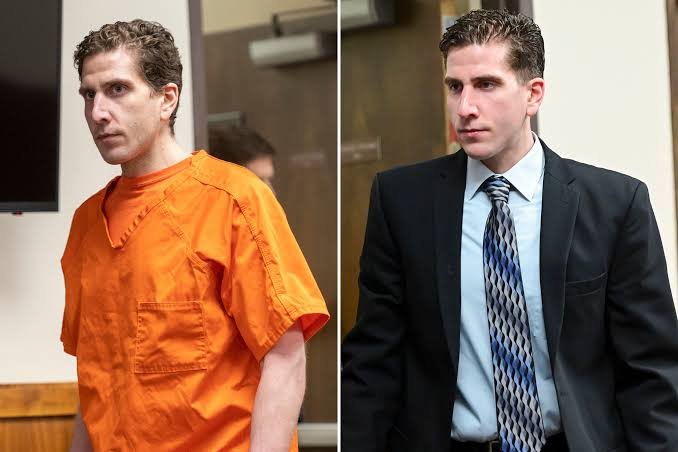
Bryan Kohberger’s effort to challenge his guilty plea has taken a new turn after a previously sealed court memo revealed that his former defense team had raised concerns about his ability to fully understand the legal developments surrounding his case.
The newly unsealed filing does not establish that Kohberger was legally incompetent when he pleaded guilty.
Instead, it reveals that his attorneys were already asking the court for additional time in 2025 because they were concerned about whether he could fully process major developments in the case and make important decisions about his defense.
That revelation could now become an important part of Kohberger’s post-conviction challenge.
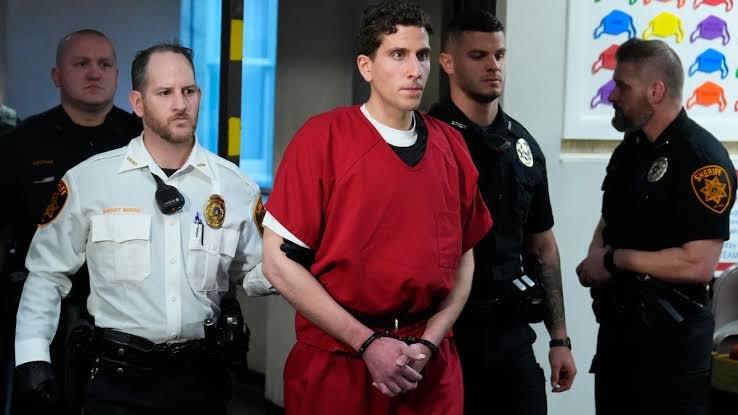
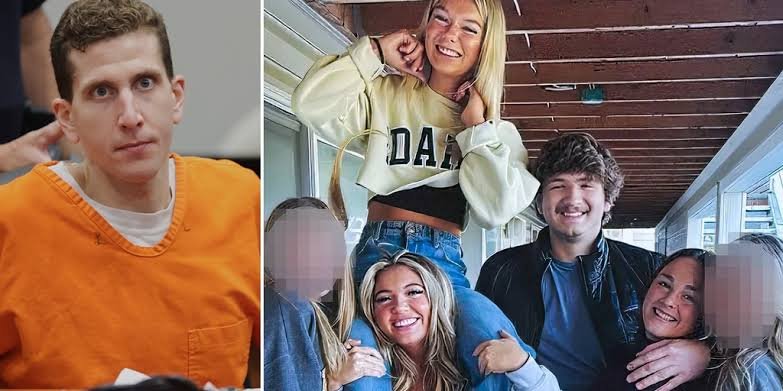
Kohberger, 31, pleaded guilty in July 2025 to four counts of first-degree murder and one burglary charge in connection with the November 2022 killings of University of Idaho students Kaylee Goncalves, Madison Mogen, Xana Kernodle and Ethan Chapin.
Under the plea agreement, prosecutors agreed not to pursue the death penalty. Kohberger was later sentenced to four consecutive life terms without the possibility of parole, along with an additional 10-year sentence for burglary.
More than a year later, Kohberger is now trying to undo that plea.
And the newly released memo provides a closer look at what was happening behind the scenes before he agreed to the deal.
Concerns were raised weeks before the plea
According to the memo filed by Kohberger’s current attorney, Greg Rauch, his previous lawyers had already informed the court in May 2025 that Kohberger was having difficulty understanding the impact of unfavorable rulings in the case.
The filing says his attorneys believed he was struggling to incorporate developments involving issues such as the death penalty, evidence suppression and motions that would affect the upcoming trial into a rational assessment of his possible outcomes.
The attorneys were not simply asking for more time to review evidence.
Rauch’s filing says the defense was also seeking additional time to investigate Kohberger’s ability to understand the proceedings, process important developments and make consequential decisions about his defense.
Those decisions included whether he should testify and whether he should resolve the case through a plea agreement rather than proceed to trial.
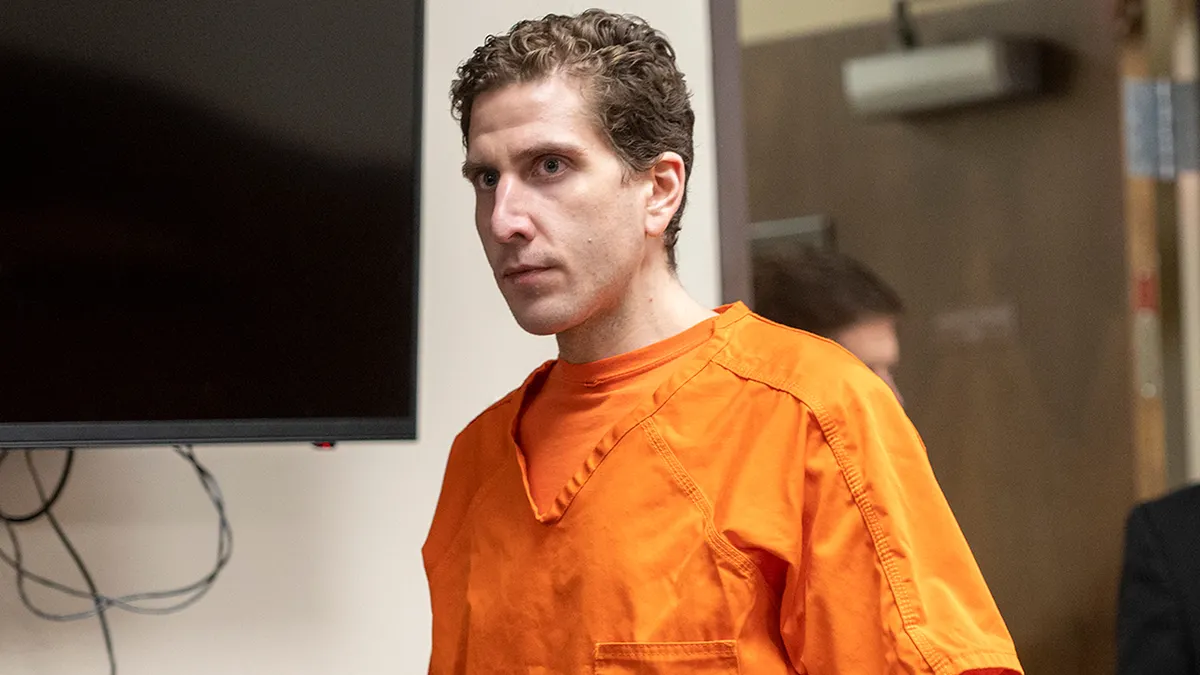
That distinction is important.
The filing does not say Kohberger had been declared incompetent.
In fact, his former defense team expressly denied that he was incompetent.
Instead, the concern described in the memo was whether he could sufficiently understand the rapidly changing circumstances of the case and participate meaningfully in major strategic decisions.
The timing has become a major issue
The timeline surrounding those concerns is now attracting renewed attention.
On May 20, 2025, Kohberger’s former defense team sought additional time as they prepared for trial.
According to the newly unsealed memo, the attorneys wanted to continue investigating his ability to understand the proceedings and obtain expert assistance in communicating with him about critical decisions.
The request was ultimately denied.
According to Rauch’s filing, a June 26 order rejected the request for additional time and concluded that the defense had not demonstrated sufficient grounds for delaying the case.
Six days later, Kohberger entered his guilty plea.
That short gap is now at the center of the new legal argument.
The question is not simply whether Kohberger pleaded guilty.
He did.
The issue being raised by his current defense is whether his former attorneys had enough time and support to make sure he genuinely understood the circumstances he was facing before he made that decision.
Rauch’s memo says that question may now need to be examined through the post-conviction process.
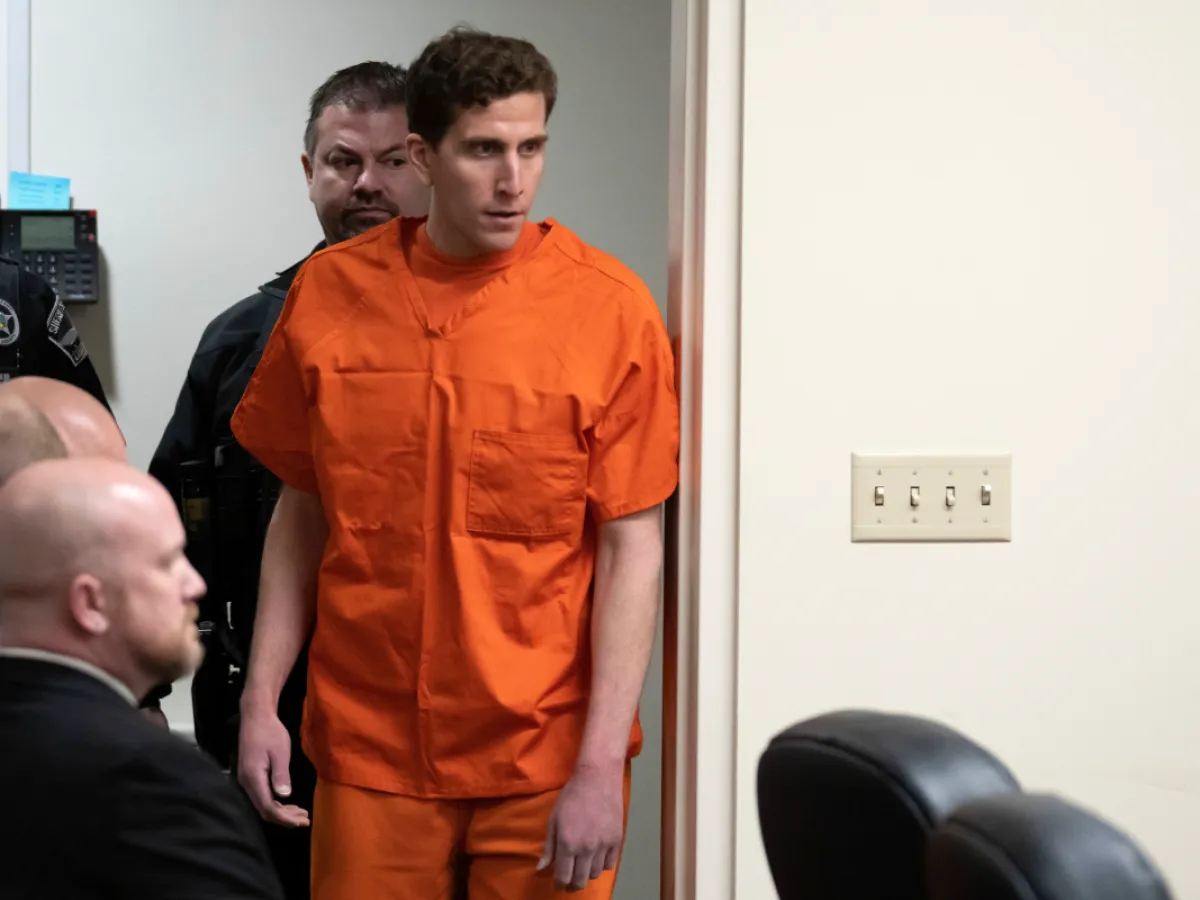
Kohberger is now challenging the plea
Kohberger first filed a handwritten petition seeking post-conviction relief in July 2026.
In that filing, he argued that he received ineffective assistance from his former attorneys and claimed that his guilty plea was not entered knowingly and voluntarily.
He has also alleged that promises made during the plea process were not kept and that pressure from his defense team affected his decision.
Kohberger has gone further in statements associated with his legal challenge, maintaining that he was persuaded to falsely confess and asserting that he is actually innocent.
Those claims are contested and have not been established through a new trial.
His current attorneys are now examining the circumstances surrounding the original plea and the legal representation he received before accepting the agreement.
The judge has already set the next steps
The court has not simply erased Kohberger’s conviction or accepted his request to withdraw the plea.
Instead, the case is moving through the post-conviction process.
An evidentiary hearing related to his challenge has been scheduled for June 17, 2027, although the court will first address several other legal issues.
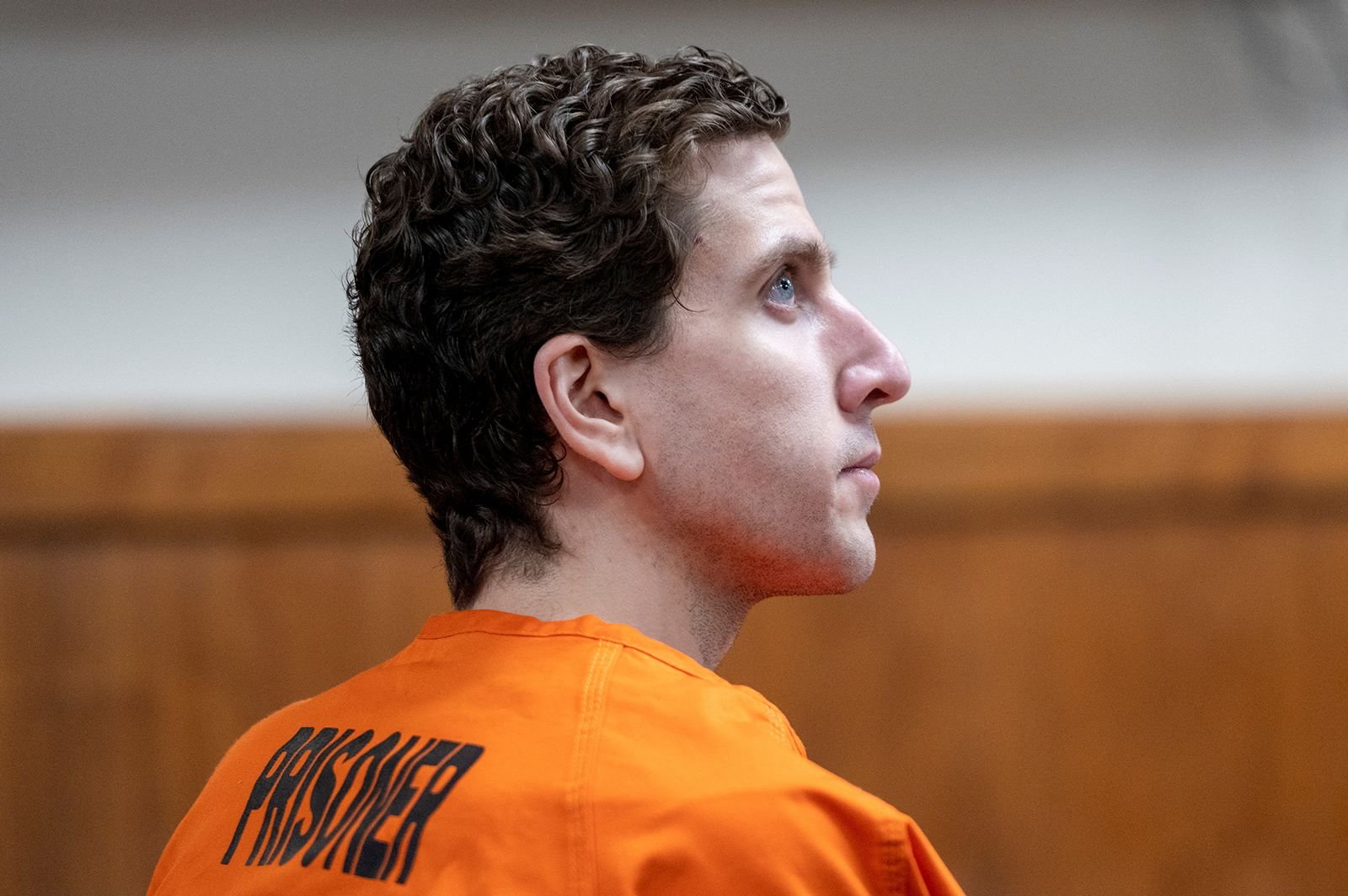
One of those issues involves Judge Steven Hippler.
Kohberger’s new legal team is asking that Hippler be removed from the post-conviction proceedings, arguing that comments made during the 2025 sentencing raise questions about whether he can remain impartial.
A hearing on that request is scheduled for October 15, 2026.
Kohberger’s attorneys have also asked that the case be moved back to Latah County, where the original investigation and criminal case began.
Why the unsealed memo matters
The newly released document does not prove that Kohberger’s guilty plea was invalid.
But it provides information that was not previously available publicly about what his original defense team was considering before the plea was entered.
The memo shows that questions about Kohberger’s ability to process the case were being discussed internally and with the court before he accepted the agreement.
That is potentially significant because the current defense is arguing that those concerns were never adequately resolved before the decision was made.
Rauch’s filing essentially asks the post-conviction court to examine whether Kohberger had sufficient legal assistance to understand the circumstances confronting him and make a meaningful decision about whether to plead guilty.
At the same time, the filing acknowledges that the sequence alone does not automatically make the plea constitutionally invalid.
That distinction will likely matter as the case moves forward.
Prosecutors are pushing back
The state has also challenged Kohberger’s broader post-conviction effort.
Prosecutors have argued that his new legal team should not be permitted to use the discovery process simply to search for new arguments that might later support an attempt to withdraw the plea.
Deputy Latah County Prosecuting Attorney Keith Scholl has described the defense’s request as a potential “fishing expedition” and argued that post-conviction discovery must follow Idaho’s established legal rules.
The court has given Kohberger’s new attorneys until November 13 to file an amended petition.
That means the legal battle is still in its early stages.
His family supports the challenge
Kohberger’s family has publicly said they support his effort to seek post-conviction relief.
In a statement to ABC News, the family said their support was not intended to disregard the suffering experienced by the families of the four University of Idaho students.
They said they want the legal process to examine the unanswered questions surrounding the plea and ultimately establish what they described as the complete truth.
The statement also acknowledged the pain experienced by the victims’ families and the Moscow community.
Meanwhile, the families of Goncalves, Mogen, Kernodle and Chapin continue to face the possibility that a case they believed had reached its conclusion could now enter another lengthy legal chapter.
What happens next?
The next major date is October 15, when Kohberger’s request to disqualify Judge Hippler is scheduled to be heard.
His attorneys are expected to continue developing their argument that the circumstances surrounding his original plea deserve closer examination.
By November 13, his new legal team is expected to submit an amended post-conviction petition.
A larger evidentiary proceeding is currently scheduled for June 2027, although the exact scope and timing could change as the court rules on the issues now before it.
For now, the newly unsealed memo has added an important piece to a legal story that appeared to have ended more than a year ago.
Kohberger admitted responsibility in court and accepted a plea agreement that brought the original criminal case to a close.
Now, his new attorneys are asking the court to look back at the circumstances surrounding that decision.
The central question is no longer simply what happened in November 2022.
It is whether Kohberger fully understood the legal position he was in when he made the decision that changed the course of his case — and whether his defense team had enough time and resources to ensure that decision was made knowingly and voluntarily.
Those questions have not yet been resolved.
The court proceedings ahead will determine how much weight the newly unsealed memo ultimately carries and whether Kohberger’s broader challenge to his guilty plea can move forward.