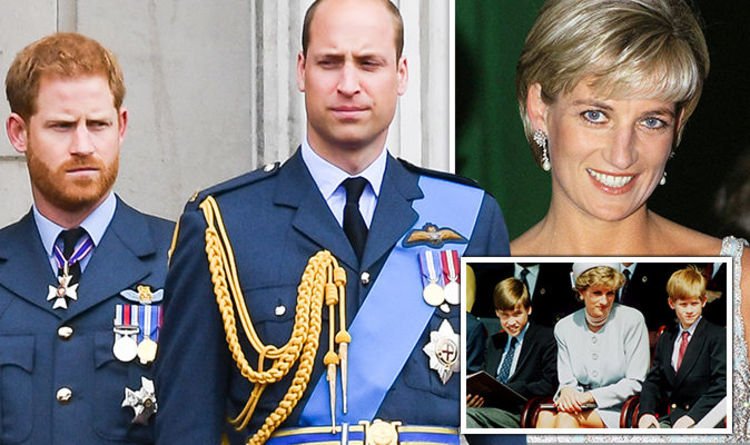
Nearly three decades after Princess Diana’s funeral, her younger brother is sharing a deeply personal memory of Prince Harry as a 12-year-old boy struggling to process the loss of his mother.
Charles Spencer, Diana’s brother, says he was particularly concerned about Harry in the hours after the September 6, 1997 funeral, when the young prince returned to the Spencer family estate at Althorp with other members of the royal family.
In excerpts from his upcoming memoir, Swan Song: Diana, My Sister, Spencer recalls seeing Harry after the long and emotional funeral procession and feeling that the young prince needed more support.
Spencer described what he remembered as a “lack of obvious care” for Harry during that period, saying the boy appeared extremely vulnerable after having just taken part in the public farewell to his mother.
According to Spencer’s account, Harry needed the kind of comfort that only Diana herself could have provided, but that was no longer possible.
He recalled thinking that Harry was “too small” to be going through such an overwhelming experience.
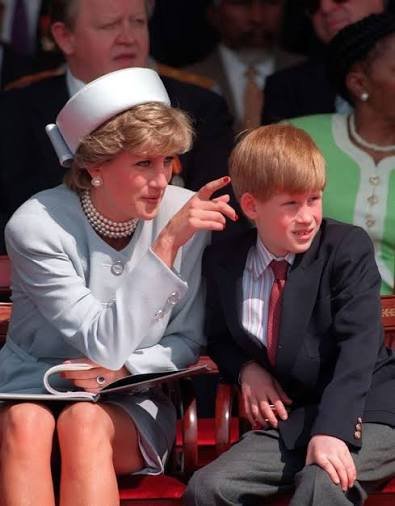
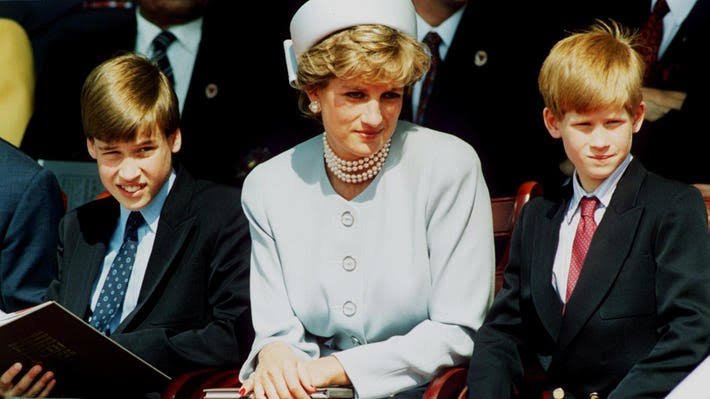
Spencer’s comments are part of a broader reflection on Diana’s funeral and the effect it had on her two sons, Prince William and Prince Harry, who were 15 and 12 respectively when their mother died in a car crash in Paris in 1997.
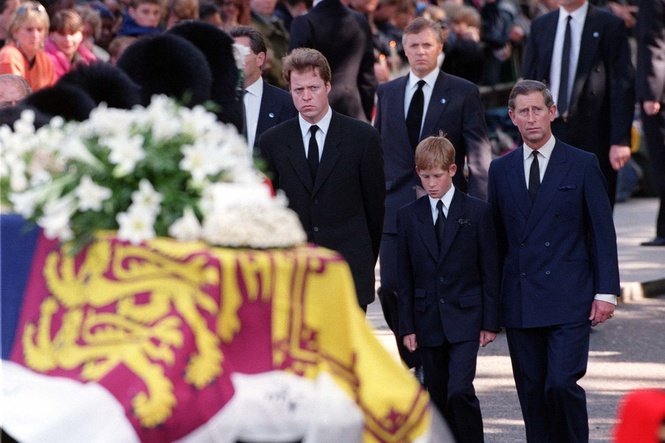
The two brothers walked behind Diana’s coffin as part of the funeral procession through London, alongside their father, the then-Prince Charles, Prince Philip and Spencer.
That moment has remained one of the most remembered images from Diana’s funeral.
Spencer has previously questioned whether the boys should have been expected to take part in such a public and emotional procession at such young ages.
In his memoir, he recalls his own concerns before the funeral and describes the procession as an extraordinarily difficult experience.
He also recounts a conversation with the then-Prince Charles over the funeral arrangements, including the decision for William and Harry to walk behind their mother’s coffin.
According to Spencer, he had argued that Diana would never have wanted her sons to be placed in such a difficult position.
The account has now become part of a wider discussion surrounding Diana’s final farewell and how her sons experienced those days.
Harry himself has spoken publicly about the funeral over the years.
In his 2023 memoir Spare, he revisited the experience of walking behind his mother’s coffin and described how difficult the moment was for him. His recollections helped show that the experience remained significant long after the funeral itself.
Spencer’s new comments focus less on the ceremony itself and more on what happened afterward.
He recalls the journey back to Althorp following the funeral and says he was struck by how young and vulnerable Harry appeared.
For Spencer, the memory raises a broader question about how children cope with extraordinary grief when their private emotions are unfolding in full public view.
The circumstances were unusual even by royal standards.
William and Harry were grieving their mother while millions of people around the world were watching the funeral procession. Every movement was being photographed, and the brothers were surrounded by members of the royal family and officials.
There was little opportunity for an ordinary childhood goodbye.
Spencer now says he believes Harry needed calm and reassurance during that period.
His comments, however, are his personal recollection of events more than 29 years ago. They should not be treated as an established explanation for Harry’s later life or relationships.
That distinction is particularly important because Spencer has also been discussing his concerns about how Diana’s sons were treated after her passing.
In recent interviews promoting his memoir, he has reflected on whether the experience of losing their mother — and the way the family dealt with the aftermath — may have influenced Harry in later years.
But he has not presented that as a definitive explanation for Harry’s adult life.
Instead, Spencer has described his memories of a young nephew who had just experienced an enormous personal loss.
His reflections come as Swan Song: Diana, My Sister prepares for its global release. The memoir examines Spencer’s relationship with Diana, their childhood, her marriage, her public life and the family’s experience following her passing.
The book has already attracted significant attention because of Spencer’s accounts of conversations with members of the royal family surrounding Diana’s funeral.
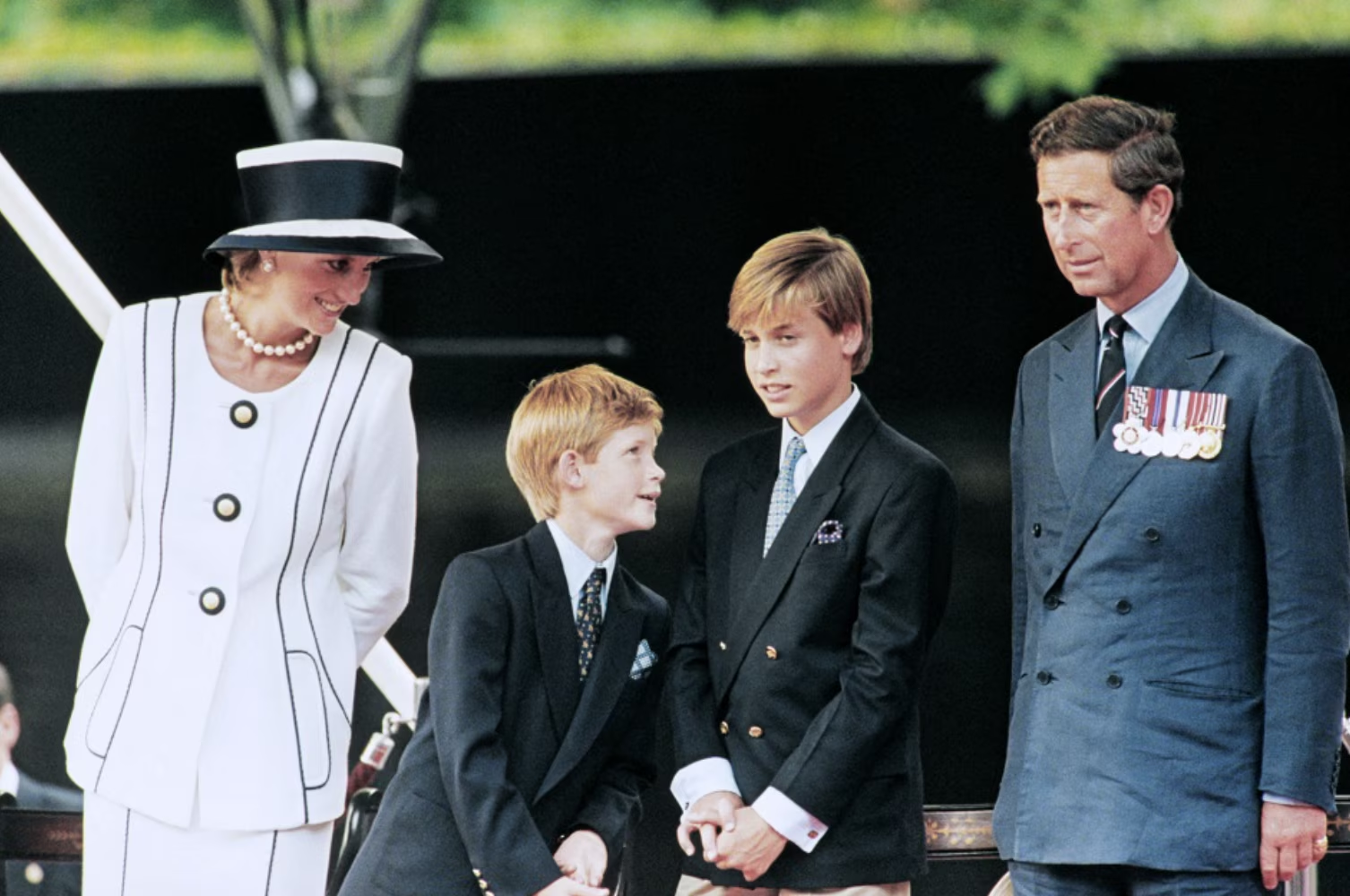
One of the most disputed claims concerns an alleged conversation with the then-Prince Charles.
Spencer says Charles made a remark suggesting that Diana would eventually be forgotten. Spencer has stood by his recollection and recently told the BBC that he was “telling the truth.”
Buckingham Palace has not directly accepted Spencer’s account. In response to the claims, a palace spokesperson said that grief can affect judgment and memory, while noting that the royal household does not normally comment on books.
That disagreement has added another layer to the discussion surrounding Diana’s final days and funeral.
Still, Spencer’s comments about Harry are more personal in tone.
His central memory is of a 12-year-old boy who had just said goodbye to his mother in front of the world.
More than two decades later, that image remains with him.
Harry has since grown into adulthood, married Meghan Markle and built a life largely outside the working structure of the British royal family. His relationship with other members of the family has also become a subject of public discussion.
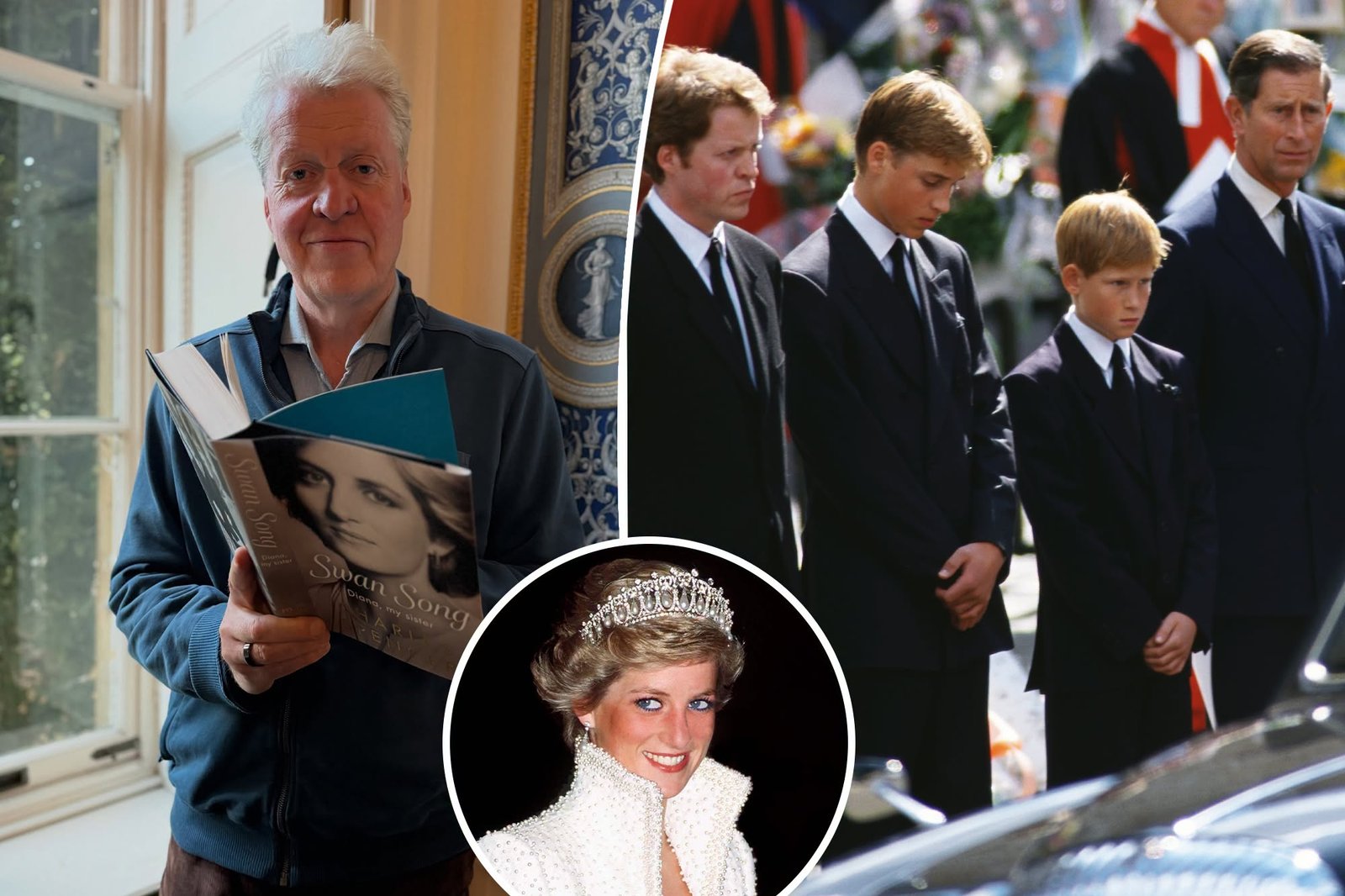
Spencer, however, is looking back at the much earlier moment when none of those future developments could have been known.
At the time, Harry was simply a young boy who had lost his mother.
That is the perspective Spencer says he remembers most clearly.
His new memoir therefore brings the conversation back to an emotional moment that many people remember from photographs, but that the people involved experienced very differently.
For Spencer, one of the lasting memories is not simply the sight of Harry walking behind Diana’s coffin.
It is the image of a young nephew returning from the funeral and, in his view, needing more comfort and support as the reality of the loss began to settle in.
Whether that experience influenced Harry’s later life is something that cannot be established from Spencer’s recollection alone.
But his account offers another personal perspective on one of the most watched family moments of the modern British royal story — and on the two young princes who were at its center.