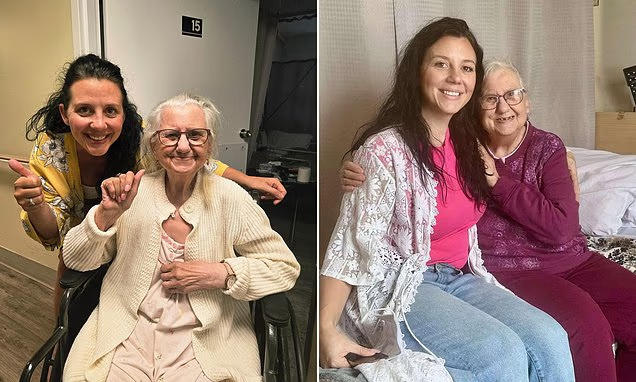
The final days of an 83-year-old Canadian grandmother have prompted questions from her family after she received medical assistance in dying, with her granddaughter now asking authorities to review the circumstances surrounding the procedure.
Brigitte Stegemann, an 83-year-old woman from Ontario, received medical assistance in dying, commonly known as MAiD, at a care home in Cannifton on July 10.
Her granddaughter, Brigitte Kranendonk, who had been closely involved in her grandmother’s care, is now asking for a closer examination of what happened in the days leading up to the procedure.
The case has drawn attention because Kranendonk says her grandmother had previously expressed that she did not want MAiD and that there were concerns about whether she fully understood what the procedure involved.
Those claims have not been established as fact by investigators.
According to reports, Stegemann had been diagnosed with stomach cancer and was living at The Pearl care home. Her family had arranged for her to receive additional care as she experienced physical and cognitive difficulties.
Kranendonk said her grandmother still had an appetite and continued to have meaningful moments with her family despite her diagnosis.
She also said Stegemann had previously rejected the idea of assisted dying.
That reportedly changed after Kranendonk left Ontario for a 10-day trip with her husband in June.
During the trip, Kranendonk said she remained in contact with the care home. She was informed that her grandmother had fallen and would need to use a wheelchair, but she said she was not initially aware that a MAiD assessment was being arranged.
Near the end of her trip, Kranendonk said she learned that the care home planned to arrange an assessment.
By the time she returned, she said her grandmother had already completed an initial MAiD consultation.
That discovery led Kranendonk to begin asking questions about how the process had started and whether her grandmother understood what was being discussed.
One of the most important issues raised by Kranendonk concerns her grandmother’s cognitive assessment.
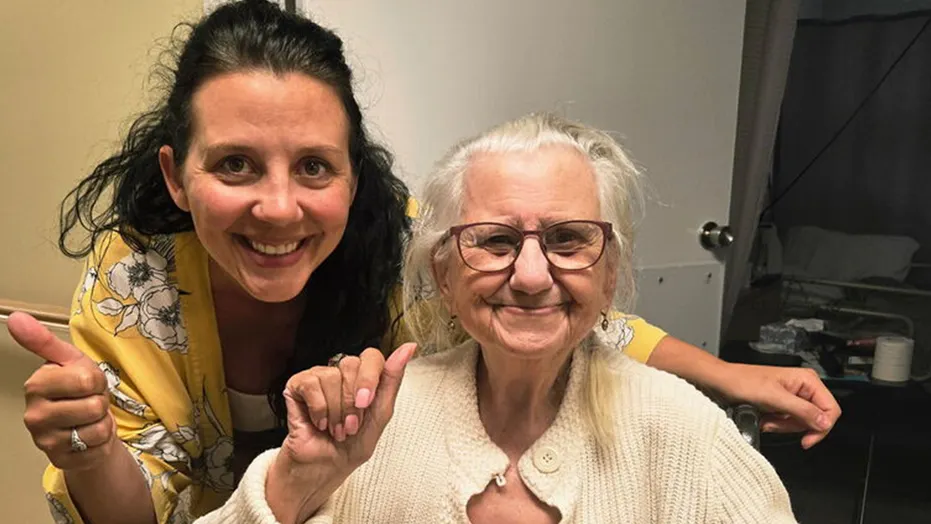
She told reporters that Stegemann struggled to answer questions about members of her own family, including questions involving her siblings.
Kranendonk said this made her concerned about whether Stegemann fully understood the decisions being discussed.
During another consultation, Kranendonk said she was present while a doctor explained the MAiD procedure.
According to her account, the doctor used relatively general language when describing what would happen and did not directly use the words “death” or “dying.”
Kranendonk said she eventually intervened because she believed her grandmother did not understand the explanation.
The doctor reportedly reassured Stegemann that she would be comfortable and would no longer experience pain.
Stegemann was subsequently considered eligible for MAiD, according to the account reported by PEOPLE and other outlets.
But two days before the scheduled procedure, Kranendonk says she had a conversation with her grandmother that left her deeply concerned.
She explained directly that the procedure would mean she would no longer be alive afterward.
According to Kranendonk, Stegemann became emotional and cried before saying:
“I made a mistake.”
The moment became one of the central reasons Kranendonk later questioned whether her grandmother’s wishes had remained clear.
Kranendonk said she was told that Stegemann could still refuse MAiD on the day of the procedure.
However, she said she was uncertain about whether her grandmother truly understood the decision and did not want to create additional distress during what she believed could be her final days with her.
The procedure went ahead on July 10.
Kranendonk has also raised concerns about what happened during the administration of the medication, describing difficulties inserting the IV and saying she believed her grandmother did not respond when the doctor asked whether she wanted to proceed.
These details come from Kranendonk’s account and have not been independently established as findings of an official investigation.
Afterward, Kranendonk began looking for answers about the process and the safeguards that were supposed to protect her grandmother.
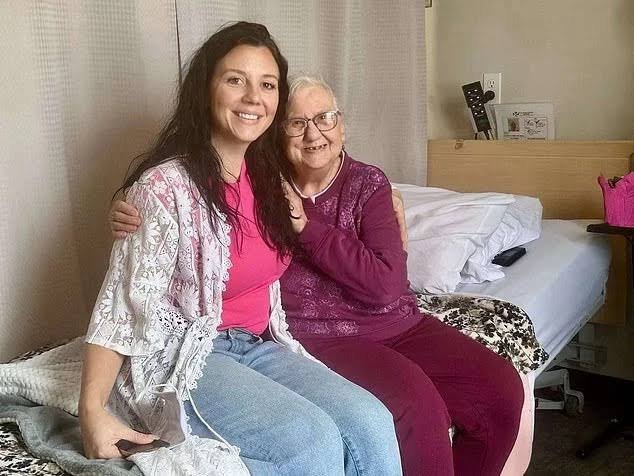
She now wants Ontario authorities to examine whether the required procedures were properly followed, including the assessment of capacity and the confirmation of consent immediately before MAiD was administered.
The case has also been reported to Belleville Police, with the department confirming that an investigation is open, according to reports.
The Pearl care home has not publicly provided a detailed response to the allegations described by the family.
That means several important questions remain unresolved.
Did Stegemann fully understand the nature of the procedure?
Was her decision clearly documented?
Were all required consent procedures followed?
And did anything change between her earlier conversations with family members and the final assessment?
Those questions are especially important because Canada’s MAiD system contains specific eligibility and consent requirements.
MAiD is a legal medical service in Canada, and patients must meet eligibility requirements and provide voluntary informed consent. The precise requirements can vary depending on the circumstances of the request.
The existence of an investigation or a family’s concerns does not by itself establish that those requirements were violated.
That distinction is important in Stegemann’s case.
At this point, the publicly reported allegations largely come from her granddaughter, while authorities have not announced a final conclusion that the procedure was unlawful.
For Kranendonk, however, the issue is personal.
She has said she wishes she had known earlier that legal options might have been available to challenge the procedure if she believed her grandmother could no longer make an informed decision.
Now she is asking authorities to examine the circumstances and determine whether the safeguards worked as intended.
The case has also renewed discussion about the importance of clear communication with elderly patients, particularly when questions about cognition or decision-making ability are involved.
For families caring for aging relatives, the story raises a difficult but important question: how can everyone involved make sure that a patient’s wishes remain clear, informed and voluntary when health circumstances change quickly?
For now, there is no final public finding answering that question in Stegemann’s case.
Her family is waiting for authorities to review what happened, while Kranendonk continues to seek information about her grandmother’s final days.
The story is therefore not simply about one medical procedure.
It is about consent, communication, family involvement and the safeguards designed to protect vulnerable patients when they are making some of the most consequential healthcare decisions of their lives.
And until the review is complete, the central questions surrounding Brigitte Stegemann’s case remain open.