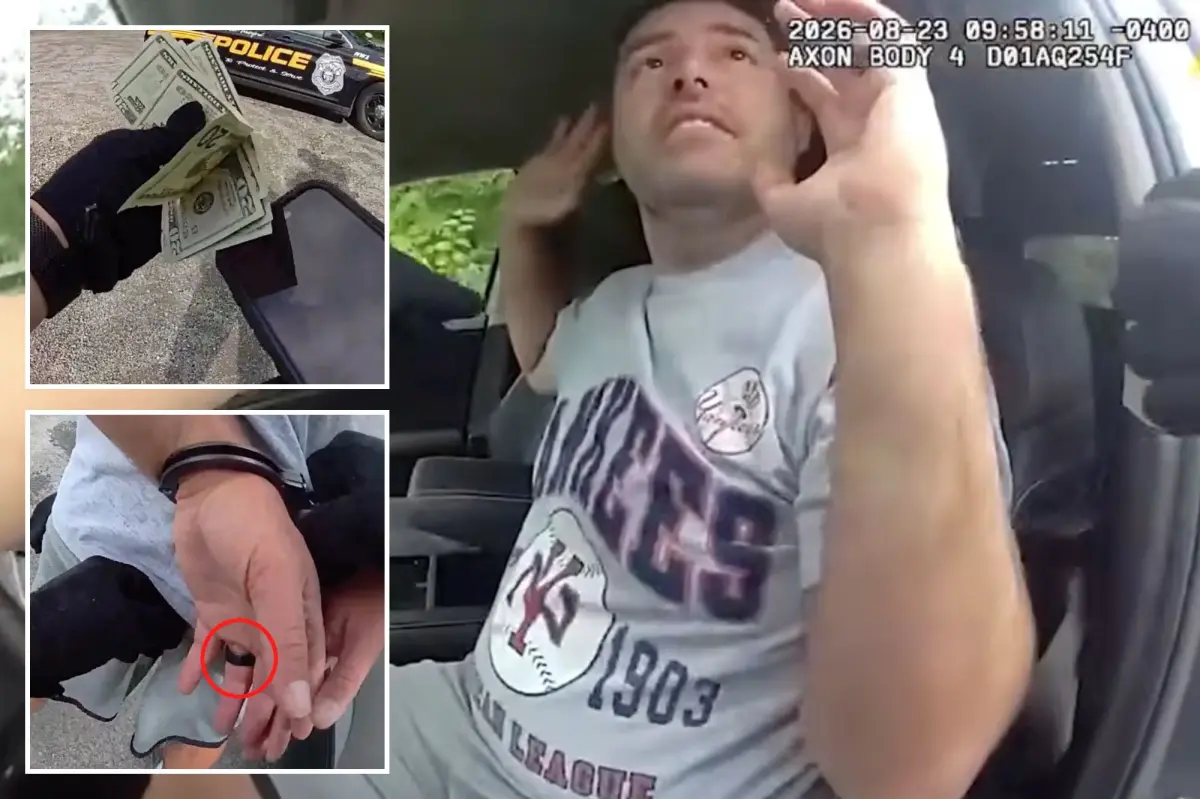
Two California Democratic lawmakers are facing growing pressure from local activists to return campaign contributions connected to San Francisco 49ers owner Jed York, following his arrest in Ohio and subsequent plea agreement.
The controversy has placed Representative Ro Khanna and Representative Sam Liccardo at the center of a debate over political donations, public accountability and the relationship between wealthy donors and elected officials. Activists are also demanding that authorities release additional records related to York’s arrest, arguing that the public deserves a clearer understanding of the case.
The campaign against accepting York’s money has gained attention just weeks before California voters head to the polls, adding a new political dimension to a story that has already attracted attention across professional sports and local government.
Why Activists Are Demanding The Money Back
According to reporting by the New York Post, activists have called on Khanna and Liccardo to return contributions associated with York. The campaign also targets the Democratic Congressional Campaign Committee, which reportedly received a separate contribution connected to the 49ers owner.
The activists’ demands focus on two issues: returning the money and making additional records from York’s arrest publicly available.
Reported campaign records show that York contributed $5,700 to Khanna’s campaign in May 2024 and $3,300 to Liccardo’s campaign in June 2024. A separate $2,500 contribution to the Democratic Congressional Campaign Committee has also been cited in reporting about the controversy.
The donations were made before York’s arrest. There is no evidence in the reporting that the contributions were connected to the conduct that led to his legal case.
Nevertheless, the activists argue that returning the money would demonstrate accountability and distance the candidates from a donor whose legal troubles have generated significant public attention.
Whether the recipients will agree to return the contributions remains an important question as the pressure campaign develops.
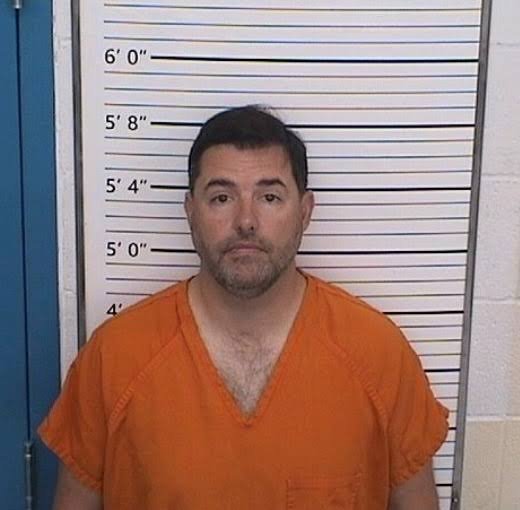
What Happened In Jed York’s Legal Case?
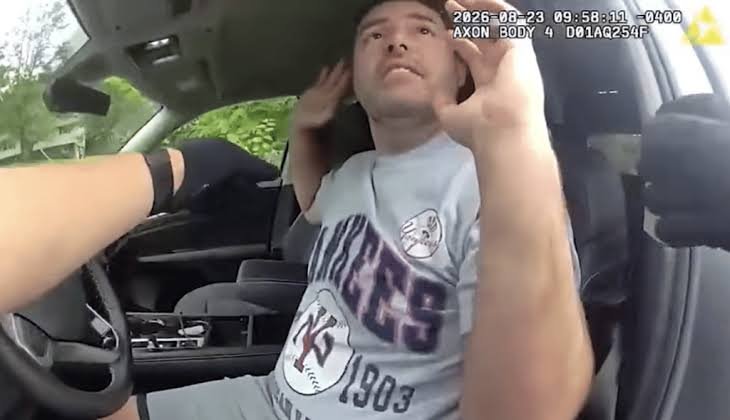
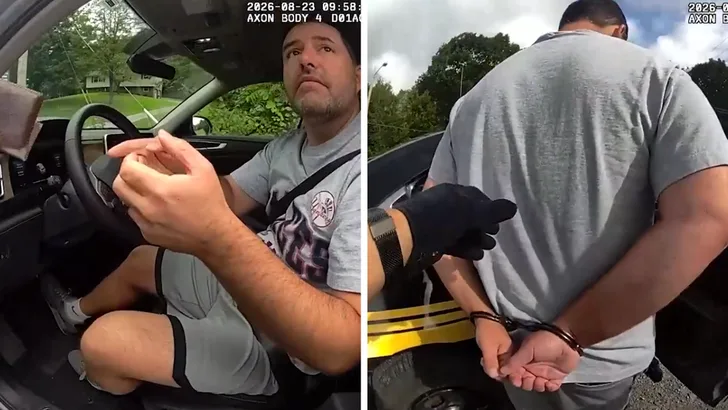
York was arrested in Ohio in August 2026 during an undercover operation involving an online advertisement for sexual services.
According to the Associated Press, authorities said York responded to the advertisement and arranged a meeting. He was initially charged with engaging in prostitution and possessing criminal tools.
The prostitution-related charge was subsequently amended to disorderly conduct. On August 24, York pleaded no contest to that charge and to possessing criminal tools, a charge connected to his use of a cellphone to respond to the advertisement.
He received credit for time already served, was fined and agreed to have $160 in seized money donated to the Mahoning Valley Human Trafficking Task Force.
The distinction between the original allegation and the final charges is important when describing the case. York’s plea resolved the misdemeanor charges, but the legal outcome did not establish every allegation associated with the initial arrest.
The NFL later imposed a six-game suspension and a $500,000 fine under its personal conduct policy, according to an October 2 report by the Associated Press.
The disciplinary decision brought additional attention to York’s position as a prominent NFL team owner and raised questions about how the league handles conduct involving its leadership.
The Political Questions Behind The Controversy
The dispute has now expanded beyond York’s legal case to include the broader question of whether elected officials should return donations from controversial donors.
Campaign contributions are a routine part of American elections, and receiving a lawful contribution does not by itself indicate wrongdoing. The donations cited in this case were reportedly made before York’s arrest, and no evidence has been presented that Khanna or Liccardo knew about the circumstances that later led to his arrest.
However, activists believe the candidates should consider whether retaining the money is consistent with the standards they want to uphold.
The issue also highlights a wider challenge in campaign finance: elected officials can face public pressure over the conduct of donors even when the contributions themselves were lawful and unrelated to the alleged misconduct.
For Khanna and Liccardo, the question is whether they will respond publicly to the demands and explain how they intend to handle the contributions.
As of the latest reporting reviewed for this article, a definitive public decision by either lawmaker to return the specific donations had not been established.
What Happens Next?
The controversy is unfolding as California approaches its November 3, 2026, general election. Khanna is running to retain his seat representing California’s 17th Congressional District, while Liccardo is campaigning in the 16th District.
The timing means the dispute could become another subject of public scrutiny during the final stretch of the election season.
For now, the activists’ demands remain calls for political action rather than evidence of wrongdoing by the candidates. The next developments will depend on whether the lawmakers or the Democratic Congressional Campaign Committee respond, whether any contributions are returned and whether additional records connected to York’s arrest become available.
The case illustrates how a donor’s personal legal troubles can quickly become a political issue, particularly when the donor occupies a prominent position in American sports.
Ultimately, the central questions are straightforward: Will the candidates return the money, and will authorities release further information about the arrest? Their responses could determine whether the controversy fades after the election or continues to generate debate about campaign finance and public accountability.