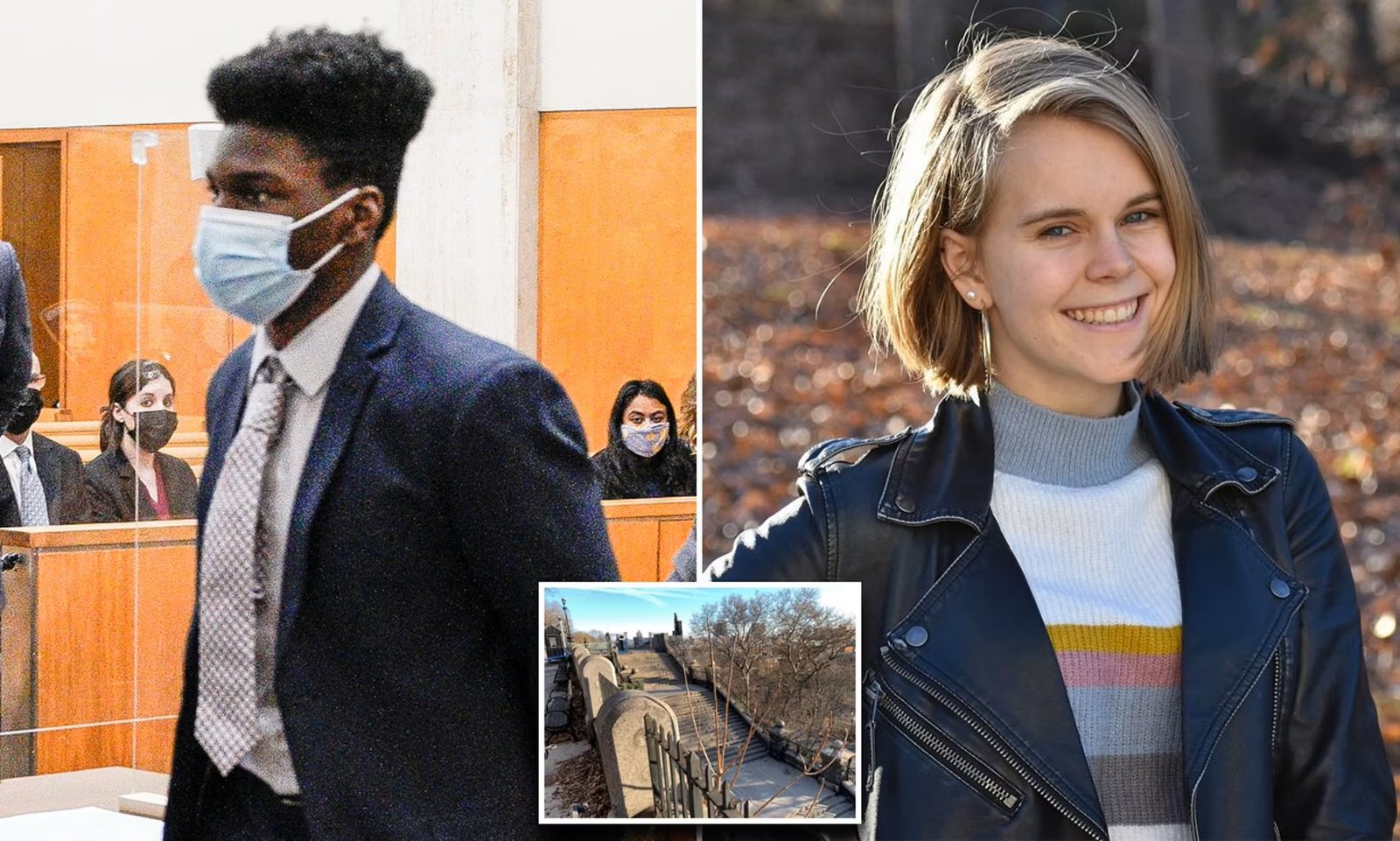
The early release of one of the teenagers convicted in the 2019 attack on Barnard College student Tessa Majors is drawing renewed attention to a case that shocked New York City and left her family grieving for years.
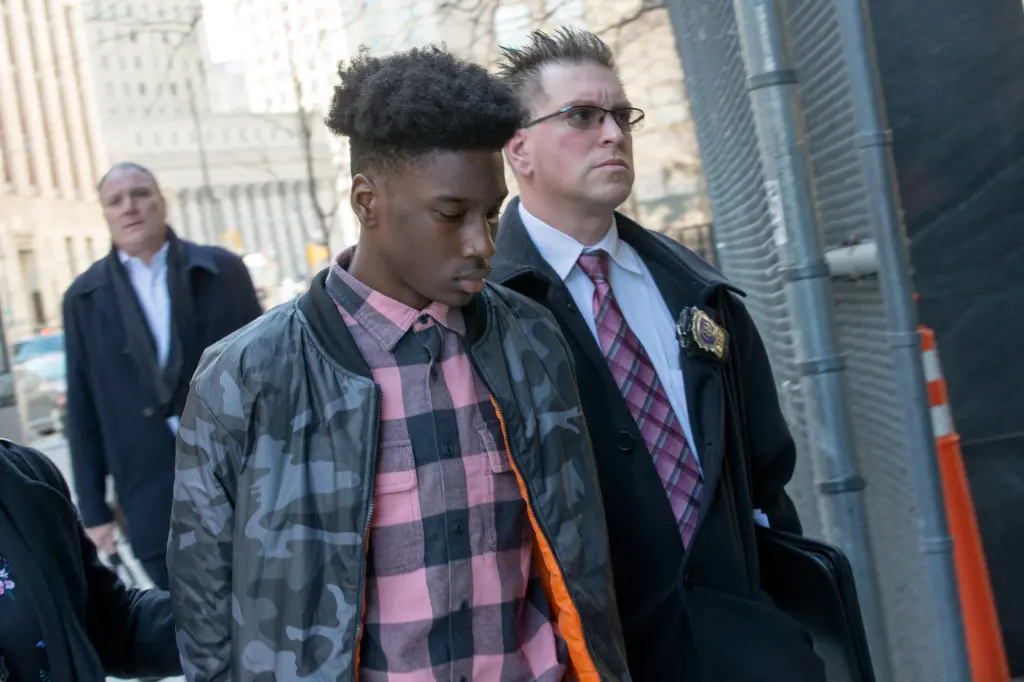
Luchiano Lewis, now 21, was released from Franklin Correctional Facility on October 14, 2026, according to New York State correctional records. His release came after he served less than seven years in custody, despite receiving a sentence of nine years to life for his role in the incident.
Lewis was just 14 when he and two other teenagers confronted 18-year-old Majors in Manhattan’s Morningside Park on December 11, 2019. Prosecutors said the group intended to rob her of her belongings, but the encounter turned into a fatal attack.
According to court testimony, Lewis held Majors in a headlock while another teenager, Rashaun Weaver, repeatedly stabbed her. Majors managed to reach a nearby park entrance before being taken to a hospital, where she later lost her life.
Why Lewis Was Released Early
Lewis pleaded guilty to second-degree murder and first-degree robbery in 2021. At his sentencing, Manhattan Supreme Court Justice Robert Mandelbaum imposed a sentence of nine years to life.
The judge acknowledged Lewis’s young age but also raised serious concerns about his behavior while in juvenile detention. Court records described several incidents involving violence, including an assault on another detainee and involvement in gang-related altercations.
The judge said Lewis’s conduct after the attack suggested that the incident was not simply an isolated mistake.
Despite those concerns, Lewis became eligible for automatic conditional release under New York regulations after serving the required portion of his minimum sentence. State officials confirmed that he was released without a traditional parole hearing.
He is now under community supervision and must follow conditions that include obeying the law, maintaining employment and living at an approved address.

The Other Teenagers Involved
Two other teenagers were also connected to the case.
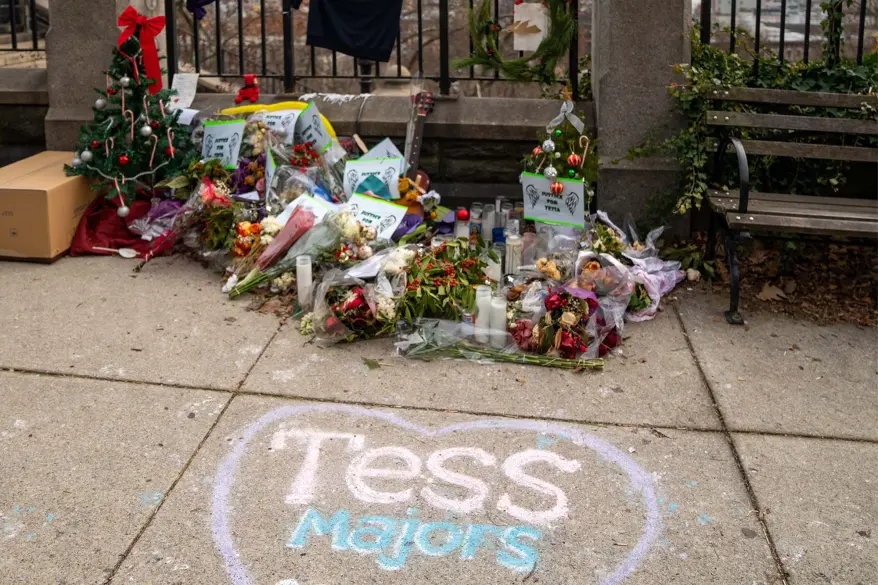
Rashaun Weaver, who was 14 at the time, was identified as the person who carried out the stabbing. He was sentenced to 14 years to life and remains incarcerated at Coxsackie Correctional Facility.
Zyairr Davis, who was 13 when the incident happened, pleaded guilty to first-degree robbery and received 18 months in juvenile detention.
Davis later faced another unrelated criminal case. According to reports, he was subsequently detained in connection with an alleged attempted-murder incident in Harlem in 2023.
The different sentences and later developments involving the three teenagers have continued to raise questions about accountability and how the justice system handles serious offenses committed by juveniles.
Renewed Questions About The Justice System
Lewis’s release has prompted criticism from people familiar with the case.
Former prosecutor and defense attorney Mario Gallucci questioned why someone with Lewis’s reported disciplinary history was granted early release. Former NYPD Detective Michael Alcazar also expressed concern, arguing that the decision could be difficult for victims’ families to accept.
Under New York law, certain incarcerated individuals can qualify for conditional release after serving two-thirds of their minimum sentence. The release process does not necessarily require a separate parole board hearing.
However, the circumstances surrounding Lewis’s case have made the decision particularly controversial because of the seriousness of the original offense and the judge’s earlier concerns about his behavior.
Tessa Majors’ Family Continues To Remember Her
Majors was an 18-year-old freshman at Barnard College with aspirations in music and writing. Her future was just beginning when the December 2019 incident took place.
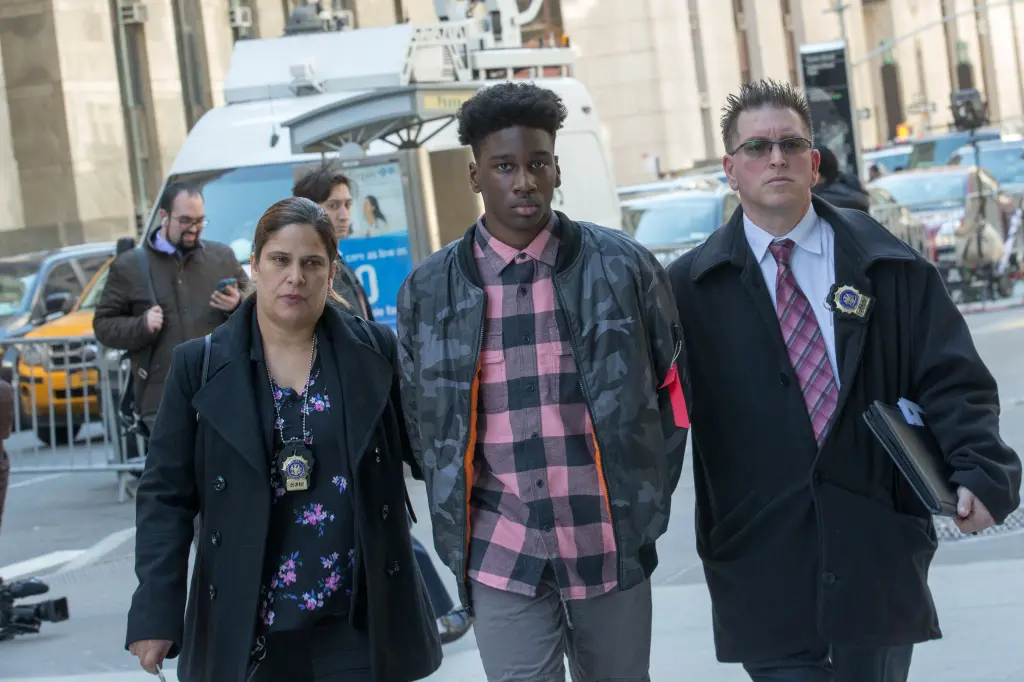
Her family has continued to remember her in the years since, while the case remains a painful chapter in their lives.
Her grandmother, Nancy Braun, recently spoke about the family’s continuing grief, explaining that they still think about Majors every day and the life she should have had.
The news of Lewis’s release comes just weeks before the seventh anniversary of the incident, bringing renewed attention to the case and the lasting impact on those closest to Majors.
Although the legal proceedings against the teenagers resulted in convictions and sentences, the latest development has reopened difficult questions about whether the punishment has reflected the full consequences of what happened.
For Majors’ loved ones, the loss remains permanent. Meanwhile, Lewis’s transition from prison to community supervision marks a new chapter in a case that continues to generate strong reactions and debate over juvenile justice, rehabilitation and accountability.