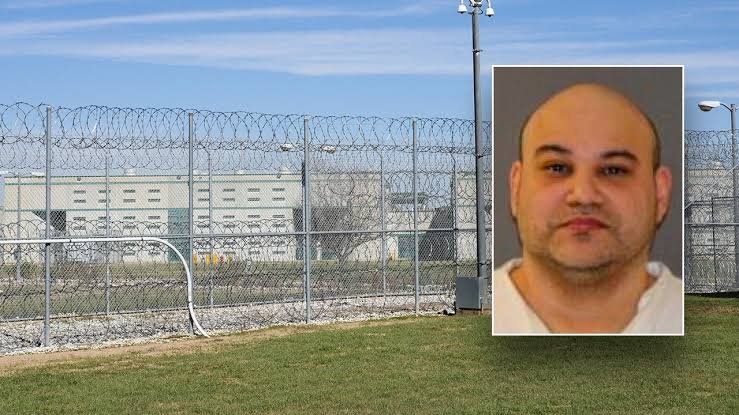
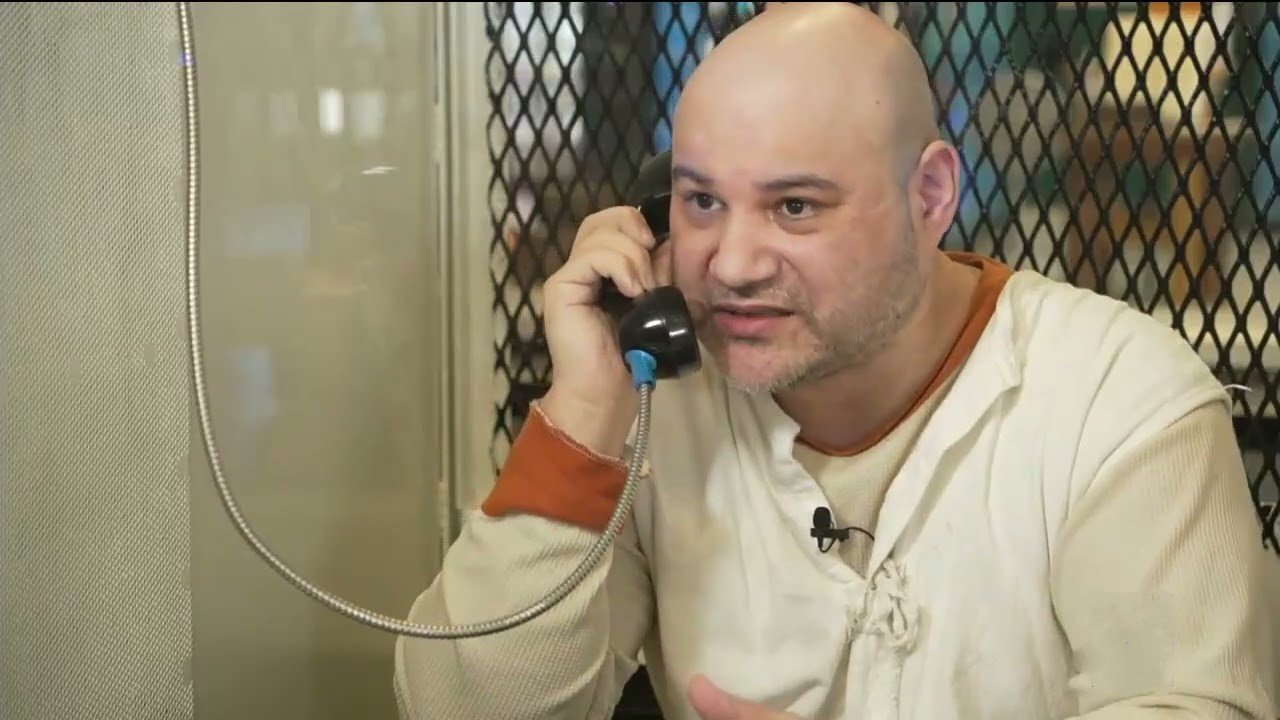
John Allen Rubio, the Texas man convicted in the 2003 killings of three young children in Brownsville, has been executed at the age of 46, bringing an end to a criminal case that remained in the courts for more than two decades.
Rubio received a lethal injection at the state prison in Huntsville on November 12, 2026. According to the Associated Press, he was pronounced dead at 6:47 p.m., approximately 21 minutes after the procedure began.
The case involved three children: 3-year-old Julissa Quesada, 14-month-old John Esteban Rubio and two-month-old Mary Jane Rubio. Their deaths deeply affected the Brownsville community and led to years of legal proceedings involving Rubio and his common-law wife, Angela Camacho.
In his final statement, Rubio thanked his family and friends for their support, expressed love for Camacho and apologized to her family. He also spoke about his religious beliefs, saying he was ready to go to heaven and be reunited with his children.
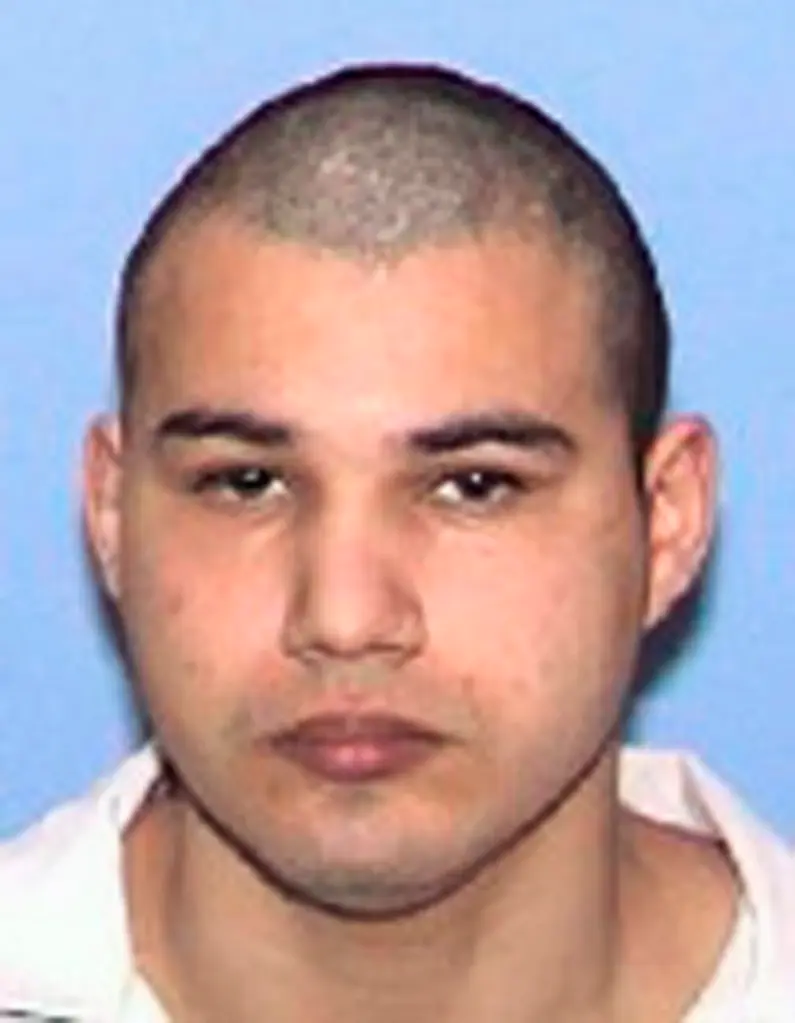
A Case That Began In Brownsville In 2003
The incident occurred on March 11, 2003, inside an apartment in Brownsville, Texas, where Rubio and Camacho lived with the children.
According to court records, Rubio was the biological father of only the youngest child, Mary Jane, but had taken on a parental role with all three children.
During the investigation, authorities learned that Rubio had expressed unusual beliefs about the children, at times claiming they were possessed and describing himself as someone chosen to save the world.
His mental condition later became a major issue during the legal proceedings. Defense experts diagnosed him with paranoid schizophrenia, while experts for the prosecution disputed that conclusion.
His defense team also presented evidence about a troubled childhood involving family violence, substance use and other difficult circumstances. However, these arguments did not change the outcome of his second trial.
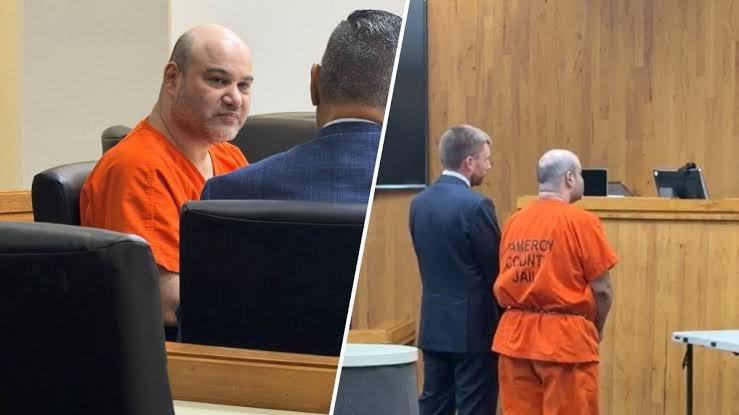
His Wife Received A Life Sentence
Camacho was also prosecuted for her involvement in the case. She eventually pleaded guilty and received a life sentence in prison.
Rubio’s first capital murder conviction was overturned by an appeals court in 2007 because statements made by Camacho had been improperly admitted as evidence.
He faced a second trial in 2010, again entered a plea of not guilty by reason of insanity, but was convicted and sentenced to capital punishment.
His attorneys continued challenging the conviction and sentence over the following years. However, his final attempts to delay the execution were unsuccessful.
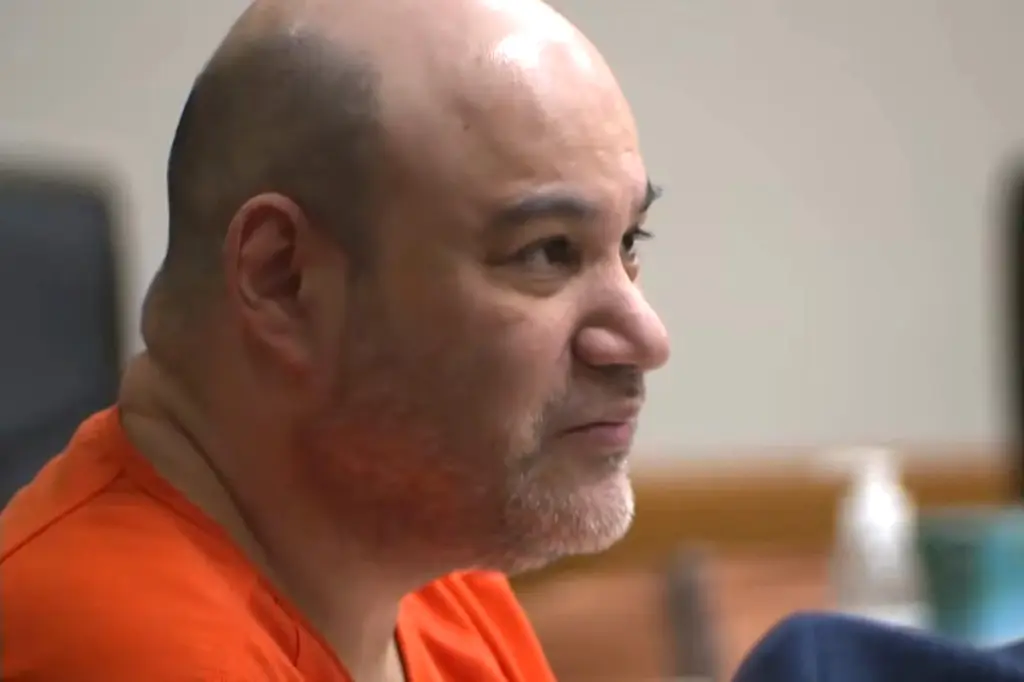
His Final Words Before The Execution
Before the procedure, Rubio was allowed to make a final statement in the presence of witnesses.
He thanked his friends and family for their love and understanding, acknowledged that he was no longer the person he had once been and expressed affection for Camacho.
He also apologized to her relatives, saying that although he could not change the past, his execution would not erase their suffering.
His final remarks included a reference to seeing his children again in heaven.
The execution proceeded without reported complications, and a physician officially pronounced him dead at 6:47 p.m.
A Community Still Remembering The Children
The case left a lasting mark on Brownsville. The apartment building where the children were found was eventually demolished, and the property was transformed into a community park and garden.
More than 23 years after the incident, the execution has brought the legal proceedings to a close, although the loss experienced by the children’s surviving relatives cannot be measured by the end of a court case.
The names of Julissa, John Esteban and Mary Jane remain at the center of a tragedy that deeply affected their community.
For investigators and prosecutors, the case represented a lengthy legal process involving questions of responsibility, mental health and the justice system. For those who remember the children, however, the most important part of the story remains the three young lives lost in Brownsville in 2003.