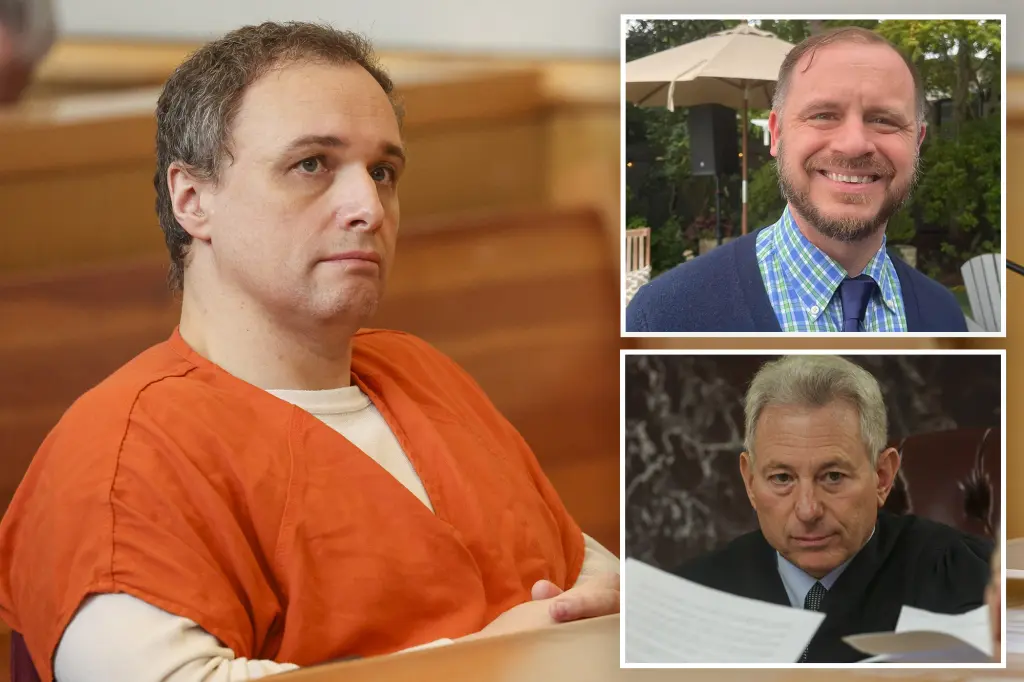
After more than three years of unanswered questions, the case surrounding the disappearance of Largo attorney Steven Cozzi has reached a major turning point.
On September 23, 2026, Pinellas County Judge Joseph Bulone found former plastic surgeon Tomasz Kosowski guilty of first-degree murder in connection with Cozzi’s 2023 disappearance.
The verdict came after a bench trial in which Kosowski chose to give up his right to have a jury decide the case. He also represented himself throughout the proceedings.
Perhaps the most unusual element of the case remained unchanged when the verdict was delivered: Steven Cozzi’s remains have never been recovered.
Judge Bulone nevertheless concluded that prosecutors had presented enough evidence to establish Kosowski’s guilt beyond a reasonable doubt. The decision came after roughly a week of testimony and evidence, followed by only about 15 minutes of deliberation.
The verdict brought an important moment for Cozzi’s family and friends, many of whom had spent years waiting for answers.
In the courtroom, several members of Cozzi’s family were visibly emotional as the judge announced the decision.
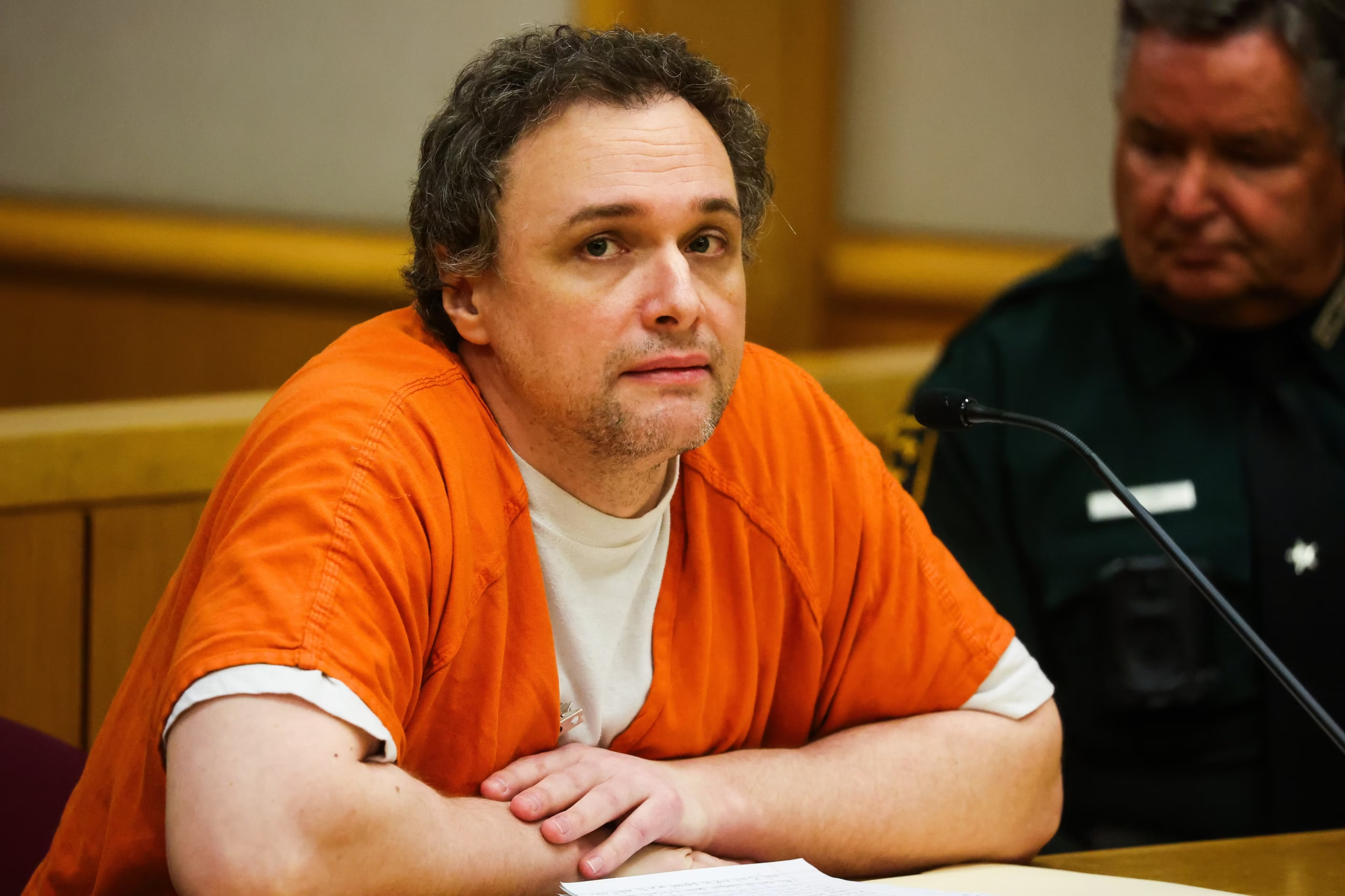
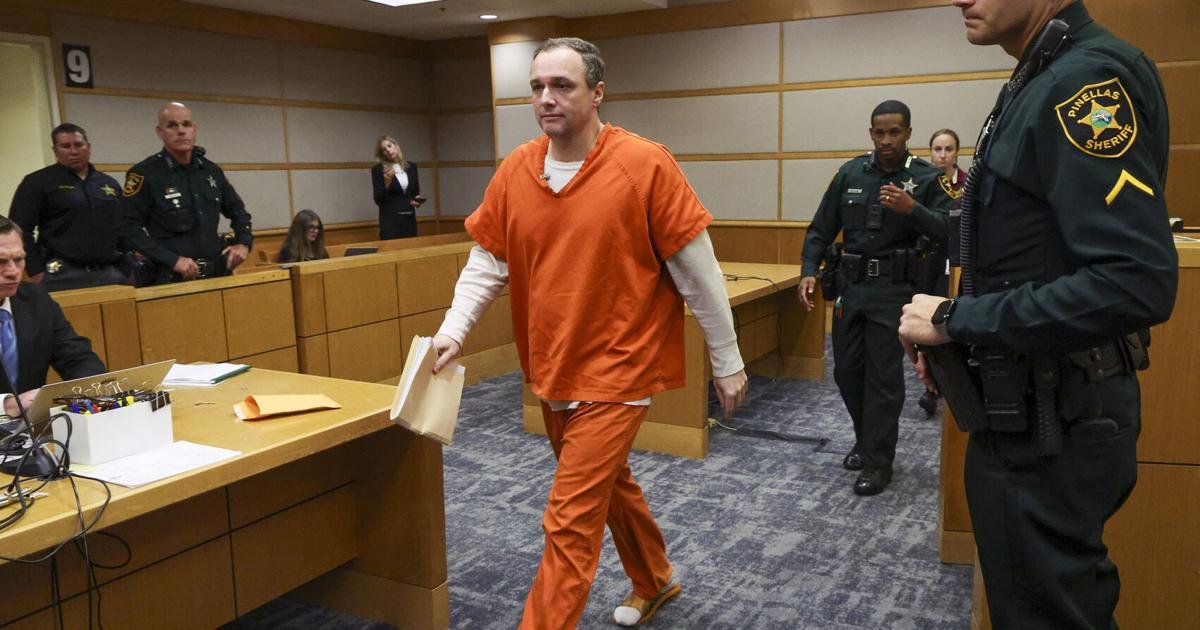
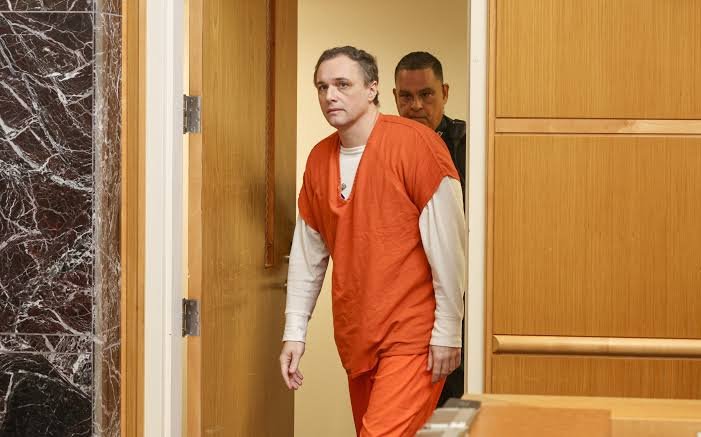
Kosowski, wearing orange jail clothing, remained largely expressionless as the verdict was read.
The case now moves into its next stage.
A disappearance that began inside a law office
The case dates back to March 21, 2023.
Cozzi, 41, was working at the Blanchard Law firm in Largo that morning. He was an attorney representing a medical practice involved in a civil dispute with Kosowski.
According to prosecutors, tensions between the two men had been building for some time.
Kosowski had filed a lawsuit involving his former employer, and Cozzi represented parties connected to that litigation. Prosecutors argued that Kosowski had developed an increasing fixation on Cozzi during the dispute.
On the morning of March 21, Cozzi arrived at his office shortly after 8:30 a.m.
Surveillance footage later became one of the most important pieces of evidence in the case.
Investigators said Kosowski was also captured entering the law office that morning.
Cozzi was later seen going toward the men’s restroom.
According to prosecutors, he never returned to his desk.
His wallet, keys and cellphone remained at the office, and investigators discovered a significant amount of blood inside the restroom.
Surveillance footage also showed Kosowski leaving the building later that morning while handling a large cart that appeared difficult to move.
Prosecutors argued that the cart was used to transport Cozzi after the alleged attack.
Evidence became the center of the case
With Cozzi missing, investigators began reconstructing what happened inside the law office.
According to court records and testimony presented at trial, investigators found blood on the restroom floor, paper towels and inside the drain.
Forensic testing also identified a mixture involving Kosowski’s DNA and Cozzi’s blood on the exterior of the restroom door.
Authorities later searched Kosowski’s vehicle and reported finding a collection of items that prosecutors said were connected to their theory of the case.
Among the items were a ballistic vest with blood on it, duct tape, masks, syringes and medication described by investigators as a paralytic or sedative.
Prosecutors also pointed to fibers consistent with a red sweater Cozzi had been wearing.
The state argued that the collection of evidence was not the result of an accident or coincidence, but part of a larger sequence connecting Kosowski to Cozzi’s disappearance.
Another piece of evidence involved Kosowski’s movements after leaving the law office.
Investigators said surveillance and license-plate reader data tracked his vehicle as he traveled south.
According to prosecutors, he eventually stopped near a remote dumpster in the Naples area before continuing toward a residence he owned in Miami.
He later returned to the Tarpon Springs area.
Investigators said he stopped near the same dumpster again several days later.
Kosowski was arrested after returning to the area.
Prosecutors faced one major challenge
Despite the amount of physical and digital evidence presented at trial, prosecutors had to overcome a central problem:
They never recovered Cozzi’s remains.
That became one of the main arguments raised by Kosowski during the trial.
Representing himself, Kosowski challenged the state’s timeline and repeatedly questioned whether prosecutors had actually established what happened to Cozzi.
He also pointed to financial activity associated with Cozzi after the date prosecutors said he had been killed, arguing that those transactions raised questions about the timeline.
Kosowski further challenged the physical logistics of the prosecution’s theory, including how a person could have been moved using the large cart shown in surveillance footage.
His argument was essentially that the prosecution’s account contained gaps that should prevent a first-degree murder conviction.
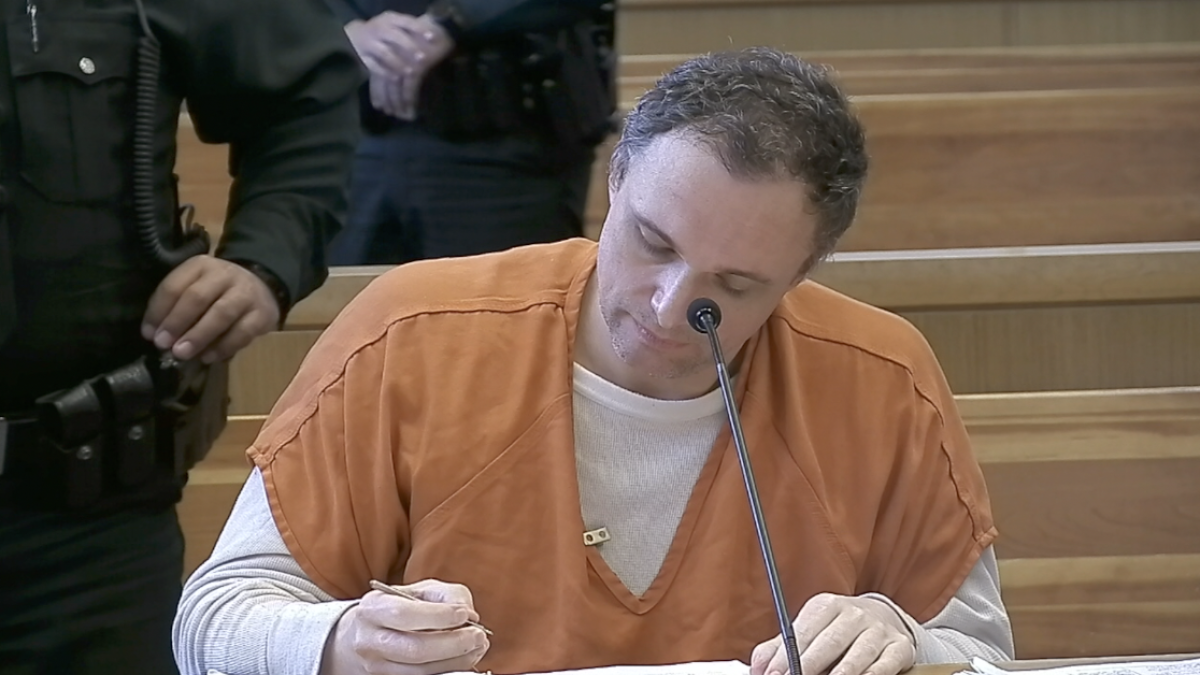
The judge ultimately rejected that position.
After reviewing the evidence and hearing the closing arguments, Bulone found Kosowski guilty.
Kosowski chose to defend himself
Another unusual feature of the trial was Kosowski’s decision to represent himself.
He is an Ivy League-educated former plastic surgeon and had previously been represented by attorneys.
Before the trial began, however, he waived his right to a jury and chose to handle his own defense.
That meant Judge Bulone alone would determine whether the prosecution had established the case beyond a reasonable doubt.
During the proceedings, Kosowski questioned witnesses, challenged the state’s evidence and presented his own interpretation of the events.
He also used his closing argument to argue directly to the judge that the prosecution’s timeline did not make sense.
But after hearing both sides, the judge reached his decision within minutes.
A final statement to Cozzi’s family
After the guilty verdict, Kosowski addressed the way he had referred to Cozzi during the proceedings.
He apologized to Cozzi’s family for repeatedly referring to Steven as a “body” during his arguments.
Kosowski said that Steven Cozzi deserved dignity and apologized for the way he had described him during the trial.
The statement came after Cozzi’s family had spent years living without the answers normally available to families after a loved one is lost.
Because Cozzi’s remains have never been recovered, there has been no traditional burial and no opportunity for his family to bring that part of the grieving process to a close.
His mother, Lois Cozzi, and husband, Michael Montgomery, were among those in court for the verdict.
What happens to Kosowski now?
The guilty verdict does not mark the final stage of the case.
The court must now determine Kosowski’s sentence.
Prosecutors are seeking the death penalty, while Kosowski has indicated that he intends to continue representing himself during the penalty phase.
Judge Bulone is expected to decide whether Kosowski will receive life imprisonment or a death sentence.
A further hearing is scheduled for October 8, 2026.
That means the courtroom proceedings surrounding the case will continue even after the first-degree murder verdict.
For Cozzi’s family, however, September 23 marked a significant moment.
For more than three years, they had been living with uncertainty over what happened to Steven after he entered the restroom at his Largo law office in March 2023.
The verdict does not answer every question surrounding the case, and his remains have still not been located.
But legally, a judge has now determined that prosecutors proved Kosowski’s responsibility for the first-degree murder charge.
The next question is no longer whether Kosowski will face a conviction.
It is what sentence the court will impose — and whether the final chapter of this long-running case will bring any additional answers about what happened to Steven Cozzi.
For now, the search for those answers continues alongside the next stage of the legal process.