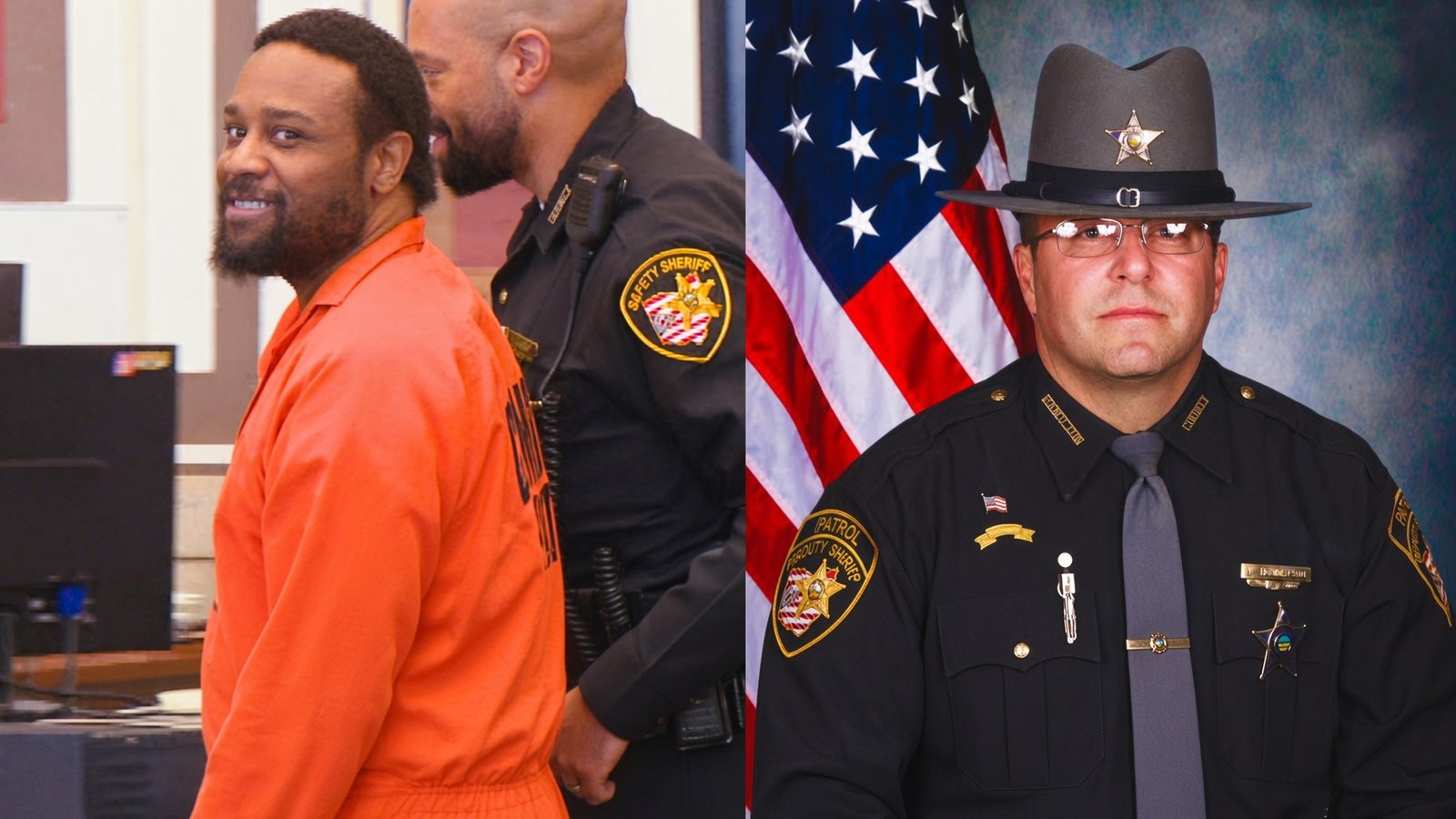
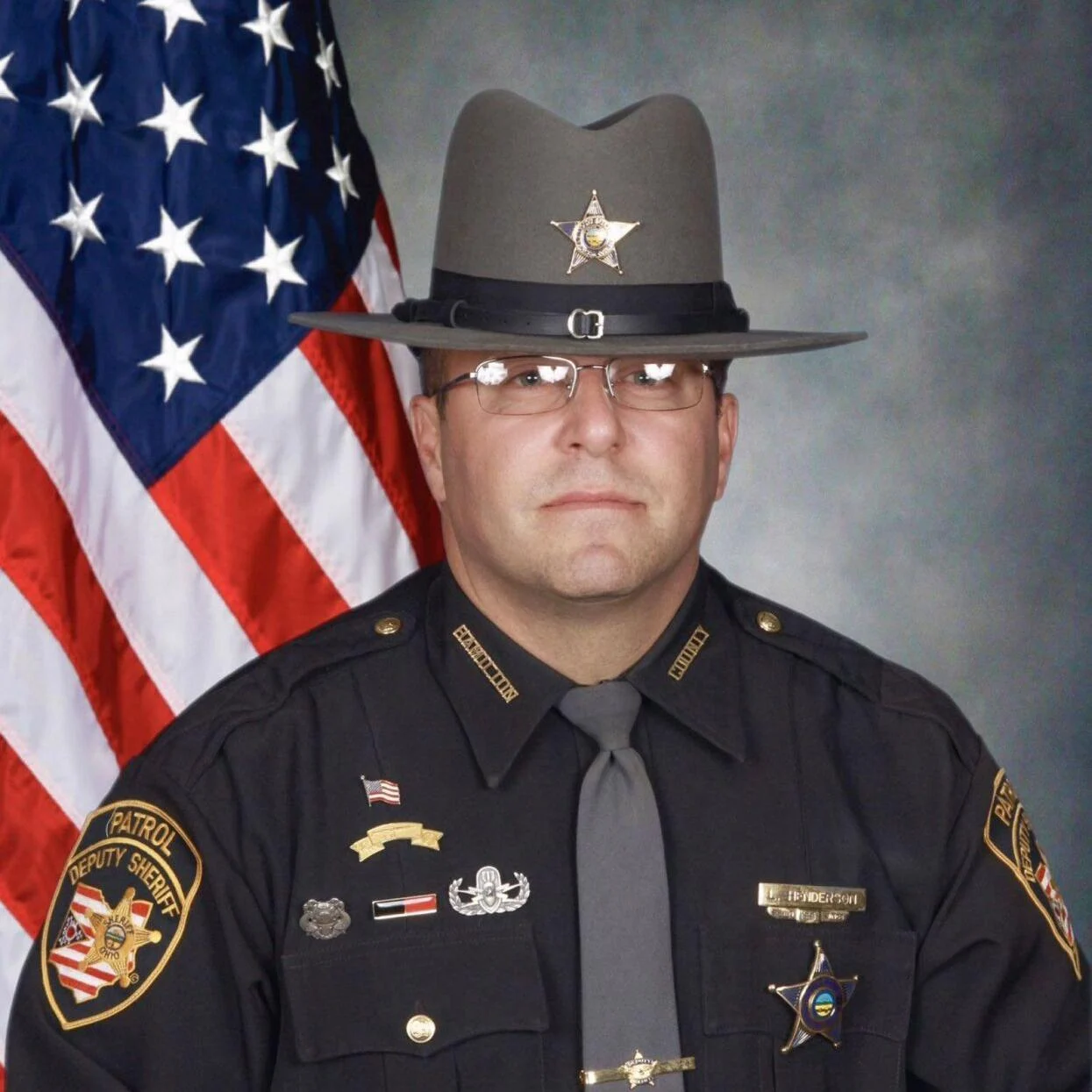
New details are emerging in the trial of Rodney Hinton Jr., the Ohio father accused of intentionally driving into Hamilton County Sheriff’s Deputy Larry Henderson Jr., as witnesses describe the moments surrounding the crash and investigators explain how the case became a homicide investigation.
The trial, now underway in Cincinnati, centers on the events of May 2, 2025, when Henderson was directing traffic near Burnet Woods during the University of Cincinnati’s graduation weekend. Prosecutors allege that Hinton deliberately drove his vehicle toward the deputy, while the defense argues that severe mental illness and overwhelming emotional distress affected Hinton’s ability to understand his actions.
During Friday’s testimony, jurors heard accounts from people who witnessed the crash or arrived shortly afterward. Their descriptions offered different perspectives on the vehicle’s movements, the moments before impact and the response at the scene.
One witness recalled hearing a loud crash after nearly reaching the other side of Martin Luther King Drive. When the witness turned around, Henderson was lying on the ground near the vehicle, a moment that left a lasting impression.
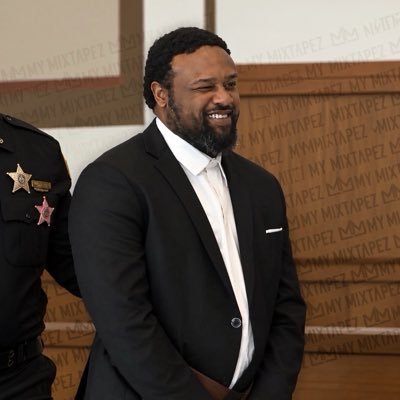
Another witness described seeing the car move toward a utility pole before striking Henderson. That account stood out because it offered a different description of the vehicle’s path, giving the jury another perspective to consider as it evaluates the evidence.
Prosecutors also questioned witnesses about whether Hinton appeared to brake before the collision. Several accounts indicated that the vehicle continued forward without an apparent attempt to slow down, a detail the state may use to support its argument that the impact was intentional.
The testimony has been especially difficult for Henderson’s family. His wife has been present in court as witnesses recount the final moments of his life, and the emotional weight of the proceedings has been evident throughout the trial.
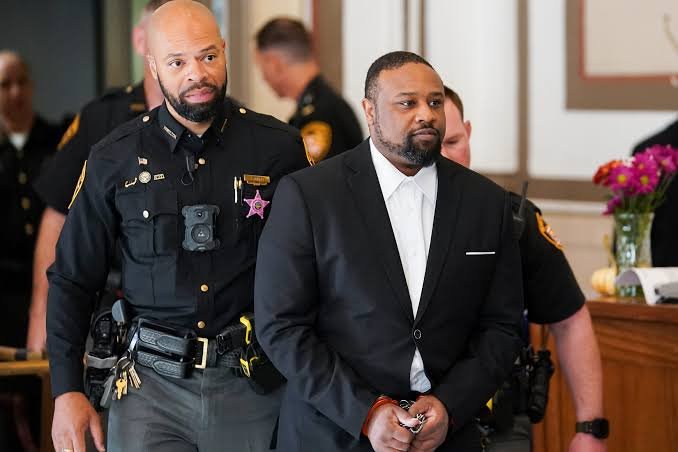
Henderson had retired from the Hamilton County Sheriff’s Office at the end of 2024 but continued working special assignments. On the day of the incident, he was helping direct traffic in an area expected to be busy because of the university’s graduation activities.
The court also heard from the county’s chief deputy coroner, Dr. Karen Looman, who reviewed the autopsy findings. She identified blunt-force injuries to Henderson’s head and torso as the cause of his death. Her testimony addressed the physical consequences of the collision, while the jury must ultimately determine the legal questions surrounding Hinton’s actions and mental state.
Investigators also presented video evidence designed to reconstruct Hinton’s movements before the crash. Lead detective Carl Beebe testified that he reviewed approximately 400 pieces of video evidence and compiled a shorter sequence to help explain the timeline.
The footage follows Hinton after he left a police facility, with surveillance cameras from different locations documenting portions of his route. Investigators have described the video as the closest available visual record of the events leading to the collision itself.
Beebe also explained how the investigation changed direction. At first, authorities were examining the incident as a traffic collision. The situation took on a different significance after investigators learned that Hinton was the father of Ryan Hinton, an 18-year-old who had been fatally shot by a Cincinnati police officer the previous day.
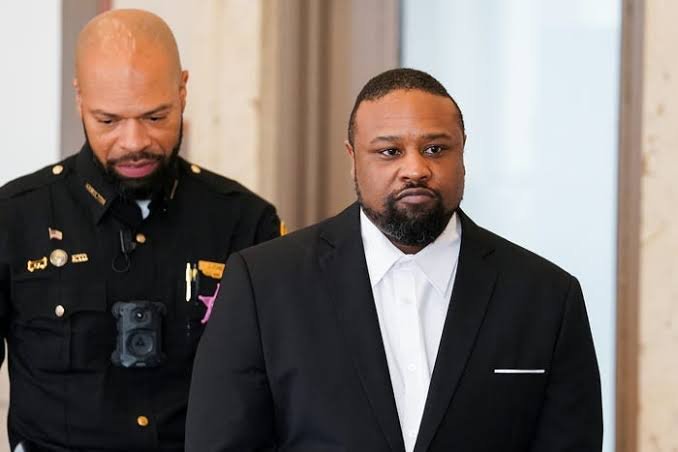
The officer-involved shooting had been determined to be justified. However, the circumstances surrounding Ryan’s death became central to the defense’s explanation of Rodney Hinton’s emotional condition in the hours before the crash.
Hinton’s relatives have described him as deeply distressed after watching body-camera footage of his son’s encounter with police. His cousin, Monique Gilliam, testified that the family had urged him not to watch the video. She described him as quiet and visibly upset afterward.
Gilliam also recounted following Hinton as he drove away. She said she was behind his vehicle near the intersection and noticed it moving in a way that left her uncertain about whether he intended to merge into traffic or turn. She honked her horn as she tried to understand what he was doing.
Her testimony provides another piece of the timeline, connecting Hinton’s emotional condition after viewing the footage with his movements before the crash. However, the meaning of those observations remains a matter for the jury to assess alongside the other evidence.
The central dispute in the trial is not simply whether Hinton’s vehicle struck Henderson. Both sides acknowledge that the collision occurred. Instead, the case focuses heavily on whether Hinton understood the wrongfulness of his actions at the time.
Prosecutors argue that Hinton deliberately drove into Henderson and that grief, anger or emotional distress does not excuse the alleged conduct. The defense, led by attorney Clyde Bennett, contends that Hinton had a serious history of mental illness and was experiencing an extreme psychological crisis after his son’s death.
His plea is not guilty by reason of insanity. Under Ohio law, a mental-health diagnosis alone does not automatically establish that defense. The jury must consider whether the legal standard for insanity was met at the time of the incident.
The defense has pointed to Hinton’s history of psychiatric treatment and previous episodes of serious mental-health difficulties. Prosecutors, meanwhile, maintain that the available evidence shows he understood what he was doing and that his actions were deliberate.
The competing arguments make the testimony from witnesses, relatives, detectives and medical experts particularly important. Jurors must consider not only the physical evidence from the crash but also the information that may help them understand Hinton’s state of mind.
The case has drawn considerable attention because it brings together two deeply consequential events that occurred less than a day apart: the fatal police shooting of Ryan Hinton and the collision that took Deputy Larry Henderson’s life.
For Henderson’s family, the trial is an opportunity to hear evidence about what happened during his final moments and to see the case move through the legal system. For Hinton’s family, the proceedings also involve the circumstances surrounding Ryan’s death and the questions about his father’s mental condition.
As testimony continues, jurors are expected to hear more about the investigation, the video evidence and the expert assessments of Hinton’s mental state. Each account will contribute to the jury’s task of determining whether prosecutors have established their case and whether the defense has met the legal requirements for its insanity plea.
The trial remains ongoing, and no verdict has been reached. The final decision will rest with the jury after it has considered the evidence and received instructions from the judge.