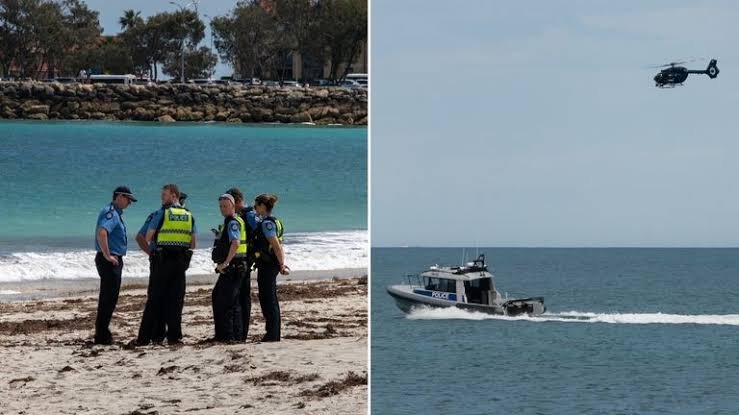
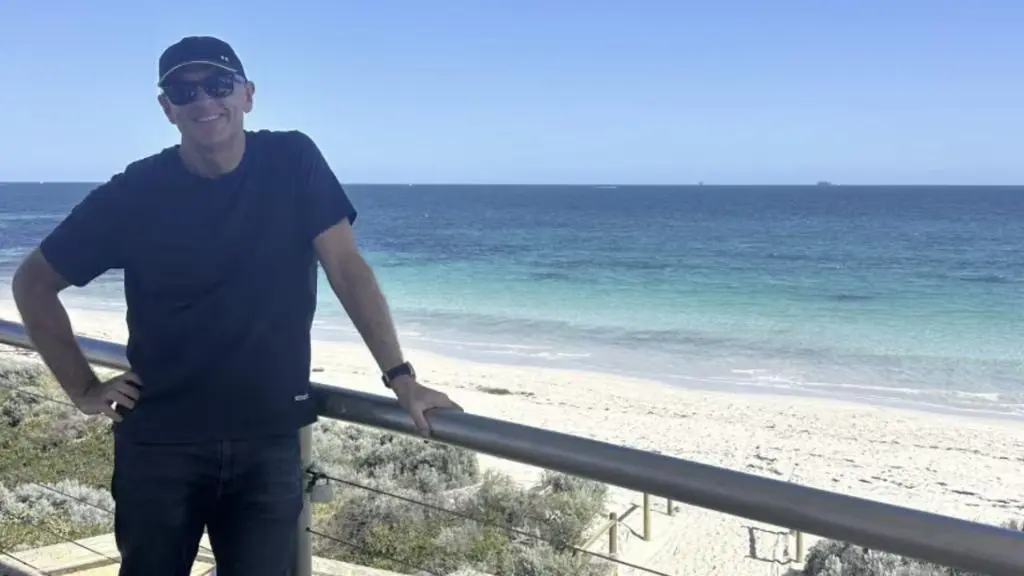
A quiet morning swim at one of Perth’s popular beaches turned into a heartbreaking tragedy for the family of Greg O’Neill, a 63-year-old father and soon-to-be grandfather who was attacked by a great white shark off Sorrento Beach in Western Australia.
O’Neill was swimming with a friend close to shore on Friday morning when the encounter occurred. Witnesses reported seeing the attack from the beach, while emergency crews quickly began searching the water.
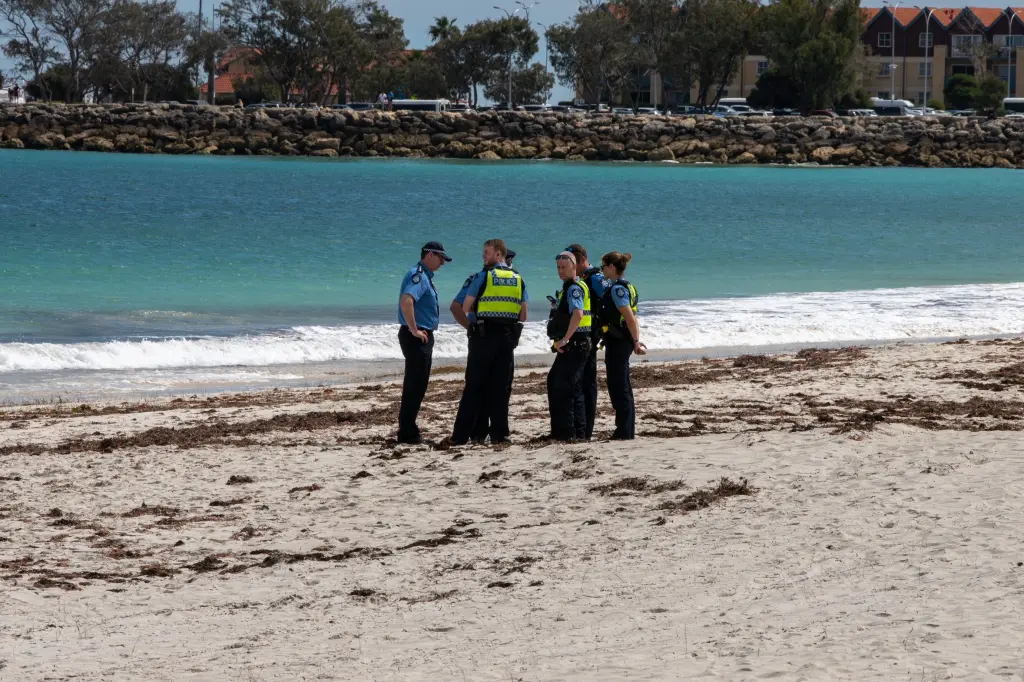
Police later confirmed they were confident the swimmer had suffered fatal injuries in the shark encounter. His body has not been recovered.
For O’Neill’s family, the incident has been especially difficult because of the person they say he was away from the headlines.
His relatives described him as a generous and devoted family man who loved spending time around the ocean. They said he was a passionate swimmer, sports enthusiast and dedicated worker, as well as someone known for his humor and generosity.
The family also revealed that O’Neill was about to become a grandfather.
“Our family is deeply shocked and devastated by the terrible tragedy,” his relatives said in a statement, remembering him as a father, grandfather-to-be, brother, uncle, husband and friend.
The attack happened roughly 15 meters from the shoreline, according to reports from witnesses.
One beachgoer told local media that O’Neill had been swimming with a friend when the shark appeared. Another witness said the friend appeared distressed afterward and repeatedly expressed regret that he had been unable to help.
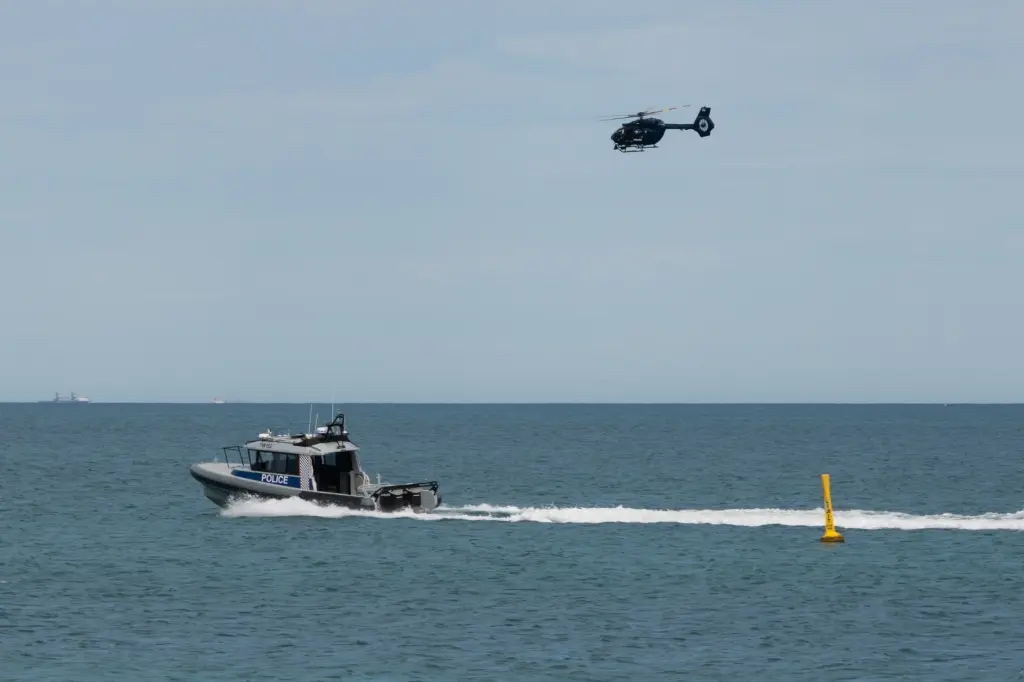
People on shore alerted emergency services, and boats and helicopters were deployed as authorities began searching the area.
The shark was believed to be a great white. Water Police were able to positively identify the animal before it moved away from the area, according to Western Australian authorities.
That identification led to an unusual decision.
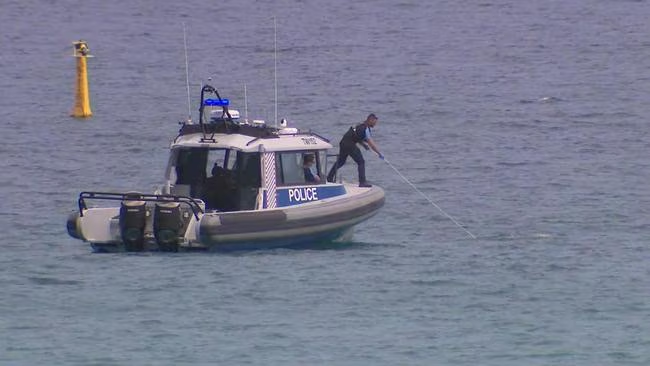
Western Australia Fisheries Minister Jackie Jarvis authorized a rare catch-and-kill order, allowing fisheries officers to destroy the shark if they were able to capture it.
The decision was described as an exceptional response to the circumstances surrounding the attack. Jarvis said she considered the potential danger to other swimmers as well as the possibility of recovering evidence connected to the incident.
Officials stressed that the order was not a return to a broad shark-culling policy.
Instead, it applied specifically to the shark believed to have been involved in the Sorrento Beach incident.
Authorities deployed capture equipment off the beach as part of the effort to locate the animal.
But the search proved unsuccessful.
By Sunday, officials had removed the capture gear after finding no evidence of shark activity in the area. The Department of Primary Industries and Regional Development said the likelihood of catching the individual shark had significantly decreased, bringing the operation to an end.
On Monday, authorities confirmed that the catch-and-kill operation had been called off.
The decision came after boats, drones and helicopters searched the area without locating the shark. Officials concluded that continuing to deploy capture equipment was unlikely to produce results.
The change means the focus has now shifted away from trying to capture the individual shark and toward the broader question of how beachgoers can be protected from future encounters.
Beaches along a nearly 12-kilometer stretch of Perth’s northern coastline, from Marmion to Iluka, were scheduled to reopen after authorities concluded the search operation.
The incident has also renewed discussion about shark-monitoring measures in Western Australia.
Experts have pointed to shark-spotting drones as one possible tool for identifying sharks before they approach swimmers. Fisheries Minister Jarvis said expanding the use of drones and reviewing existing shark-monitoring and tagging programs were being considered.
Western Australia already has systems involving shark tagging, alerts, warning sirens, beach enclosures and personal deterrents. Officials are now reviewing whether additional measures could improve safety along the state’s extensive coastline.
For residents who regularly visit Sorrento Beach, the incident has understandably changed the atmosphere around the area.
Floral tributes were placed near the beach as people gathered to remember O’Neill. His family also visited the area as the search continued.
Yet those closest to him have continued to emphasize his life rather than the circumstances surrounding his final swim.
O’Neill loved the ocean and was known as an enthusiastic swimmer. For him, being in the water was part of something familiar and meaningful.
His family said he gave his children “love, care and opportunity” and described him as someone whose generosity extended well beyond his immediate family.
Now, they are facing the difficult task of remembering him while still waiting for answers and, most importantly, for the recovery of his remains.
The Sorrento Beach incident was the third fatal shark encounter reported in Western Australia this year and the fifth across Australia in 2026, according to reports. Another surfer suffered serious injuries in a separate shark encounter near Geraldton earlier in the same week.
The latest developments have therefore moved the story beyond the initial attack.
The shark has not been captured.
The special capture operation has ended.
The beaches have begun reopening.
And authorities are now looking at longer-term ways to help swimmers and surfers recognize and avoid shark activity.
For Greg O’Neill’s family, however, the most important part of this story remains the man they knew.
He was a father, husband, brother, uncle, friend and soon-to-be grandfather who loved swimming and the ocean.
As the investigation and recovery efforts continue, his family is asking people to remember him not simply for the tragic circumstances that brought attention to Sorrento Beach, but for the generous and devoted person they say he was throughout his life.