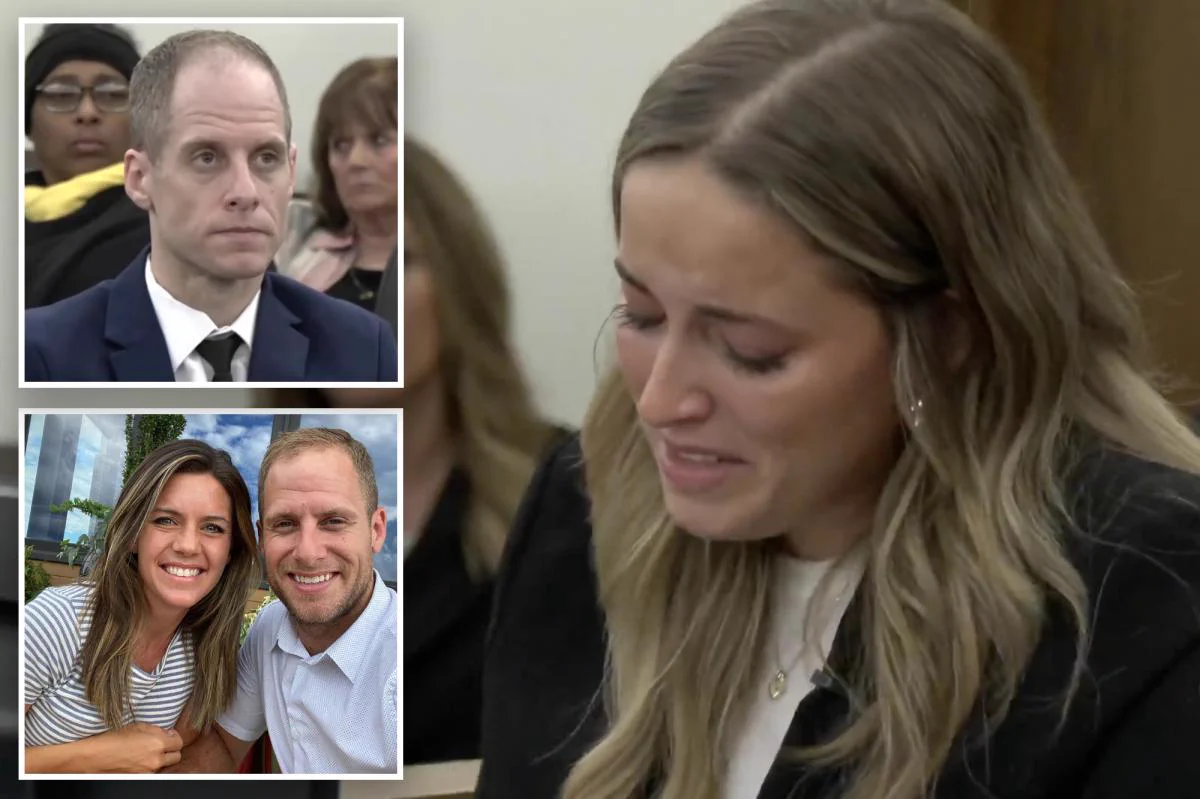
The trial of former American Idol contestant Caleb Flynn has entered another closely watched stage as his former lover, Alleigha Botner, spent two days telling jurors about their secret relationship, thousands of messages and conversations involving Flynn’s wife, Ashley.
Botner’s testimony has given prosecutors an opportunity to present their version of the relationship between the two and why they believe it is relevant to the case against Flynn.
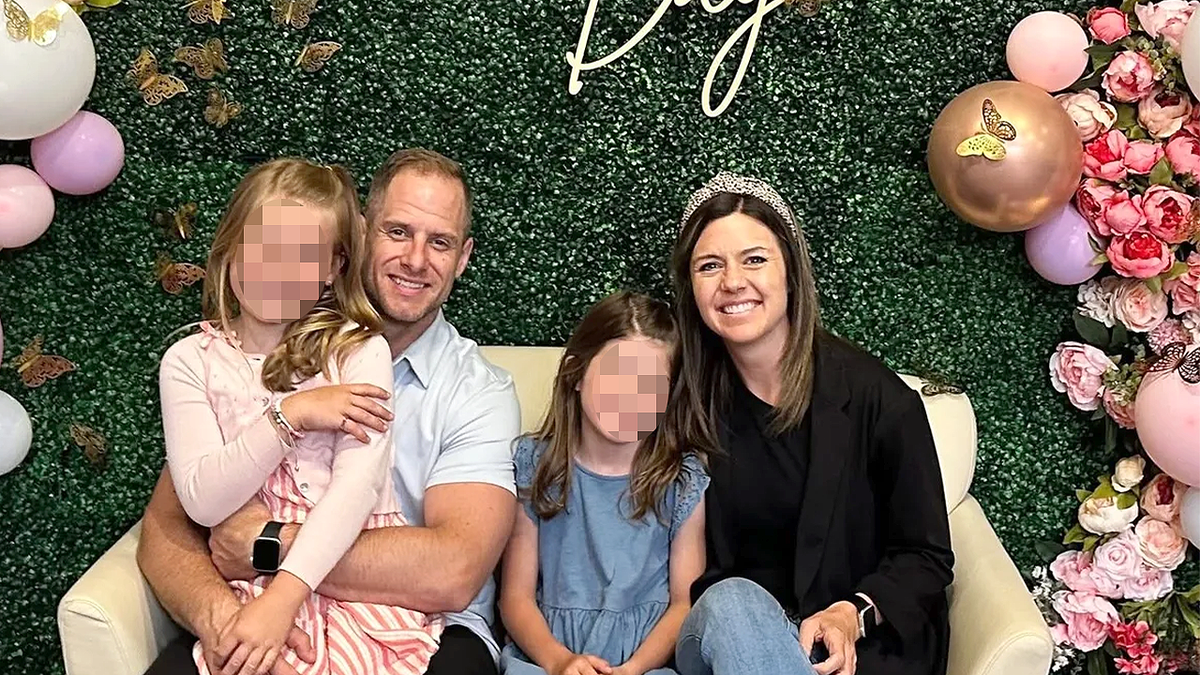
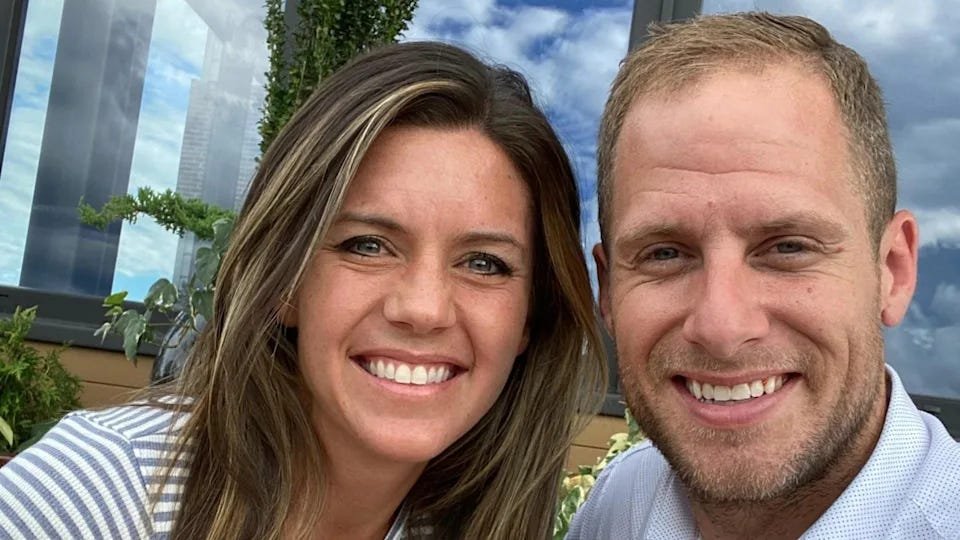
Flynn, 40, is facing charges including aggravated murder, murder, felonious assault and tampering with evidence in connection with the February 2026 killing of his wife, Ashley Flynn, at their home in Tipp City, Ohio.
He has pleaded not guilty.
Prosecutors allege that Flynn staged the home to make it appear that an intruder had entered the property, while the defense has argued that having an affair and making disturbing statements about a spouse do not, by themselves, prove someone committed a homicide.
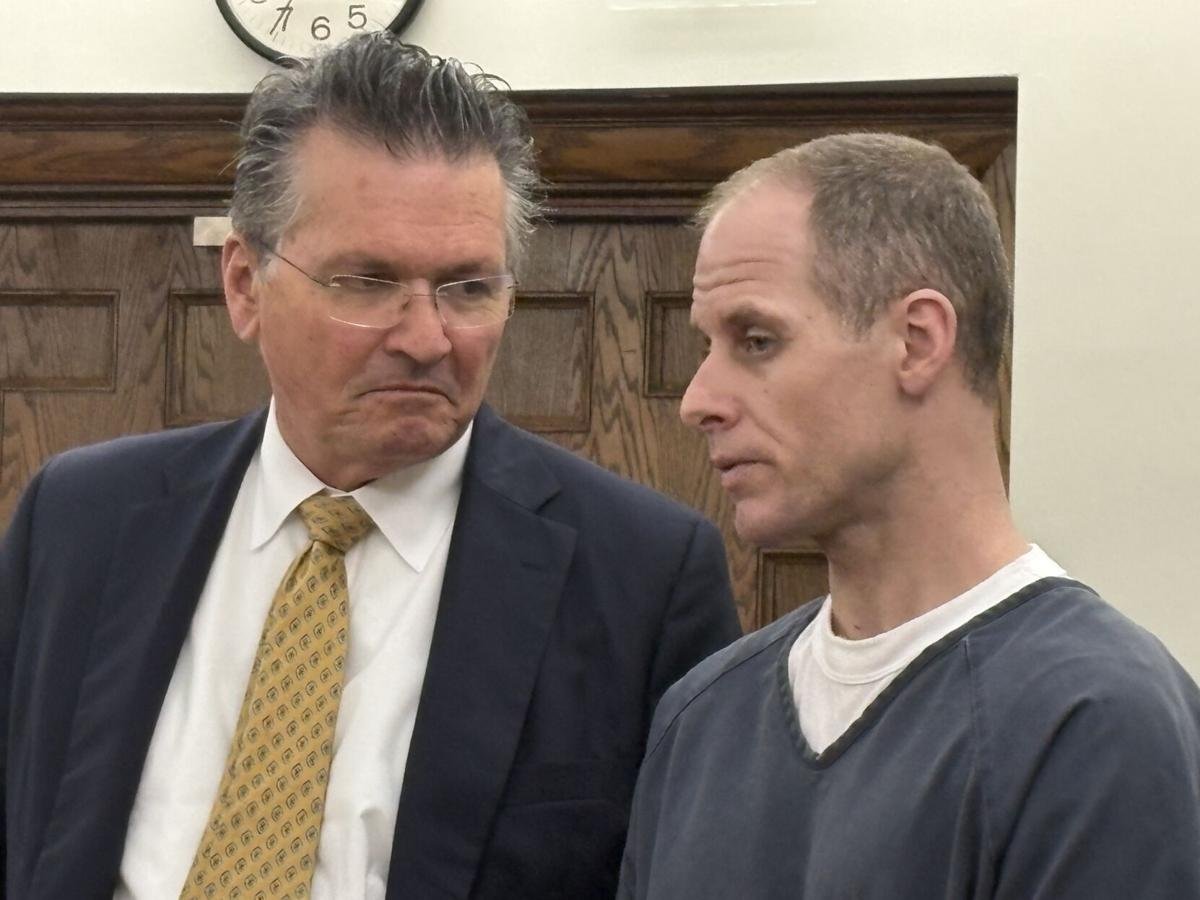
The latest testimony has centered heavily on Botner.
More than 100,000 messages become part of the trial
Botner told the court that she and Flynn exchanged more than 107,000 messages during their relationship.
The messages were reportedly organized into dozens of binders and presented to the jury during her testimony.
According to Botner, the relationship began after the two met through their church. What initially began as a connection through their shared church community eventually became a romantic relationship in 2024.
She testified that the two communicated constantly, sometimes exchanging hundreds of messages in a single day.
Their conversations covered everything from their relationship and future plans to Flynn’s marriage and his feelings toward Ashley.
Botner said the pair discussed the possibility of eventually getting married and even received matching lightning-bolt tattoos.
But as their relationship continued, she said the conversations about Ashley became increasingly concerning.
Prosecutors presented messages in which Flynn allegedly expressed strong resentment toward his wife.
One message shown to jurors was sent in August 2025. Prosecutors say Flynn wrote that he had stayed awake until 4 a.m. thinking about ways to kill Ashley without going to jail.
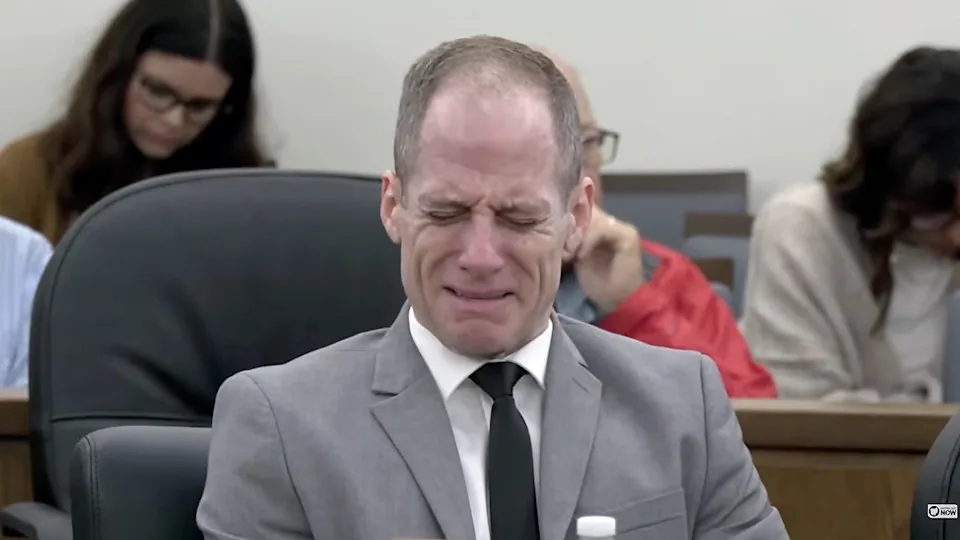
Botner testified that she responded by encouraging him to consider divorce instead.
She also told jurors that comments about wanting Ashley gone became a recurring subject in their conversations.
Botner says she wanted Flynn to leave his wife
Another major part of the testimony involved Botner’s own expectations for the relationship.
She said she wanted Flynn to leave Ashley and eventually marry her.
At various points, she gave him deadlines to end his marriage, according to her testimony.
Botner told jurors that Flynn repeatedly promised he would take steps toward a divorce but continued his marriage.
One of the messages presented in court showed Flynn allegedly saying he was willing to give up major parts of his life in order to be with Botner.
According to testimony reported by CBS News, Flynn wrote that he was willing to sacrifice his relationship with his daughters, his job, his home and his position at the church to pursue a future with Botner.
Botner also acknowledged that she became frustrated with Flynn because he continued to remain married.
At one point, she told the court that she had sent him an ultimatum indicating that she would leave the relationship unless he left Ashley.
Defense attorneys later questioned her about those messages, and Botner clarified that what she wanted was for Flynn to divorce his wife.
That distinction is important because the defense has challenged the interpretation of the messages presented by prosecutors.
The messages changed after Ashley was found
One of the most closely examined moments came after Ashley was found at the family’s home in February.
Botner testified that she contacted Flynn after learning what had happened.
She said she asked him what was going on and whether he had been involved.
According to her testimony, Flynn did not respond to those messages.
Botner then deleted the messages because she was worried investigators might search Flynn’s phone and discover their affair.
She acknowledged in court that she later lied to FBI investigators during her first interview about the nature of her relationship with Flynn.
During a later interview, however, she disclosed more information about the affair.
FBI testimony presented earlier in the trial indicated that investigators had already received information suggesting there had been a relationship between Flynn and Botner.
Her decision to delete messages and her initial statements to investigators have therefore become part of the defense’s ability to challenge her credibility.
What Botner says Flynn told her about the house
Botner also described what Flynn allegedly told her about the night Ashley was found.
According to her testimony, Flynn told her that he had been sleeping and heard a gunshot before discovering Ashley in the bedroom.
However, another account presented during the trial differs from that version.
Earlier testimony from investigators indicated that Flynn had told police he was in one of his daughters’ bedrooms when he heard the gunfire.
Those differences are now part of the larger evidentiary picture being presented to the jury.
Prosecutors have argued that inconsistencies in Flynn’s account, combined with physical evidence from the home and messages between Flynn and Botner, support their theory that the scene was staged.
The defense disputes that interpretation.
Investigators say the scene did not match an intruder story
Earlier in the trial, Ohio Bureau of Criminal Investigation agent David Hammond testified about the condition of the home.
According to Hammond, investigators did not find signs of forced entry or evidence of a struggle consistent with an unknown person breaking into the home.
He also testified that Ashley appeared to have been asleep when she was attacked.
Investigators ultimately concluded that the scene had been arranged to look like an intruder had entered the house, according to testimony presented to jurors.
The prosecution has connected that evidence to Flynn’s original account that someone had entered the home.
The defense, meanwhile, has pointed out that investigators have not recovered the firearm they believe was used in the incident.
That missing weapon remains one of the issues surrounding the prosecution’s case.
Botner’s view of Flynn has changed
Perhaps one of the most striking moments of Botner’s testimony came when prosecutors asked how she currently feels about Flynn.
She answered that she hates him.
That was a significant change from how she described her feelings during their relationship.
Botner testified that she once believed she was in love with Flynn and imagined a future with him.
She now says she believes he was responsible for what happened to Ashley.
Her testimony therefore provides jurors with both sides of a complicated relationship: the woman who once wanted Flynn to leave his marriage and build a life with her, and the witness now testifying against him in court.
Botner’s attorney has said that testifying forced her to revisit a period of her life that she is not proud of.
Prosecutors continue building their timeline
The testimony from Botner is only one part of a much larger case.
Jurors have already heard from investigators who examined the home, reviewed communications and worked to reconstruct the events surrounding February 16.
Prosecutors are attempting to connect those pieces into a timeline that supports their allegation that Flynn planned the attack and later attempted to make the scene appear consistent with a break-in.
The defense is expected to continue challenging the interpretation of that evidence and the reliability of witnesses.
Flynn’s attorneys have acknowledged the affair and the existence of the messages but have argued that offensive or disturbing comments do not automatically establish that he carried out the crime.
That distinction will likely remain important as the trial continues.
The case now moves beyond the affair
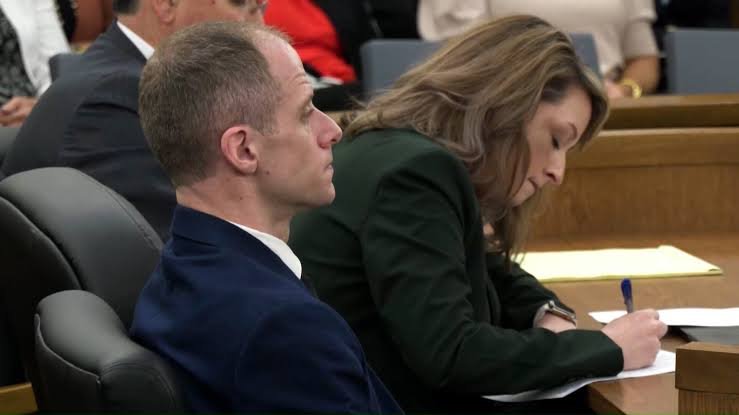
For several days, much of the courtroom attention has been focused on Flynn and Botner’s relationship.
But the central question before the jury remains much broader.
What actually happened inside the Flynn family home on February 16?
Did the evidence support Flynn’s original explanation about an intruder, or does the physical evidence point somewhere else?
And how should jurors interpret the thousands of private messages between Flynn and Botner — particularly the messages in which prosecutors say he discussed Ashley and expressed a desire for her to be gone?
Those questions will ultimately be decided by the jury based on the evidence presented in court.
For now, Botner’s testimony has provided prosecutors with a detailed look into Flynn’s private communications and relationship with her in the months leading up to the February incident.
The defense will have the opportunity to challenge that testimony and the conclusions prosecutors draw from it.
Flynn remains presumed innocent unless and until prosecutors prove the charges beyond a reasonable doubt.
As the trial continues, jurors are expected to hear from additional witnesses and examine more evidence before the case eventually moves toward closing arguments and deliberations.
For Ashley’s family, the proceedings offer a chance to hear the evidence examined publicly and to seek a clearer account of what happened inside the home.
For the court, the task remains narrower: determine whether the evidence presented by prosecutors establishes Flynn’s guilt beyond a reasonable doubt.