
Nearly three decades after JonBenét Ramsey was found inside her family’s Boulder, Colorado, home, investigators continue to work through one of the country’s most closely watched unsolved homicide cases.
The Boulder Police Department says the investigation remains an active priority, with detectives continuing to examine new information, conduct interviews and use advances in forensic science to look for additional leads.
The latest developments show that the case has not simply been placed in the past. Investigators have continued to revisit evidence and reconsider information that could potentially help move the investigation forward.
According to Boulder police, detectives conducted new interviews and re-interviewed people during the past year after receiving information connected to the case. Investigators also collected additional evidence and tested or re-tested existing evidence, with particular attention being given to the rapid development of DNA technology.
Police have not publicly identified which pieces of evidence were examined or who was interviewed. Officials say releasing those details could interfere with an active investigation.
That lack of specific information has left plenty of questions surrounding what investigators may have learned. But authorities have been clear that the work is continuing.
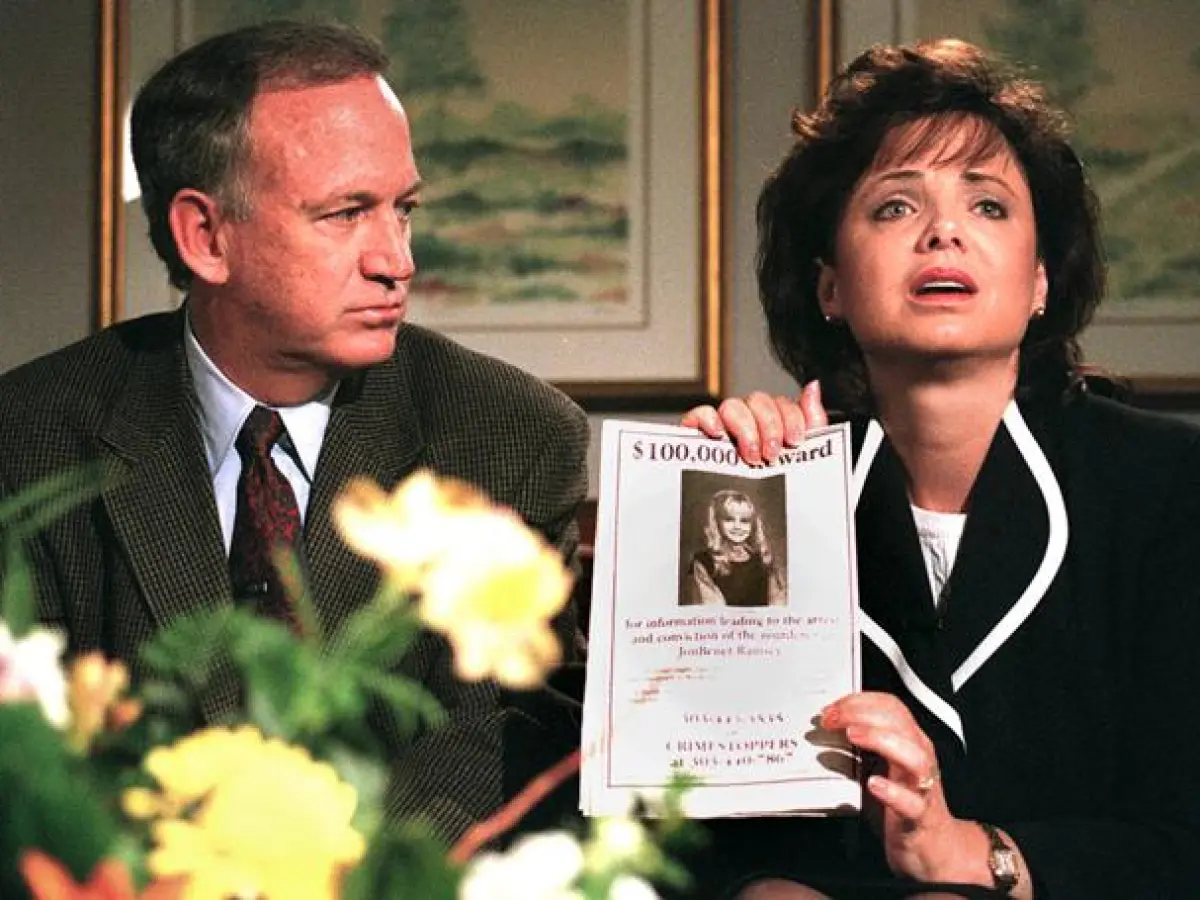
JonBenét was 6 years old when she was reported missing from her family’s Boulder home on December 26, 1996. A ransom note was discovered inside the house, and she was later found in the basement. Her death was ruled a homicide.

Over the years, investigators have followed thousands of leads connected to the case. Boulder police say detectives have pursued more than 21,000 tips, letters and emails and traveled to 19 states while speaking with more than 1,000 people connected to the investigation. The department has also worked with the FBI, the Colorado Bureau of Investigation, the Boulder County District Attorney’s Office and outside forensic laboratories.
One of the biggest developments in recent years has been the effort to review the case through a modern forensic lens.
In 2023, Boulder police announced that an outside Colorado Cold Case Review Team had examined the investigation. The group included investigative, analytical and forensic professionals from across the state, along with representatives and experts connected to federal, state and local agencies.
The review brought together an enormous amount of material. Police said the case file contained thousands of pieces of evidence, tens of thousands of reports and more than a million pages of documentation. Investigators also digitized evidence and organized information from thousands of tips and more than 1,000 interviews into a searchable system.
DNA remains one of the most closely watched parts of the investigation.
Boulder police previously explained that some of the available DNA evidence is extremely limited and complex. Testing certain samples can potentially consume some or all of the material, meaning investigators have had to balance the possibility of obtaining new information against preserving evidence for future technologies.

That calculation has become even more important as forensic science continues to develop.
In December 2025, police said they had continued consulting with outside experts and had tested and re-tested evidence using evolving technology. Officials did not disclose exactly what the new testing revealed, but they said the work was intended to generate new investigative leads.
The case also received renewed attention in 2026 after former Colorado Bureau of Investigation forensic scientist Yvonne “Missy” Woods pleaded guilty to felony offenses connected to misconduct involving laboratory data.
The development raised questions about whether her actions could have affected evidence in other Colorado investigations. Boulder authorities, however, said their review found no impact on the JonBenét Ramsey investigation.
Both Boulder police and the Boulder County District Attorney’s Office have said that Woods’ conduct did not affect the evidence in the Ramsey case. Authorities also said investigators involved in the case have continued meeting and reviewing evidence to determine whether newer forensic methods could provide useful information.
The development has nevertheless renewed public discussion about DNA testing.
JonBenét’s father, John Ramsey, has continued to advocate for additional testing, particularly the use of newer forensic genetic genealogy techniques. He has argued that advances in DNA analysis could provide investigators with another opportunity to identify the person connected to unidentified genetic material from the case.
Authorities have been more cautious. While officials acknowledge that DNA technology continues to advance, they have emphasized that any testing must be scientifically validated and appropriate for the evidence that remains available.
That distinction is important.
There has been considerable public speculation over the years about what the DNA evidence might eventually reveal, but investigators have not announced that a new DNA test has identified a suspect.
The same caution applies to the many theories that have surrounded the case since 1996.
The investigation has generated enormous public interest, documentaries and competing theories about what happened inside the Ramsey home. Some of those theories have focused on members of the family, while others have pointed toward an unknown person.
Authorities have repeatedly emphasized that the case remains open and that investigators must follow evidence rather than public speculation.
The Boulder Police Department has also previously pushed back against claims that investigators are simply sitting on viable evidence. Officials have said the department continues to evaluate available evidence and leads while protecting information that could be important if the case eventually moves toward prosecution.
That approach explains why many of the newest developments have come without dramatic announcements.

Instead of identifying a new suspect or revealing a breakthrough, investigators have described a continuing process: reviewing old material, collecting new evidence when possible, speaking with people again, examining tips and looking for opportunities created by advances in forensic science.
For a case that has remained unresolved for almost 30 years, even small developments can become significant if they produce a new direction.
At the same time, authorities have not announced that the case has been solved or that a particular person is currently facing charges.
The investigation therefore remains in a delicate stage. Detectives are still working, new and old evidence is being examined, and DNA technology continues to evolve, but officials have kept the details of their work largely private.
The next major development could come from a new forensic result, an additional interview, a previously overlooked lead or information from someone who has never spoken with investigators.
Boulder police continue to encourage anyone with information about the case to come forward.
For now, the central message from investigators is relatively simple: the JonBenét Ramsey investigation remains active.
Nearly 30 years later, authorities are still looking at the evidence, still following leads and still exploring whether modern forensic tools can provide an answer that earlier investigators could not obtain.
And as the technology continues to change, so does the possibility that evidence preserved from 1996 may eventually offer investigators a new path forward.