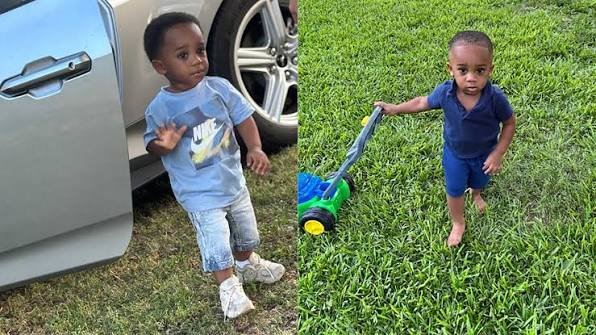
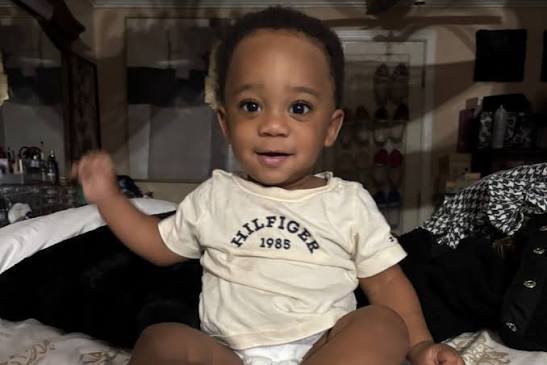
Newly released police body-camera footage is bringing renewed attention to the final moments of 1-year-old Kohen Wiley, whose life was lost during a police encounter outside a Walmart in Senatobia, Mississippi, earlier this year.
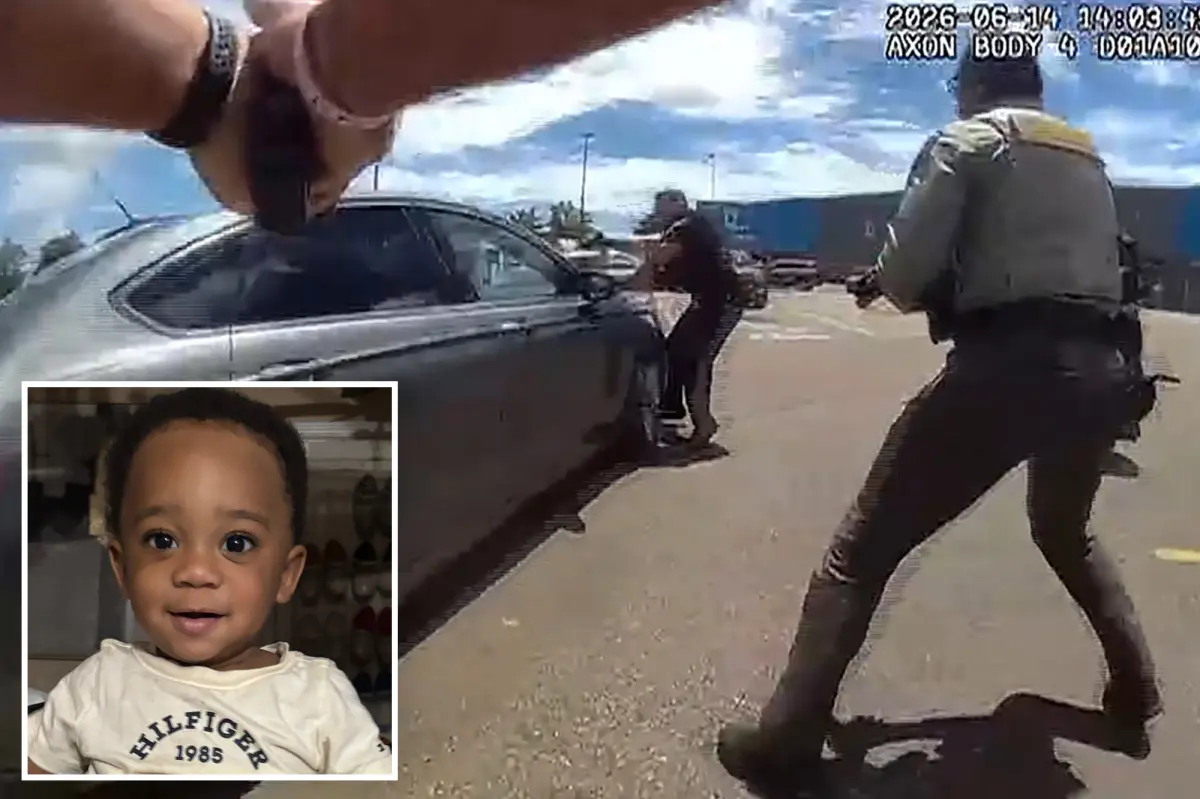
The video, released publicly on October 20, 2026, shows officers rushing toward a gray sedan in the store’s parking lot, shouting commands as the vehicle reverses, strikes a parked SUV and then accelerates forward. Moments later, an officer opens fire at the vehicle carrying Kohen, his mother and another woman.
The footage has intensified questions about how the confrontation unfolded and whether the officers’ actions were justified. The Mississippi Attorney General’s Office has concluded that the use of force was legally justified and announced that it would not pursue criminal charges against the officer. However, Kohen’s family and their attorney continue to question that conclusion and have called for greater transparency.
At the center of the story is a child who was only beginning his life, a mother who says she was holding him during the encounter, and a family still searching for answers.
What The Newly Released Video Shows
The incident occurred on June 14, 2026, when Senatobia police officers responded to a reported shoplifting incident at Walmart.
According to reports, the officers were alerted to two women leaving the store. One was identified as Vellesiya Wiley, Kohen’s mother, while the other was her friend, Latoya Ferrell. Authorities suspected that the women had taken baby-related items, including diapers.
The newly released footage includes recordings from two officers’ body cameras and surveillance cameras at the store. It captures officers leaving the security area and moving quickly toward the gray sedan as the women attempt to leave the parking lot.
The vehicle reverses and collides with a parked SUV. Officers can be heard repeatedly ordering the driver to stop. The car then moves forward and appears to travel toward officers positioned near its path.
At least one officer opens fire as the vehicle moves between them. The car briefly stops before continuing out of the parking lot.
The recordings provide a clearer picture of the rapidly developing confrontation, but they do not answer every question surrounding the incident. Most notably, the publicly released compilation does not include the body-camera recording from the officer who fired.
That missing perspective has become a significant point in the debate over what happened and how the encounter should be assessed.
Kohen’s Mother Says She Was Holding Him
Vellesiya Wiley has previously described the frightening moments when officers approached the vehicle.
According to her account, she was holding Kohen in the front passenger seat while Ferrell was driving. She has said that she raised her son so officers could see that a young child was inside the car.
The newly released footage does not clearly show Kohen or establish every detail of his mother’s account. However, her statement has become central to the family’s demand for a full explanation of the officers’ actions.
Kohen was taken to a local hospital after the encounter, where he was pronounced dead. Ferrell was also seriously injured and required medical treatment.
For the family, the tragedy extends beyond the events captured in the parking lot. They are now trying to understand how a police response to a reported shoplifting incident ended with the loss of a child’s life.
The family has been represented by civil rights attorney Ben Crump, who has questioned whether the use of force was reasonable under the circumstances.
Crump has argued that the original report involved baby supplies and that the response should be examined in light of the presence of a child in the vehicle.
His position differs sharply from the conclusion reached by state authorities, making the newly available footage an important part of the ongoing public discussion.
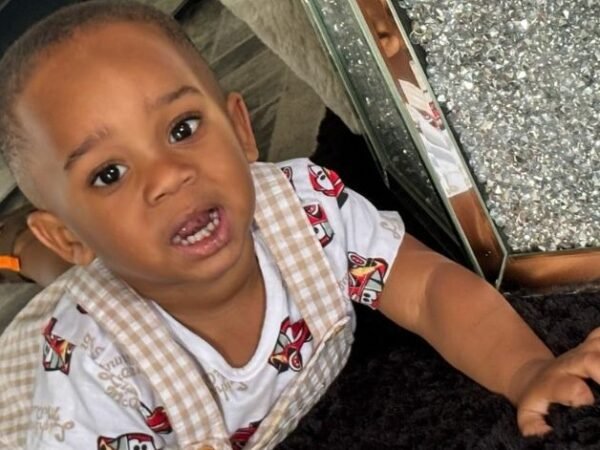
Mississippi Officials Say The Officer’s Actions Were Justified
On October 19, Mississippi Attorney General Lynn Fitch announced that her office had concluded the officer’s use of force was justified under the circumstances presented by investigators.
The attorney general’s office determined that there was insufficient evidence of criminal conduct to send the case to a grand jury. The office said it would not pursue criminal charges against the officer involved.
Authorities have maintained that the driver moved the vehicle toward officers, creating an immediate safety concern. That account has been central to the official explanation of why force was used.
Fitch acknowledged the tragedy of Kohen’s loss while emphasizing that her office had evaluated the available evidence and applicable law in reaching its decision.
The announcement has not ended the debate, however.
The family and its supporters argue that the circumstances require further scrutiny, particularly because the incident began with a report of suspected shoplifting rather than an investigation into a serious violent offense.
The disagreement reflects a broader question about police responses to moving vehicles: when officers are confronted by a car that appears to be moving toward them, what circumstances justify opening fire, particularly when passengers include a young child?
Police use-of-force experts have raised concerns about the risks of firing at moving vehicles, noting that such decisions can place passengers, bystanders and officers in further danger.
Whether the available evidence supports the officer’s actions remains a subject of public debate, even though the state has announced that it will not bring criminal charges.
The Officer At The Center Of The Investigation
The investigation has drawn attention to Senatobia Police Sgt. Hunter Foster, who was placed on leave following the incident.
However, authorities have not formally identified him as the officer who fired the rounds that struck the vehicle.
The distinction is important because the public video does not include the body-camera footage from the officer who discharged his weapon. Without that recording, viewers cannot see the entire encounter from the perspective of the person whose actions are under review.
The Mississippi Bureau of Investigation examined the incident before the attorney general’s office reached its decision.
The newly released recordings have prompted additional questions about the sequence of events, the positioning of officers and the decisions made as the car began moving.
A full understanding of those details depends on examining all available evidence rather than relying on a single camera angle.
The release of the footage represents a significant development for the family, which had been calling for greater transparency since June.
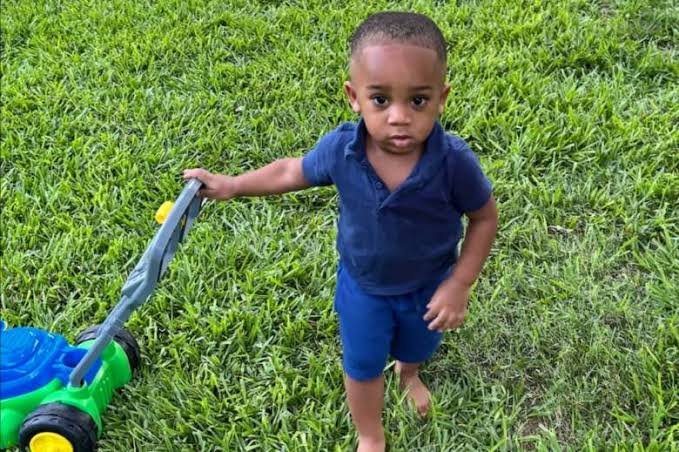
Why The Missing Body-Camera Footage Matters
Although the public video provides several views of the encounter, it does not show the complete incident from every officer’s perspective.
The recordings released by Darkhorse Press include footage from two officers and surveillance cameras. The body-camera recording belonging to the officer who fired was not included in that compilation.
Mississippi officials have indicated that additional footage exists and that authorities intended to allow Kohen’s family to review the recordings before making further material public.
That remaining footage could help clarify the officer’s position, the distance between the vehicle and the officers, and the timing of the decisions made during the confrontation.
It could also provide additional context for assessing the competing accounts of what happened.
For Kohen’s family, access to the complete recordings is about more than public attention. It is an opportunity to understand the final moments of their child’s life and examine the evidence behind the state’s conclusion.
The video released so far is an important part of the record, but it should not be mistaken for a complete account of every aspect of the incident.
The Family Continues To Seek Accountability
Ben Crump has continued to challenge the official conclusion on behalf of the Wiley family.
The attorney has argued that the use of force should be evaluated against the nature of the original call and the presence of a child in the vehicle. He has also emphasized the importance of making the available evidence public.
An independent autopsy reportedly found that Kohen sustained a wound entering from the side of his body. Crump has pointed to that finding while questioning the official account that the vehicle’s movement justified the officer’s actions.
The finding is one element of the broader evidentiary record, and its significance must be considered alongside the video, witness accounts and other investigative material.
The family’s concerns have attracted attention from civil rights advocates and community members who want a fuller explanation of the encounter.
For them, the central issue is not simply whether the officer will face criminal charges. It is whether the circumstances have been fully examined and whether the public has access to enough information to understand the decision made by state authorities.
The attorney general’s decision closes the question of criminal prosecution by her office for now, but it has not resolved the family’s concerns about accountability and transparency.
A Case That Has Drawn National Attention
Kohen’s case has become part of a wider discussion about police use of force, particularly during encounters involving vehicles and situations that begin with suspected property offenses.
The incident also comes amid previous scrutiny of law enforcement in Senatobia. Earlier reporting by The New York Times and Mississippi Today documented racist text messages attributed to former police chief Harold Vanderford. The city’s board of aldermen voted to dismiss Vanderford in September.
Those earlier controversies have contributed to public concern about police accountability in the area, although they do not by themselves establish what happened during Kohen’s encounter.
The details of this case must ultimately be assessed on their own evidence.
The release of the footage has given the public a better understanding of the rapid sequence of events outside Walmart. At the same time, the absence of the involved officer’s body-camera recording leaves important questions unanswered.
The case has also highlighted the tension between an official finding that an officer acted within the law and a family’s belief that the circumstances demand further scrutiny.
What Happens Next?
The immediate next step is greater clarity about the remaining evidence and whether additional recordings will be made public.
Kohen’s family has been seeking access to the footage, and the release of the available recordings marks an important development in that effort. The body-camera recording from the officer who fired remains particularly significant.
The attorney general’s office has announced that it will not pursue criminal charges, but the public debate over the decision is likely to continue.
Questions surrounding the officer’s actions, the movement of the vehicle and the presence of a child will remain central to discussions about the incident.
For Vellesiya Wiley and her family, however, the legal arguments cannot change the fact that they have lost a child who had only just begun his life.
Kohen’s story has become a reminder of how quickly an encounter can escalate and how far its consequences can reach beyond the people directly involved.
As more information becomes available, the family continues to seek answers about what happened in those final moments. The newly released video provides another piece of the picture, but the full account will depend on the evidence that authorities make available and how that evidence is evaluated.
For now, the central questions remain whether the public has seen the complete record and whether the official explanation adequately addresses the concerns raised by Kohen’s family.