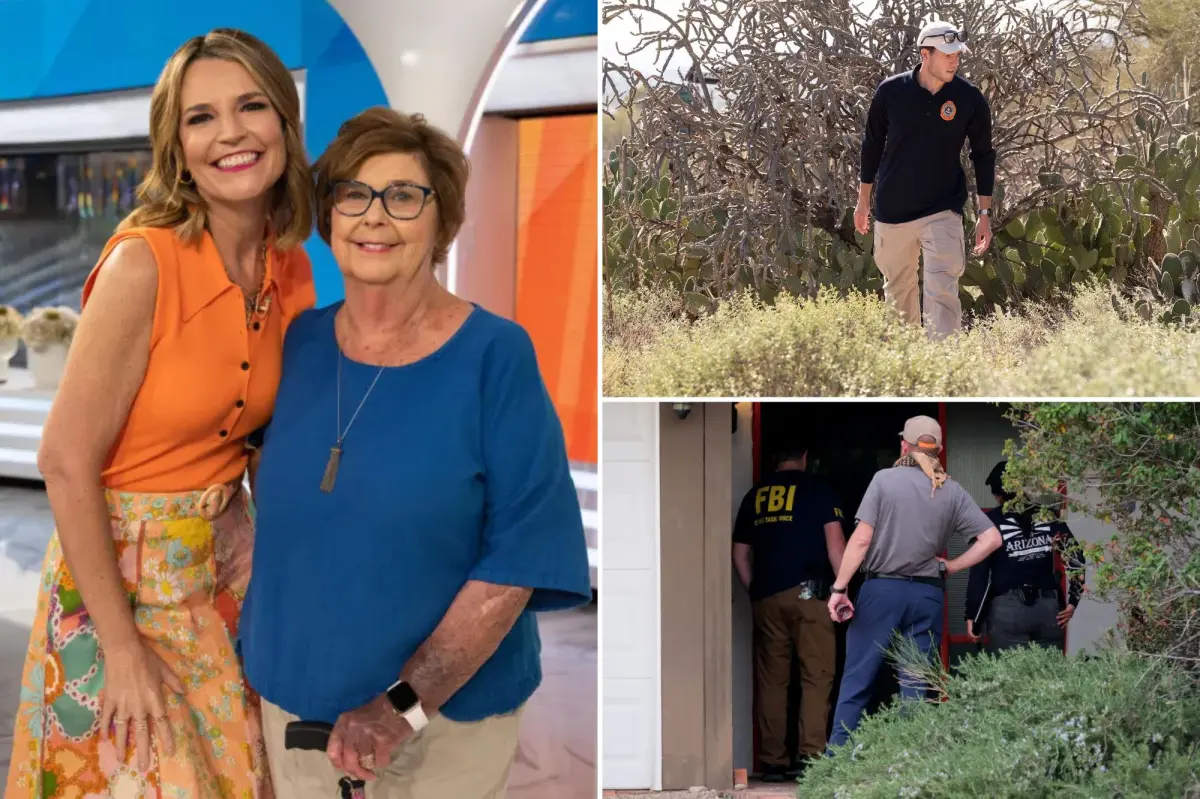
More than six months after Nancy Guthrie disappeared from her Tucson home, a new development has brought fresh attention to the investigation. A neighbor in the Catalina Foothills told Fox News Digital that she recently saw people she believed were FBI investigators searching through the desert brush behind Guthrie’s property, raising questions about whether investigators may have returned to an area that was examined earlier in the case.
The reported activity comes at a particularly important moment. Nancy Guthrie, the 84-year-old mother of NBC “Today” co-anchor Savannah Guthrie, has now been missing for more than six months, and investigators still have not publicly identified a suspect or announced an arrest. Her whereabouts remain unknown, and authorities continue to treat the disappearance as a criminal investigation.

The reported search also comes after weeks of intense monsoon storms in the Tucson area. Those storms can dramatically change the desert environment, washing away soil, moving rocks and vegetation, and creating new drainage paths through terrain that may previously have looked very different. A retired Pima County Sheriff’s Department lieutenant told Fox News Digital that those environmental changes could potentially expose objects or evidence that were difficult to see during earlier searches.
That possibility, however, remains an expert’s explanation rather than an official confirmation of why investigators may have returned.
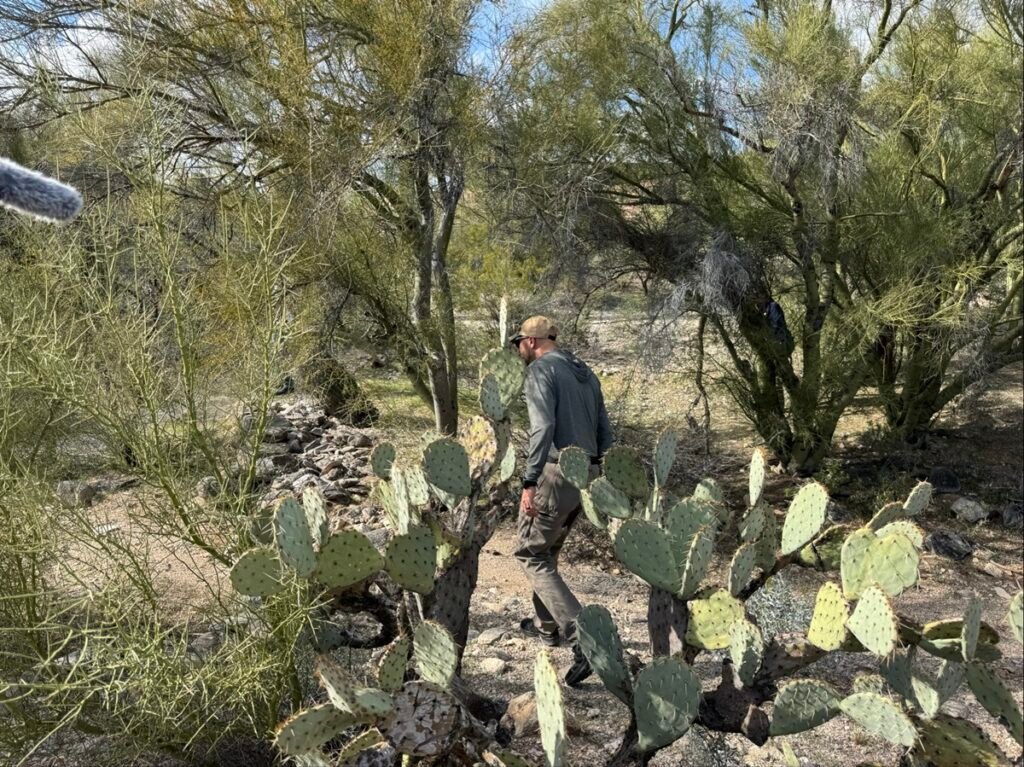
The neighbor who spoke with Fox News said she lives only a few houses away from Guthrie’s home and recognized some of the people she believed she had seen during earlier law enforcement activity. She said they appeared to be searching the brush and desert area behind the residence.
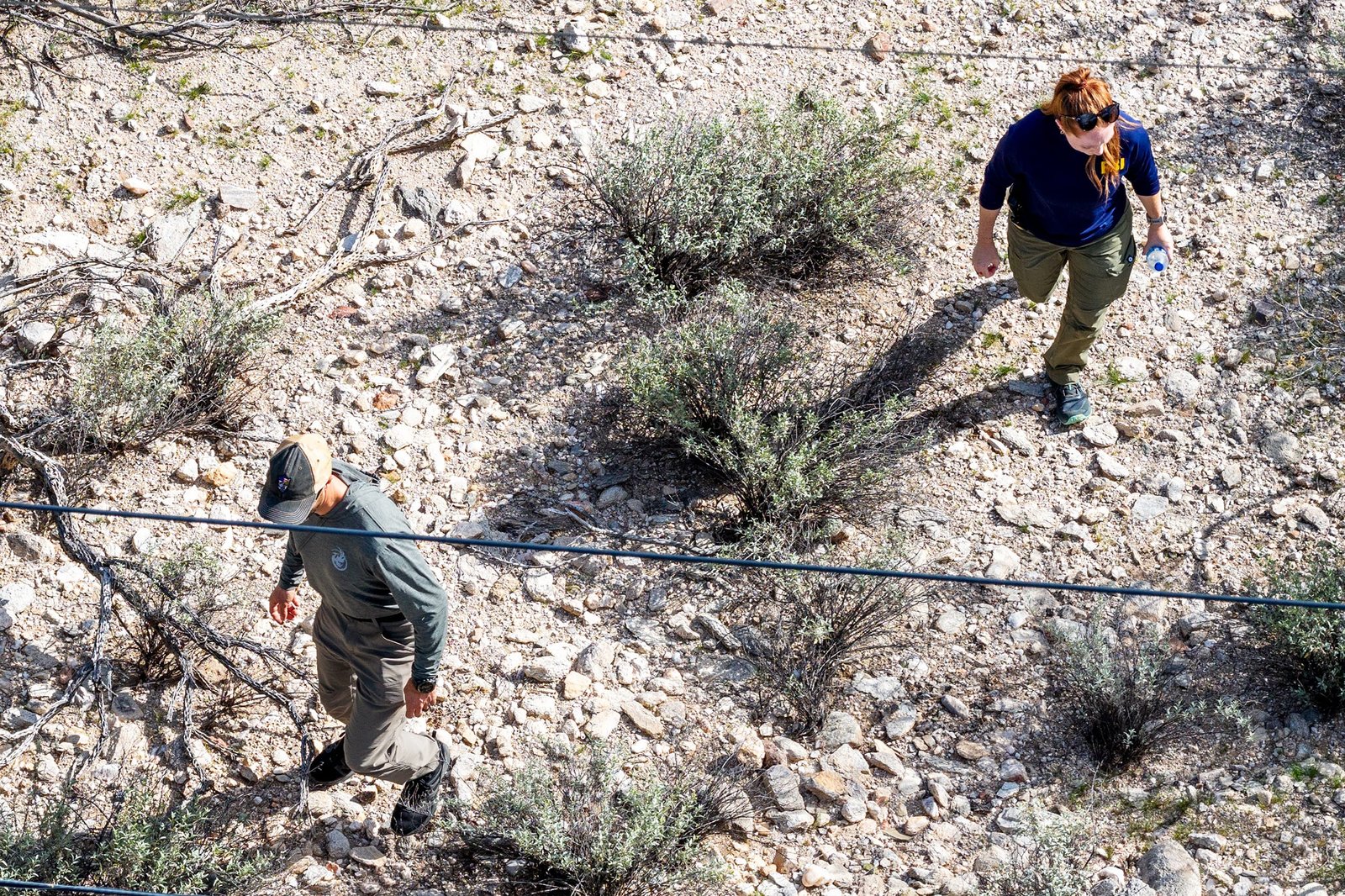
The observation is significant because investigators have already searched the neighborhood extensively. If federal agents or other investigators did return to the area, their presence could indicate that new information had directed them to a particular location, that investigators were taking another look at an area after new developments, or simply that they wanted to conduct another examination after the passage of time and changes in the environment.
At the same time, authorities have urged caution about interpreting the reported activity as a breakthrough.
A spokesperson for the Pima County Sheriff’s Department told Fox News Digital that no task-force investigators had recently returned to the area. The FBI also did not immediately respond to Fox News’ request for comment. As a result, the exact identity of the people the neighbor observed and the purpose of the reported activity have not been independently confirmed.
That distinction is important in a case that has generated enormous public interest and a large amount of speculation.
Nancy Guthrie disappeared after she was last known to be at her home in the Catalina Foothills. Authorities believe she was taken against her will during the early morning hours of February 1. Evidence discovered at the residence led investigators to treat the case as a suspected abduction rather than a voluntary disappearance.
One of the most important pieces of evidence in the case is surveillance footage showing a masked individual near Guthrie’s home. The person appeared to be dressed in dark clothing and was captured around the time investigators believe Guthrie was taken. Authorities have released images and descriptions in an effort to identify the individual, but no public arrest has followed.
Investigators have also collected physical evidence from Guthrie’s residence. Pima County Sheriff Chris Nanos previously confirmed that blood and other DNA evidence were recovered and remained under forensic examination. A separate hair sample discovered at the residence was tested but produced no usable result and did not identify a suspect.
The inconclusive forensic results have been one of the major frustrations of the investigation. Detectives have continued to work with laboratories and forensic specialists while attempting to determine whether other biological evidence can provide a usable DNA profile.
That makes the possibility of a renewed physical search particularly interesting. If investigators received new information pointing toward a specific location, returning to the area could allow them to compare that information with evidence already collected. Alternatively, environmental changes could have created an opportunity to examine ground that was previously covered by vegetation, debris or soil.
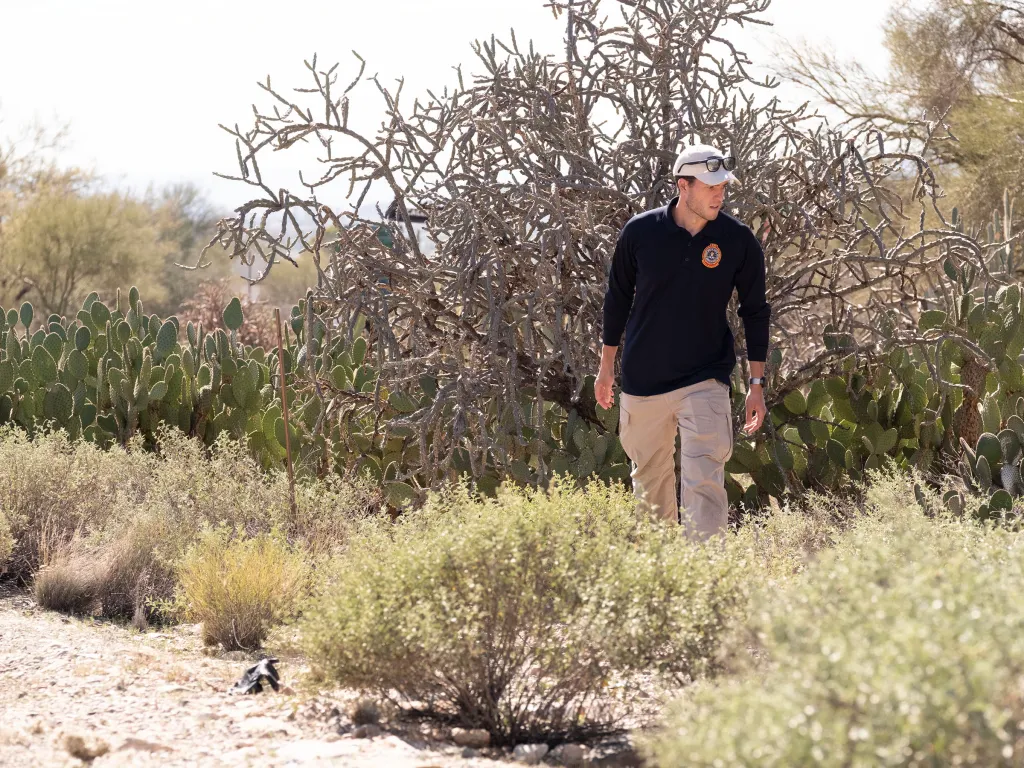
Arizona’s summer monsoon season can be powerful. Heavy rainfall can move large amounts of sediment and debris through washes and drainage channels. In desert areas, even a relatively short period of intense rain can reshape the surface dramatically.
Retired law enforcement official Bob Krygier explained to Fox News Digital that investigators could have several reasons for revisiting the neighborhood. One possibility would be a new tip that investigators considered credible enough to warrant another search. Another could be a renewed examination by investigators who were approaching the case with fresh eyes. A third possibility would involve the effects of monsoon rainfall on the landscape.
According to Krygier, large volumes of water can move rocks and other material, potentially changing an area that investigators previously examined. That does not mean that the rains necessarily uncovered evidence connected to Guthrie’s disappearance. It simply means that environmental changes can sometimes justify another look at a previously searched location.
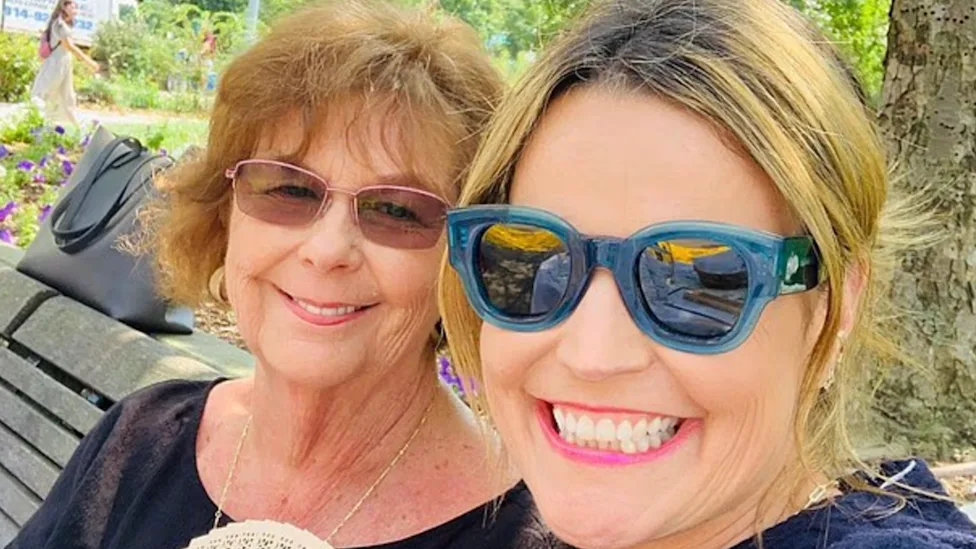
The timing is also notable because the investigation has reached the six-month mark without a resolution.
For Nancy Guthrie’s family, the passage of time has been especially painful. Savannah Guthrie and her siblings have repeatedly appealed to the public for information about their mother. The family has offered a substantial reward for information that could help bring Nancy home, while the FBI has separately offered a federal reward.
In recent weeks, investigators have also made another unusual move by releasing ransom letters connected to the case. The documents were made public in the hope that someone might recognize the language, phrasing or writing style of the person who sent them.
The ransom communications have added another layer of uncertainty. Some communications associated with the case were previously determined to be fraudulent, while investigators have continued examining other ransom-related material. Authorities have not publicly established that the person who wrote the letters was the person who abducted Nancy.
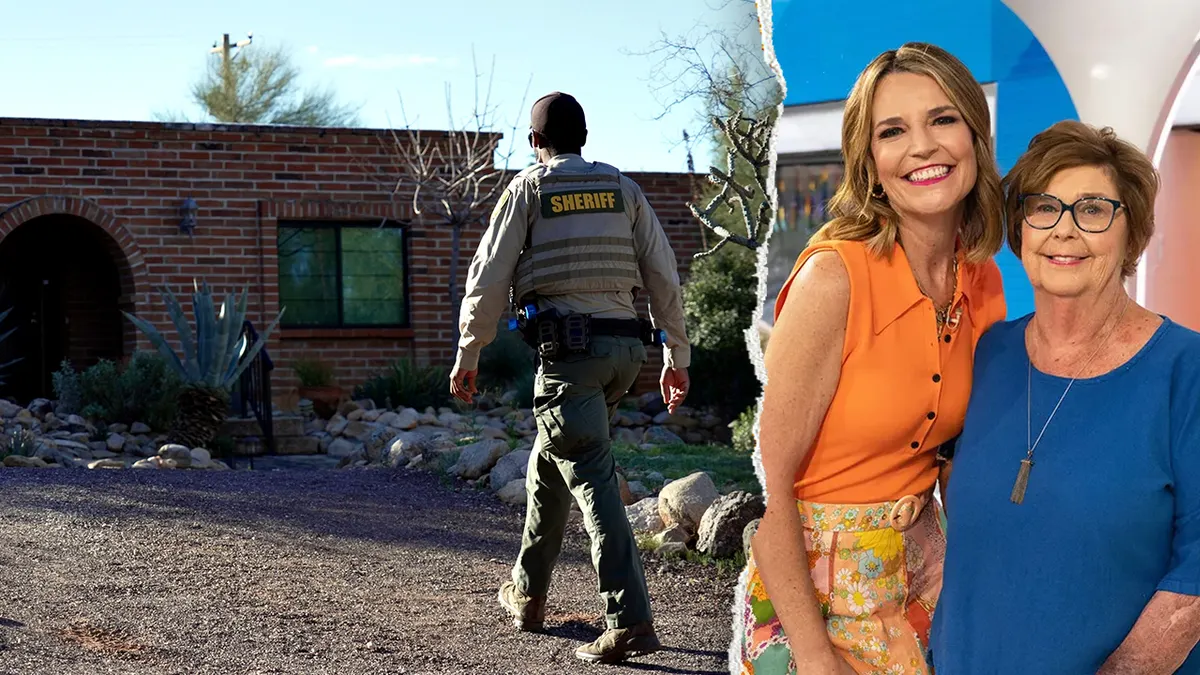
The release nevertheless produced a renewed flow of information from the public. Investigators have encouraged people to look closely at the language and consider whether they recognize particular expressions or writing habits.
That approach is especially important because the person responsible may not necessarily be known to the public as a suspect. Someone could recognize the style of writing without initially realizing that it was connected to a major criminal investigation.
The letters have also been analyzed by forensic and behavioral experts, who have cautioned that ransom communications can be genuine, deceptive or completely fabricated. Their existence alone cannot establish what happened to Nancy.
The same caution applies to the latest reports about activity near her home.
At this stage, there is no public evidence showing that the reported search uncovered Nancy Guthrie, human remains or a major new piece of evidence. There is also no official announcement that investigators have identified a suspect as a result of the reported activity.
Instead, what is known is that the case remains active, investigators continue to examine evidence, and people close to the investigation continue to watch the Catalina Foothills for signs of renewed activity.
The location itself remains important.
Nancy’s neighborhood is made up of homes surrounded by rugged desert terrain, brush and uneven ground. That environment can create challenges for investigators. Areas that look easily accessible during daylight may be much harder to navigate at night, and natural washes can provide routes through neighborhoods that are not obvious from the main roads.
The terrain has therefore been a continuing focus of discussion among investigators and former law enforcement officials. A person attempting to avoid detection could potentially use less visible paths rather than approaching or leaving through a main street.
That does not prove that such a route was used in Nancy’s disappearance. It simply illustrates why investigators may continue to examine the area surrounding her home.
The case has also been complicated by the absence of a confirmed public suspect. Early in the investigation, authorities conducted searches and questioned people in several locations, but no one has been publicly charged with Nancy’s disappearance.
That has left investigators with a difficult task: reconstructing what happened during the hours surrounding her disappearance while working with incomplete information.
Surveillance footage may provide one piece of the puzzle. DNA evidence may provide another. Ransom communications, phone records, vehicle information, witness statements and digital evidence could each contribute additional pieces. The challenge is determining which pieces can be independently verified and connected to the same sequence of events.
The reported return to the neighborhood, if confirmed, could therefore be part of a broader effort to revisit evidence rather than a sign that investigators have suddenly solved the case.
For families of missing people, searches often continue long after the initial public attention fades. Investigators may return to locations months later because of a new witness, a new forensic technique, an overlooked piece of information or simply because investigators want to test an earlier conclusion against new evidence.
In Nancy Guthrie’s case, the combination of new ransom-note publicity, continuing forensic work and reports of renewed interest in the neighborhood has created another period of heightened attention.
But the most important unanswered question remains the same: where is Nancy Guthrie?
Authorities have not publicly confirmed that she is dead, and no remains have been recovered. At the same time, investigators have said the circumstances surrounding her disappearance indicate that she was likely taken against her will.
For Savannah Guthrie and her family, the uncertainty is devastating. More than six months have passed since Nancy was last seen, yet the family still does not have the information needed to bring the case to a conclusion.
Every reported search therefore carries enormous emotional weight.
If investigators did return to the neighborhood, the reason could range from a new lead to a routine reassessment. If monsoon rains did alter the terrain, investigators may simply have wanted to determine whether anything had been exposed or displaced. And if a new tip prompted the activity, authorities may be working quietly to verify that information before making any public announcement.
That last possibility is particularly important. Investigators often avoid revealing details about active searches because public disclosure can compromise evidence or alert people who may be connected to a crime.
For now, none of those explanations has been officially confirmed.
What is confirmed is that the Nancy Guthrie investigation remains open. The FBI remains involved, local authorities continue to process information, forensic evidence remains under examination, and the public is still being asked to provide credible information.
The recent attention surrounding the Catalina Foothills should therefore be viewed as a potential development, not as proof that investigators have found a breakthrough.
Still, after months of uncertainty, even a reported return to an area already searched can raise important questions.
Could new information have pointed investigators back to the neighborhood? Could the summer monsoon have changed the landscape enough to warrant another examination? Could something previously hidden now be visible?
Those questions may only be answered if authorities eventually confirm what prompted the activity and whether anything relevant was discovered.
Until then, Nancy Guthrie remains missing.
The search continues, the investigation remains unresolved, and her family continues to wait for the one piece of information that could change everything: a credible lead that finally explains what happened to her and brings her home.
She is probably within feet of her house, yet unable to be detected!