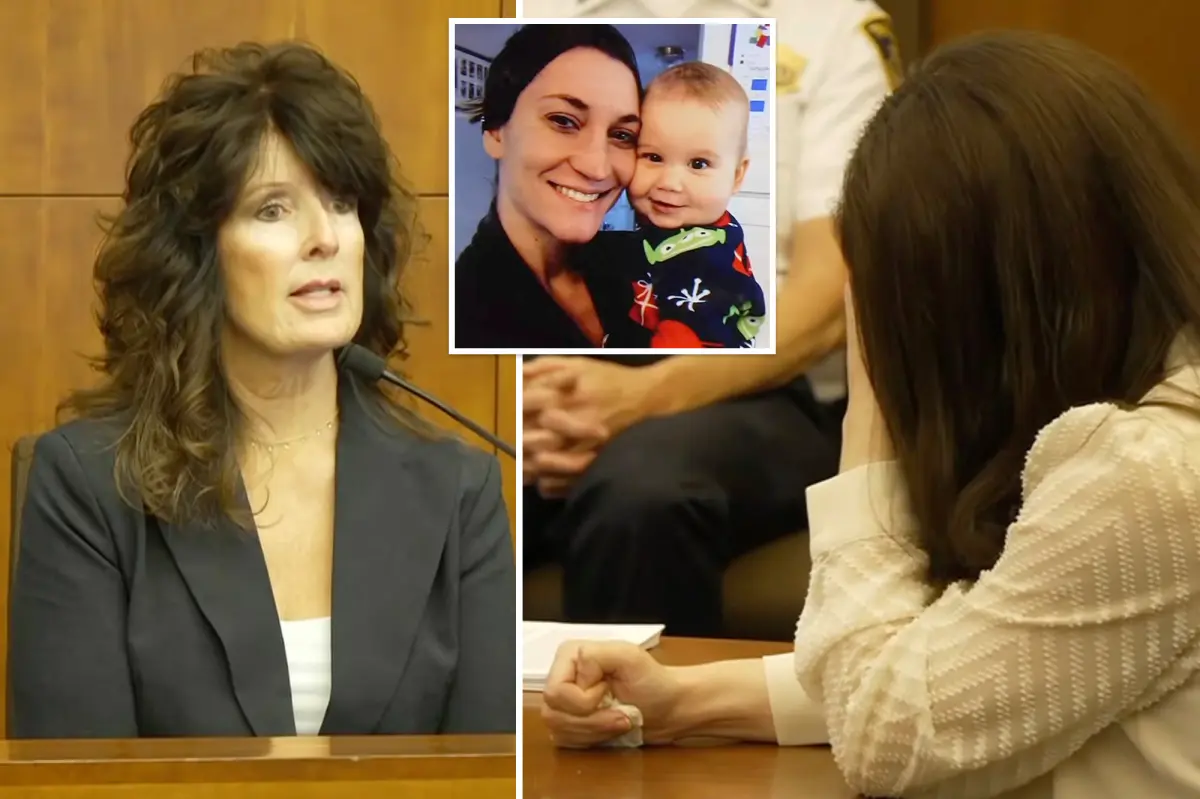
The murder trial of Lindsay Clancy has entered an increasingly emotional phase, with testimony from a former nanny offering jurors a picture of the Massachusetts mother that contrasts sharply with the devastating events that occurred only weeks after the nanny stopped working for the family.
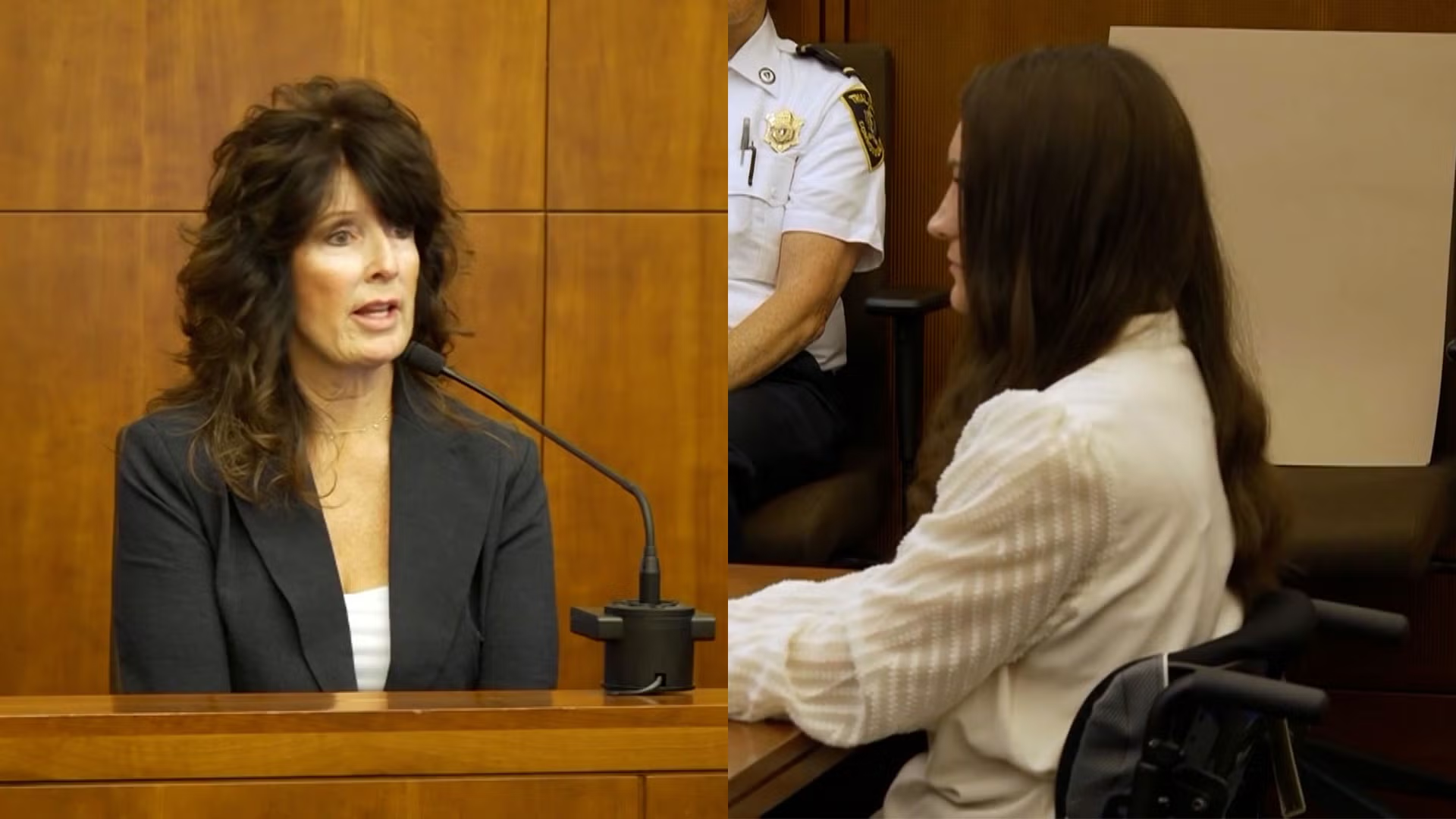
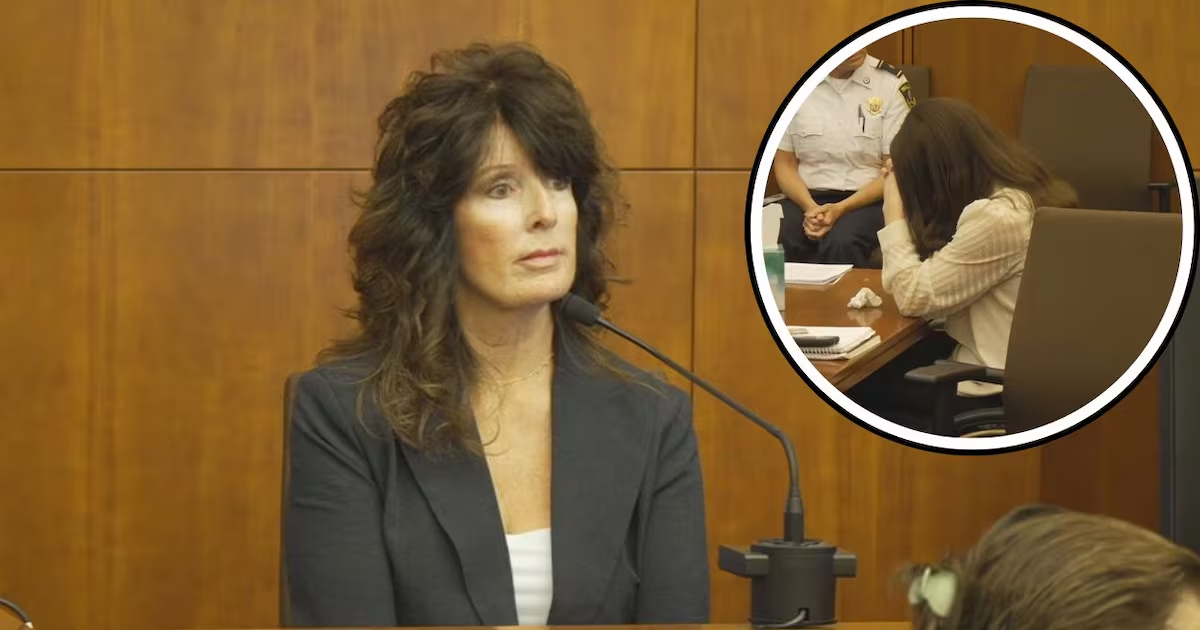
Elaine Rossi, who worked for the Clancy family from September through early December 2022, told jurors that she never saw anything that made her believe Lindsay Clancy was a danger to her children. Instead, Rossi described a mother who appeared deeply involved in the lives of her three young children and highly attentive to their health, routines and safety. Her testimony came on August 5, during the seventh day of the trial at Plymouth Superior Court, where Clancy is facing first-degree murder charges in the deaths of her children, Cora, Dawson and Callan.
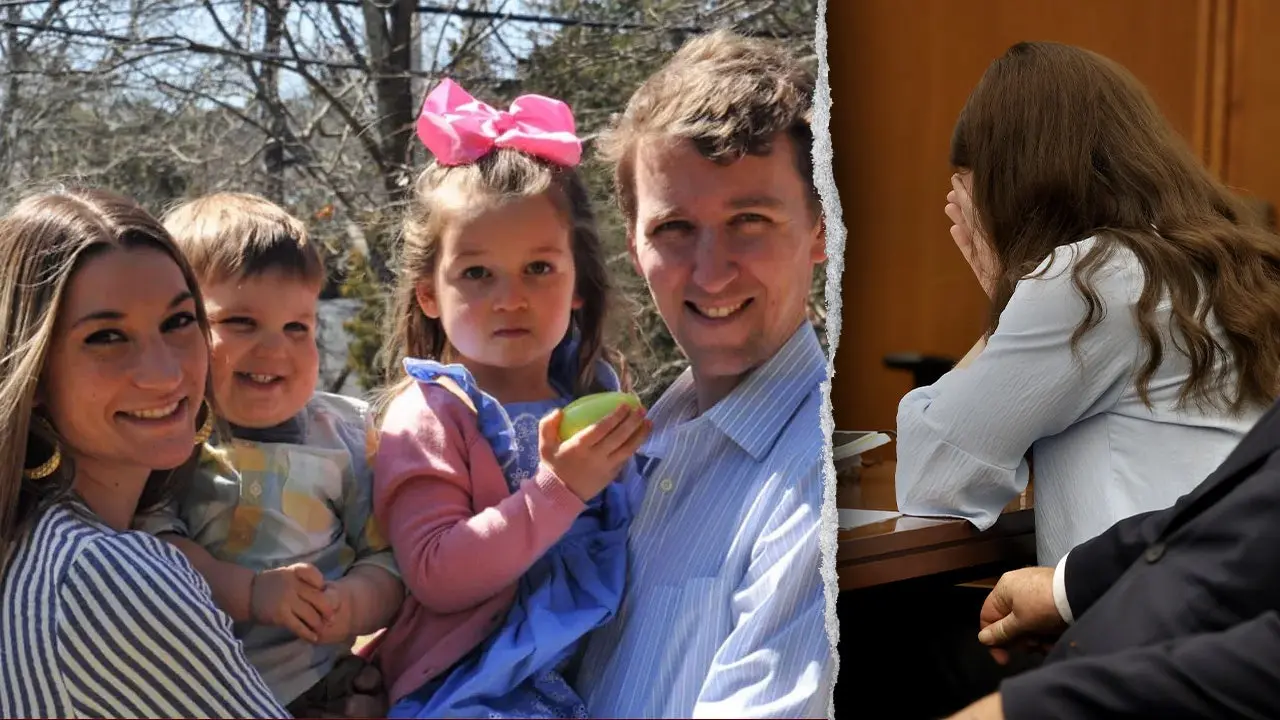
Rossi had been hired after responding to a Facebook posting from Lindsay Clancy in the summer of 2022. She began working with the family that September, initially expecting to care primarily for baby Callan when Lindsay returned to her job as a labor and delivery nurse. Her schedule generally involved working several mornings each week, while also helping with food preparation, light housekeeping and laundry. During those months, she communicated frequently with Lindsay through text messages and handwritten notes that Lindsay left with instructions concerning the children’s daily routines.
The nanny’s description of the children was affectionate and personal. She remembered Cora, then 5, as a lovely child, while Dawson, 3, was energetic and funny. Callan, who was only 8 months old when he died, was remembered by Rossi as an especially easygoing and happy baby. The testimony offered jurors a glimpse into the ordinary family life that existed before the January 2023 tragedy.
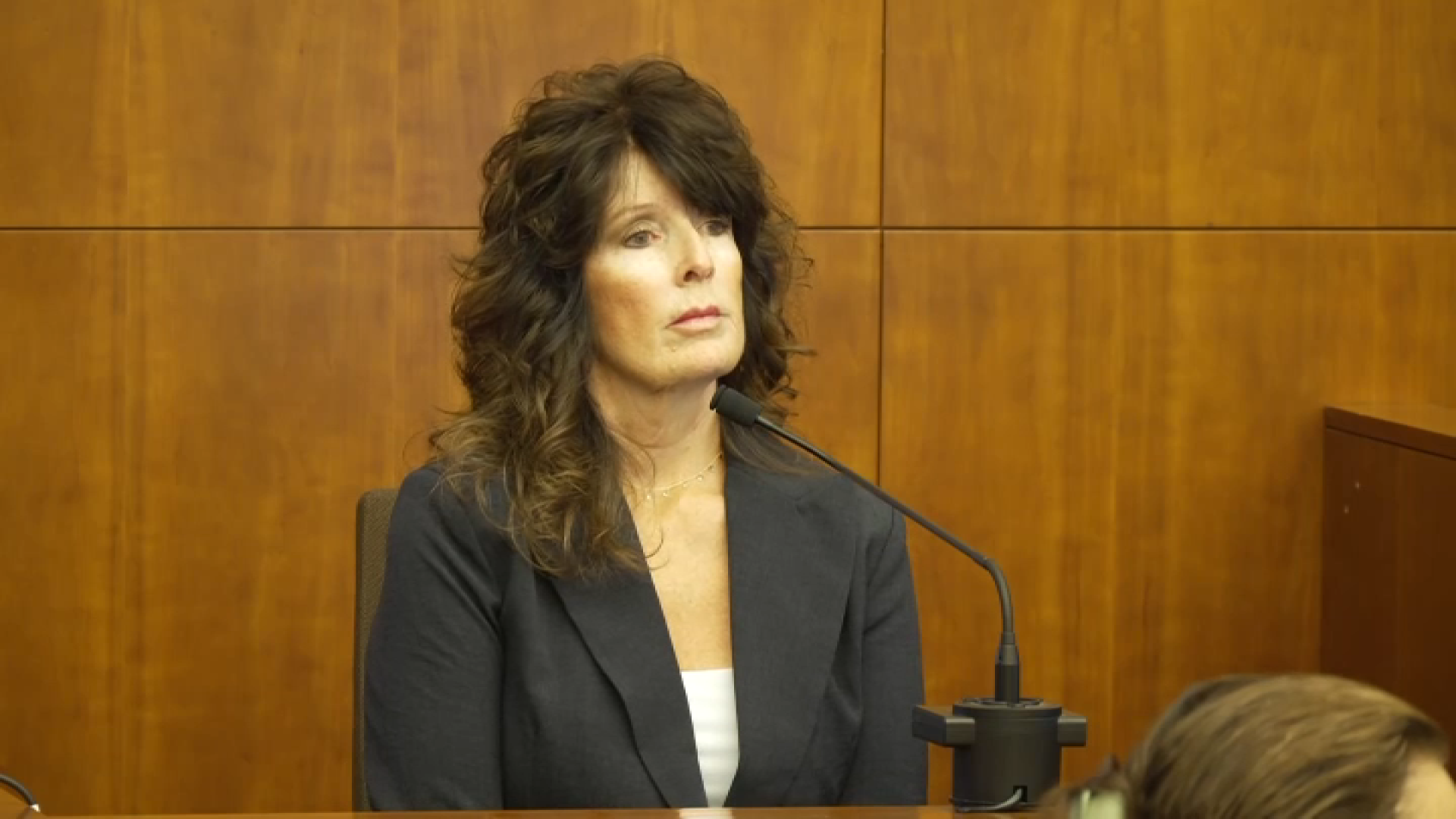
Rossi also testified that Lindsay had spoken to her about struggling after the birth of Callan. According to Rossi, Clancy told her she was experiencing postpartum difficulties and was seeing doctors for treatment. She also spoke about having trouble sleeping and told Rossi that she had been sleeping in the basement. Rossi recalled seeing prescription medication in the family’s home and said Lindsay explained that she planned to stop breastfeeding Callan because she was preparing to begin another medication.
Those details are particularly significant because the defense has made Lindsay Clancy’s mental state the central issue of the trial. Her attorneys argue that she was suffering from severe postpartum psychosis and other psychiatric problems at the time of the killings and therefore should not be considered criminally responsible for what happened.

But Rossi said that, despite what Lindsay told her about postpartum difficulties, she did not notice a dramatic change in Lindsay’s behavior while she was working in the home. She said she never became concerned for the children’s safety and never believed Lindsay was likely to hurt them. When defense attorney Kevin Reddington asked her about her observations of Lindsay as a mother, Rossi described her as loving, attentive and strongly concerned about the children’s well-being.
The testimony was visibly difficult for Lindsay Clancy. During the proceedings, she cried as jurors watched a video Rossi had recorded of baby Callan drinking from a bottle. The video had originally been sent to Lindsay while Rossi was caring for the baby. The moment brought an intensely personal element to a trial that has increasingly focused on medical records, psychiatric treatment, forensic evidence and the events leading up to the deaths.
Rossi’s testimony does not mean that Lindsay’s mental health struggles were insignificant. In fact, her account provided additional evidence that Clancy had been experiencing difficulties before the killings. Rossi recalled conversations about postpartum problems, sleep deprivation and medication. Other witnesses have described additional symptoms and treatment that became increasingly important as the trial progressed.
The prosecution and defense, however, interpret that history very differently.
The defense argues that Clancy’s condition deteriorated to the point that she experienced postpartum psychosis, a severe psychiatric disorder that can cause a person to lose touch with reality. Her attorneys have also argued that she had an underlying bipolar disorder and that the combination of psychiatric symptoms and multiple medications contributed to a catastrophic breakdown in her mental state.
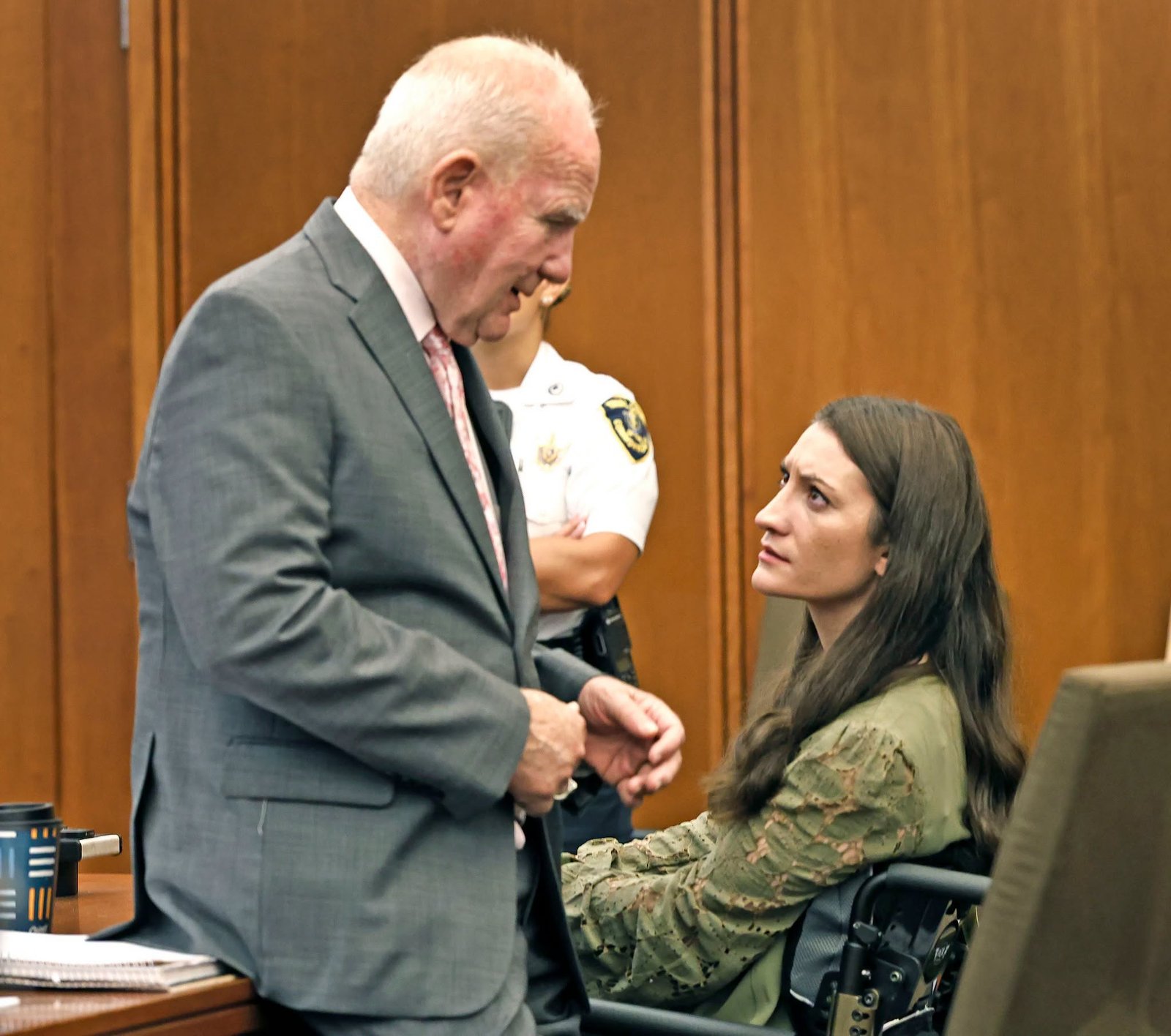
Prosecutors dispute that interpretation. They argue that Clancy understood what she was doing and should be held legally responsible for the deaths of her children. The prosecution’s case has included evidence concerning her actions before the killings, her medical treatment, her internet activity and other information that prosecutors say demonstrates awareness and planning rather than an uncontrollable psychotic episode.
The medical and forensic evidence presented during the trial has added another layer to that dispute. A forensic toxicologist testified that the levels of several drugs detected in Clancy’s system were consistent with therapeutic concentrations and not what he described as a typical suicidal overdose. However, the witness also acknowledged during questioning that drug concentrations alone cannot explain everything about a person’s mental state or determine exactly what was happening psychologically at a particular moment.
That distinction is important to the defense because Clancy’s attorneys are not simply arguing that medication was present in her body. They are attempting to show how her treatment, symptoms, sleep deprivation and psychiatric history interacted during the period leading up to January 24, 2023.
The prosecution, meanwhile, has continued presenting evidence intended to show that Clancy’s actions were deliberate. The case centers on the deaths of her three children at the family’s Duxbury home. Clancy has admitted that she killed the children, but the legal question before the jury is whether she was criminally responsible for those actions.
That distinction could ultimately determine whether she spends the rest of her life in prison or is committed to a psychiatric facility under Massachusetts law.
The nanny’s testimony is therefore significant not because it resolves that question, but because it provides a firsthand account of what Lindsay appeared like to someone who spent time inside the family home shortly before the tragedy.
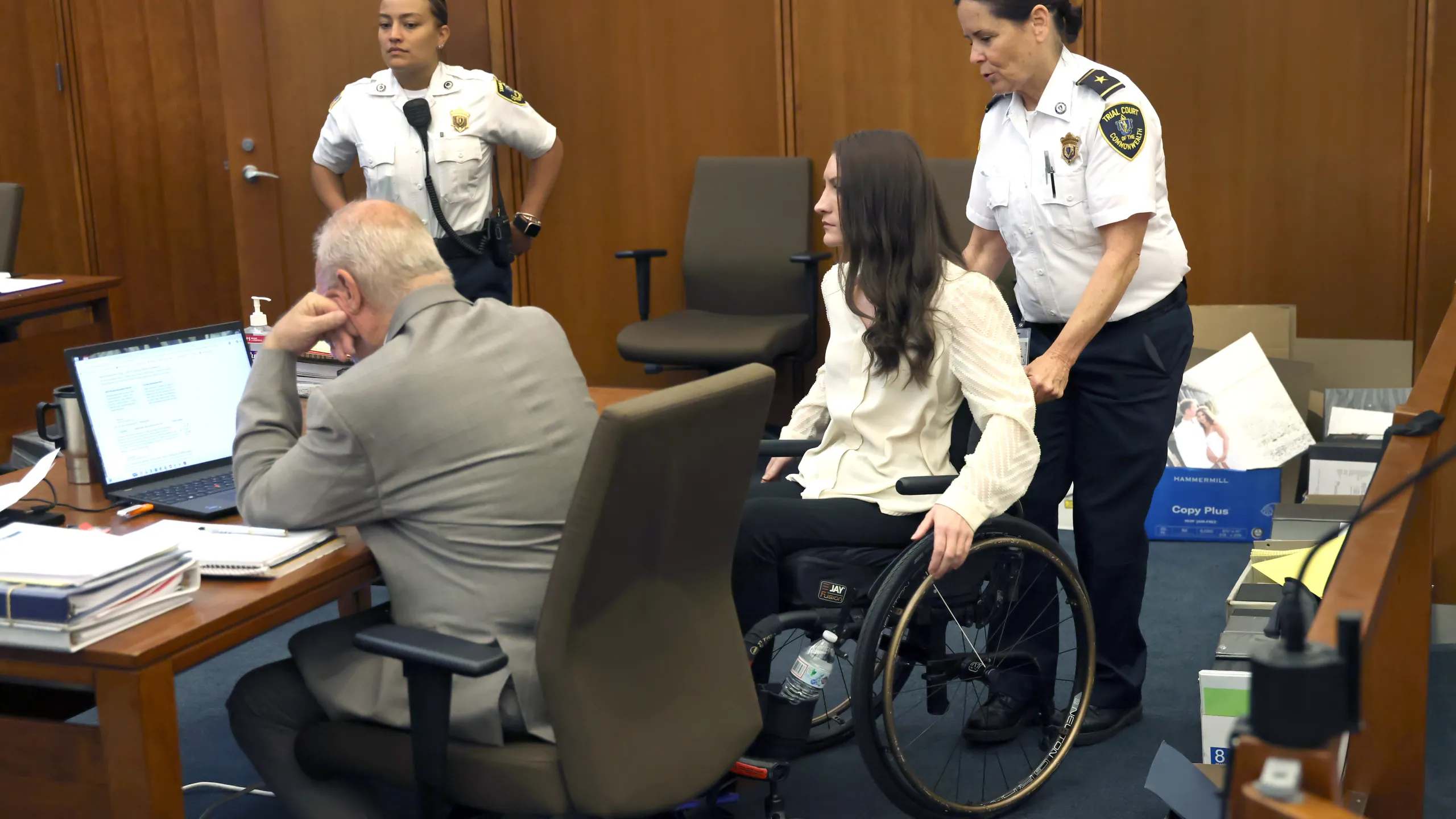
Rossi did not describe a mother who appeared openly dangerous. She described someone who was attentive to the children’s schedules, concerned about Callan’s feeding and sleeping, and involved in the everyday details of caring for Cora, Dawson and Callan. She also said she never felt that Lindsay was excessively controlling when giving instructions about the children’s food or care.
That testimony presents a difficult contradiction at the heart of the trial: how could someone who appeared to be a devoted and protective parent later be accused of killing the very children she had seemed so concerned about?
The defense is asking jurors to consider whether a profound psychiatric deterioration can explain that transformation. The prosecution is asking them to consider whether Clancy’s behavior was instead the result of conscious decisions for which she should be held responsible.

The testimony of Rossi also illustrates why the prosecution and defense have spent so much time examining Clancy’s mental health in the months before January 2023. The people around her may have seen individual warning signs without understanding their significance. A person can struggle with depression, anxiety, insomnia or postpartum difficulties without becoming violent. And the fact that Rossi did not see a threat does not establish what Clancy’s internal mental state was at the time.
That question has become increasingly important as more medical professionals and mental health witnesses have appeared before the jury.
In the days following Rossi’s testimony, the trial continued to examine Clancy’s psychiatric history and treatment. Witnesses have discussed her medications, her reports of emotional distress and her interactions with medical professionals. Some healthcare providers testified that they did not observe signs of psychosis or suicidal intent during their treatment of her, while defense questioning has focused on whether doctors had a complete picture of all the medications she was taking and how rapidly those medications were being changed.
The trial has also brought forward evidence concerning Clancy’s thoughts and behavior before the deaths. More recent testimony has included discussion of internet searches, personal writings and statements reflecting anxiety, feelings of inadequacy as a parent and emotional distress. The defense has sought to use those materials to demonstrate a deteriorating psychiatric condition, while prosecutors have emphasized evidence they say points toward awareness and intentional conduct.
As of August 15, the trial remains ongoing.
The proceedings have become increasingly emotional as jurors hear from people who knew Lindsay before the deaths as well as medical and forensic witnesses examining what happened afterward. The court has also heard testimony concerning the children’s deaths and evidence recovered from the home.
For the Clancy family and the families of the three children, the proceedings are inevitably about more than a legal argument over mental illness. They are about three young lives that ended in January 2023 and a mother whose actions have become the subject of an extraordinary legal and psychiatric examination.
The former nanny’s testimony adds another piece to that complicated picture. Rossi knew Lindsay before the tragedy, when the family was still living what appeared from the outside to be an ordinary life. She saw a mother caring for her children, preparing for the birth of routines around a new baby and discussing her own struggles after childbirth. She did not see the outcome that would later become the center of a murder trial.
That does not determine Lindsay Clancy’s legal responsibility. It does, however, help explain why the question of her mental state has become so difficult.
The prosecution must persuade jurors that Clancy should be held criminally responsible for the deaths. The defense must persuade them that her psychiatric condition was severe enough to make her legally not responsible for her actions.
And the jury must ultimately decide between those competing interpretations based on the evidence presented in court.
The testimony from Elaine Rossi is unlikely to provide the final answer. But it may remain one of the most memorable accounts of the trial because it captured the enormous gap between the mother the nanny remembered and the devastating events that followed.
Before January 2023, Rossi said she saw a mother who loved her children and cared deeply about their safety.
Now, more than three years later, a jury is being asked to determine what happened inside that mother’s mind when everything changed.
The answer will determine not only Lindsay Clancy’s future, but also how the court ultimately understands one of the most tragic and closely watched criminal cases in Massachusetts.