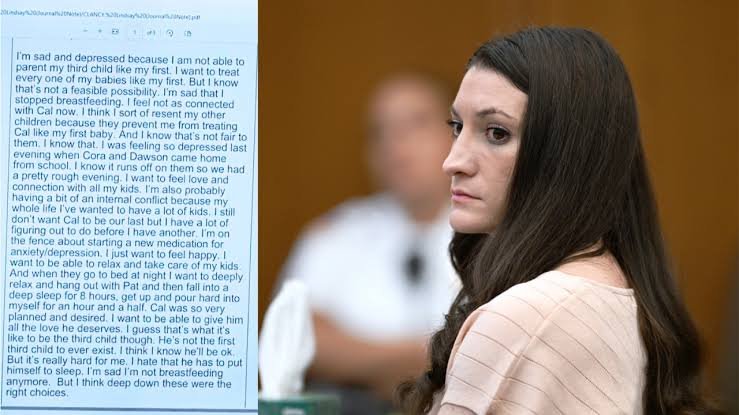
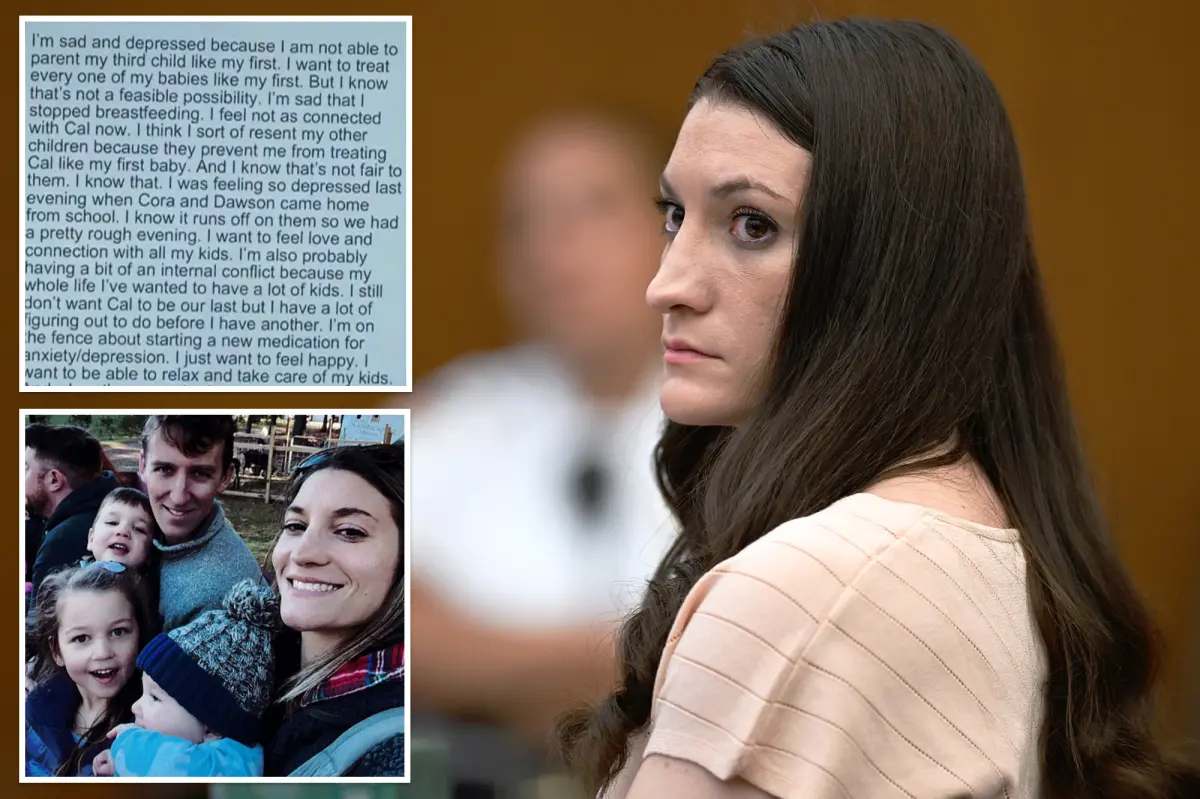
A deeply personal note recovered from Lindsay Clancy’s phone has given jurors a new glimpse into the emotional turmoil she was experiencing in the months before the deaths of her three young children, adding another complicated layer to a murder trial centered on one of the most difficult questions in the case: what was happening inside Clancy’s mind before the tragedy?
The note, written in November 2022, was presented in court as prosecutors continued introducing digital evidence from the period leading up to January 24, 2023, when Clancy’s children — 5-year-old Cora, 3-year-old Dawson and 8-month-old Callan — were killed inside the family’s home in Duxbury, Massachusetts. Clancy has pleaded not guilty and is seeking a verdict of not criminally responsible because of mental illness. Her defense maintains that she was suffering from severe postpartum psychosis and other psychiatric problems that dramatically affected her ability to understand reality and control her actions.
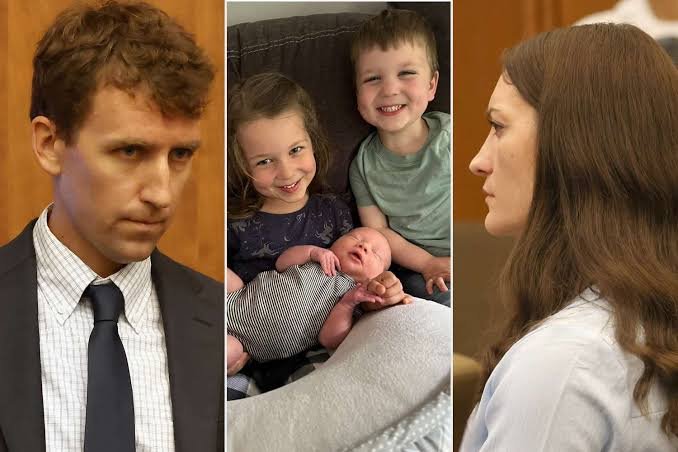
The newly revealed writing offers an unusually intimate look at how Clancy described herself as a mother during a period when she was already struggling with depression, anxiety, postpartum difficulties and profound sleep deprivation. In the note, Clancy wrote about wanting another child despite the difficulties she was experiencing. She expressed a desire for a fourth baby while simultaneously describing feelings of guilt and inadequacy surrounding the care of her youngest child, Callan.
According to testimony presented at trial, Clancy felt that she was unable to give Callan the same level of attention and care that she had given her older children. She described difficulties surrounding breastfeeding, sleep training and bonding with the infant. Those problems appeared to weigh heavily on her emotionally, and she wrote about feeling guilty that her relationship with her youngest child did not resemble the relationships she had developed with Cora and Dawson.

The note also contained an especially painful admission about her feelings toward her older children. Clancy described experiencing resentment because she believed their needs were competing with Callan’s needs. Rather than presenting a simple picture of a mother who was detached from her children, the writing portrayed someone who appeared deeply distressed by her own perception that she could not be the parent she wanted to be.
That distinction is central to the defense’s case.
Clancy’s attorneys have argued that the evidence should be viewed within the context of a severe and worsening psychiatric illness. They contend that she developed postpartum psychosis after the birth of Callan and that her condition was complicated by an underlying bipolar disorder, extreme insomnia and medication issues. According to the defense, Clancy repeatedly sought professional help but continued to deteriorate despite treatment.

The prosecution has presented a different interpretation of the same period. Prosecutors acknowledge that Clancy experienced significant mental-health difficulties, but they argue that those problems do not explain away the deliberate actions they say preceded the children’s deaths. They have pointed to her behavior in the days and hours before January 24, 2023, as evidence that she was capable of planning, organizing and understanding what she was doing.
The newly disclosed note is therefore significant not because it establishes one side’s argument by itself, but because it gives jurors another piece of evidence with which to evaluate Clancy’s mental state.
The document was presented to the jury through testimony from Massachusetts State Police Trooper Timothy Chiappini, who analyzed information recovered from Clancy’s phone. Investigators have been examining her digital records extensively, including notes, internet searches, text messages and other activity that could shed light on her thoughts and behavior before the deaths.
Other evidence presented during the trial has shown that Clancy was searching online for information about mental-health conditions and medications. Her searches included subjects involving postpartum depression, psychosis, hallucinations and psychiatric drugs. Investigators have also testified about searches related to suicide methods and other disturbing subjects in the period before the killings.
One particularly significant search was made just days before the deaths, when Clancy’s phone was used to search whether a sociopath could be treated. Prosecutors have highlighted searches such as these as evidence that she was actively thinking about mental illness and potentially violent or self-destructive subjects before the tragedy.
The defense, however, argues that those searches can be interpreted very differently. Rather than demonstrating criminal planning, they say the searches show a woman desperately trying to understand frightening symptoms and thoughts that she was experiencing. Her attorneys contend that Clancy was increasingly concerned about her mental health and was looking for explanations for what was happening to her.

That disagreement is likely to remain one of the most important themes throughout the trial.
The case began on January 24, 2023, when emergency responders were called to the Clancy family’s Duxbury home. Patrick Clancy returned to the house after leaving to pick up food and medication and found Lindsay outside after she had attempted to take her own life. He then learned that the children were in the basement.
Cora, Dawson and Callan were found unresponsive. Prosecutors allege that Clancy strangled all three children using exercise bands before attempting suicide by jumping from a second-floor window. The children were later pronounced dead.
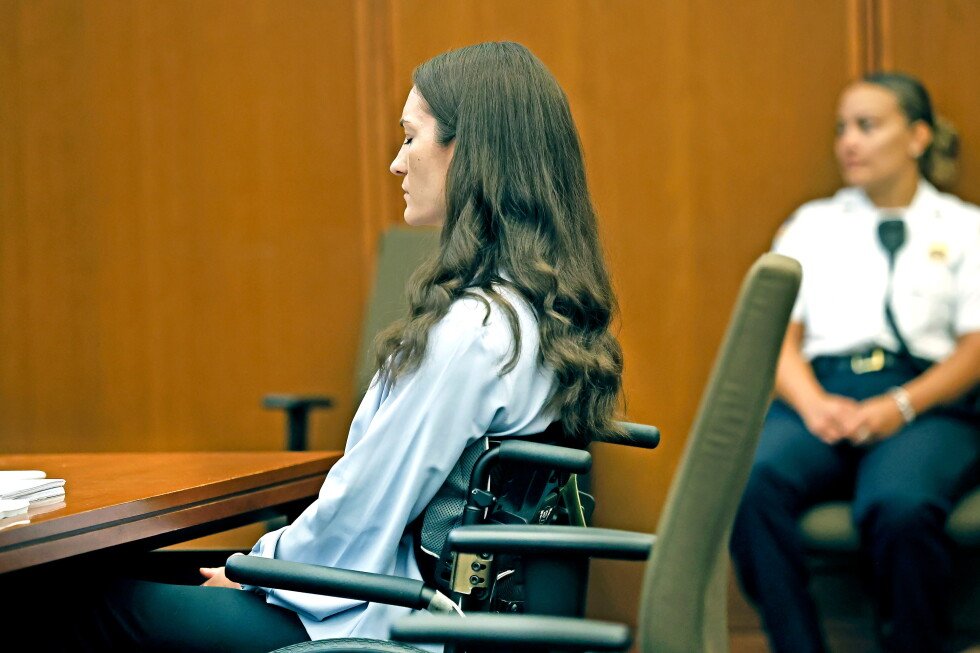
Clancy survived her suicide attempt but suffered catastrophic spinal injuries that left her paralyzed. She has remained in a wheelchair during the legal proceedings.
From the beginning, the case has raised questions about whether Clancy’s mental illness played a decisive role in what happened. Her defense has emphasized that she sought psychiatric treatment before the killings and was prescribed multiple medications as doctors attempted to manage her symptoms. Her attorneys have argued that the treatment she received failed to recognize the severity of her condition and that some medications may have worsened her psychiatric state.
The prosecution has countered that Clancy had access to medical care and that her conduct cannot simply be attributed to postpartum psychosis. Prosecutors have pointed to the sequence of events on the day of the killings, including the allegation that Clancy sent her husband out of the house before carrying out the attacks. They argue that this behavior indicates purposeful action rather than an individual who was completely disconnected from reality.
The trial has also heard from people who knew Clancy before the deaths, including a former nanny who described her as a loving and attentive mother. Elaine Rossi testified that she never saw behavior that caused her to believe Clancy was dangerous to her children. She remembered Clancy discussing postpartum struggles, insomnia and medical treatment, but said she did not interpret those disclosures as signs that the children were at risk.
That testimony has created an unusual contrast with the prosecution’s case. Jurors are being asked to reconcile accounts of Clancy as a caring mother who openly struggled with postpartum symptoms with evidence showing that, according to prosecutors, she later killed her children in a deliberate sequence of events.
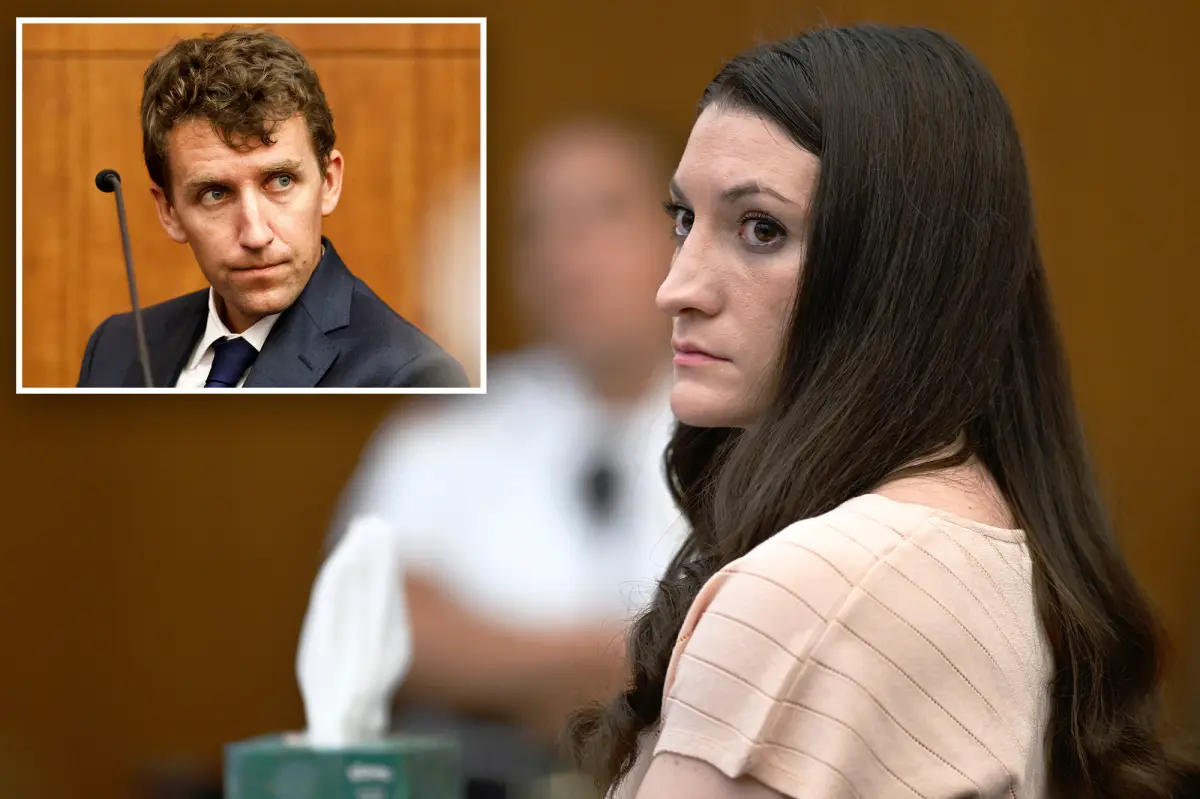
The emotional impact of the trial has intensified in recent days. Clancy has repeatedly broken down in court as jurors have heard graphic testimony about the deaths of her children and viewed medical evidence from the autopsies. During testimony concerning her youngest child, Callan, Clancy became overwhelmed and cried intensely, at one point saying she could not continue listening.
The courtroom scenes have underscored the extraordinary emotional weight of the proceedings. The trial is not simply examining what happened to three children; it is also examining whether the mother responsible for their deaths was experiencing a psychiatric crisis so severe that she could no longer distinguish reality or understand the wrongfulness of her actions.
That legal distinction is critical under Massachusetts law.
Clancy has not denied causing the deaths. Her defense instead relies on the argument that she was legally insane or not criminally responsible because of mental illness. If the jury accepts that argument, she would not simply walk free. She could instead be committed to a secure psychiatric facility for treatment and remain under state supervision.
If prosecutors prevail and Clancy is convicted of first-degree murder, she faces life imprisonment without the possibility of parole.
The private note about wanting another child is unlikely to answer the ultimate legal question on its own. People experiencing serious mental illness can have conflicting emotions, and a person’s ability to write coherently or express ordinary hopes does not necessarily establish that the person was mentally healthy. Likewise, feelings of depression, guilt or anxiety do not automatically prove that someone was legally incapable of understanding their actions.
That is why the jury is being presented with such a large collection of evidence.
Medical records, psychiatric treatment, medication history, phone data, internet searches, personal writings, text messages, witness testimony and the events immediately preceding the children’s deaths will all have to be considered together.
The note also illustrates how complicated the period before the tragedy may have been. Clancy was apparently struggling with the demands of caring for three young children while experiencing serious psychological symptoms and severe sleep disruption. At the same time, she was still expressing hopes for another child and describing the desire to become a better mother.
For the prosecution, those contradictions may be interpreted as evidence that she remained capable of rational thought and deliberate decision-making. For the defense, they may demonstrate the extent of the emotional conflict and psychiatric deterioration that preceded the killings.
The jury will ultimately have to decide which interpretation is supported by the evidence.
The latest testimony has also shifted attention toward Clancy’s online activity. Investigators have identified searches relating to psychosis, hallucinations, psychiatric medication, suicide and other subjects. Prosecutors have emphasized some of these searches as evidence of preparation or awareness, while the defense has argued that they reflect an individual searching for answers during a mental-health crisis.
The distinction between those interpretations is particularly important because internet searches can be highly ambiguous. A person can search for disturbing information because they are planning an action, because they fear that something is happening to them, because they are researching symptoms, or for a number of other reasons. The meaning of any particular search therefore depends heavily on the surrounding evidence and context.
As the trial continues, jurors are being asked to reconstruct that context one piece at a time.
The November note is one of those pieces.
It shows that months before the tragedy, Clancy was experiencing significant emotional distress and questioning her ability to care for her youngest child. It also shows that she still had hopes and desires that appeared ordinary, including the wish to have another baby. Those seemingly contradictory emotions are now part of the larger evidentiary picture the jury must consider.
The case remains deeply tragic regardless of the eventual legal outcome. Three children died inside their own home, and their father lost all three of them in a matter of hours. Clancy herself survived but was left permanently disabled and now faces the possibility of spending the rest of her life either in prison or in a secure psychiatric institution.
The central issue at trial is therefore not simply whether Clancy killed her children. Both sides acknowledge that she caused their deaths. The question is what was happening to her mind when she did it, whether she understood reality, and whether her psychiatric condition legally prevented her from understanding that her actions were wrong.
As additional evidence from her phone, medical history and personal writings is presented, jurors are gaining a more detailed picture of the months leading up to January 24, 2023. The newly revealed note provides a particularly intimate window into that period, showing a mother who described herself as overwhelmed, guilty and struggling to connect with her youngest child, even as she contemplated having another baby.
Whether that writing ultimately supports the defense’s argument about severe mental illness or the prosecution’s argument that Clancy remained capable of deliberate action will be for the jury to determine.
For now, the trial continues, with both sides using the same collection of personal records and digital evidence to tell dramatically different stories about what happened inside Lindsay Clancy’s mind before the deaths of her three children.