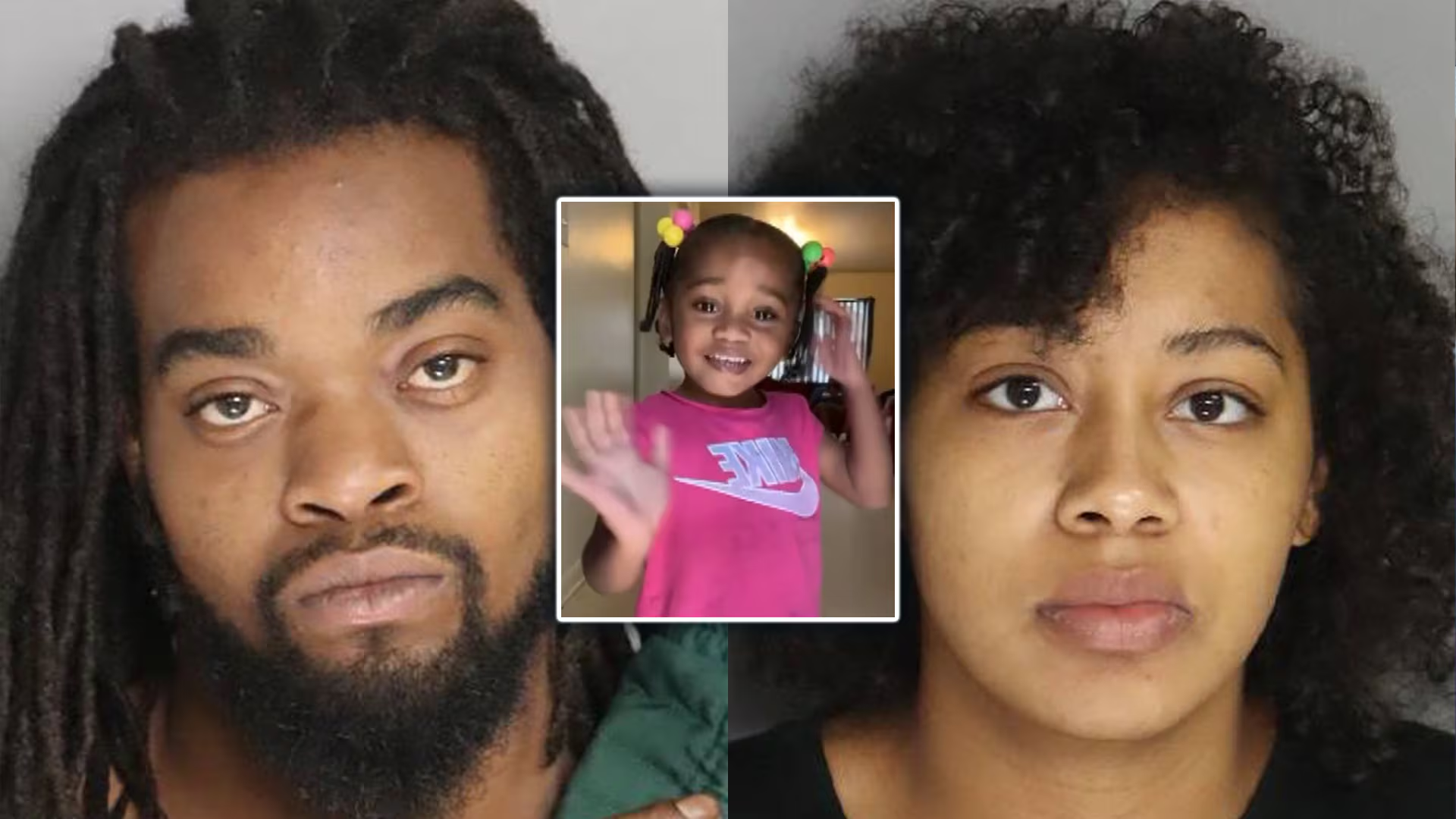
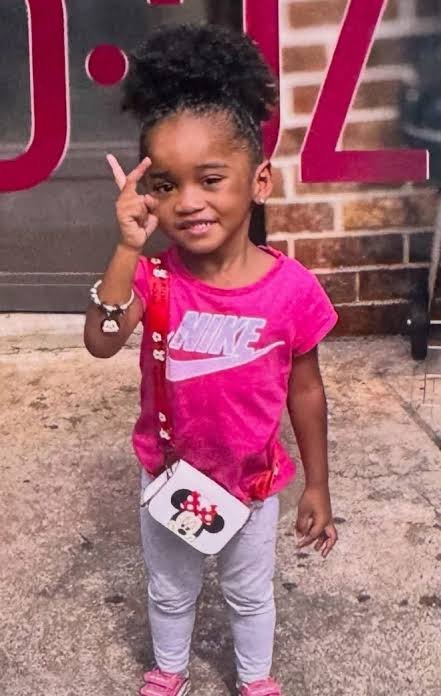
The investigation into the death of 4-year-old Javeayah Harris took a devastating turn in early July as investigators returned to the Aiken County home where the child had been reported missing, while a growing memorial outside the property reflected a community struggling to understand how the young girl’s life ended.
Javeayah was reported missing by her mother, Michilae Herring, on June 30, 2026. What initially appeared to be a missing-child emergency quickly developed into a homicide investigation. Within days, investigators said evidence indicated that Javeayah had already been dead for approximately a month before the 911 call reporting her disappearance. Her parents, Herring and Johmarea Harris, were subsequently arrested and charged with homicide by child abuse. Herring also faced a charge of filing a false police report.
The early search for Javeayah involved a massive response from law enforcement and volunteers. Multiple agencies participated in the effort, with investigators using helicopters, drones, search dogs and other resources while teams covered large areas of Aiken County and surrounding regions. The urgency of the search was heightened by the summer heat, as authorities worked to determine where the little girl could have gone and whether she could still be found alive.
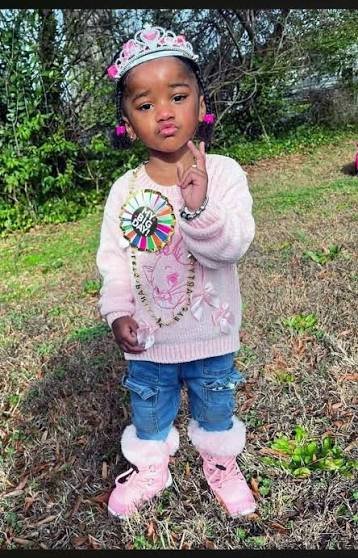
But investigators eventually reached the heartbreaking conclusion that Javeayah was no longer alive. According to authorities, evidence collected during the investigation indicated that her death had occurred weeks before her mother reported her missing. That finding fundamentally changed the nature of the case and shifted the investigation from a search for a missing child to an effort to determine exactly how she died, what happened afterward and where her remains had been taken.
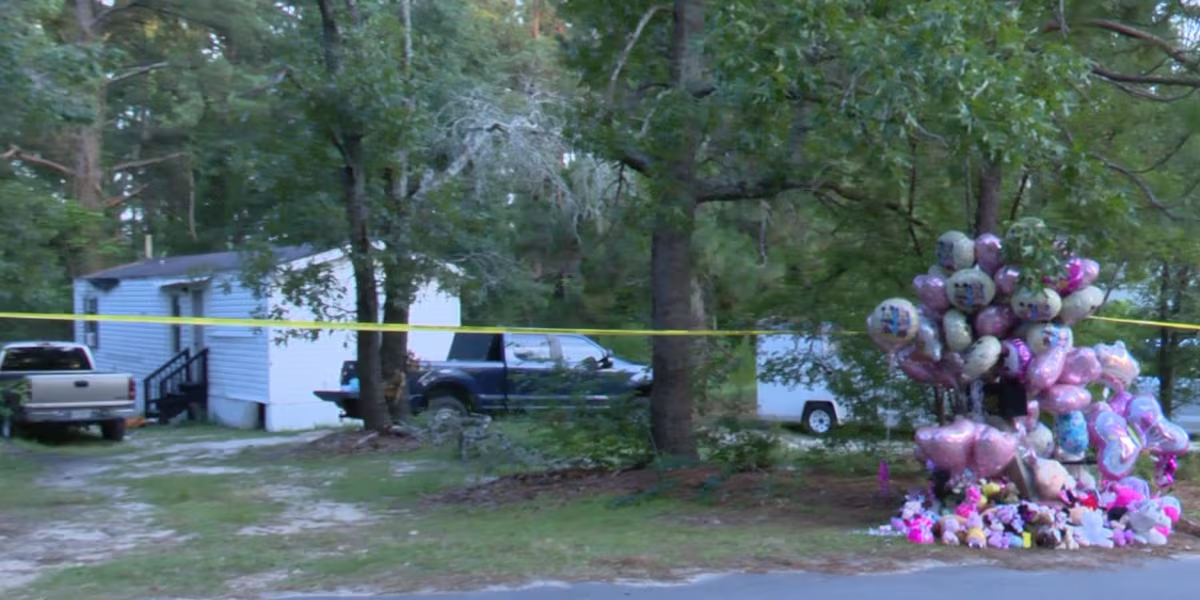
On July 7, investigators returned to Javeayah’s home on Hillsboro Street. Crime-scene tape was placed around the property as deputies and other personnel entered the residence and searched areas around the home. The Aiken County Coroner’s Office also accompanied investigators. Officials said the activity was primarily connected to evidence collection rather than the ongoing effort to locate Javeayah’s remains.
Investigators were seen examining the wooded area behind the home and documenting various items. The return to the property came as authorities were simultaneously continuing their search in a remote area near Debutary Creek along the Fairfield County line. The precise reasons investigators had focused on that location were not initially disclosed, reflecting the fact that the case remained active and authorities were withholding certain details while evidence was being processed.
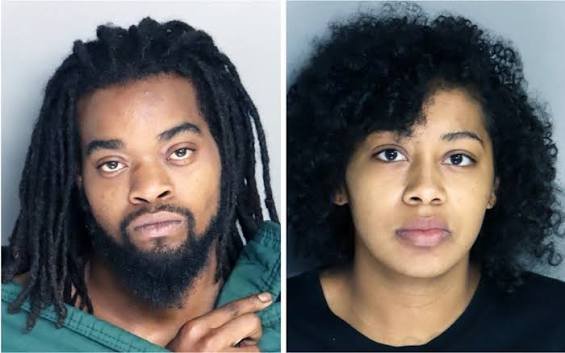
The investigation soon produced an even more disturbing development.
According to arrest warrants, both of Javeayah’s parents made statements to investigators acknowledging their involvement in circumstances surrounding the child’s death. Authorities alleged that Javeayah suffered an injury during an incident of abuse and that medical treatment was not sought afterward. Investigators said the alleged abuse occurred sometime between May 1 and June 15. The warrants further alleged that the parents failed to obtain medical assistance despite knowing that Javeayah had been seriously injured.
Authorities have alleged that the circumstances surrounding Javeayah’s death amounted to homicide by child abuse. Under South Carolina law, the charge can apply when a child’s death results from abuse or criminal neglect under circumstances demonstrating an extreme indifference to human life. The accusations remain allegations unless and until established in court. Both defendants are entitled to the presumption of innocence throughout the legal process.
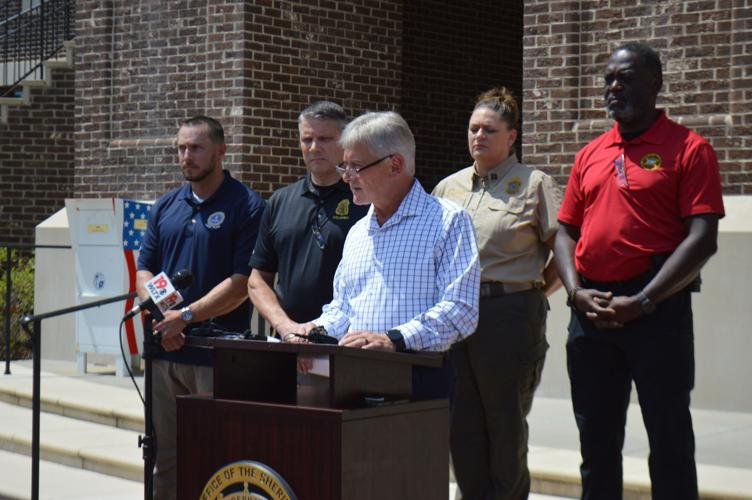
The search then expanded into Fairfield County, where law enforcement identified an area of interest near Cedar Creek Reservoir, also known as Stumpy Pond. Boats and other resources were deployed as investigators searched the water and surrounding areas for evidence and for Javeayah’s remains. The search involved the South Carolina Law Enforcement Division and the South Carolina Department of Natural Resources, among other agencies.
For several days, investigators worked without publicly confirming what they expected to find. The operation was difficult because of the size and remote nature of the area. Eventually, however, authorities announced that human remains had been recovered from the reservoir.
On July 9, Aiken County Sheriff Marty Sawyer confirmed that some of the remains were consistent with Javeayah’s identity based on DNA analysis. Investigators said the recovered remains were consistent with the biological child of Johmarea Harris and Michilae Herring, providing forensic confirmation that the remains belonged to their daughter.
The sheriff also revealed disturbing allegations about what investigators believe happened after Javeayah’s death. Authorities said extensive efforts were allegedly made to destroy and conceal evidence. According to the sheriff, corrosive chemicals and other tools were used in an attempt to accelerate the destruction of the child’s remains before what was left was allegedly taken to Cedar Creek Reservoir.
Investigators recovered only a portion of the remains. Sheriff Sawyer said authorities believed it was unlikely that Javeayah’s entire body would ever be recovered because of the alleged efforts to destroy and conceal the remains. That meant that even after the discovery in the reservoir, the family and investigators were left facing another painful reality: they might never be able to recover all of Javeayah.
The discovery led to additional charges against both parents involving the alleged destruction and desecration of human remains. Those charges were added to the homicide-by-child-abuse allegations that had already been filed. Herring also continued to face the false-report charge related to the June 30 911 call.
The 911 call became an important part of the investigation because it was the moment authorities were initially told that Javeayah had disappeared. Herring reported that she could not find her daughter and said the child had been outside playing. Investigators later developed evidence leading them to conclude that Javeayah had been dead for weeks before that call was made.
The contrast between the original missing-person report and the evidence investigators later described has made the case especially disturbing for the Aiken County community. What began as an urgent effort to locate a missing 4-year-old ultimately became a homicide investigation involving the child’s own parents.
Even as investigators worked through the evidence, the community responded in another way: by remembering Javeayah.
Outside her home, neighbors and strangers began building an impromptu memorial. Balloons, stuffed animals, flowers and other items were placed around the property. Minnie Mouse-themed items were especially prominent, reflecting the fact that Javeayah was only four years old. The memorial continued growing as residents came to pay their respects and leave something behind for a child many of them had never personally met.
For many people in Aiken, the tragedy was difficult to comprehend. Community members described the case as heartbreaking and said the young girl deserved to be remembered and loved despite the circumstances surrounding her death. Neighbors spoke about wanting Javeayah’s memorial to communicate something that they believed she should have experienced throughout her life: that she mattered and that people cared about her.
Hundreds later gathered for a candlelight vigil in Aiken following the confirmation that human remains had been recovered. Candles, stuffed animals and balloons filled the area as residents came together to mourn the little girl. The gathering was not simply a response to the discovery of her remains; it was also an expression of grief over the loss of a child whose disappearance had shaken the community for days.
The investigation has also raised questions about the family’s history before Javeayah was reported missing. Authorities and journalists have examined previous interactions involving the family, including a November 2025 incident in Clinton, South Carolina, where police were called to an apartment following a reported argument between Javeayah’s parents. That incident is part of the broader timeline being examined, although the existence of a prior police call alone does not establish a connection to Javeayah’s death.
Investigators are now working to reconstruct the complete timeline leading up to Javeayah’s death and the events that followed. That process can involve interviews, forensic evidence, cellphone information, location data, statements made by the suspects and other evidence capable of confirming or contradicting individual accounts. A former prosecutor interviewed by WIS explained that investigators can compare statements with objective information such as cellphone-location records to establish whether particular parts of a timeline are supported by independent evidence.
The case also demonstrates why authorities continued returning to the family home even after the search had expanded elsewhere. Evidence collection at a crime scene can continue long after an initial search has taken place. Investigators may return when new information changes their understanding of what happened, when forensic specialists need to examine an area more closely, or when authorities believe additional evidence may still be present.
For Javeayah’s loved ones, however, the investigation has already brought an unbearable answer to the question that initially brought the community together: she is not coming home alive.
What remains is the search for complete accountability and a fuller understanding of what happened.
Authorities have indicated that the evidence gathered so far supports the charges against Javeayah’s parents, but the criminal case must still proceed through the courts. The allegations contained in arrest warrants and statements from law enforcement are not substitutes for a trial, and the defendants remain entitled to due process and the presumption of innocence unless proven guilty.
The recovery of Javeayah’s partial remains nevertheless represents a major milestone in the investigation. It gives authorities forensic evidence that was previously unavailable and provides the family with confirmation of what happened to the child, even though investigators believe a complete recovery may not be possible.
The community memorial has therefore taken on an even deeper meaning. What began as a gathering point during the search for a missing child has become a place where people mourn a little girl whose life ended long before the public knew she was missing.
The balloons and stuffed animals outside her former home now stand in contrast to the crime-scene investigation that once surrounded the property. They represent a community trying to give Javeayah a measure of dignity and remembrance after authorities said she was allegedly subjected to abuse and her remains were deliberately concealed.
As the legal proceedings move forward, investigators will continue working to document the evidence, establish the timeline and determine whether additional information could shed light on every stage of the case. The circumstances surrounding Javeayah’s death are now the subject of a criminal prosecution, while the community continues to grieve.
Javeayah Harris was only four years old.
For the people who gathered outside her home, left flowers and toys, lit candles and said her name, the memorial is a way of ensuring that the little girl is remembered not simply as the subject of a criminal investigation, but as a child whose life had value.
And as the case continues through the courts, that growing memorial remains a visible reminder of the question that first brought an entire community together: a little girl was missing, and people wanted her home.
Now, they want justice for Javeayah.