
The legal battle surrounding Karmelo Anthony has entered a new and potentially decisive stage after newly disclosed court documents revealed that his original defense team and prosecutors reached an informal agreement before his murder trial that restricted both sides from presenting certain potentially prejudicial information to the jury.
The agreement, described by Anthony’s former lead attorney as a “gentleman’s agreement,” has now become an important part of the former high school athlete’s effort to obtain a new trial. Anthony was convicted of murdering 17-year-old Austin Metcalf following a confrontation at a high school track meet in Frisco, Texas, and was later sentenced to 35 years in prison. His new legal team argues that several decisions made during the original proceedings, including the handling of the agreement and Anthony’s decision not to testify, contributed to an unfair trial.
The newly surfaced court documents provide a more detailed look at the strategy that was adopted by Anthony’s original lawyers before the jury heard the case. According to the filings, both sides agreed to largely keep the trial focused on the April 2025 confrontation itself rather than introducing extensive evidence about the personal histories, family circumstances or past behavior of Anthony and the Metcalf family.
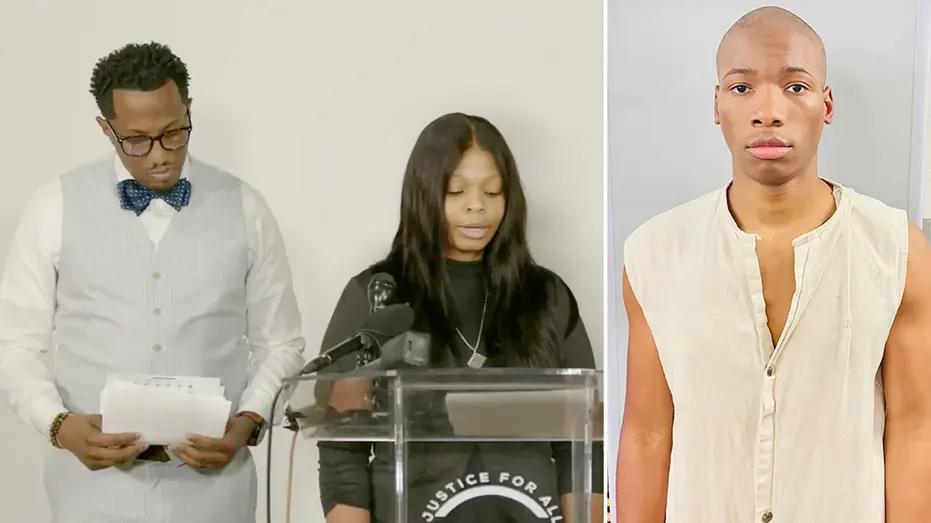
The arrangement was designed to prevent the proceedings from becoming a battle over the character of the two teenagers. Under the agreement, prosecutors would not introduce certain potentially damaging information about Anthony, while the defense would likewise refrain from presenting potentially favorable but inflammatory information about Austin Metcalf and his twin brother, Hunter.
The defense has argued that the agreement became particularly significant when Anthony was considering whether to testify in his own defense. His attorneys have claimed that prosecutors later took the position that the agreement did not necessarily prevent them from questioning Anthony about certain matters if he chose to take the witness stand. According to the defense, that change in interpretation affected Anthony’s decision and ultimately kept him from personally explaining his version of events to the jury.
That allegation is now central to the effort to overturn the conviction.
Anthony’s new attorneys are asking the court to grant a new trial and have also challenged the conduct of Collin County District Judge John Roach, who presided over the original proceedings. The defense has argued that comments and decisions by the judge created concerns about impartiality and that Anthony did not receive the fair and open judicial process guaranteed by law.

The legal challenge comes only weeks after Anthony was found guilty.
The case began on April 2, 2025, when Anthony and Austin Metcalf were attending a high school track meet in Frisco. A weather delay forced students and athletes from different schools to gather beneath tents near the track. During the disruption, Anthony, who attended Centennial High School, was at an area associated with students from Memorial High School, where Metcalf attended.
A confrontation followed.
According to prosecutors, the dispute began after Anthony was asked to leave the area. The prosecution argued during the trial that Anthony escalated the encounter and ultimately used a knife to fatally stab Metcalf in the chest. Metcalf died shortly afterward.
Anthony never denied that he stabbed Metcalf. His defense, however, maintained that the stabbing occurred in self-defense.

That distinction became the central issue at trial.
Prosecutors presented witnesses who described the confrontation as an escalation in which Anthony had opportunities to leave. The state argued that he deliberately remained involved in the dispute and used a knife against Metcalf, who was unarmed.
The defense presented a different interpretation, arguing that Anthony believed he was in danger and reacted to a physical confrontation. His attorneys sought to establish that his use of deadly force was connected to his perception that he was being threatened.
The jury ultimately rejected the self-defense argument and convicted Anthony of murder.
He was subsequently sentenced to 35 years in prison.
The verdict brought an end to the trial but did not end the legal dispute. Anthony’s new attorneys soon began examining the record and raising questions about the way the defense was conducted.
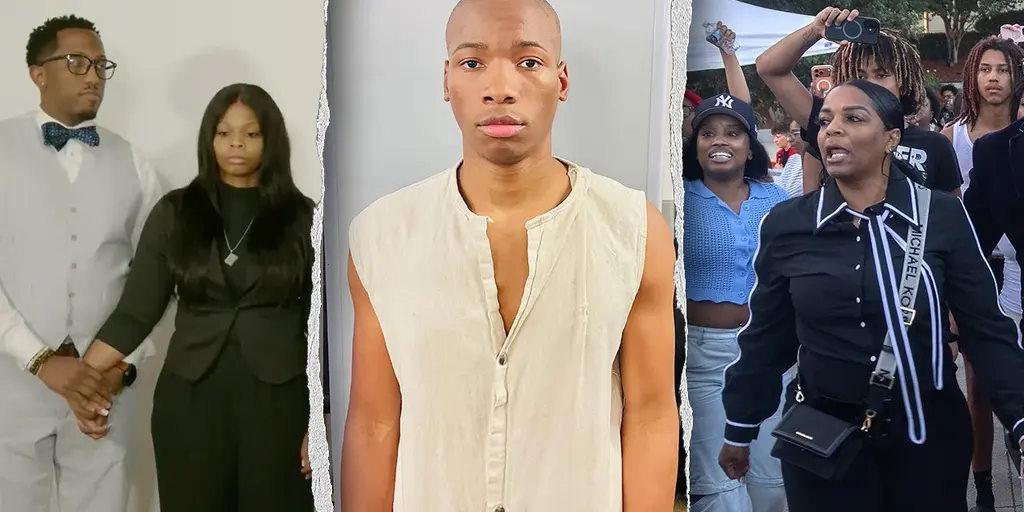
One of their principal arguments concerns the agreement between the prosecution and the defense.
According to court documents, the two sides agreed that they would not use extensive character evidence against one another. The defense agreed not to introduce information portraying the Metcalf twins as bullies or racist, while prosecutors agreed not to present certain evidence about Anthony’s background, including information relating to school discipline and other personal matters.
The defense also agreed not to introduce evidence concerning Anthony’s exposure to domestic violence in his family.
The apparent purpose was to prevent the jury from deciding the case based on emotion or unrelated personal history.
Such agreements are not unusual in criminal litigation. Attorneys frequently negotiate evidentiary boundaries before trial in an effort to keep jurors focused on the legally relevant facts. What makes this agreement particularly important now is the defense’s contention that the understanding later became unclear when Anthony was considering taking the witness stand.
Anthony’s original lawyers have described the agreement as an understanding reached in good faith. Prosecutors, however, have disputed aspects of the defense’s characterization of what happened and how the agreement was understood.

That disagreement could become important if a judge is asked to determine whether the alleged misunderstanding actually affected Anthony’s constitutional rights.
The question of whether Anthony should have testified is particularly significant because the jury never heard directly from him about what he believed was happening at the moment of the stabbing.
A defendant generally has the right to testify in his own defense, but also has the right to remain silent. The decision is ultimately the defendant’s. Anthony’s new attorneys argue that the circumstances surrounding his decision not to testify should be examined more closely because of the dispute over what prosecutors might have been permitted to ask him.
The prosecution’s response is expected to focus on whether the agreement actually prevented Anthony from testifying and whether any alleged misunderstanding was substantial enough to justify overturning a jury verdict.
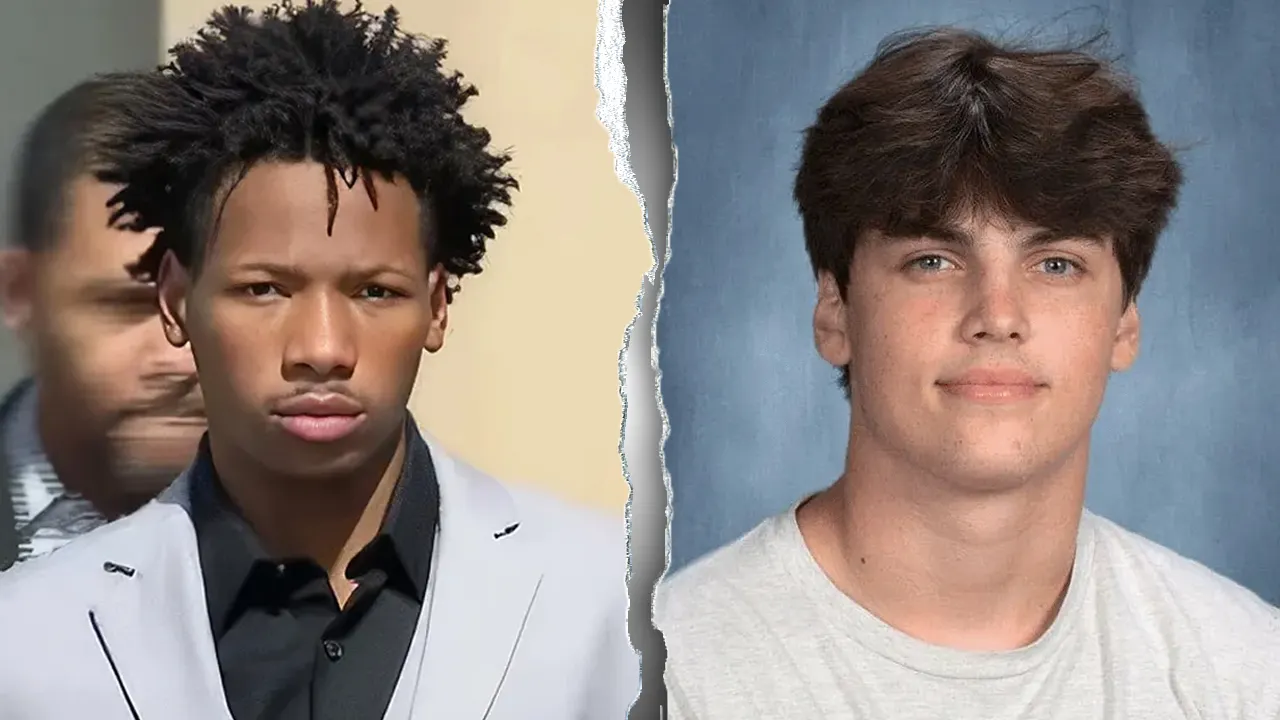
The issue is further complicated by the fact that the original trial included extensive testimony from students, coaches, police officers and other witnesses who were present at the track meet. Jurors also heard evidence concerning the moments before and after the stabbing.
The state argued that the evidence established that Anthony intentionally killed Metcalf and that the circumstances did not support a legally justified use of deadly force.
The defense attempted to show that Anthony’s actions were a reaction to an immediate threat.
After hearing the evidence, the jury reached its verdict in June.
Anthony was convicted and sentenced to 35 years in prison. Because he was 17 at the time of the killing, the sentence was subject to the limitations applicable to juvenile offenders under Texas law. The case therefore became not only a highly publicized murder prosecution but also an important example of how Texas courts handle serious offenses committed by defendants who were minors at the time.
The case attracted national attention from the beginning, with discussions about self-defense, race, school violence and the treatment of young defendants dominating public debate.
Anthony is Black, while Metcalf was white, and the case generated intense commentary online and in the media. However, race was not presented by prosecutors as the motive for the killing, and the trial itself centered primarily on the confrontation, the stabbing and Anthony’s self-defense claim.
The intense public interest also created challenges for the court.
Judge John Roach previously imposed restrictions on public discussion of the case, and Anthony’s new attorneys have argued that some of the court’s decisions improperly limited public access to the proceedings. Their request for the judge’s recusal adds another layer to the post-conviction litigation.
A hearing has been scheduled in August to address the defense’s requests. The timing is critical because Texas law imposes a deadline for filing and resolving a motion for a new trial after sentencing.
According to recent reporting, the court must act on the relevant post-sentencing matters by August 24. Anthony’s legal team is therefore working under a narrow timetable as it attempts to persuade the court that the original proceedings were sufficiently flawed to justify another trial.
The upcoming hearing could determine whether the case proceeds toward a new trial request or whether Anthony’s conviction remains intact while his attorneys pursue further appellate remedies.
For Austin Metcalf’s family, the developments represent another painful chapter in a case that began with the death of a teenager at a high school athletic event.
Metcalf was 17 when he died. His family attended the trial and heard witnesses describe the confrontation that ended his life. His twin brother Hunter was also closely connected to the case and became part of the broader discussion surrounding the events at the track meet.
The defense’s decision not to introduce certain character allegations concerning the Metcalf twins was part of the pretrial understanding that has now become public.
The prosecution, meanwhile, secured a murder conviction after arguing that the evidence showed Anthony was responsible for the fatal stabbing.
The new legal challenge does not erase that verdict. A conviction remains valid unless a court overturns it or grants a new trial. Anthony’s current attorneys therefore face a significant burden: they must persuade the court that the alleged errors were serious enough to have affected the fairness or outcome of the proceedings.
The revelation of the “gentleman’s agreement” is important because it provides a new window into what happened behind the scenes before the jury ever heard the case. Trial strategy is often shaped by decisions about what evidence to introduce and what information to leave out. In Anthony’s case, the agreement appears to have influenced both sides’ approach to character evidence.
The defense now argues that the arrangement became problematic because it was not reduced to a formal written agreement that clearly explained every circumstance under which the restrictions would apply.
That dispute illustrates why informal agreements can become complicated in high-stakes criminal trials. What one side believes was agreed upon may not always be interpreted identically by the other side, particularly when an unexpected issue arises during proceedings.
For Anthony, the most important question now is whether that disagreement had a meaningful effect on his ability to defend himself.
If the court rejects the new-trial request, Anthony will remain convicted of murder and face the 35-year sentence imposed after the jury’s verdict. His attorneys could then continue pursuing relief through the appellate courts.
If the court grants a new trial, the case would return to an earlier stage and prosecutors would have to decide how to proceed with the murder charge under the new circumstances.
For now, however, neither outcome is guaranteed.
The upcoming proceedings will focus not on whether the public agrees with the verdict, but on whether the original trial complied with constitutional and procedural requirements. The court will have to evaluate the claims made by Anthony’s new lawyers, the response from prosecutors and the record created during the original proceedings.
The dispute over the pretrial agreement is therefore only one part of a much broader legal challenge.
Anthony’s defense is also questioning the judge’s conduct, restrictions placed on the proceedings and circumstances surrounding his decision not to testify. Prosecutors are expected to argue that the trial was conducted properly and that the jury’s verdict was supported by the evidence presented in court.
As the August hearing approaches, the case is once again moving into the spotlight.
What began with a deadly confrontation beneath a track-meet tent has now evolved into a complex post-conviction battle over evidence, trial strategy, judicial conduct and the constitutional rights of a convicted defendant.
Austin Metcalf’s death remains the central fact that brought the case to court. Karmelo Anthony remains convicted of murder. But whether that conviction will survive the latest legal challenge is now the question before the Texas courts.
The next stage will not be decided by social media speculation or public opinion. It will depend on what the court determines about the agreements made before trial, the decisions made by Anthony’s original defense team, the conduct of the proceedings and whether any alleged errors were serious enough to require a new trial.
With an August deadline approaching, Anthony’s new legal team is racing against the clock.
For both families, the next hearing represents another significant moment in a case that has already attracted extraordinary national attention. For Anthony, it could determine whether he receives another opportunity to present his defense before a jury. For the Metcalf family, it could reopen a legal battle they believed had reached a conclusion with the murder conviction.
The court will now have to decide whether the original trial should stand—or whether the controversy surrounding the proceedings is significant enough to begin the case again.