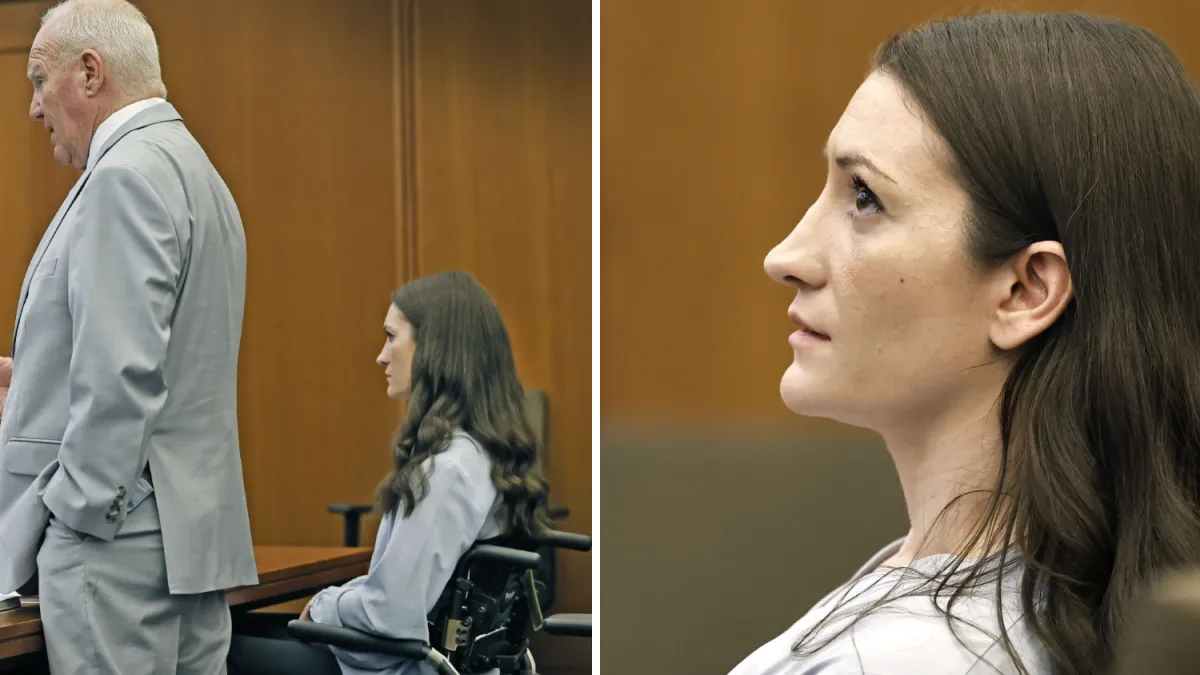
New details about Lindsay Clancy’s mental health struggles in the weeks before the deaths of her three young children have emerged in court, offering jurors a deeply troubling picture of a mother who repeatedly described feeling overwhelmed, frightened and emotionally unwell while seeking help from medical professionals.
The evidence has become a central part of Clancy’s ongoing murder trial in Massachusetts, where prosecutors and defense attorneys are presenting sharply different explanations for what happened inside the family’s Duxbury home on January 24, 2023. The prosecution argues that Clancy deliberately killed her children and later attempted to take her own life in an effort to conceal what she had done. Her defense does not dispute that she caused the deaths, but argues that she was experiencing severe postpartum psychosis and was therefore not criminally responsible for her actions.
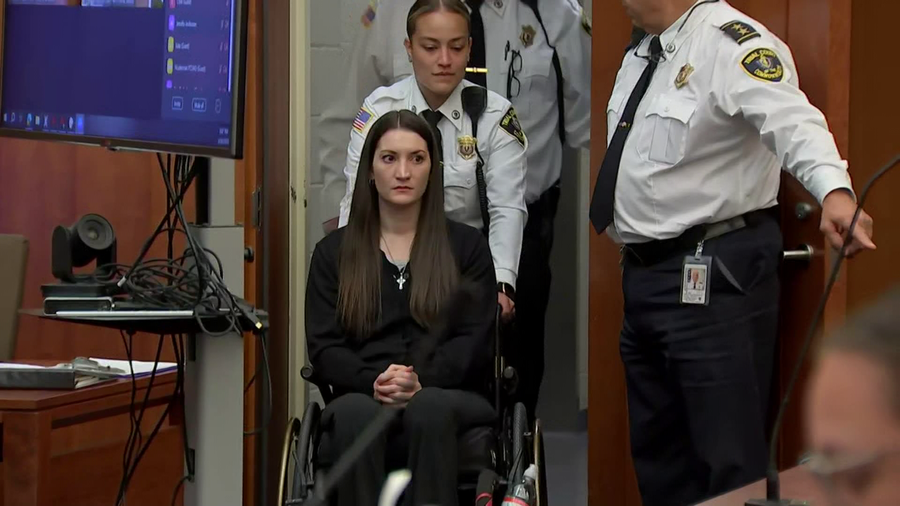
The latest testimony has focused heavily on communications between Clancy and nurse practitioner Rebecca Jollotta, one of the healthcare professionals involved in her treatment before the tragedy. Messages presented to jurors showed that Clancy had been experiencing serious psychological distress, including intrusive thoughts, anxiety, sleep problems and concerns about the medications she was taking.
In communications with Jollotta during late 2022 and early January 2023, Clancy described feeling increasingly unstable. She expressed concerns that she was becoming dependent on Ativan and reported experiencing troubling symptoms while doctors attempted to adjust her psychiatric medications. At different points, she described feeling emotionally numb and overwhelmed, while also expressing fears about what was happening to her mind.
The messages are particularly significant because they provide a contemporaneous record of Clancy’s condition rather than an account created only after the deaths of her children. The defense is using them to argue that her mental health had deteriorated dramatically and that she had repeatedly sought professional assistance before the killings.
Prosecutors, however, are asking jurors to interpret the same evidence differently. They contend that Clancy’s communications demonstrate that she was aware of her mental state, understood what was happening around her and was capable of making deliberate decisions. In the prosecution’s view, her research, communications and behavior in the period immediately before January 24 show planning rather than a complete break with reality.
The disagreement over how to interpret the evidence is at the heart of the trial.
Clancy was facing severe mental health problems after the birth of her youngest child, Callan, in 2022. She had already been struggling with postpartum depression and anxiety, and her condition became increasingly complicated as different medications were prescribed and adjusted. Her treatment history became extensive, with numerous psychiatric medications appearing in her medical records during the months before the deaths.
The defense has argued that the number and combination of medications contributed to a worsening psychiatric condition. Attorneys have portrayed Clancy as a mother desperately searching for relief while receiving treatment that failed to stabilize her. They argue that she ultimately developed postpartum psychosis, a severe psychiatric disorder that can involve hallucinations, delusions and a profound loss of connection with reality.
One of the most important questions for jurors is therefore not simply whether Clancy was mentally ill. Both sides acknowledge that she had significant psychiatric problems. The legal question is whether those problems were severe enough at the time of the killings to make her legally not responsible for what she did.
That distinction has become increasingly important as prosecutors have presented evidence from Clancy’s phone.
Investigators found searches involving psychosis, hallucinations, suicide and other mental-health-related subjects. Prosecutors say some of those searches are evidence that Clancy was researching conditions and behaviors relevant to the plan they believe she was developing.
The defense has offered a completely different interpretation. Attorneys argue that someone suffering from severe psychiatric symptoms might naturally search the internet for explanations of frightening experiences, particularly if doctors had not adequately identified or treated the underlying condition. From that perspective, searches about hallucinations or psychosis could be evidence that Clancy was trying to understand what was happening to her rather than evidence that she was planning a crime.
The same dispute applies to her communications with medical professionals.
At one point, Clancy was advised to seek a higher level of psychiatric care. She was ultimately unable to obtain the type of inpatient treatment her family believed she needed, and she continued receiving outpatient treatment. Testimony in court has raised questions about whether medical providers fully appreciated the seriousness of her condition and whether additional intervention could have changed what happened.
A particularly important issue has been Clancy’s statements about suicidal thoughts.
The evidence presented in court indicates that she experienced persistent and intrusive thoughts of suicide before the killings. She also described feeling overwhelmed by caring for her children and struggling with the demands of motherhood. In some communications, she expressed fear about her own mental state and the possibility that something was seriously wrong.
The defense argues that these statements demonstrate a prolonged psychiatric crisis rather than a sudden decision to commit murder.
Prosecutors counter that Clancy’s ability to communicate coherently, conduct research, interact with her family and organize events before the killings indicates that she remained capable of rational decision-making.
The jury will ultimately have to determine which interpretation is supported by the evidence.
The trial has also brought emotional testimony about Clancy’s relationship with her children. She was the mother of five-year-old Cora, three-year-old Dawson and eight-month-old Callan. Friends, relatives and caregivers have described her as a devoted mother who was deeply involved in her children’s lives before her mental health deteriorated.
A former nanny who testified earlier in the trial said she did not see warning signs suggesting Clancy would harm herself or her children. The nanny recalled Clancy discussing postpartum struggles and difficulty sleeping but said she never believed the mother presented a danger.
That testimony has provided the defense with another argument: people who spent time around Clancy did not necessarily see an obvious threat, even though she was privately struggling with serious psychiatric symptoms.
The prosecution, meanwhile, has focused on what happened immediately before January 24, 2023.
According to prosecutors, Clancy arranged for her husband, Patrick Clancy, to leave the house to pick up food and medication. Once he was gone, prosecutors allege, she killed the three children using exercise bands and then went outside and attempted suicide.
Patrick later returned to the home and discovered the children and Lindsay.
The defense does not dispute the basic fact that Clancy caused the children’s deaths. Instead, her attorneys have argued that she was experiencing a psychotic episode and could not understand the nature or wrongfulness of her actions.
That distinction means the trial is fundamentally about criminal responsibility rather than simply establishing who caused the deaths.
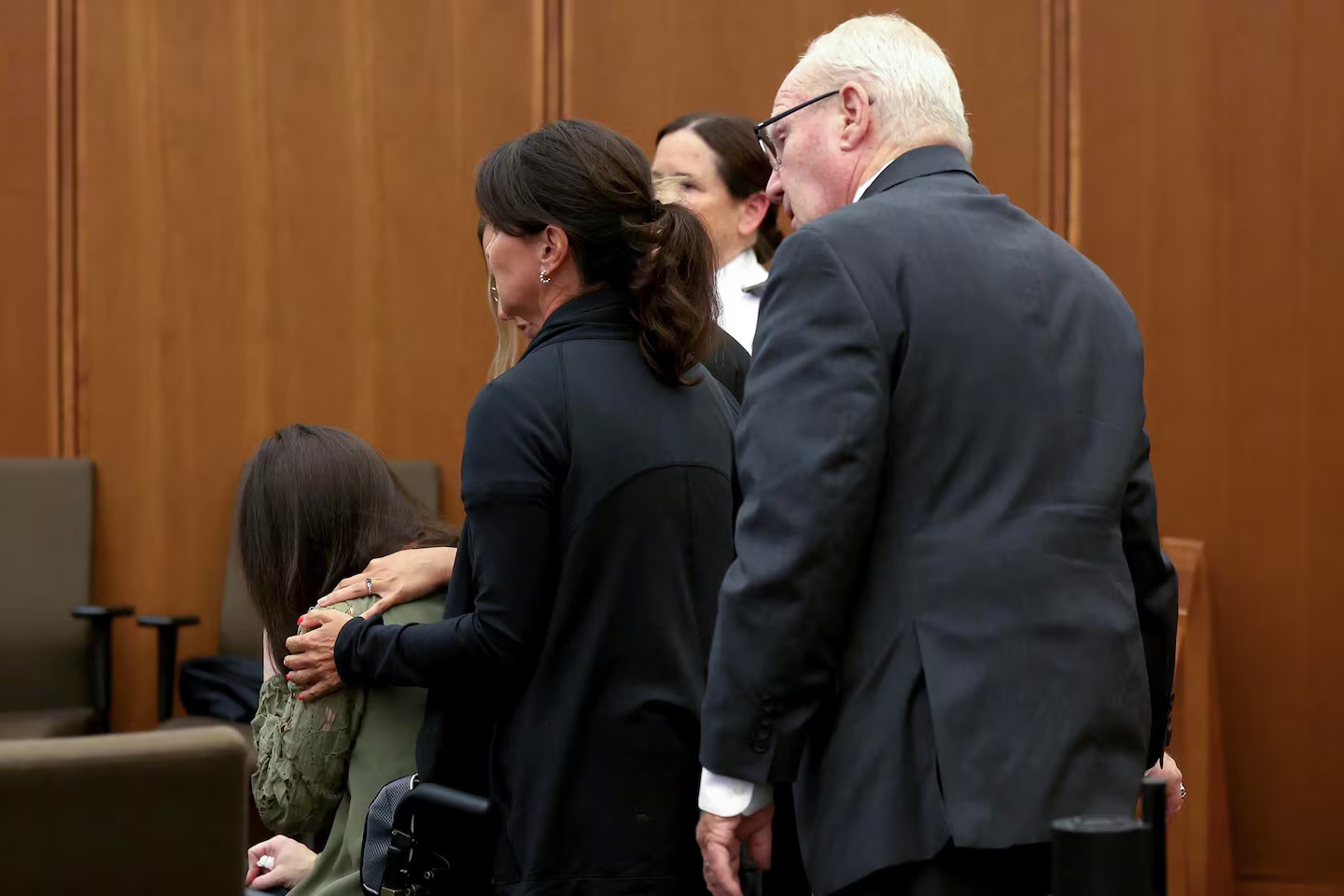
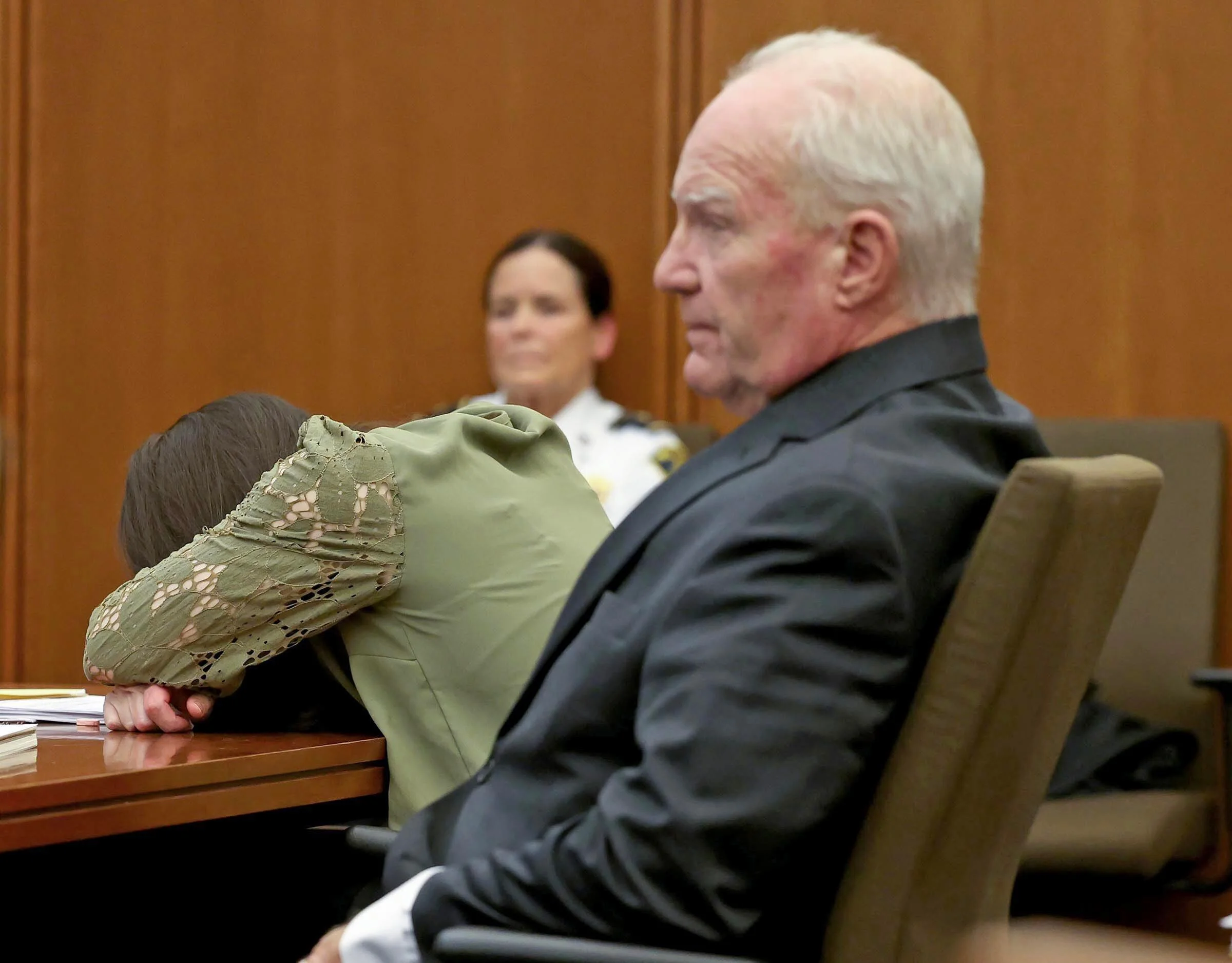
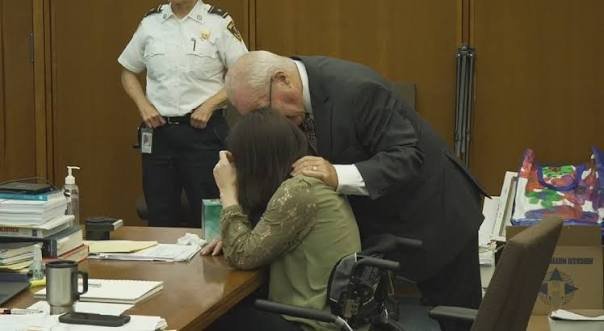
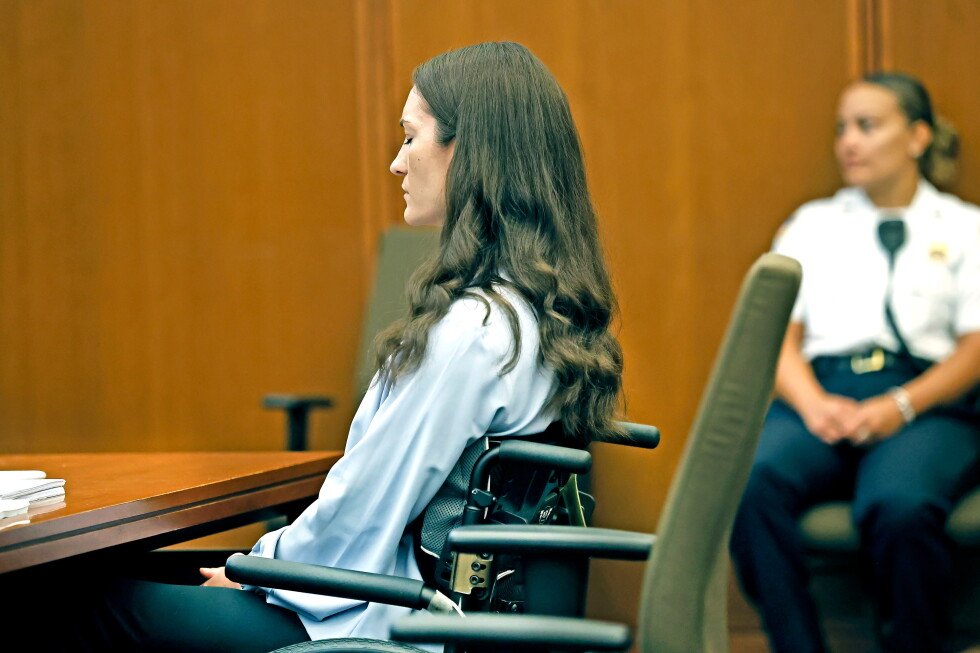
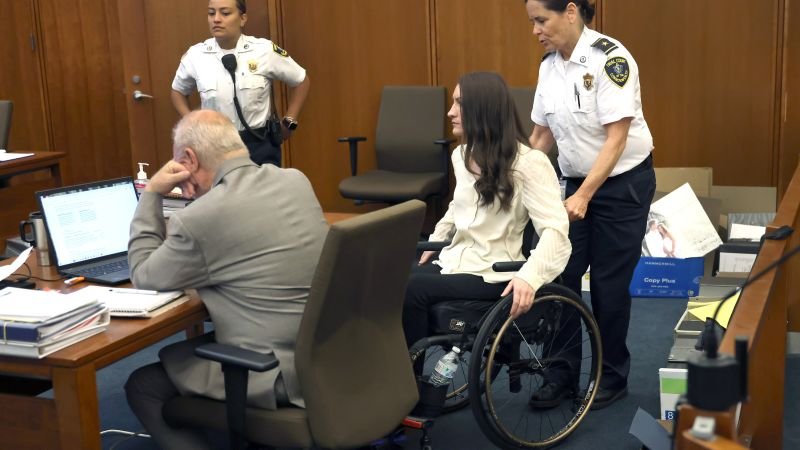
The medical evidence has been particularly difficult for everyone in the courtroom. During testimony earlier this month, medical examiners described the children’s injuries and causes of death. The testimony became so emotional that Clancy repeatedly broke down in court, and the judge paused proceedings to allow her to recover.
The prosecution has also introduced evidence intended to establish that Clancy’s actions were purposeful. Prosecutors have pointed to her internet searches, communications and the sequence of events surrounding her husband’s departure as evidence that she knew what she was doing and acted intentionally.
The defense has attempted to place those same events within the context of severe psychiatric deterioration.
The competing narratives have produced a trial in which seemingly ordinary actions are being examined from two completely different perspectives. A text message that prosecutors view as evidence of normal awareness can be interpreted by the defense as evidence that Clancy was attempting to maintain a routine while experiencing a psychiatric crisis. A search about psychosis can be viewed as preparation or as an attempt to understand frightening symptoms. A request for medication can be viewed as ordinary planning or as evidence of a desperate effort to obtain relief.
The jury will have to weigh those interpretations alongside expert psychiatric testimony.
The trial has now entered its fourth week, with more than 70 prosecution witnesses having already been called. Prosecutors could soon conclude their presentation, after which the defense will have an opportunity to present its own witnesses and psychiatric experts.
That next stage could become particularly important because the defense is expected to focus heavily on Clancy’s mental state. Psychiatric experts may be asked to explain postpartum psychosis, the possible effects of medication combinations, the significance of hallucinations and delusions, and whether Clancy’s behavior on January 24 is consistent with someone experiencing a psychotic episode.
The prosecution is expected to challenge those interpretations and emphasize evidence that it believes demonstrates planning and awareness.
The case has also raised broader questions about the treatment of women experiencing severe postpartum psychiatric symptoms. Mental health experts have noted that postpartum psychosis is rare but potentially life-threatening and can involve a dramatic departure from a person’s normal behavior. The disorder can include hallucinations, delusions, confusion and extreme mood changes.
But the existence of postpartum mental illness does not automatically establish legal insanity.
That is why the testimony of medical professionals is likely to be critical as the trial progresses. Jurors will need to determine not merely whether Clancy was suffering psychologically, but whether her condition met the legal standard required for a finding of not criminally responsible.
The case has also generated continuing litigation outside the criminal trial. Clancy and Patrick Clancy have pursued legal claims against medical providers, alleging that inadequate treatment and medication management contributed to the deterioration of her condition. Those allegations are separate from the criminal case and have not been established as facts by a court.
Meanwhile, the prosecution continues to maintain that the killings were deliberate.
The state’s theory is that Clancy made a series of conscious decisions that culminated in the deaths of her children and that her subsequent suicide attempt was part of an effort to avoid responsibility. Prosecutors have pointed to the timing of events, her interactions with Patrick and her digital activity as pieces of a larger pattern.
The defense argues that the prosecution is interpreting the actions of a severely mentally ill woman through the lens of hindsight.
For the families involved, the legal arguments cannot erase the tragedy itself. Cora, Dawson and Callan were three young children whose lives ended inside their own home. Their deaths left their father and extended family devastated, while the case has drawn national attention because of its questions about postpartum mental health, medical treatment and criminal responsibility.
The trial is now approaching a critical point.
If the prosecution rests its case in the coming days, the defense will begin presenting its explanation of what happened. That could include testimony from psychiatric experts who have evaluated Clancy and may offer a detailed account of her mental condition in the weeks and months before January 24.
The ultimate question for the jury will remain extraordinarily difficult: was Lindsay Clancy a mother who deliberately killed her children, as prosecutors contend, or was she experiencing such a severe psychiatric break that she could no longer understand the nature or wrongfulness of what she was doing?
The evidence being presented in court has not produced a simple answer.
The messages to her healthcare providers show a woman who was clearly struggling. Her searches and digital records show that she was thinking deeply about mental illness and disturbing subjects. Her medical history documents extensive treatment. Her behavior immediately before and after the deaths is being interpreted by the two sides in fundamentally different ways.
And while the prosecution and defense agree on the tragic outcome, they disagree profoundly about why it happened.
As the trial moves toward the defense’s presentation, those questions will become even more central. The jury will eventually have to decide whether the evidence establishes criminal responsibility beyond the legal standard or whether Clancy’s mental illness rendered her not responsible for the deaths of her three children.
For now, the courtroom remains the place where those competing explanations are being tested.
The messages, medical records, internet searches, testimony from caregivers and family members, and expert psychiatric opinions will all become pieces of the larger picture. None of them, standing alone, can determine the verdict.
The final decision will rest with the jury, which must consider the evidence presented in court rather than the speculation surrounding the case outside it.
And as the prosecution’s case approaches its conclusion, the most consequential part of the trial may still lie ahead.