
The investigation into the disappearance of Madeleine McCann has entered another potentially significant phase, with British authorities receiving a dossier containing new information that could help investigators reassess evidence surrounding the case and the man who remains at the center of the German investigation.
Madeleine disappeared from the family’s holiday apartment in Praia da Luz, Portugal, on May 3, 2007, when she was three years old. Nearly two decades later, her whereabouts remain unknown, and no one has been charged with her disappearance. Yet the investigation has continued across three countries, with Portuguese, British and German authorities pursuing different strands of evidence and sharing information as new leads emerge.
The latest development concerns a dossier reportedly passed to British investigators containing material gathered in Germany relating to Christian Brueckner, the German national who has been identified by German authorities as a suspect in Madeleine’s disappearance. The material is understood to contain information that British investigators can examine as they continue their own investigation under Operation Grange.
The development does not mean that investigators have established Brueckner’s guilt. He has never been convicted of any offence relating to Madeleine’s disappearance and has consistently denied involvement. German prosecutors have previously said they believe Madeleine is dead and have investigated Brueckner on that basis, but the case has not resulted in a murder charge.
The dossier nevertheless represents another example of the international cooperation that has characterized the investigation in recent years. British authorities have continued to work with their German and Portuguese counterparts, particularly as attention has increasingly focused on evidence concerning Brueckner’s movements and activities in the Algarve around the time Madeleine disappeared.

According to The Portugal News, the latest material includes information that British authorities can assess as part of their continuing investigation. The report says German investigators have supplied a dossier containing new leads, with Brueckner remaining the principal focus of suspicion in the current investigation.
One of the reasons Brueckner has remained under scrutiny is his documented connection to Praia da Luz. He lived in the Algarve for periods and was known to have been in the region around the time Madeleine vanished. German investigators have previously pointed to telecommunications evidence indicating that a mobile phone associated with Brueckner was active in the Praia da Luz area before Madeleine disappeared.
Investigators have also examined digital material reportedly recovered from a hard drive that they believe places Brueckner in Portugal during the relevant period. Such evidence has formed part of the wider body of information used by German authorities as they attempted to establish whether Brueckner could be connected to Madeleine’s disappearance.
However, it is important to distinguish between evidence that places a suspect in the same area and evidence that proves involvement in a crime. Brueckner’s presence in the Algarve is not, by itself, proof that he abducted Madeleine. Investigators still need evidence capable of establishing what happened to the child and linking a specific individual to the disappearance.
That distinction has remained particularly important because the case has generated countless theories and alleged breakthroughs over the years. Some have been investigated and ruled out, while others have never been independently substantiated. The sheer amount of information surrounding the case makes it increasingly important for investigators to separate verified evidence from speculation.
Madeleine disappeared shortly before her fourth birthday while staying with her parents, Kate and Gerry McCann, and her younger twin siblings at a holiday apartment in Praia da Luz. Her parents were dining nearby with friends when the child was reported missing. The disappearance immediately triggered a major search operation and rapidly developed into one of the most widely reported missing-child investigations in modern history.
In the years that followed, the investigation passed through several different phases. Portuguese authorities initially focused heavily on the possibility that Madeleine had died, and her parents were formally treated as suspects for a period before eventually being cleared of that status. British police later established Operation Grange, which continues to investigate the disappearance.
The investigation changed dramatically in 2020 when German prosecutors publicly identified Brueckner as a suspect. German authorities said they were investigating the case on the assumption that Madeleine was dead, although they did not publicly reveal a body or definitive forensic evidence proving that conclusion.
Brueckner was already serving a prison sentence in Germany for an unrelated sexual offence when investigators identified him as the principal suspect in the McCann case. His criminal history, his previous presence in the Algarve and evidence concerning his movements around Praia da Luz became central to the German investigation.
Portuguese authorities later formally named Brueckner an “arguido,” or formal suspect, in 2022. That status allowed Portuguese investigators to pursue him within the country’s legal framework, but it did not amount to a criminal conviction or a finding of guilt.
The renewed British focus comes after years in which investigators from the three countries have continued to examine evidence independently while sharing information. British police have remained responsible for Operation Grange, while German investigators have continued their examination of evidence connected to Brueckner and Portuguese authorities have assisted with investigative measures carried out within Portugal.
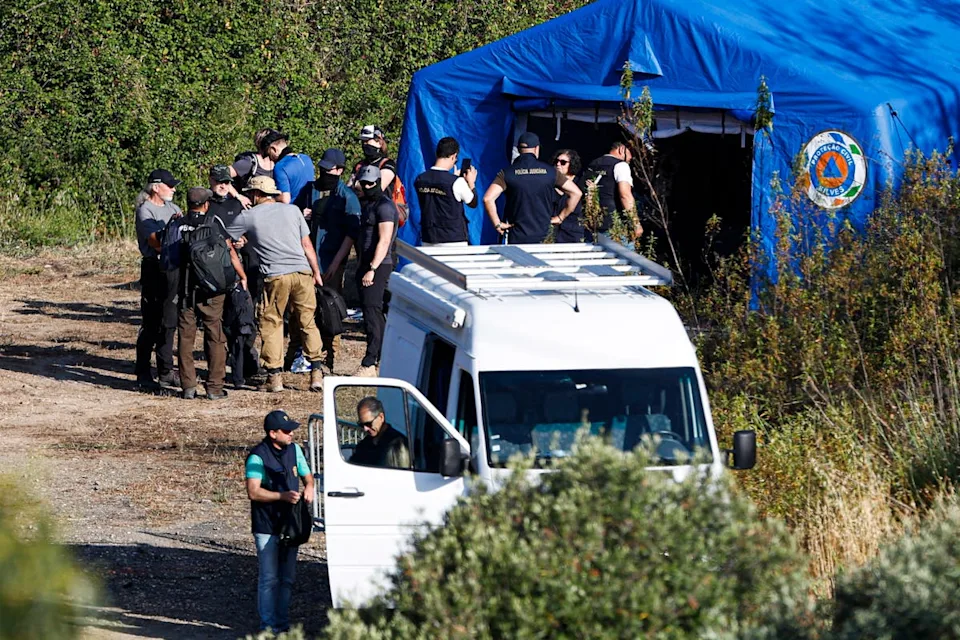
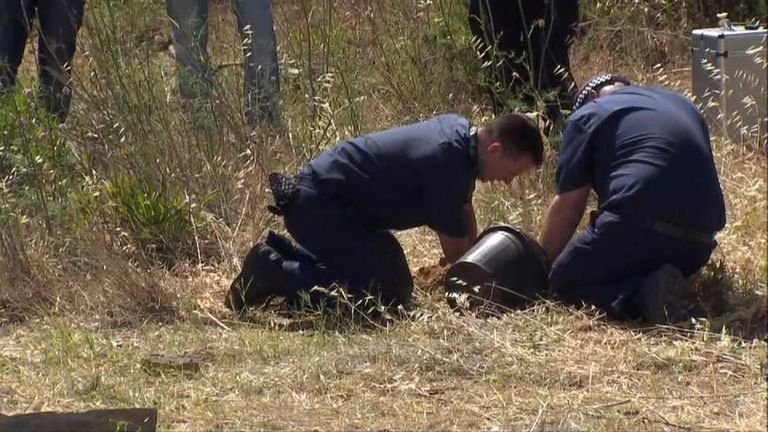
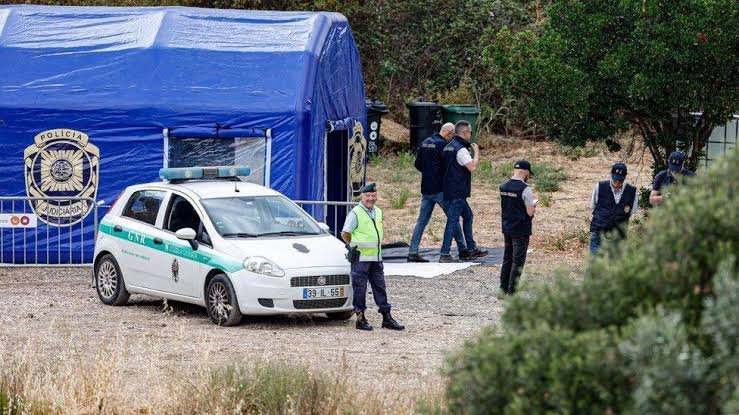
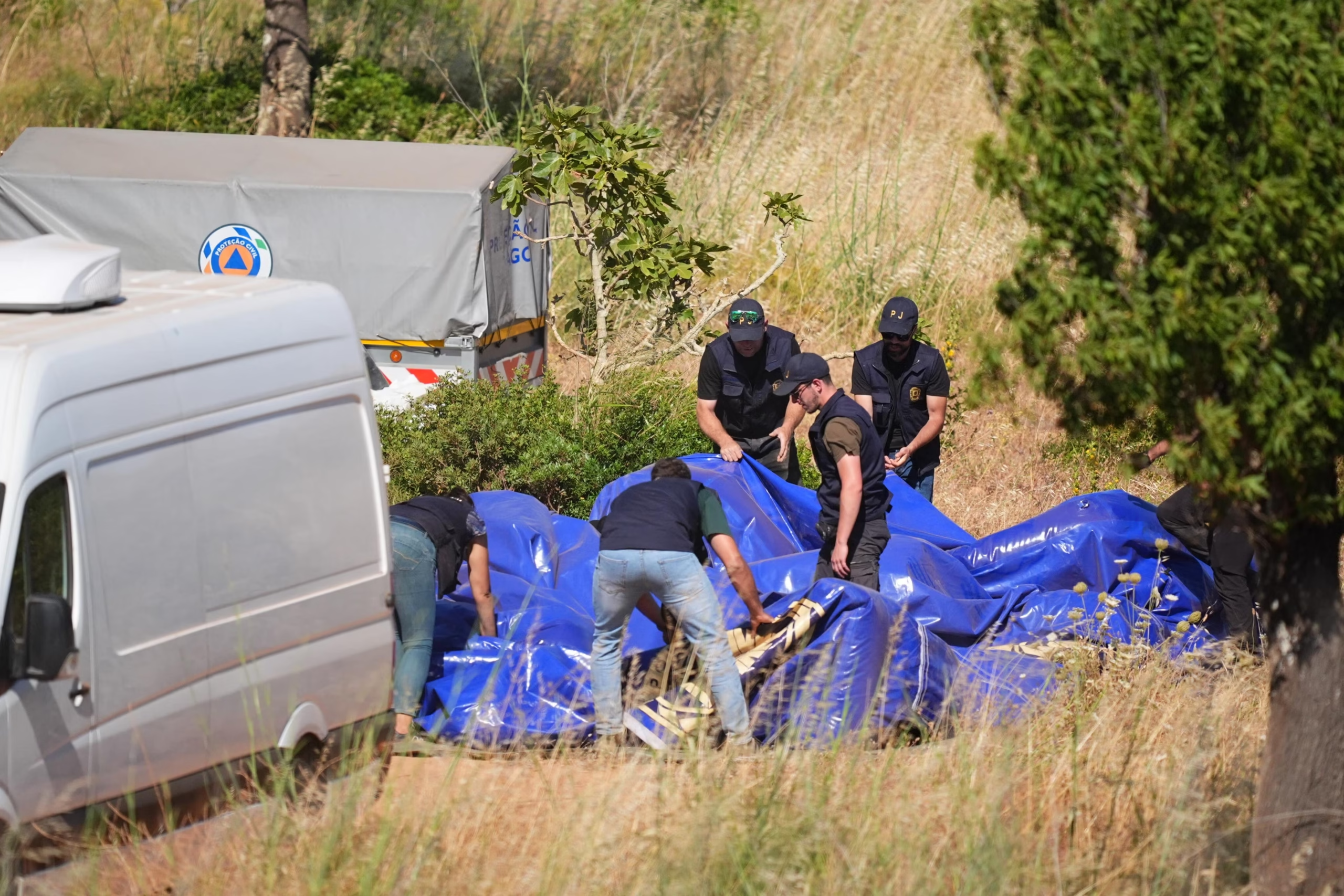
The most visible example of that cooperation came during searches conducted in the Algarve in 2025. German investigators, working with Portuguese authorities under a European investigation order, searched a number of locations around Praia da Luz. The searches were conducted in areas connected to Brueckner and were widely viewed as an attempt to locate physical evidence that could help establish what happened to Madeleine.
The searches did not publicly produce a confirmed discovery of Madeleine or remains linked to her. Authorities have also not announced that the operation resulted in a definitive breakthrough.
Nevertheless, the searches demonstrated that investigators continue to regard the area around Praia da Luz as potentially important, particularly because of Brueckner’s historical connection to the region.
The new dossier now places additional material in the hands of British investigators. Its significance will depend on what can be independently verified and whether the information can be connected to evidence already held by Operation Grange.
A particularly important question will be whether the new material provides information that investigators did not previously possess or whether it strengthens existing evidence that has already been examined. In a case that has been investigated for nearly two decades, even apparently new information may need to be compared against thousands of previous statements, records and investigative leads.
Investigators must also determine whether any new information can be corroborated. A witness account, for example, can become much more significant if it is supported by phone records, financial information, photographs, location data or other independent evidence. Conversely, information that cannot be verified may ultimately have little value regardless of how dramatic the original claim appears.
The latest development also comes at a time when attention remains firmly fixed on Brueckner’s future. He has been serving a prison sentence in Germany for an unrelated rape conviction, and his release has been closely watched because of the possibility that German and British investigators may seek further legal action connected to the McCann case.
Brueckner has repeatedly denied involvement in Madeleine’s disappearance. His lawyers have also challenged aspects of the investigation and the public characterization of him as responsible for the child’s disappearance.
For the McCann family, however, the central issue has remained unchanged for almost 20 years. They want to know what happened to their daughter and where she is.
Kate and Gerry McCann have continued to support efforts to find Madeleine and have maintained that they do not want the investigation to stop while unanswered questions remain. The passage of time has changed the nature of the search, but it has not brought the case to an end.
Madeleine would now be in her early twenties. Investigators have previously released age-progressed images showing how she might look as she grows older, while appeals for information have continued around the world.
The case has also generated an extraordinary volume of public attention. Thousands of alleged sightings have been reported over the years, many of which were investigated and ruled out. The family has also faced intense media scrutiny, misinformation and false claims, making it increasingly difficult to distinguish genuine leads from speculation.
That is why the latest dossier must be viewed cautiously.
The word “new” does not necessarily mean that investigators have discovered the evidence that will finally solve the case. It means that authorities now have additional material to examine. Whether it becomes a genuine breakthrough will depend on the quality of the information and whether it can be supported by independent evidence.
For investigators, the most important goal remains establishing a reliable account of Madeleine’s final known movements and determining what happened after she disappeared from the apartment.
If the new information helps establish a previously unknown connection between Brueckner and Madeleine, identifies a witness who has not previously come forward, or points investigators toward physical or digital evidence that can be independently verified, it could become highly significant.
If it does not withstand scrutiny, investigators will have to continue pursuing other avenues.
Almost 20 years after Madeleine disappeared, the case therefore remains open, international and unresolved. The latest dossier has brought fresh attention to the investigation, but it has not produced a publicly confirmed answer to the mystery.
Christian Brueckner remains the central suspect in the German investigation, but he has not been convicted or charged in connection with Madeleine’s disappearance. British authorities continue to examine information provided by their international counterparts, while Portuguese and German investigators remain involved in the wider effort to establish what happened.
For Madeleine’s family and the millions of people who have followed the case for years, the hope is that the latest information represents more than another headline.
The real measure of progress will be whether the new evidence can withstand forensic and legal scrutiny and, ultimately, lead investigators closer to establishing the truth about what happened on the night Madeleine McCann disappeared.
Until that happens, one of the world’s most enduring missing-child cases remains without a final answer.