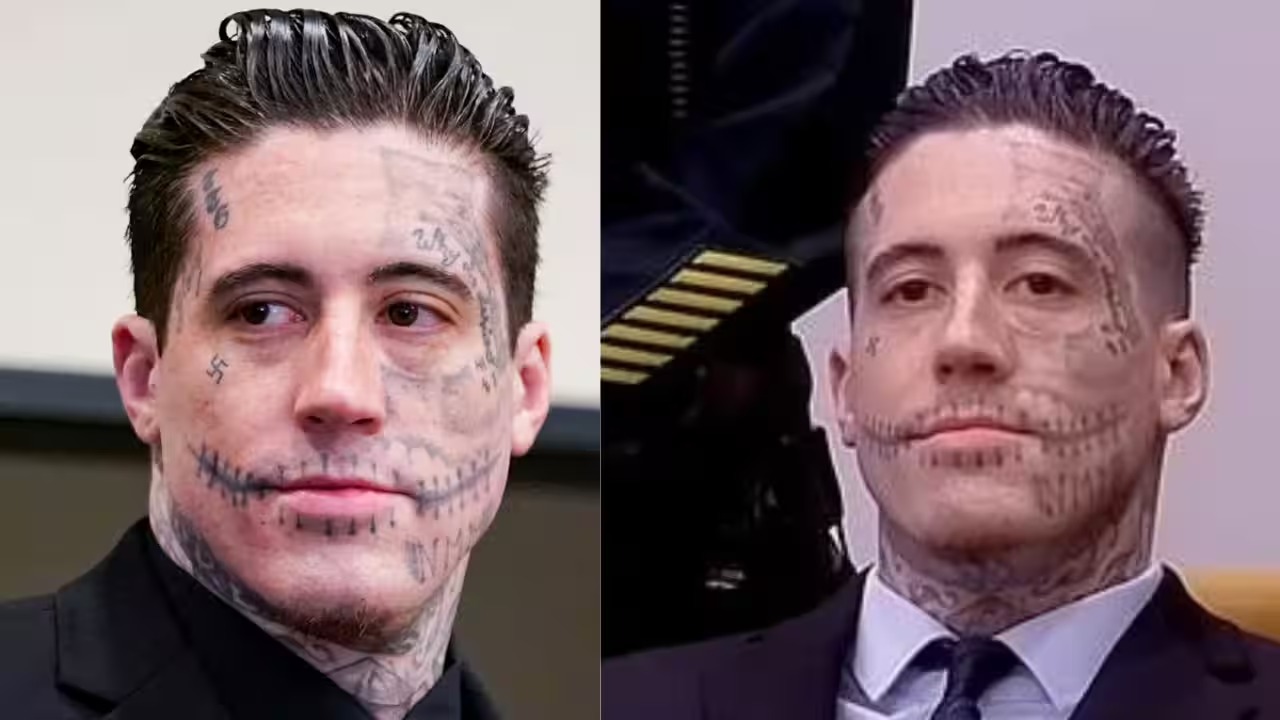
The legal fight surrounding convicted murderer Wade Wilson has entered a new phase, with his defense team signaling that the case could eventually reach the U.S. Supreme Court.
Wilson, who was convicted of murdering Kristine Melton and Diane Ruiz in Cape Coral in 2019 and later sentenced to death, is not currently asking an appeals court to reconsider whether he committed the crimes. His present challenge focuses on whether Florida legally applied its newer death-penalty sentencing rules to his case.
That distinction is at the center of the latest developments.
Wilson remains on Florida’s death row while his attorneys pursue the legal challenges surrounding his two death sentences. His case was argued before the Florida Supreme Court on February 5, 2026, but the hearing was dramatically shorter than expected.
The reason was not that the defense had abandoned its constitutional argument.
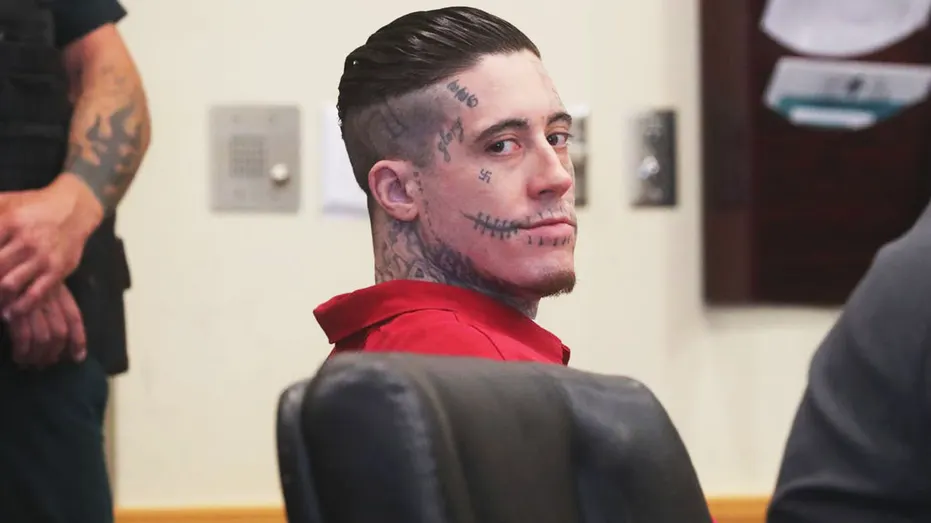
Instead, Wilson’s attorney, Michael Ufferman, acknowledged that the Florida Supreme Court had recently issued decisions addressing the same legal questions his team had planned to argue.
Rather than reargue an issue that the state’s highest court had already addressed, Ufferman told the justices that the defense wanted to preserve those arguments for a possible federal challenge.
That left the hearing lasting only a few minutes.
The legal issue behind Wilson’s appeal
The dispute centers on Florida’s death-penalty law.
Wilson committed the murders in October 2019. At that time, Florida required a unanimous jury recommendation before a defendant could receive a death sentence.
Florida subsequently changed its law in 2023.
Under the newer system, a jury can recommend death without unanimous support, provided at least eight of the 12 jurors vote in favor of the death sentence after the required findings concerning aggravating circumstances.
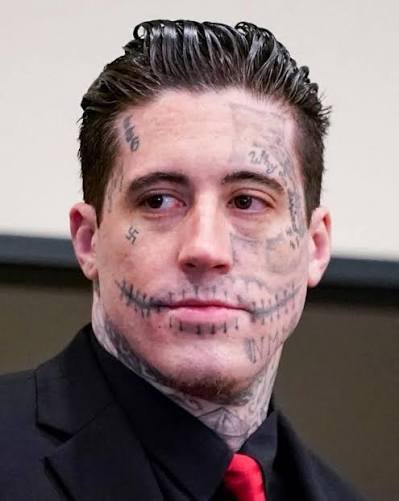
Wilson’s case was decided under that newer system.
His juries recommended death by votes of 9-3 for the murder of Kristine Melton and 10-2 for the murder of Diane Ruiz. Judge Nicholas Thompson ultimately imposed death sentences for both killings.
Wilson’s attorneys argue that applying the newer sentencing standard to crimes committed in 2019 raises constitutional questions, particularly under the prohibition against retroactive criminal punishment.
In simple terms, the defense position is that Wilson should not have been sentenced under a death-penalty procedure that did not exist when the murders occurred.
The state has taken the opposite position.
And the Florida Supreme Court has already ruled on similar challenges.
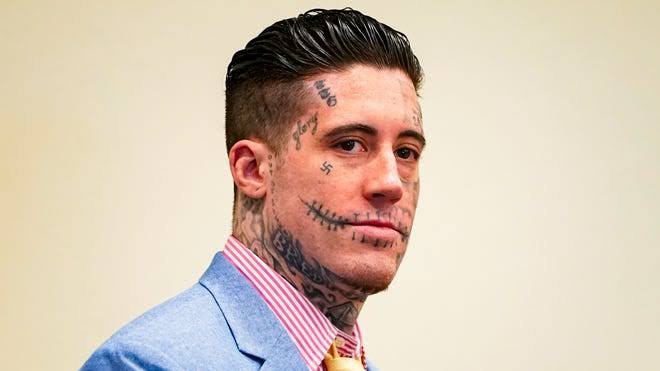
Why the February hearing was so short
The February 5 hearing had originally been expected to give Wilson’s attorneys an opportunity to argue their challenge before the Florida Supreme Court.
But by the time the case reached the justices, the legal landscape had changed.
The Florida Supreme Court had recently issued decisions upholding Florida’s newer death-penalty system in other cases, including Hunt v. State. Those decisions addressed the same basic constitutional issues Wilson’s attorneys had raised.
Because those rulings were binding precedent, Wilson’s attorney did not attempt to convince the Florida justices to disregard their own recent decisions.
Instead, Ufferman explained that he wanted the constitutional arguments preserved for potential review by the nation’s highest court.
The state’s attorney did not present an extended argument either and asked the Florida Supreme Court to affirm the lower court’s decision.
The hearing ended after only a few minutes.
For Wilson’s defense, however, the short hearing did not mean the legal challenge was over.
His attorney later explained that the constitutional issues had been fully preserved and that the next potential forum would be the U.S. Supreme Court.
A possible trip to Washington — but not yet
This is where the current status of the case needs to be understood carefully.
Wilson’s lawyers have indicated that they intend to seek review in the U.S. Supreme Court after the Florida proceedings are completed.
But there is currently no basis to say that the U.S. Supreme Court has agreed to hear Wilson’s case.
The U.S. Supreme Court does not automatically review every state death-penalty appeal. A defendant seeking review generally has to file a petition asking the justices to take the case, and the Court then decides whether to grant review.
So the more accurate description at this stage is that Wilson’s defense is preparing for a potential federal appeal, rather than saying that the Supreme Court has already taken the case.
That distinction could become important as the legal process continues.
What Wilson is actually challenging
Wilson is not currently arguing that the convictions themselves should simply be erased because he maintains he did not commit the murders.
He was convicted in June 2024 of the killings of Melton and Ruiz.
The present legal battle is centered primarily on the death sentences and the constitutionality of the sentencing procedure used to impose them.
That means there are several separate questions in the larger case.
One concerns whether Wilson was properly convicted.
Another concerns whether the death sentences were lawfully imposed.
And a further question concerns whether Florida’s newer sentencing law can constitutionally be applied to a defendant whose crimes occurred before the law changed.
The current appeal is focused on the latter issues.
The murders that led to the death sentence
Wilson’s legal battle stems from the deaths of two Cape Coral women on October 7, 2019.
Kristine Melton, 35, and Diane Ruiz, 43, were killed within hours of one another.
Prosecutors presented evidence during Wilson’s 2024 trial detailing the killings and the events that followed. Wilson was ultimately convicted of two counts of first-degree murder.
In August 2024, Judge Nicholas Thompson imposed two death sentences after the jury recommendations.
The jury did not vote unanimously for death in either case. Instead, nine jurors supported death for Melton’s murder and ten supported death for Ruiz’s murder.
Those numbers are central to Wilson’s current appeal because they would not have satisfied Florida’s former unanimous-jury requirement.
Under the newer law, however, both recommendations met the minimum eight-vote threshold.
That difference is the heart of the constitutional dispute.
Why the issue matters beyond Wilson
The case is not simply about one defendant.
Florida’s 2023 changes to its death-penalty procedure have affected other capital cases as well, and the courts have already been asked to decide whether the new rules can constitutionally be applied to crimes committed before the law changed.
Wilson’s attorneys are effectively arguing that the issue deserves review at the federal level because of the constitutional questions surrounding retroactive punishment.
The Florida Supreme Court’s recent decisions have made that argument more difficult at the state level, which is why the defense has indicated that the U.S. Supreme Court could become the next destination.
Whether the justices in Washington would actually agree to hear the case is a separate question.
Wilson remains on death row
While the legal arguments continue, Wilson remains incarcerated on Florida’s death row.
There is no currently announced execution date for him.
His death sentence therefore remains subject to the appellate process and any additional legal proceedings that may follow.
The existence of a death sentence does not mean an execution is imminent. Capital cases can continue through multiple levels of review for years, particularly when constitutional questions remain unresolved.
For Wilson, the immediate focus is therefore not an execution date but the next stages of his appeal.
What happens next?
The next steps depend on the formal disposition of the Florida proceedings and the decisions made by Wilson’s legal team afterward.
If the defense pursues review by the U.S. Supreme Court, it would have to ask the justices to take up the constitutional questions surrounding Florida’s death-penalty law.
The Supreme Court could agree to hear the case, decline to hear it, or take other procedural action.
None of those outcomes has happened yet.
That is why the most accurate description of Wilson’s current position is that his attorneys have signaled an intention to pursue the constitutional challenge at the federal level, rather than that the U.S. Supreme Court has already accepted his appeal.
For now, Wilson remains a convicted double murderer under two death sentences imposed by a Florida judge in 2024.
His convictions remain in place, and the current legal challenge is aimed at the death sentences and the sentencing procedure used to impose them.
The case has already forced Florida’s courts to confront questions about how the state’s newer death-penalty system applies to older crimes. Now, if Wilson’s attorneys follow through with their stated plans, those constitutional questions could eventually be placed before the nation’s highest court.
But that next step has not yet been completed.
For the families of Kristine Melton and Diane Ruiz, the legal battle represents another chapter in a case that began with two murders in Cape Coral nearly seven years ago.
For Wilson’s defense, it represents an attempt to overturn the death sentences without relitigating the underlying convictions.
And for Florida’s death-penalty system, the case could become another test of how far the state’s newer sentencing rules can reach.
For now, the U.S. Supreme Court remains a possible next destination — not yet a court that has agreed to hear Wade Wilson’s case.