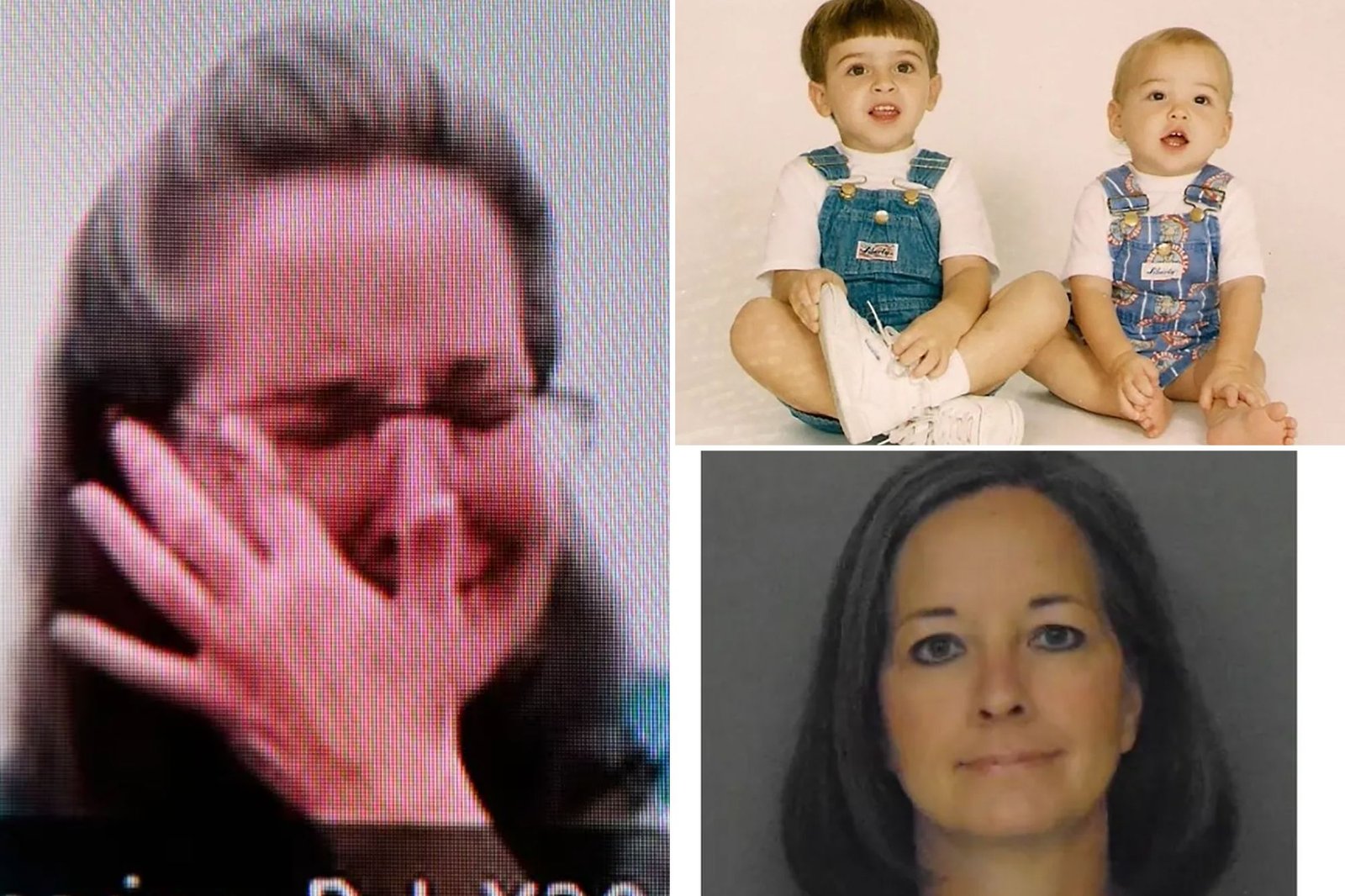
More than three decades after Susan Smith’s two young sons lost their lives in a case that captured national attention, her name is once again making headlines.
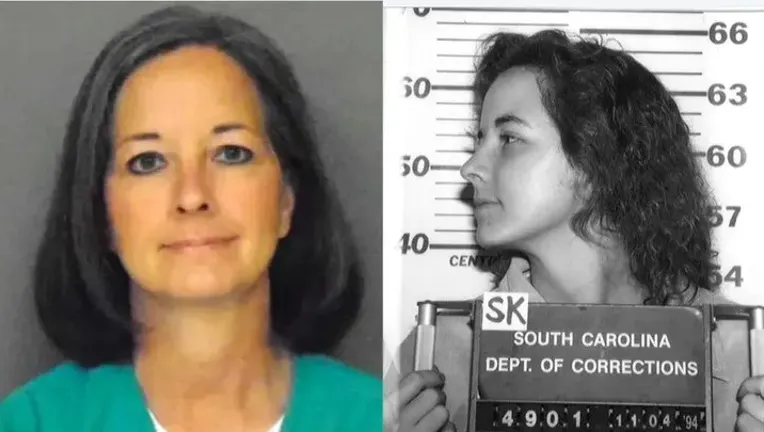
Smith, now 54, remains incarcerated in South Carolina and is preparing for another parole hearing later this year. Her upcoming hearing will reopen questions surrounding the 1994 case, the trial that followed, and the controversial defense that asked jurors to consider her history of depression and other mental health struggles.
Smith’s story first became national news in October 1994, when she told authorities that a stranger had carjacked her vehicle with her two children inside.
For nine days, investigators searched for her sons while Smith publicly appealed for their safe return.
Her story eventually began to unravel.
Investigators discovered inconsistencies in her account, and on November 3, 1994, Smith admitted that the carjacking story had been fabricated.
She told investigators that she had driven her vehicle into John D. Long Lake in Union County with her two sons, 3-year-old Michael and 14-month-old Alexander, still secured in their car seats.
The confession brought an end to a massive search but opened an entirely different chapter of the case.
Smith was arrested and charged with two counts of murder.
At the time, she was only 23 years old.
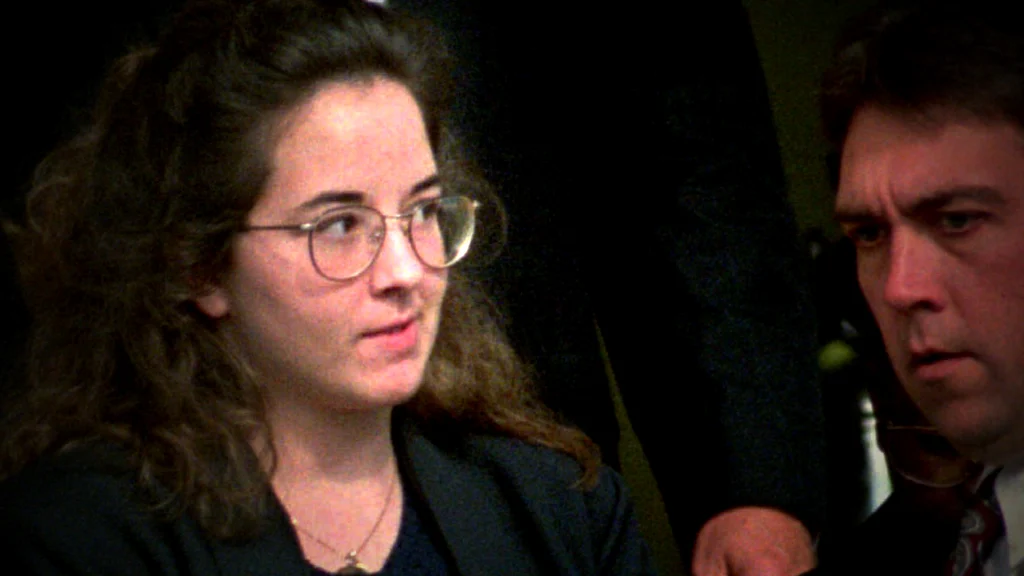
The trial focused on more than what happened that night
When the case reached trial in 1995, prosecutors and defense attorneys offered very different explanations for Smith’s actions.
The prosecution argued that Smith deliberately killed her sons.
Her defense, meanwhile, asked jurors to consider her troubled mental health history, including depression and previous suicide attempts. Attorneys argued that her psychological condition played an important role in what happened.
Postpartum depression also became part of the broader discussion surrounding her mental health and the circumstances leading up to the crime.
The defense did not deny that Smith was responsible for what happened to Michael and Alexander. Instead, attorneys attempted to persuade jurors that her mental state should influence how she was held accountable.
The strategy ultimately failed to prevent a murder conviction.
After a relatively short period of deliberation, jurors found Smith guilty of two counts of first-degree murder.
The next question was whether she would receive the death penalty.

Jurors chose life in prison
The sentencing phase produced another important moment in the case.
Prosecutors sought the death penalty, but jurors ultimately chose life in prison instead.
Smith was sentenced to life with the possibility of parole after 30 years. At the time, jurors reportedly considered aspects of her troubled background and mental health when deciding against execution.
That decision would become significant decades later.
After serving 30 years, Smith became eligible for parole.
Her first parole hearing took place in November 2024.
It did not result in her release.
The South Carolina parole board rejected her request, meaning Smith remained incarcerated while retaining the possibility of seeking parole again under the state’s rules.
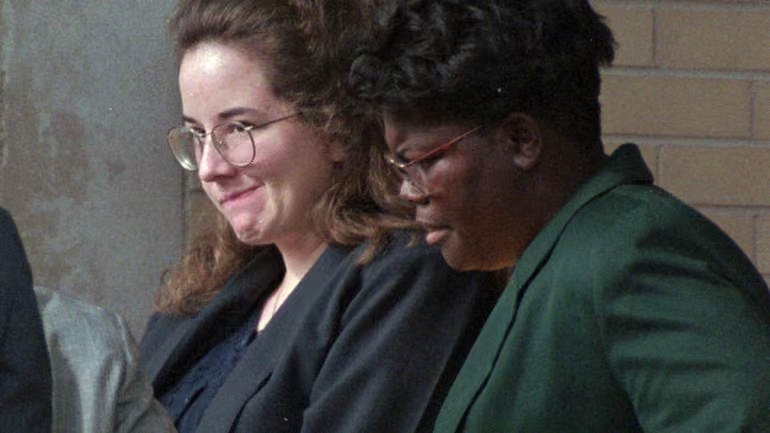
Her next parole hearing is now scheduled
Smith’s case is returning to the parole process in 2026.
According to the South Carolina Department of Corrections, her projected parole eligibility date is November 20, 2026.
A parole hearing has been scheduled for November 19, 2026, giving Smith another opportunity to ask the board to allow her release.
The upcoming hearing does not mean she will automatically be released.
The parole board will have to consider the circumstances of her conviction, her conduct while incarcerated and other factors relevant to her eligibility.
Her first hearing in 2024 attracted considerable attention.
Former husband David Smith spoke against her release and questioned whether she had shown sufficient remorse for what happened to their children. According to reports, hundreds of pieces of correspondence were also submitted to the parole board, with only a small number supporting her release.
The second hearing is therefore likely to bring renewed public interest in a case that has remained one of South Carolina’s most closely followed criminal cases from the 1990s.
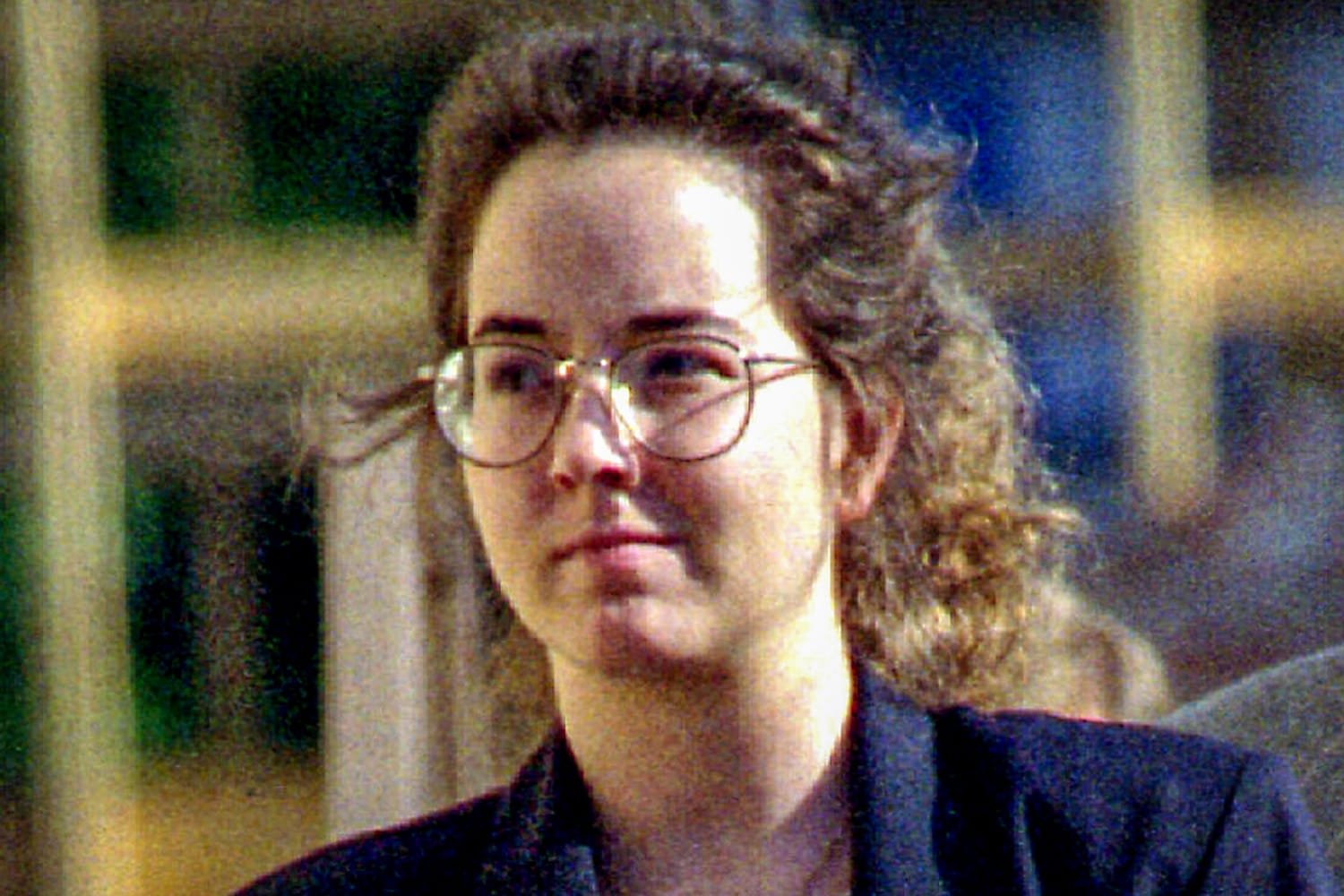
A case that changed as investigators uncovered the truth
One of the most striking elements of the Smith case was how dramatically the story changed within just nine days.
At first, investigators were searching for an alleged carjacker and two missing children.
Smith appeared on television asking for help and pleading for information about her sons.
Her husband also made public appeals for their safe return.
But investigators continued examining the details of the reported carjacking.
The location Smith initially described did not fit the evidence investigators were finding. The person she reportedly said she was planning to visit was not where Smith had suggested. Investigators also became increasingly concerned about inconsistencies in her story.
Eventually, investigators confronted Smith.
She confessed.
The vehicle was later recovered from John D. Long Lake, bringing investigators closer to understanding what had happened that night.
The mental health debate remains part of the story
Even decades later, the discussion surrounding Smith’s mental health remains an important part of how the case is remembered.
Her defense argued that depression and other psychological problems affected her judgment and behavior.
Jurors nevertheless found her guilty of first-degree murder.
At the sentencing stage, however, her mental health history and troubled background were among the circumstances considered by jurors when they decided that life imprisonment was more appropriate than execution.
That distinction is important.
The jury rejected the defense as a reason to avoid a murder conviction, but it did not impose the maximum possible punishment.
As a result, Smith’s case became an example of how mental health evidence can play different roles at different stages of a criminal proceeding.
More than 30 years later, the focus is different
Today, the central question is no longer what sentence Smith should receive.
That decision was made in 1995.
The question now is whether she should be allowed to leave prison under South Carolina’s parole system.
Her upcoming hearing will likely bring renewed attention to her behavior while incarcerated, her level of remorse and the arguments for and against her release.
For the families involved, however, the case is not simply a matter of legal history.
Michael and Alexander were only 3 and 14 months old when they lost their lives.
Their names have remained closely connected to one of the most widely remembered criminal cases of the 1990s.
For many people following the story today, the upcoming parole hearing also provides an opportunity to remember that the case began with two very young children whose lives ended long before they had the opportunity to grow up.
What happens next
Susan Smith is expected to appear before the South Carolina parole board on November 19, 2026.
The hearing will be her second attempt to obtain parole after her first request was denied in 2024.
Whatever decision the board makes, the hearing will once again place a decades-old case under public scrutiny.
For Smith, it represents another opportunity to seek freedom after more than 30 years behind bars.
For those who have followed the case since 1994, it will be another moment to revisit the questions that have surrounded it for decades — accountability, mental health, remorse and whether a person who committed such a serious crime can eventually demonstrate enough change to return to society.
The parole board will ultimately make that decision.
Until then, Susan Smith remains incarcerated, serving the life sentence imposed after her 1995 convictions.
And more than 30 years after Michael and Alexander were taken from their family, their story remains at the center of the case whenever Susan Smith’s future comes before the court or parole authorities.