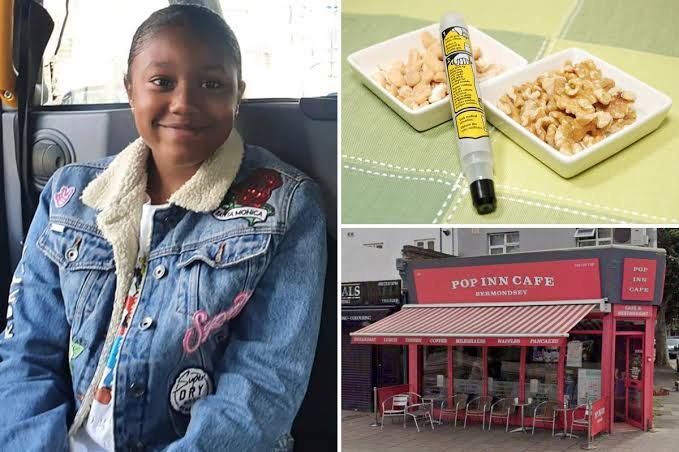
A family outing in London turned into a heartbreaking tragedy for 12-year-old Mia Shay St Hilaire, whose story is now raising serious questions about how restaurants protect customers with food allergies.
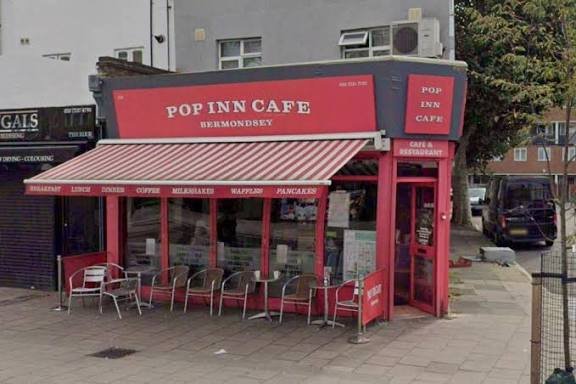
Mia was visiting the Pop Inn Cafe on Southwark Park Road with her aunt and sister in August 2023 when she ordered a Twix milkshake. The drink appeared to be an ordinary treat, but investigators later discovered that a mistake during its preparation had exposed her to an ingredient she needed to avoid.
Mia had a severe hazelnut allergy. Although the Twix milkshake she ordered was not supposed to contain hazelnuts, traces of the allergen had reportedly been transferred from another drink prepared in the same blender.
That earlier drink was a Kinder Bueno milkshake, which contained hazelnut. According to evidence examined during the investigation, the blender had not been properly cleaned before it was reused to prepare Mia’s order.
The discovery became central to understanding what happened that day.
After consuming part of the milkshake, Mia developed a rapidly progressing allergic reaction known as anaphylaxis. Her condition deteriorated, and she later collapsed at her aunt’s home. Emergency responders rushed her to hospital, where medical teams worked to treat the reaction. Despite their efforts and intensive care, Mia could not be saved.
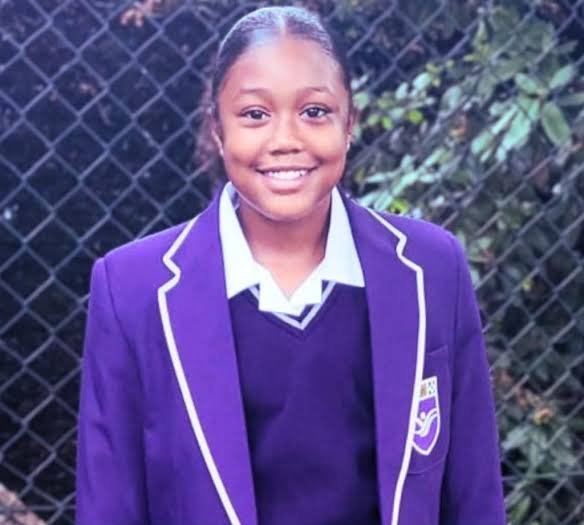
The investigation into her case concluded in October 2026, bringing renewed attention to the circumstances surrounding the incident and the importance of preventing accidental exposure to food allergens.
How A Small Amount Of An Allergen Can Become A Serious Risk
One of the most important details in Mia’s case is that the problem did not come from the main ingredients listed for her chosen drink. Instead, it involved what had been left behind from a previous order.
This is known as allergen cross-contact. It happens when an allergen is unintentionally transferred from one food, piece of equipment or surface to another.
In a busy cafe, blenders, utensils, scoops and preparation surfaces may be used repeatedly throughout the day. If equipment is not thoroughly cleaned between orders, traces of an ingredient can remain and enter a drink or meal that should not contain it.
For someone with a severe allergy, even a small amount of the triggering ingredient can cause a serious reaction. The appearance or flavor of a drink may offer no indication that cross-contact has occurred.
Mia’s case demonstrates why checking a menu alone may not be enough to protect customers with food allergies. The way food and drinks are prepared can be just as important as the ingredients used in the recipe.
What The Investigation Revealed
During the inquiry, evidence showed that the cafe’s operator, Baris Yucel, had prepared Mia’s milkshake using a blender that had previously been used for the hazelnut-containing Kinder Bueno drink.
The equipment had not been washed between preparations, allowing hazelnut residue to contaminate the Twix milkshake.
The findings raised questions not only about the handling of equipment but also about the systems in place to inform customers about allergens and prevent contamination.
Southwark Council subsequently brought a case against the cafe. Yucel admitted to six food safety offences, including failures involving the availability of allergen information, the management of contamination during food preparation and the presence of an allergenic ingredient that should not have been in the product served.
In January 2025, the council announced that Yucel had been fined £18,000 and given a 100-hour community order. The case had already established serious shortcomings in the cafe’s food safety practices before the inquest’s findings brought Mia’s story back into public attention.
The outcome also highlighted an important distinction: food hygiene and allergen management are related, but they are not identical. A business may be assessed on general cleanliness while customers still need reliable information about how allergens are handled in the kitchen or preparation area.
Her Family Wants Meaningful Changes
For Mia’s parents, Adrian and Chanel, the conclusion of the inquiry was an opportunity to seek answers while continuing to remember their daughter.
They have called for stronger protections for people living with food allergies, including a separate, clearly displayed rating that would allow customers to understand how effectively a food business manages allergen risks.
Their concern is that conventional food hygiene ratings do not necessarily tell customers whether a restaurant has effective procedures for preventing cross-contact.
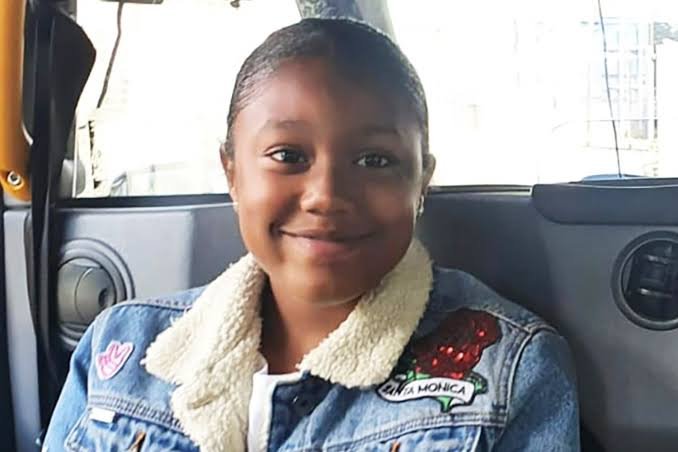
A dedicated allergen management rating, they argue, could help families make more informed decisions when choosing where to eat.
Their message extends beyond one cafe. They want businesses, regulators and local authorities to take allergen safety seriously, with clear procedures, staff training and proper oversight.
For families who must carefully check every ingredient, eating outside the home can involve constant questions about preparation methods and the possibility of accidental exposure. Mia’s case has renewed calls for those concerns to be treated as a fundamental part of food safety rather than an optional extra.
Why The Case Matters Beyond One Restaurant
Food allergies affect millions of people, including children who may depend on adults and food-service workers to help them avoid specific ingredients.
In restaurants and cafes, preventing cross-contact requires more than identifying allergens on a menu. Staff need to understand which ingredients pose a risk, how contamination can occur and what cleaning procedures are necessary before preparing an order for someone with an allergy.
A blender used for a hazelnut drink, for example, cannot simply be assumed safe for the next customer because the next recipe does not call for nuts. Residue may remain on the container, blades or other equipment unless it is properly cleaned.
Clear communication also matters. Customers need accurate allergen information, and staff must be able to explain how an order will be prepared. If a business cannot confidently prevent exposure to a particular allergen, that limitation needs to be communicated honestly.
Experts in food allergy safety have repeatedly stressed the importance of training, reliable preparation procedures and access to prescribed emergency medication for people at risk of severe reactions. No single precaution replaces the need for a comprehensive approach.
A Story That Has Prompted Fresh Questions
Mia’s case has left her family facing an unimaginable loss, but they hope that sharing what happened will lead to practical improvements.
The central question is no longer simply how a milkshake became contaminated. The investigation identified the unwashed blender as the source of the hazelnut residue. The wider issue is how a preventable preparation failure occurred and what can be done to stop similar mistakes from happening elsewhere.
Could clearer allergen safety ratings help customers choose restaurants with greater confidence? Would more consistent staff training and equipment-cleaning procedures reduce the risk? And how can regulators ensure that businesses understand and follow their responsibilities?
These questions now form part of the wider discussion surrounding Mia’s case.
Her parents have made clear that they want their daughter to be remembered not only for the circumstances of her final day but also for the changes her story might inspire.
For families managing severe food allergies, the ability to order a simple drink without fearing hidden ingredients should not depend on luck. Mia’s story is a reminder that careful preparation, accurate information and effective allergen management are essential responsibilities for every food business.